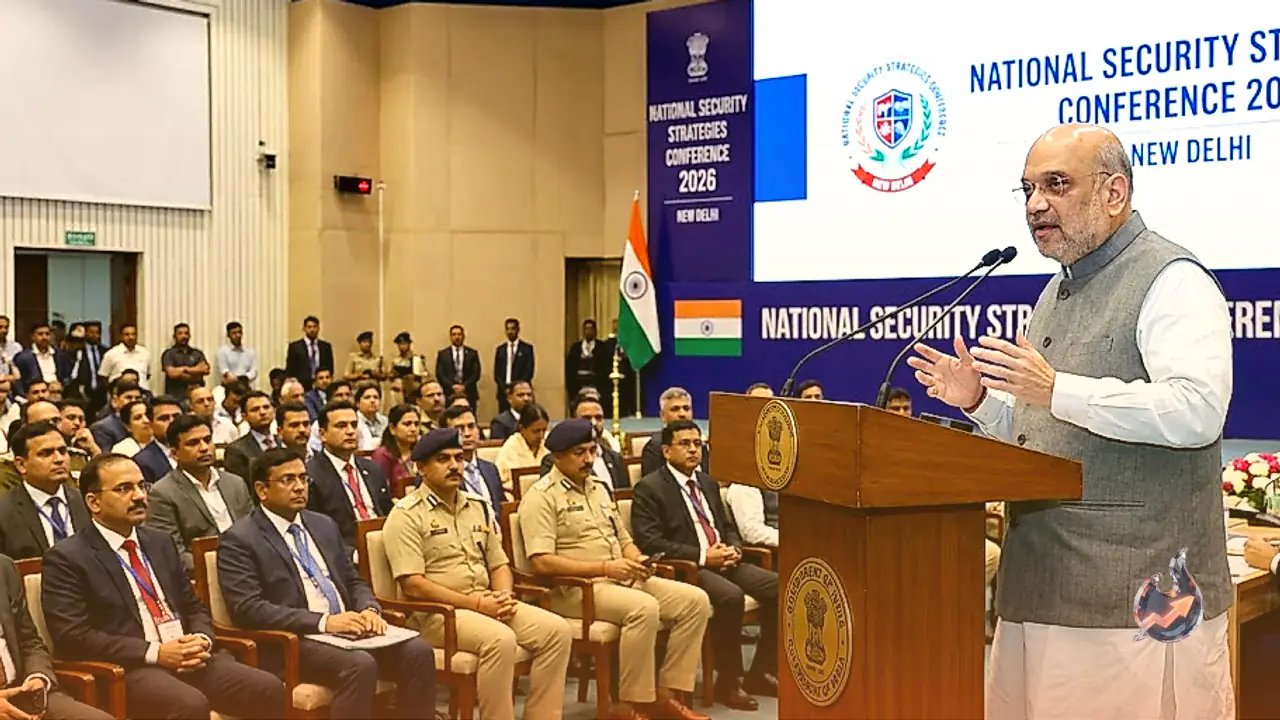

























A breakthrough has been achieved in eastern India as a decades-long regional dispute over water resources finally comes to an end. An official memorandum of understanding regarding the sharing of Son River water was signed between Bihar and Jharkhand during a high-level meeting in New Delhi. The formalization of this pact takes place under the presence of Union Home Minister Amit Shah, effectively resolving a complex regulatory deadlock that had persisted for nearly 25 years.
Cooperative Federalism in Action
This major diplomatic and administrative milestone is being hailed as a prime example of cooperative federalism. Officials note that the breakthrough stems from the broader governance philosophy of Team India championed by the central leadership. The successful negotiation demonstrates that persistent regional disagreements can be effectively untangled when state administrations and the central government engage in structured dialogue and mutual cooperation.
Water Allocation Details
Under the terms of the newly finalized arrangement, a clear framework has been established for the distribution of 7.75 million acre-feet of water from the Son River. This precise allocation addresses long-standing concerns regarding agricultural irrigation and resource management in the region. Clearing this administrative hurdle is expected to benefit local farming communities by providing dependable access to vital water resources that were previously restricted by jurisdictional disputes.
About Son River
The Son River is a major watercourse flowing through the central region of India and is also referred to as the Sonabhadra. Following the Yamuna, it stands as the largest southern tributary of the Ganga River. It originates near Amarkantak in the Anuppur district of Madhya Pradesh within the Vindhyachal hills, situated to the east of the Narmada River source. The river flows through Uttar Pradesh and Jharkhand before ultimately merging into the Ganga River in the Patna district of Bihar.
Public Reaction
Following the announcement of the pact, citizens and farming advocates shared welcoming responses across digital platforms. Many observers expressed optimism that resolving this long-pending regional issue will pave the way for enhanced agricultural productivity and regional collaboration.