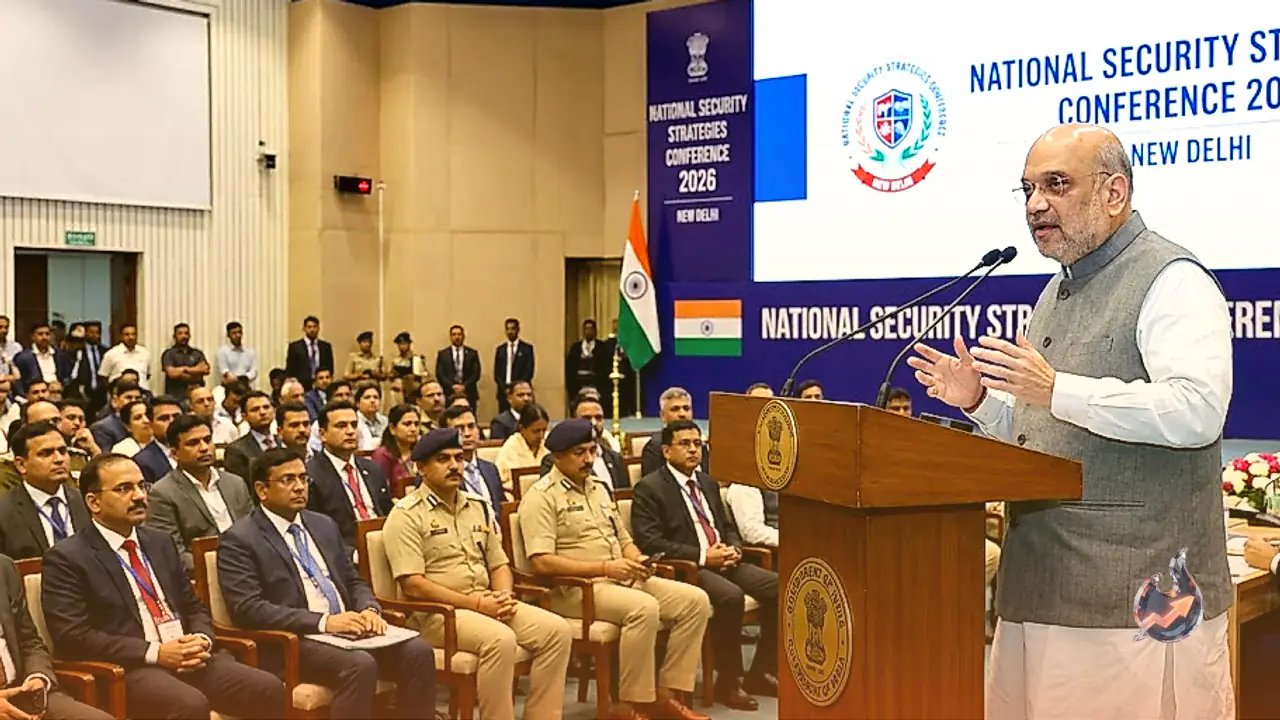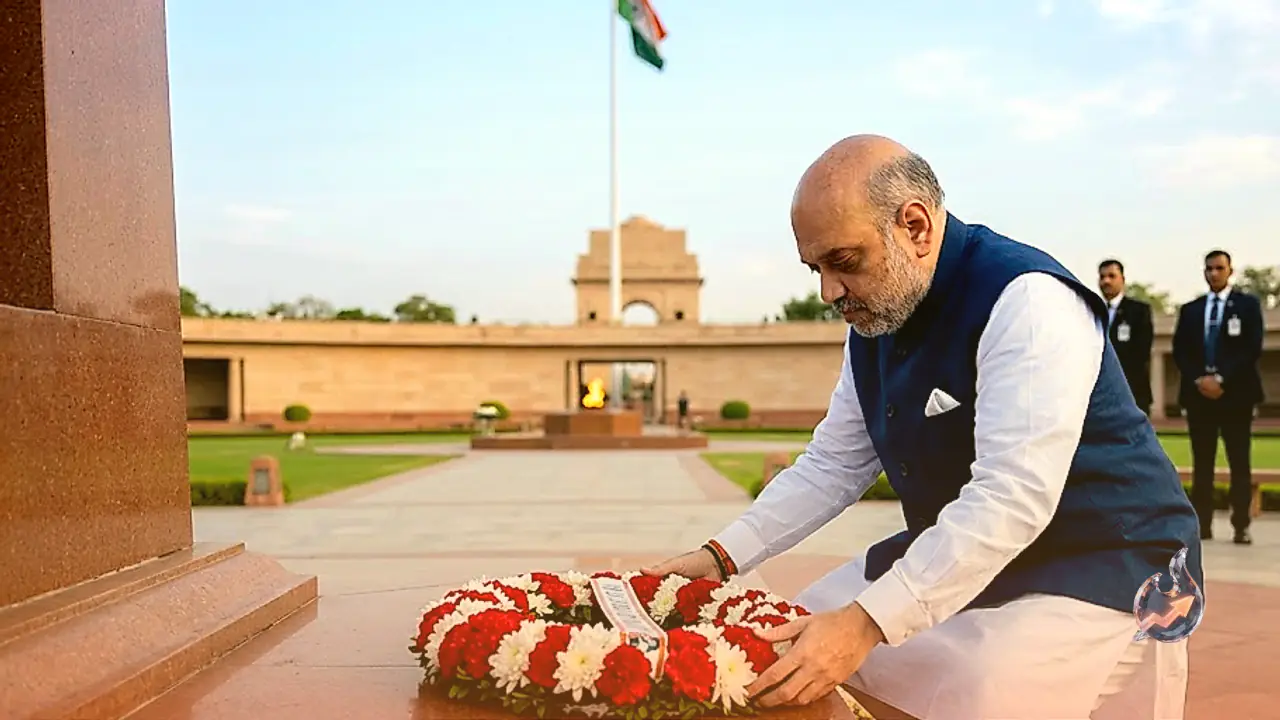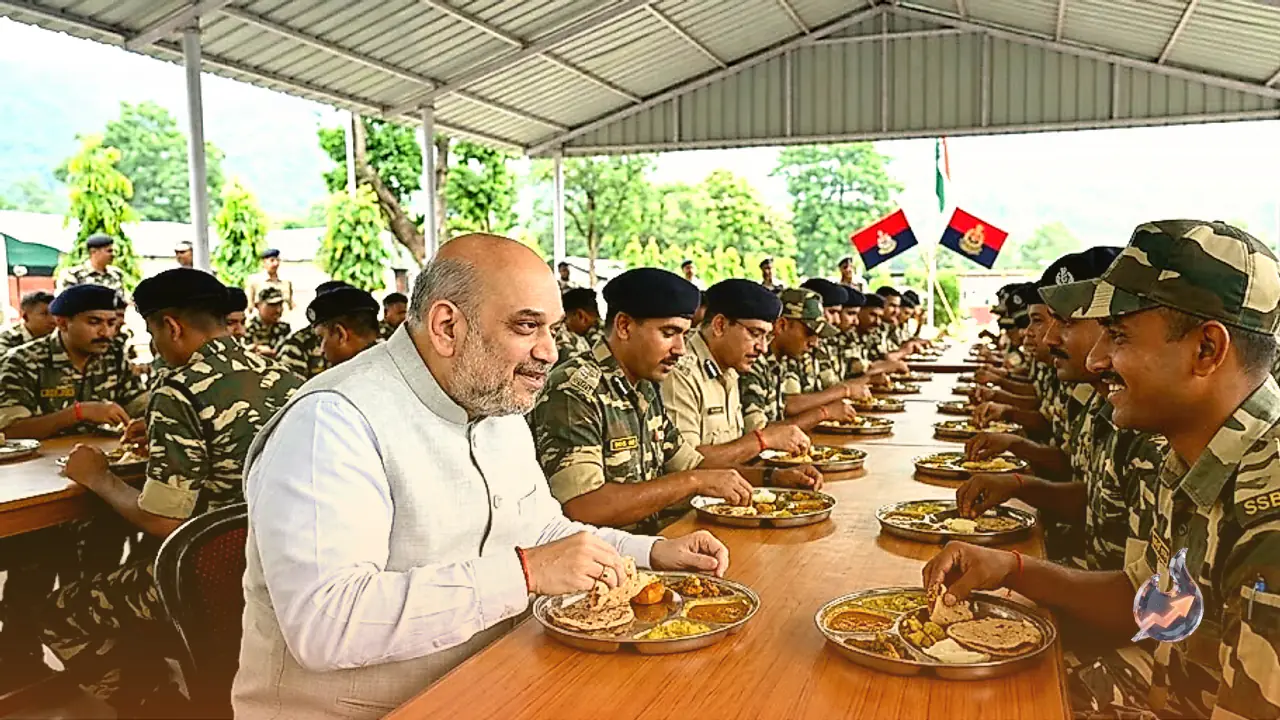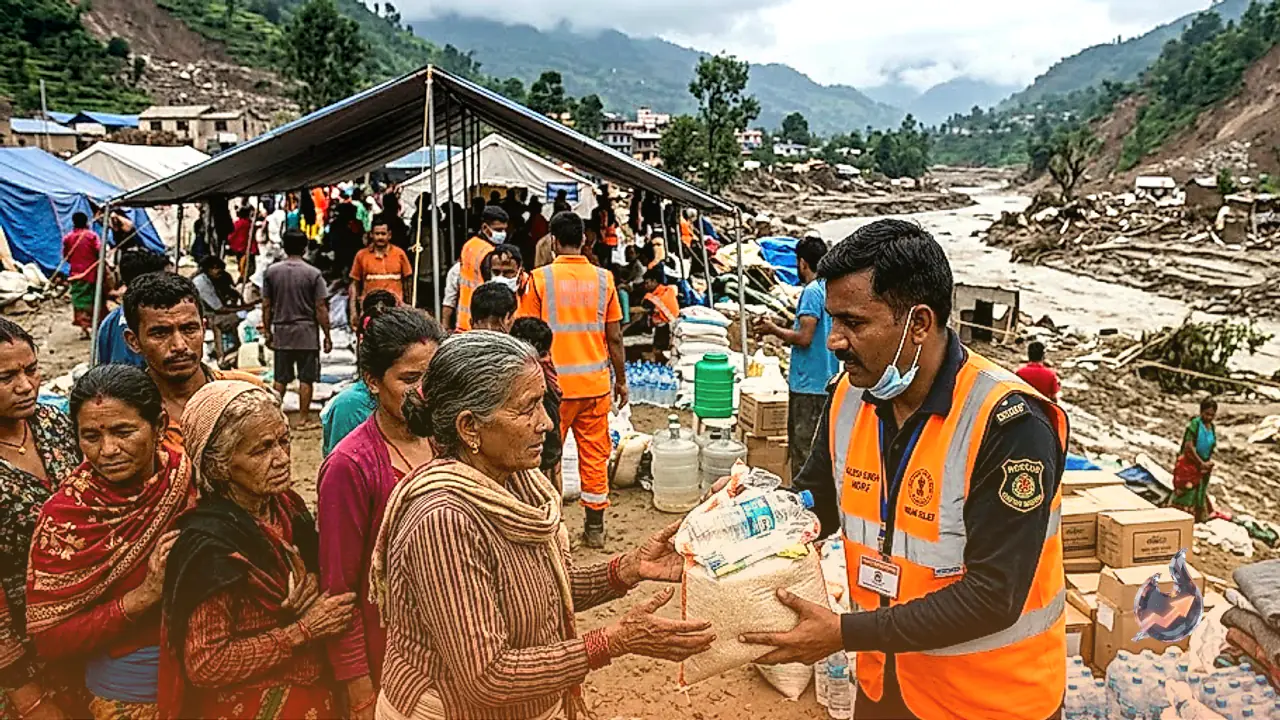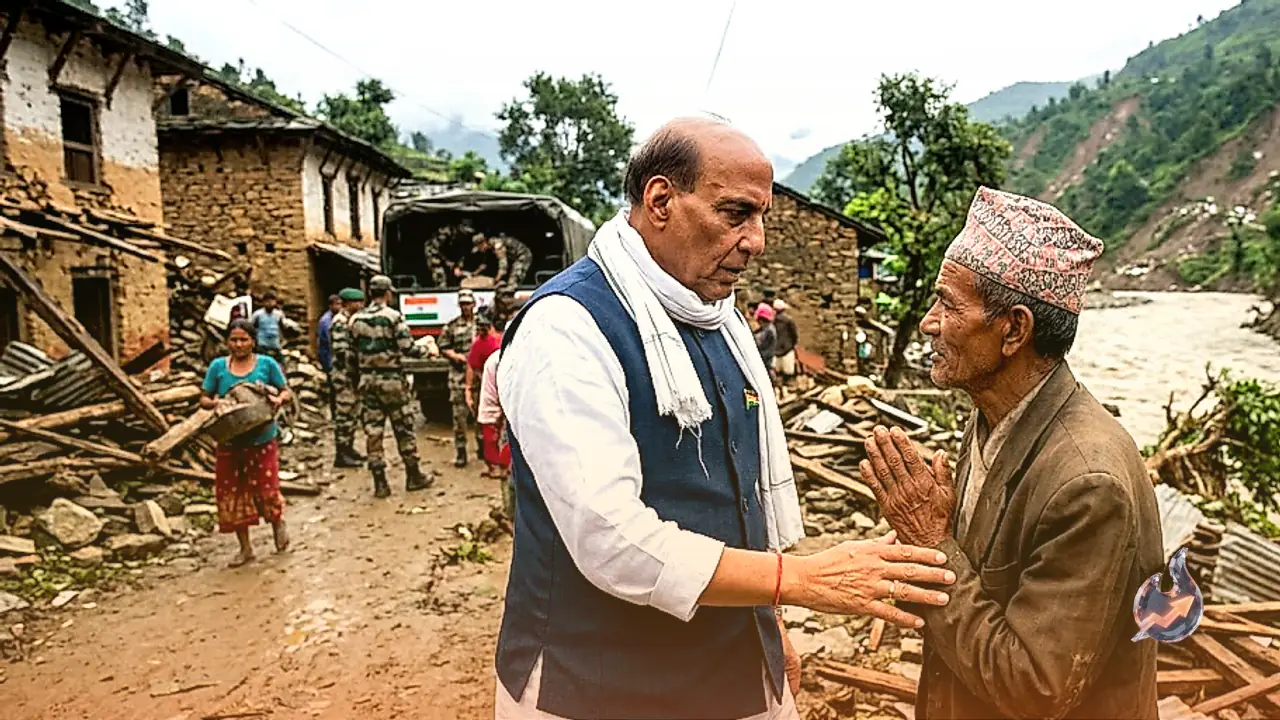





















Torrential rains in Nepal have triggered devastating flash floods that claimed nearly 95 lives and left more than 500 people missing, including 105 Indian nationals. In the wake of this growing humanitarian emergency, Union Home Minister Amit Shah expressed deep grief over the loss of life and offered heartfelt condolences to the families affected by the disaster. Reaffirming India's role as a dependable neighbor, he announced that the Government of India stands in total solidarity with Nepal during this crisis. To safeguard adjacent Indian territories from inundation, the Home Minister also held emergency consultations with the Chief Ministers of Uttar Pradesh and Bihar to streamline regional flood defenses.
Severe Destruction in Nepal and India's Rapid Emergency Response
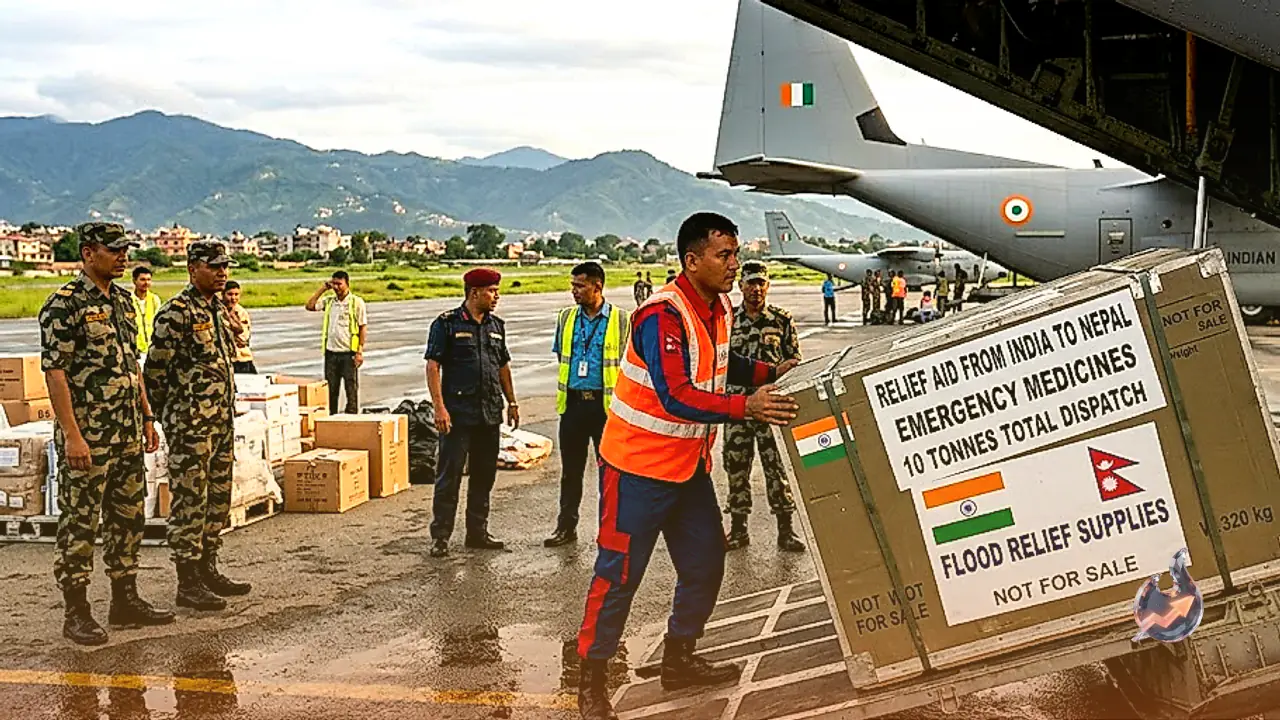
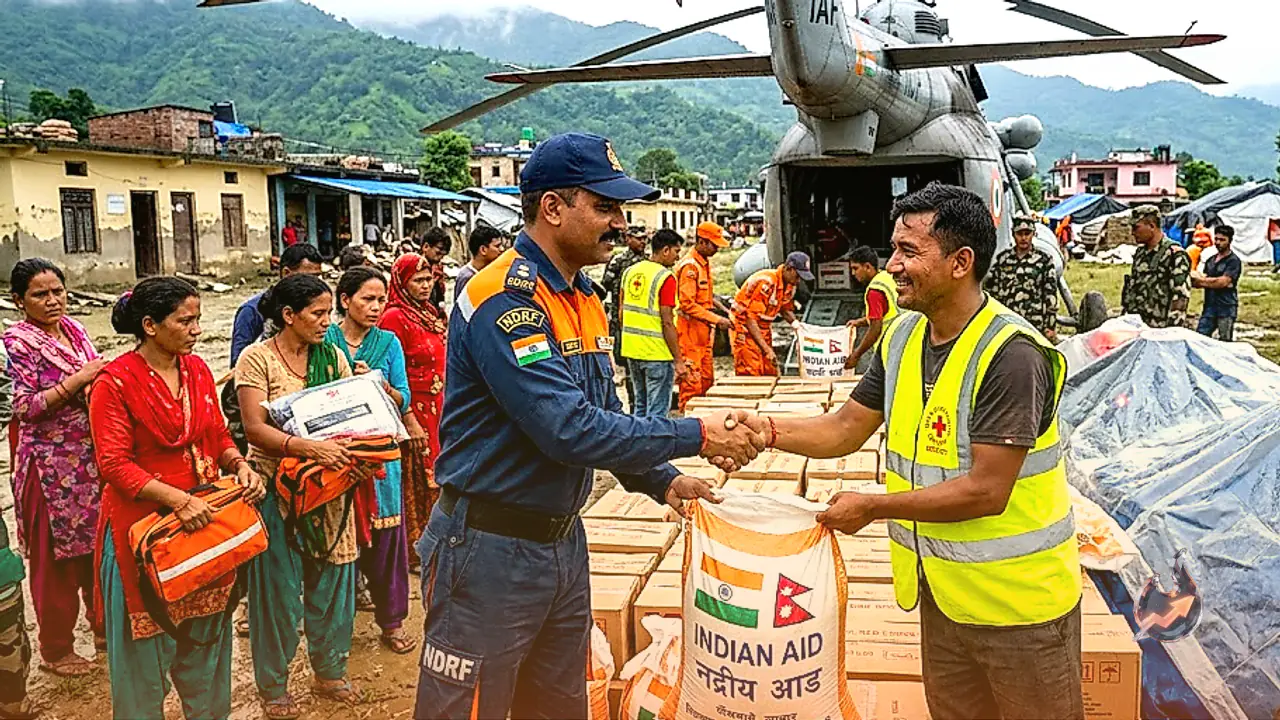
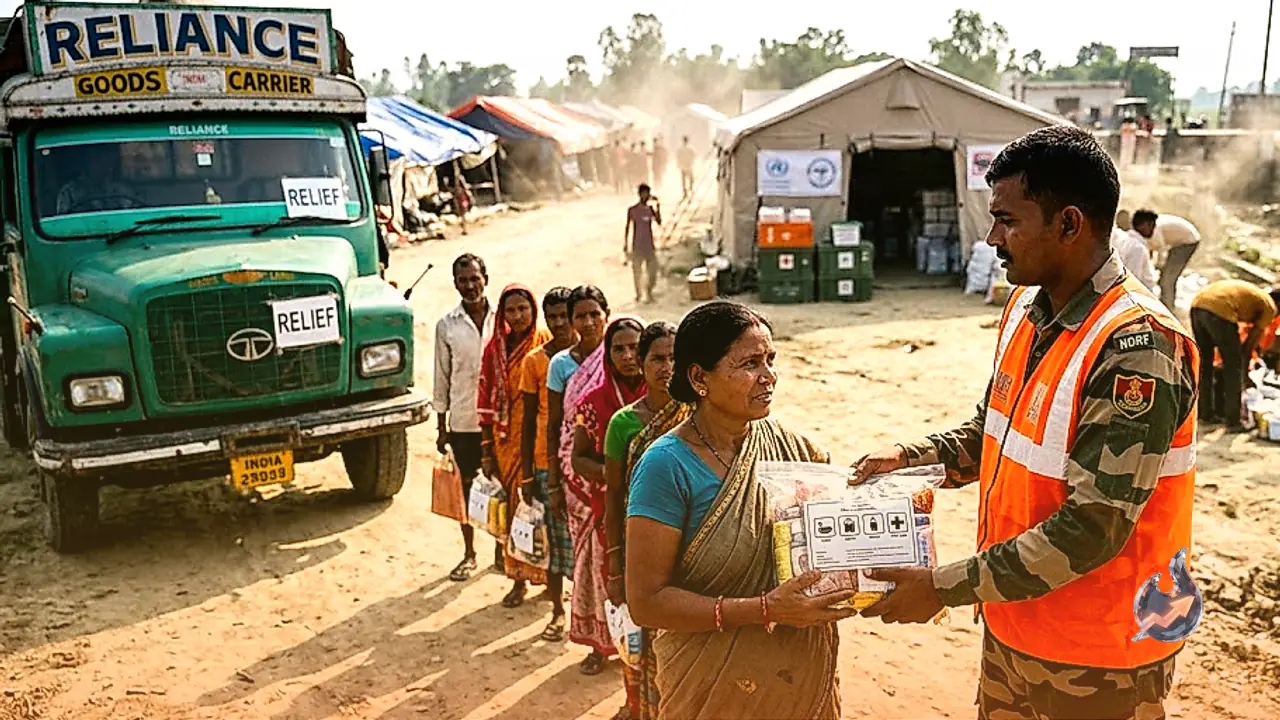
Relentless downpours across Nepal have pushed major rivers far above danger thresholds, submerging residential neighborhoods and commercial properties. Reports indicate that floodwaters rose nearly 50 meters above ground level near hotels in affected areas, forcing inhabitants and travelers to flee for safety. Over 700 people remain stranded near the Tibet border region, including a group associated with spiritual leader Sadhguru Jaggi Vasudev. Assessing the critical situation, Prime Minister Narendra Modi engaged with Nepalese officials and promptly dispatched relief consignments aboard military transport aircraft to assist local rescue teams.
NDRF Deployed on High Alert Across Border States
Because multiple rivers originating in Nepal flow downhill into the Gangetic plains, heavy discharge across the border poses an immediate flood risk to northern India. Addressing these concerns, Union Home Minister Amit Shah contacted Uttar Pradesh Chief Minister Yogi Adityanath and Bihar Chief Minister Nitish Kumar to ensure operational readiness. Emergency response units from the National Disaster Response Force (NDRF) have been placed on high alert along vulnerable border districts to manage potential river breaches and execute rapid evacuations if floodwaters spill over.
Scientific Inquiry Into Avalanches and Secondary Flood Risks
Environmental scientists investigating the catastrophic flooding suspect that torrential precipitation combined with massive mountain landslides and a potential avalanche unleashed the sudden deluge. Experts warn that unstable terrain and continuous rainfall maintain a high risk of a secondary flood wave in Nepalese valleys. Amid the widespread destruction, remarkable stories of survival have emerged, such as a laborer who managed to cheat death by clinging tightly to a mango tree for hours while floodwaters raged beneath him.
About Uttar Pradesh
Uttar Pradesh is India's most populous state and ranks as the fourth largest state by geographical area in the country. Lucknow serves as the administrative and legislative capital of the state, while Prayagraj acts as its judicial capital. Other prominent and historically significant urban centers in the state include Agra, Kanpur, Varanasi, and Gorakhpur. Geographically, Uttar Pradesh shares domestic borders with Uttarakhand, Himachal Pradesh, Haryana, Delhi, Rajasthan, Madhya Pradesh, Chhattisgarh, Bihar, and Jharkhand. Furthermore, its northern perimeter forms an international border with Nepal, making its border districts directly sensitive to hydrological events occurring across the frontier.
Public Reaction
Following Home Minister Amit Shah's announcement pledging assistance to Nepal and deploying preventive measures in border states, online users offered varied perspectives. Many commentators commended the central government's prompt support, emphasizing the deep historical and cultural ties binding India and Nepal. Concurrently, several users highlighted recurring flood challenges in North Bihar, urging authorities to focus on long-term embankment maintenance, proactive river management, and domestic flood protection.