


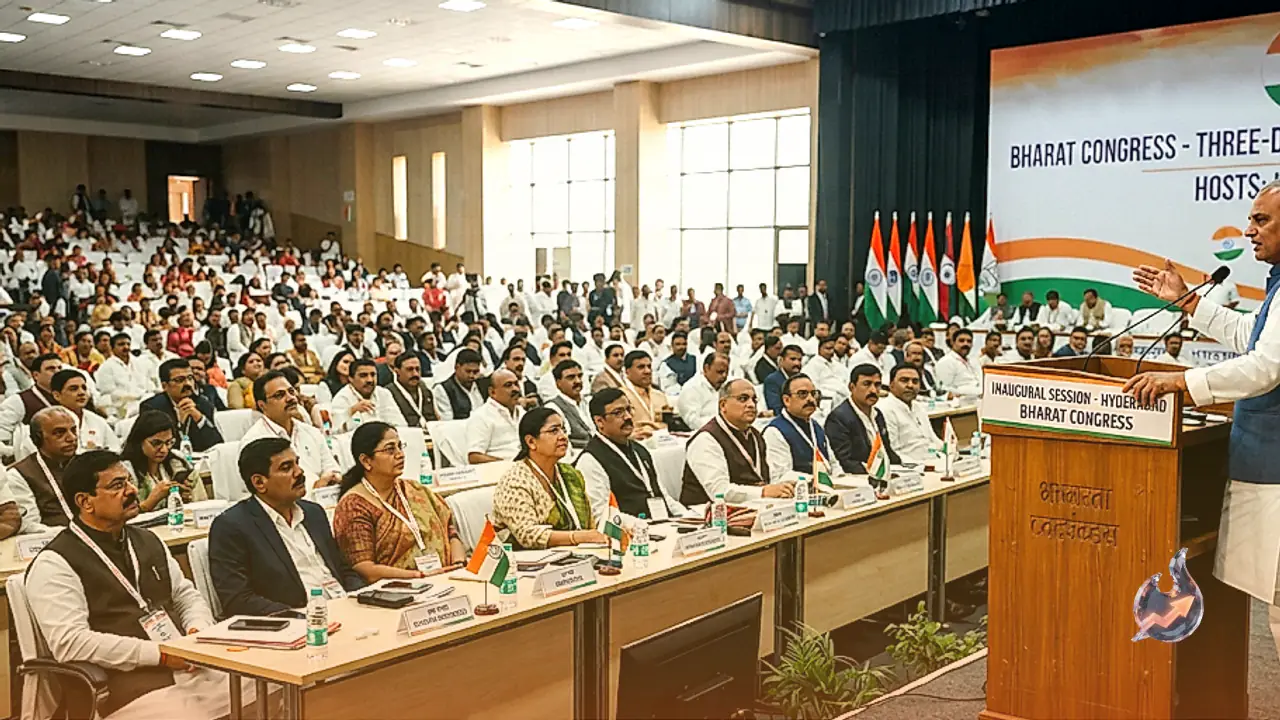

















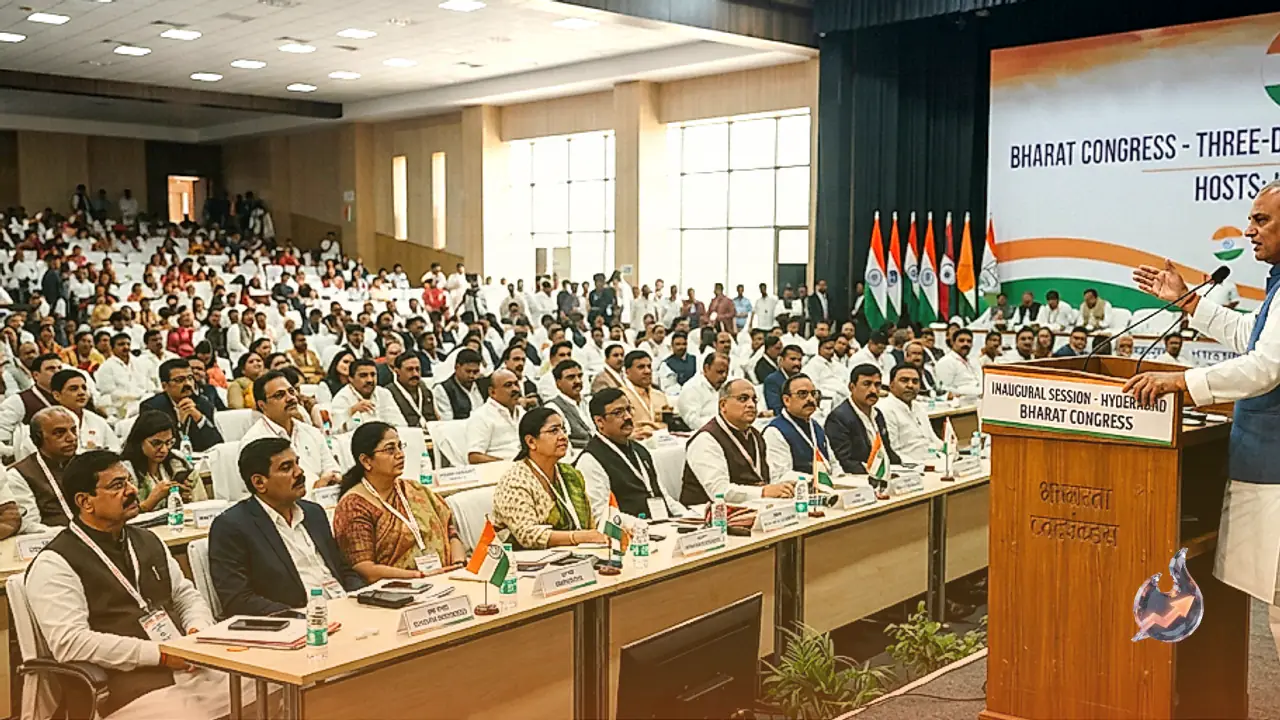

A major international conclave addressing the evolving global order, strategic policy, and democratic governance has commenced in Hyderabad. Hosted by the Indian National Congress, the three-day Bharat Summit brings together international thinkers, scholars, and policy specialists. Opening on November 12, the gathering focuses on examining India's strategic responses to changing geopolitical dynamics, strengthening cooperative federalism, and safeguarding electoral systems in an increasingly complex world.
Global Dialogue and Wide International Participation
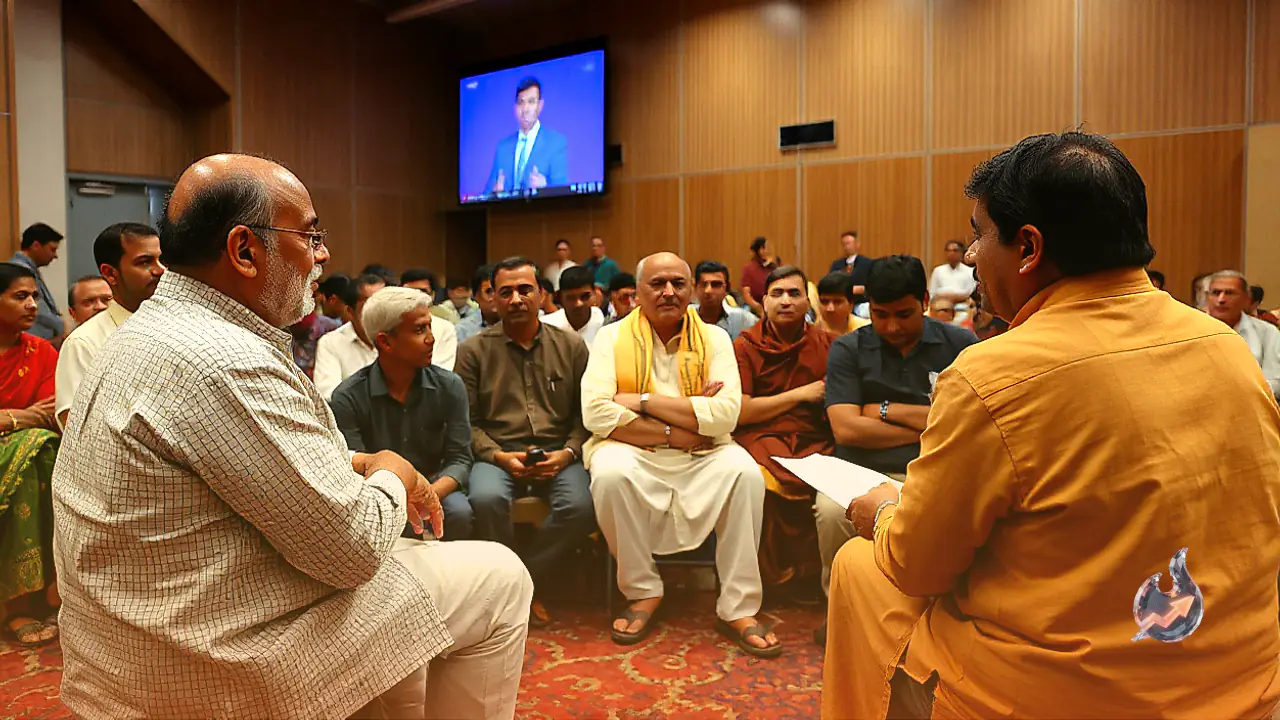
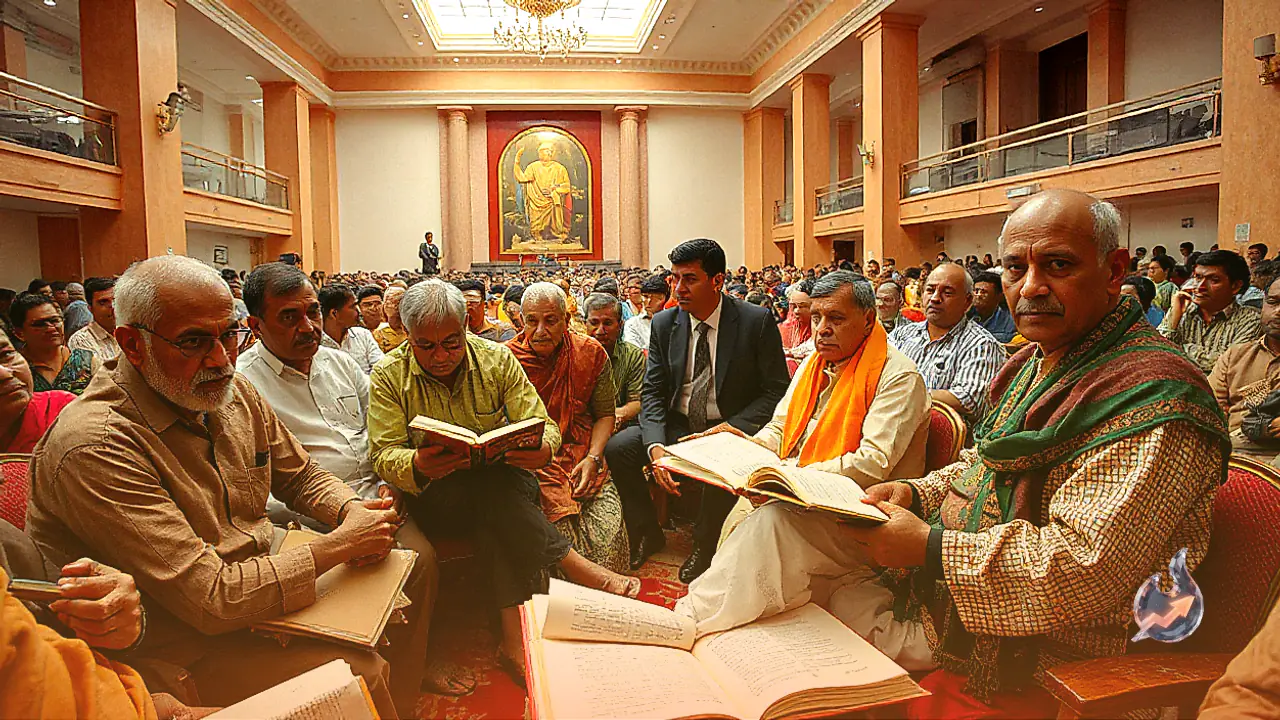
This edition of the conference represents a substantial international assembly, with more than 1,000 delegates from over 70 countries participating across multiple working sessions. The gathering builds upon the foundation laid during the earlier summit in April 2025, which concluded with the adoption of the Hyderabad Resolution committing participants to work toward global justice. Organizers have structured the ongoing sessions around high-level panel debates on international diplomacy, institutional autonomy, and democratic resilience, with Rahul Gandhi also likely to attend during the three-day schedule.
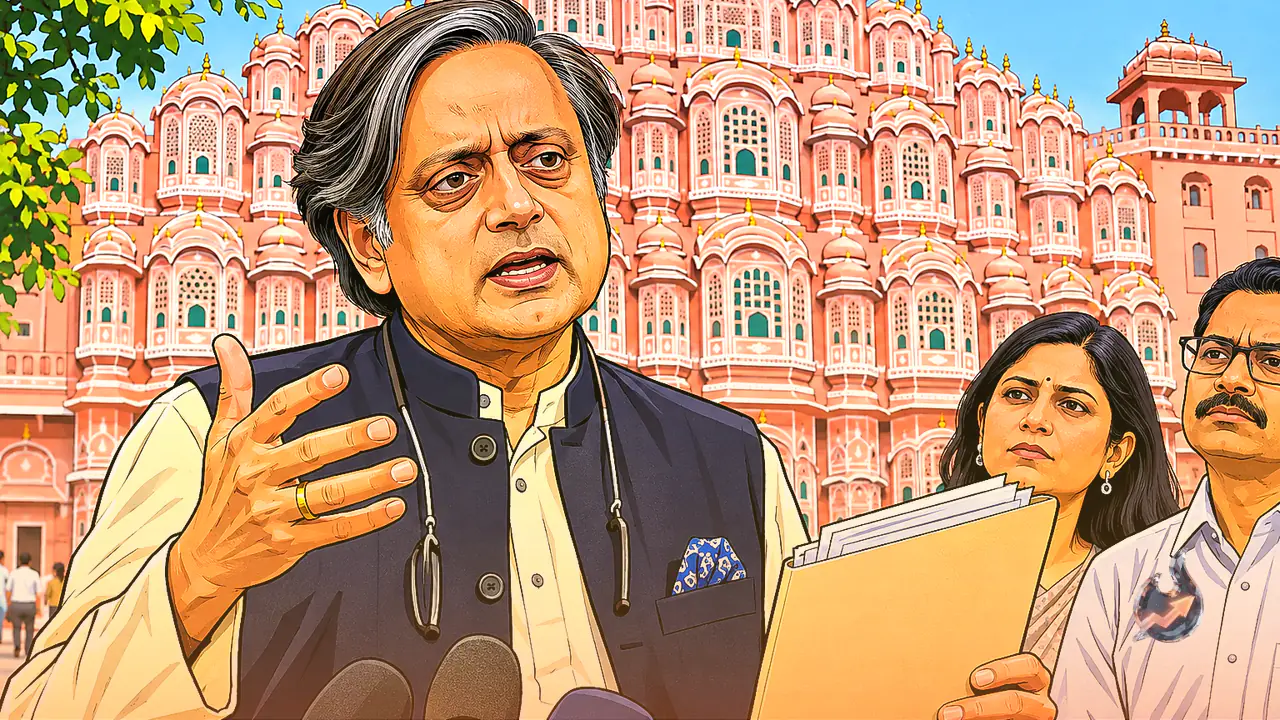
Shashi Tharoor Addresses the Opening Sessions
Senior Congress leader Shashi Tharoor participated in the inaugural proceedings and delivered an address on the summit's opening day. Sharing his involvement publicly on X, Tharoor highlighted the presence of international experts discussing critical themes such as the emerging global order, domestic federal cooperation, and electoral integrity. His address touched upon how India navigates pressing geopolitical shifts while preserving institutional strength and democratic accountability at home.
Visa Controversy Surrounds Foreign Attendance
The summit also drew attention due to an unexpected diplomatic hurdle involving an international attendee. Norwegian journalist Helle Lyng stated that Indian authorities cancelled her visa mere moments before the Hyderabad conference was scheduled to commence. Despite the controversy, scheduled discussions continued with researchers, diplomats, and civil society representatives analyzing multi-nation cooperation and international governance standards.
Public Reaction
The conference sparked varied reactions across social media networks. While supporters welcomed the deep policy deliberation on foreign relations and democracy, critics questioned the rationale behind a political party hosting a parallel international conclave and raised objections regarding its funding and purpose.