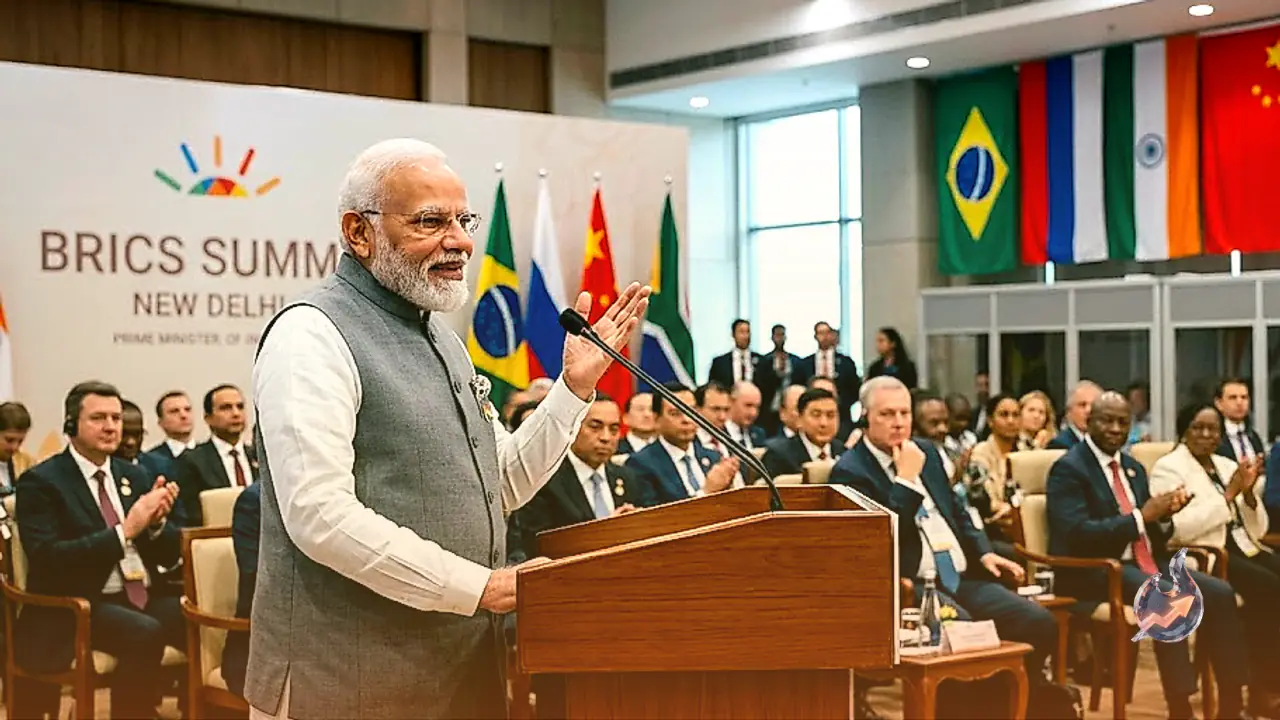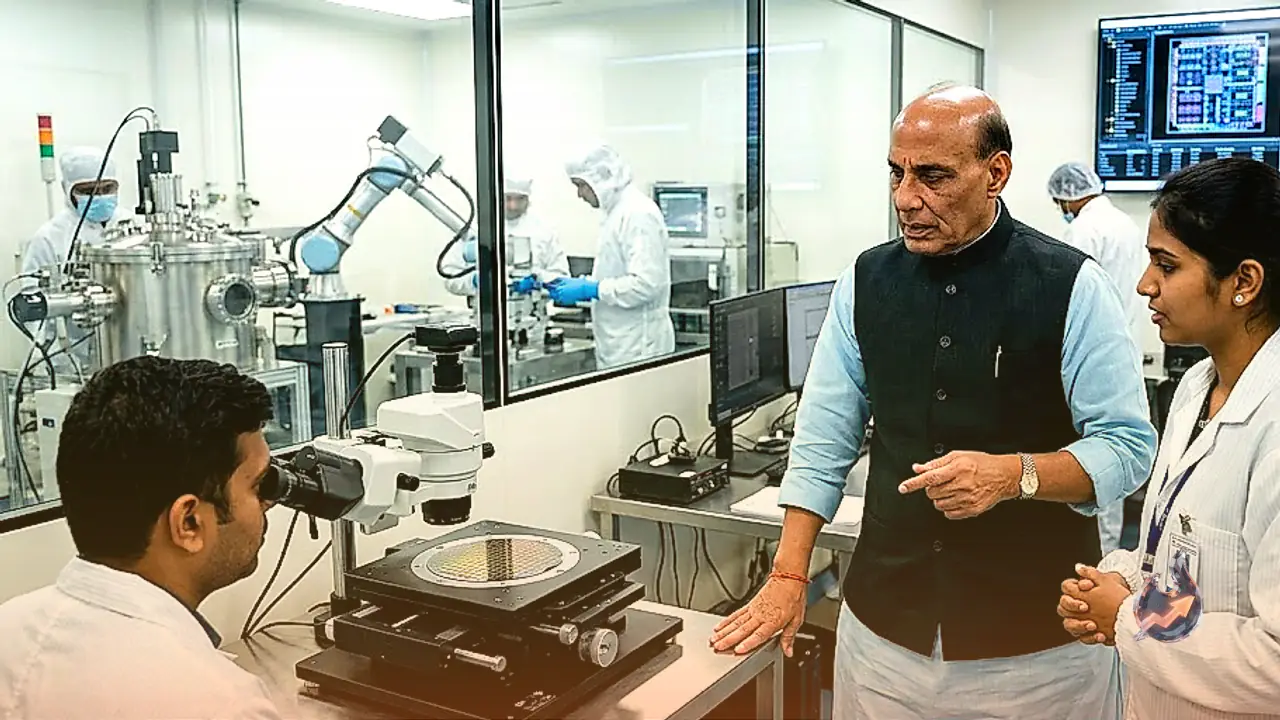























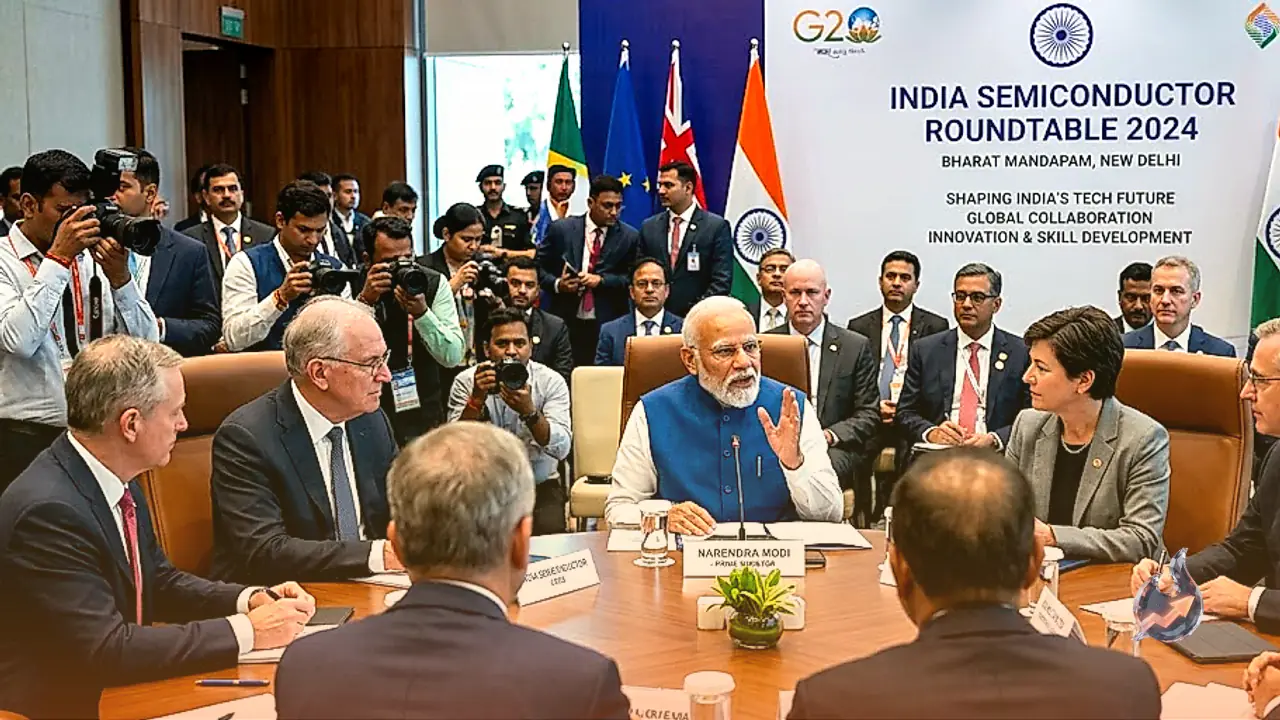

In a significant push toward establishing India as a global hub for advanced technology, Prime Minister Narendra Modi convened a high-profile roundtable meeting with chief executive officers from the semiconductor industry. The discussion centered on accelerating domestic chip manufacturing, strengthening supply chains, and positioning the nation at the forefront of the upcoming technological revolution.
Unwavering Government Backing for Chip Makers
During the evening interaction, the Prime Minister emphasized the central administration's unequivocal support for the semiconductor sector. Assurances were given that the government remains fully committed to facilitating industrial growth, reducing regulatory hurdles, and ensuring that companies investing in domestic manufacturing receive robust administrative and policy backing.
Predictable Policy Environment and Ease of Doing Business
A core focus of the dialogue involved maintaining a predictable and responsive regulatory framework. Investors require clarity and consistency to commit capital to capital-intensive projects like fabrication plants. The administration continues to refine its policy stance to ensure quick turnaround times, transparent guidelines, and an enabling environment for both domestic and international stakeholders.
Prioritizing Skilling, Infrastructure, and Innovation
Long-term success in high-tech sectors relies heavily on human capital and foundational infrastructure. The discussions highlighted ongoing efforts in skill development to cultivate a specialized workforce capable of driving cutting-edge research and manufacturing. Upgrading industrial infrastructure and fostering an ecosystem of innovation remain central pillars of the nation's technological roadmap.
Public Reaction
The high-level engagement drew widespread attention across digital platforms, prompting diverse reactions from citizens and industry observers. While many praised the strategic push toward technological self-reliance and global collaboration, others underscored the practical challenges of reducing import dependence and accelerating ground-level execution.