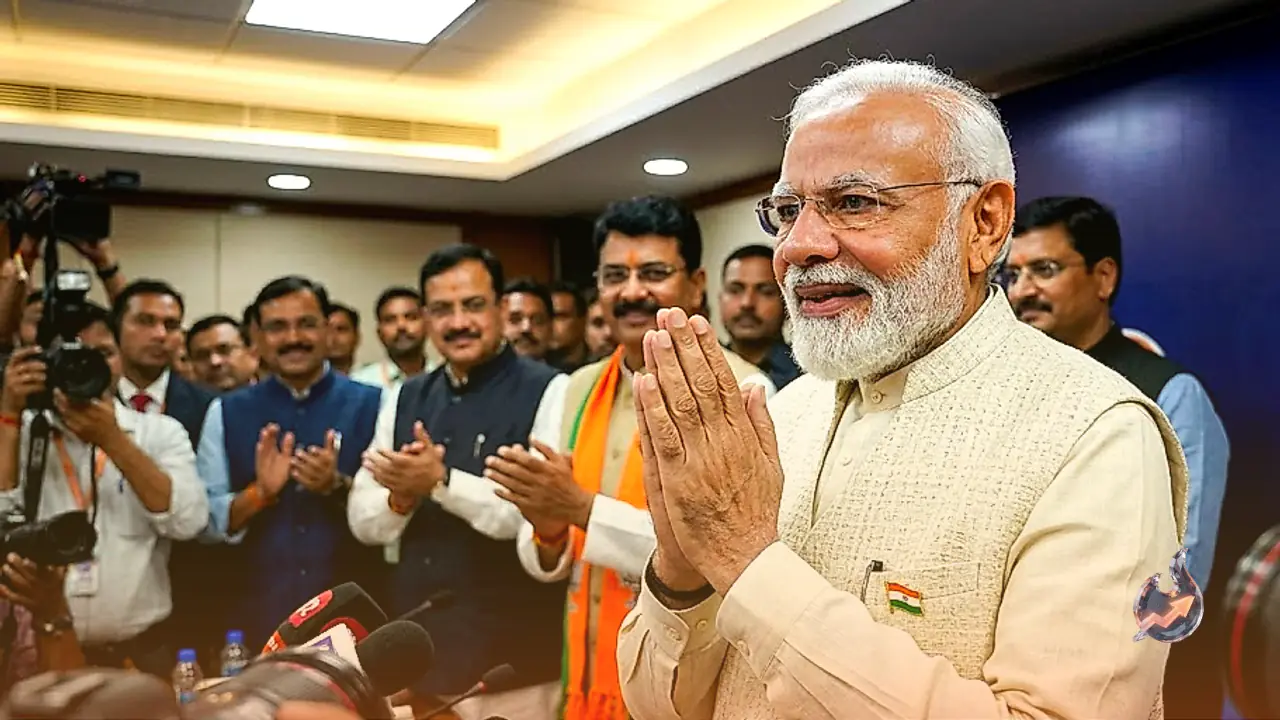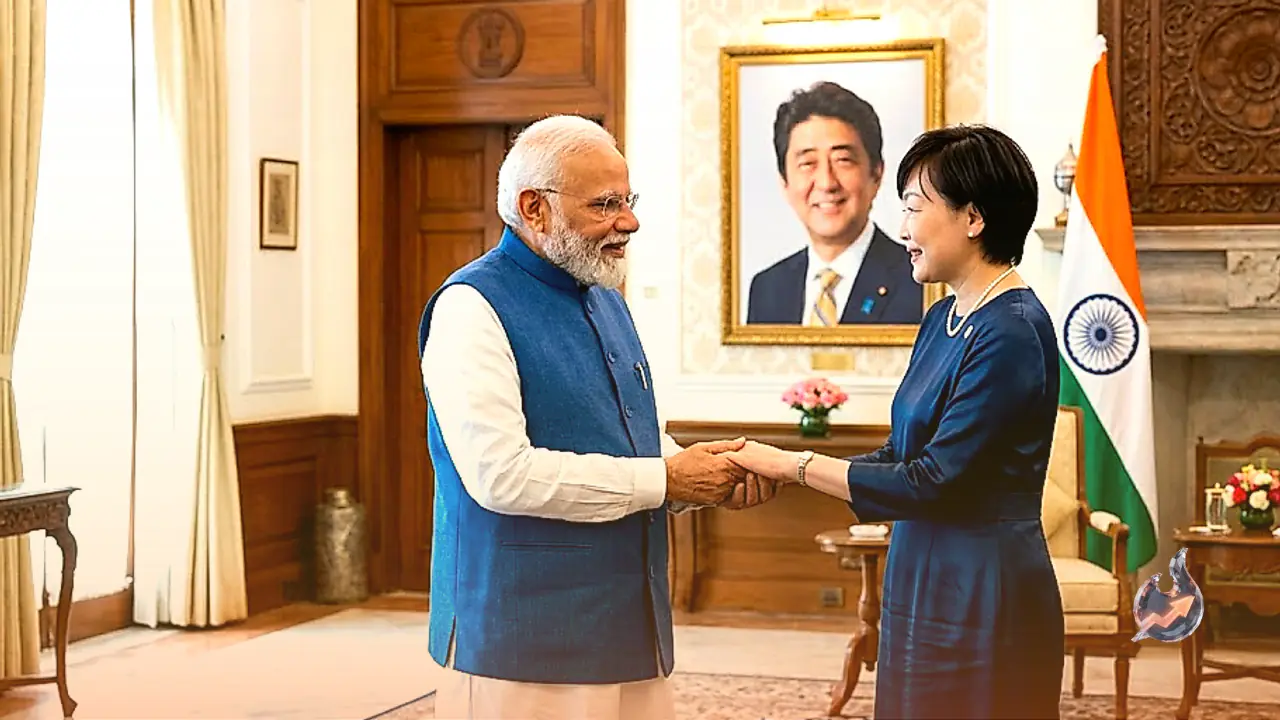
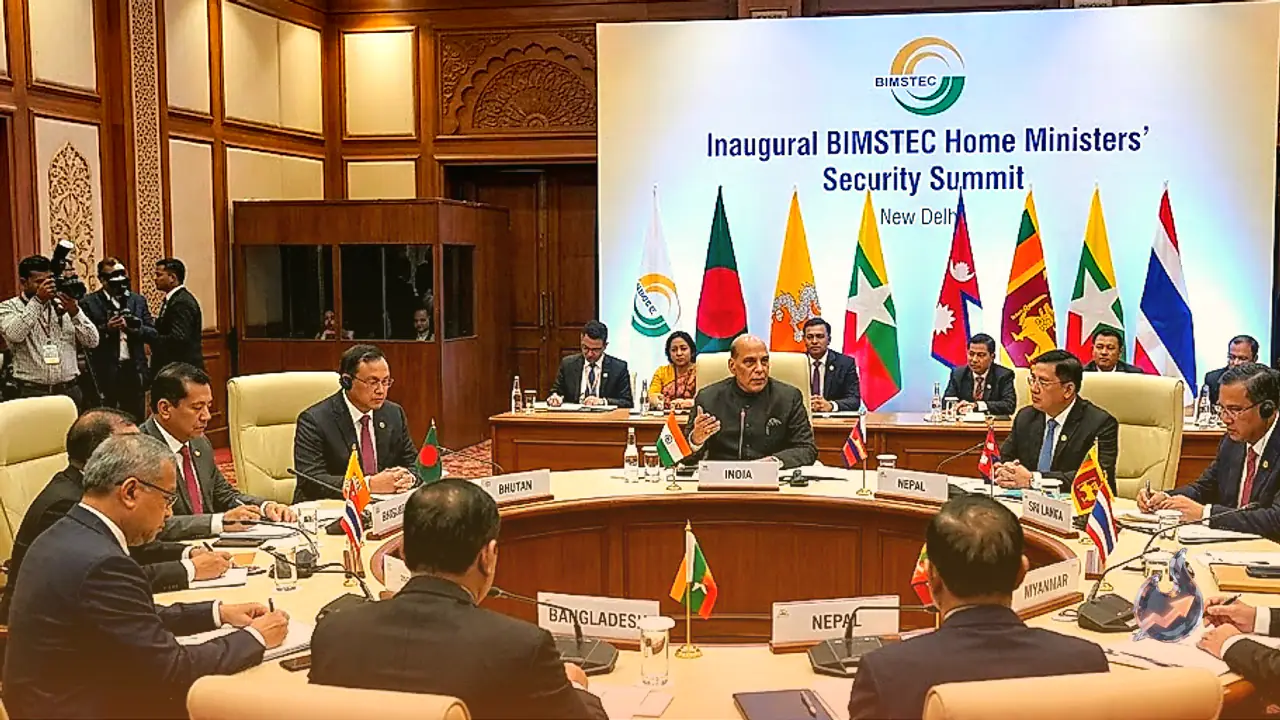




















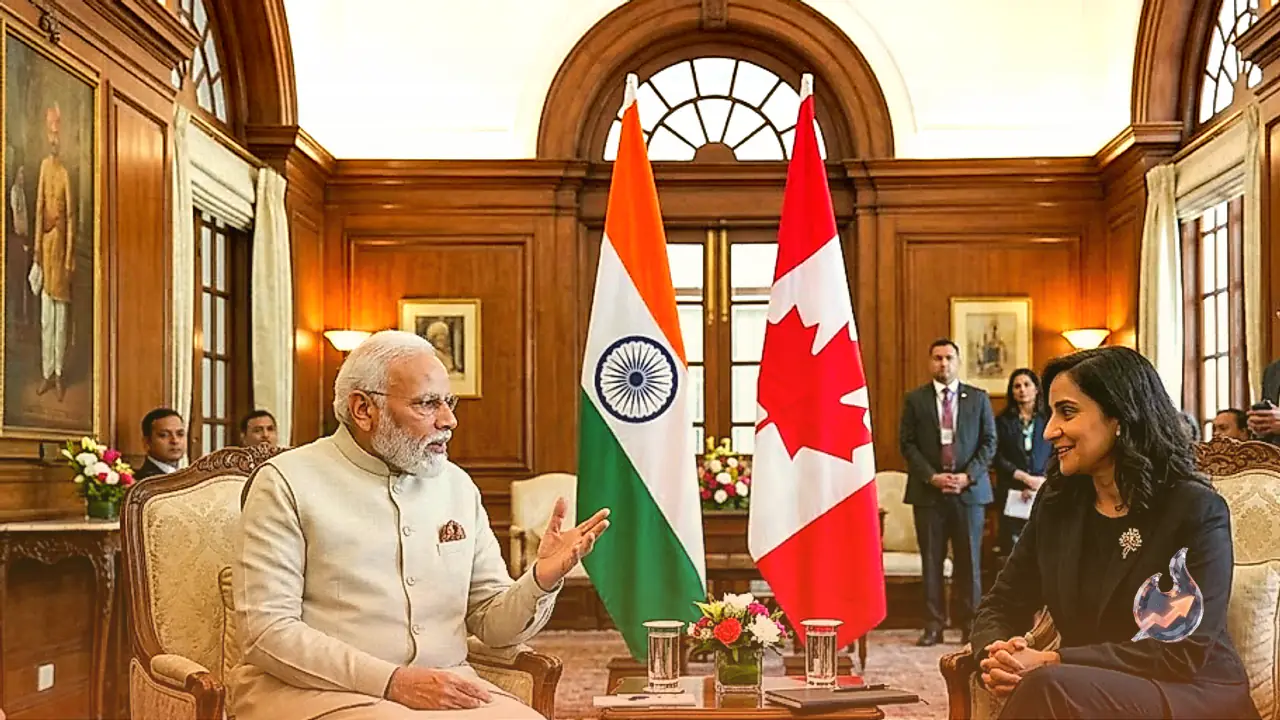

In an effort to revitalize bilateral engagement, Prime Minister Narendra Modi met Canadian Foreign Minister Anita Anand in New Delhi for high-level diplomatic talks. The interaction centered on creating fresh momentum in bilateral ties across diverse sectors, including commercial trade, emerging technology, security cooperation, energy, higher education, and cultural people-to-people exchanges.
Expanding Strategic and Economic Cooperation
During the meeting, both sides evaluated key priorities aimed at enhancing broader strategic collaboration. The discussions underscored the significance of strengthening supply chain linkages, boosting technology partnerships, and advancing security coordination. Energy cooperation also featured prominently on the agenda, alongside educational initiatives designed to facilitate deeper academic ties and easier mobility for researchers and university students.
Constructive Vision for Bilateral Partnership
Characterizing the dialogue as productive, Narendra Modi reiterated that India remains committed to building a constructive and forward-looking partnership. He emphasized that sustained collaboration across foundational sectors will deliver mutual benefits, unlocking tangible opportunities for businesses, innovators, and students in both nations.
Sustained Diplomatic Engagement and Trade Talks
The visit by Foreign Minister Anita Anand builds on continuous diplomatic exchanges held over recent months. Her earlier interactions with External Affairs Minister S Jaishankar, including discussions on the sidelines of international forums in Munich and at the United Nations General Assembly, set the groundwork for elevating ties. Both administrations are actively working toward finalizing a bilateral trade pact by the end of December, viewing economic integration as a vital anchor for broader diplomatic stability.
Public Reaction
The development elicited varied responses from observers and citizens online. While many welcomed the renewed focus on trade, educational mobility, and technological collaboration, others raised questions regarding long-standing diplomatic priorities and broader strategic policies.