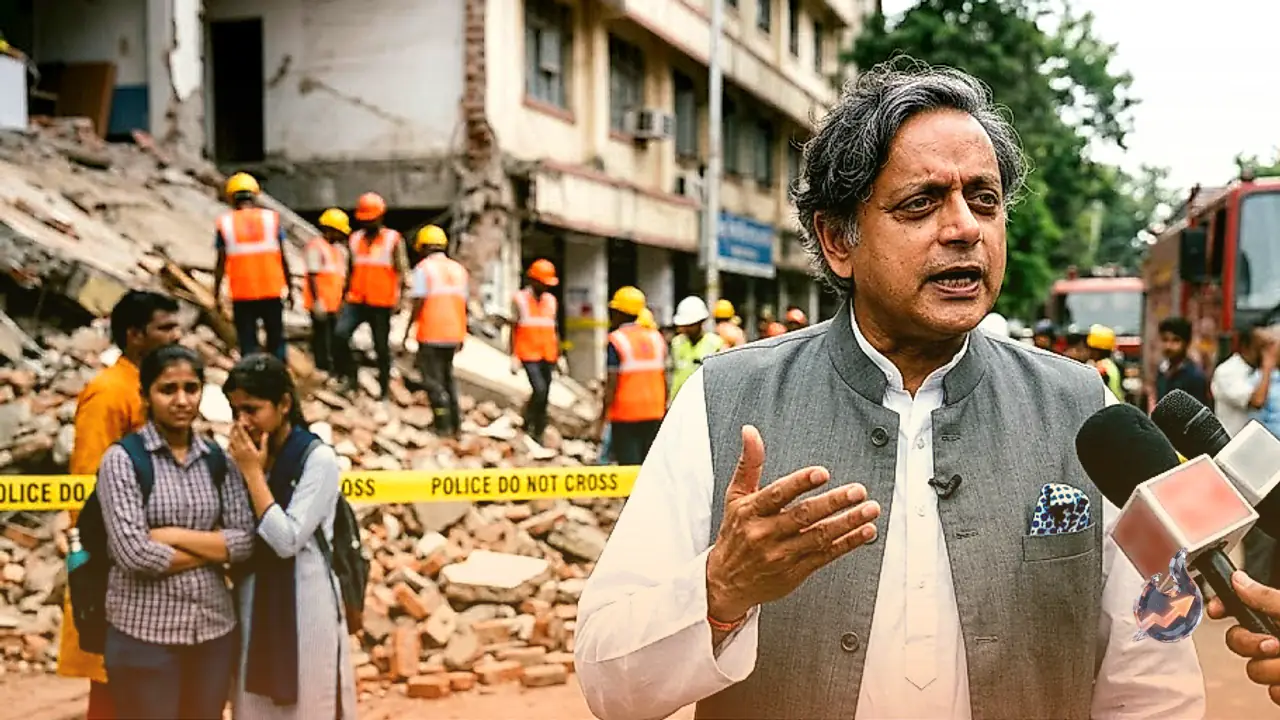






















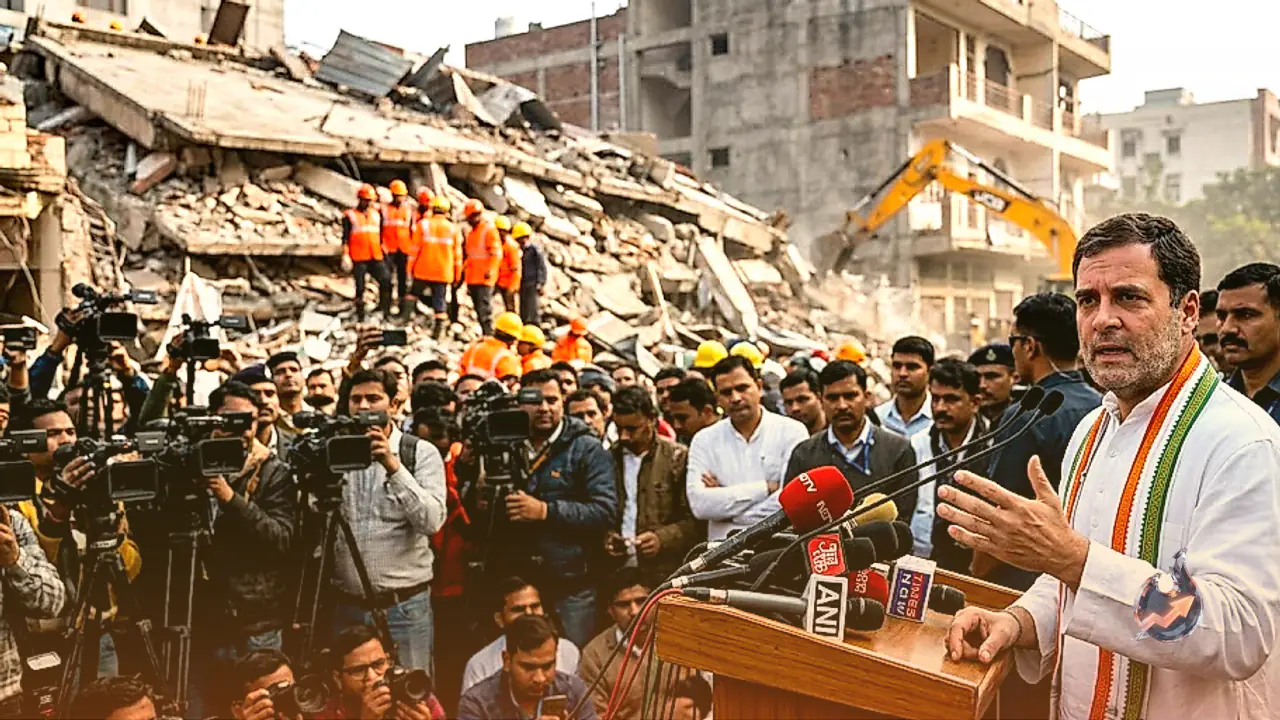

Senior political leader Rahul Gandhi has taken to social media to heavily criticize the government over recurring structural disasters and administrative negligence. Reacting to the recent collapse of a crowded student building in Satyaniketan, he stated that tragedies of this scale point to a deeply flawed system that fails to act before lives are lost.
The Pattern of Post-Disaster Rhetoric
Highlighting what he termed a shameful pattern, the leader pointed out that the administration consistently avoids taking preventive measures ahead of time. Instead of enforcing strict building safety codes, regular inspections, and accountability frameworks to protect citizens, authorities wake up only after a catastrophe has already struck, limiting their response to superficial statements and promises.
Scapegoating Minor Officials
A core argument raised in the critique addresses how responsibility is distributed in the aftermath of fatal incidents. According to the statements shared online, instead of holding higher authorities and key decision-makers accountable for administrative lapses, the entire blame is routinely dumped on a handful of junior officers. This practice shields the real culprits and prevents meaningful systemic reforms from taking place.
Urban Safety and Public Accountability
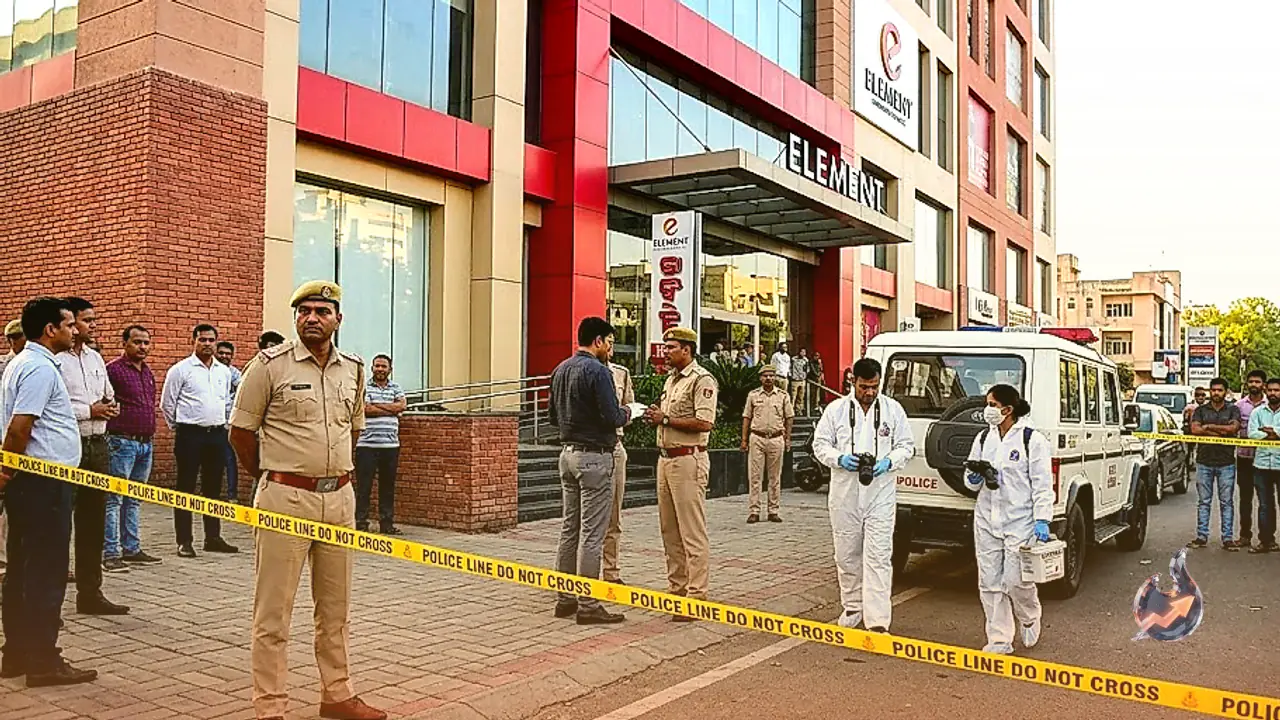
The Satyaniketan incident, which involved students trapped beneath a collapsed structure, has reignited intense debates surrounding urban safety standards, illegal constructions, and regulatory enforcement in the capital. Demands for transparency and strict action against violators have grown louder as families and communities grapple with the consequences of structural failures.
Public Reaction
The social media commentary drew widespread public engagement, with many citizens expressing anger over municipal corruption and the lack of basic safety infrastructure in student housing areas.