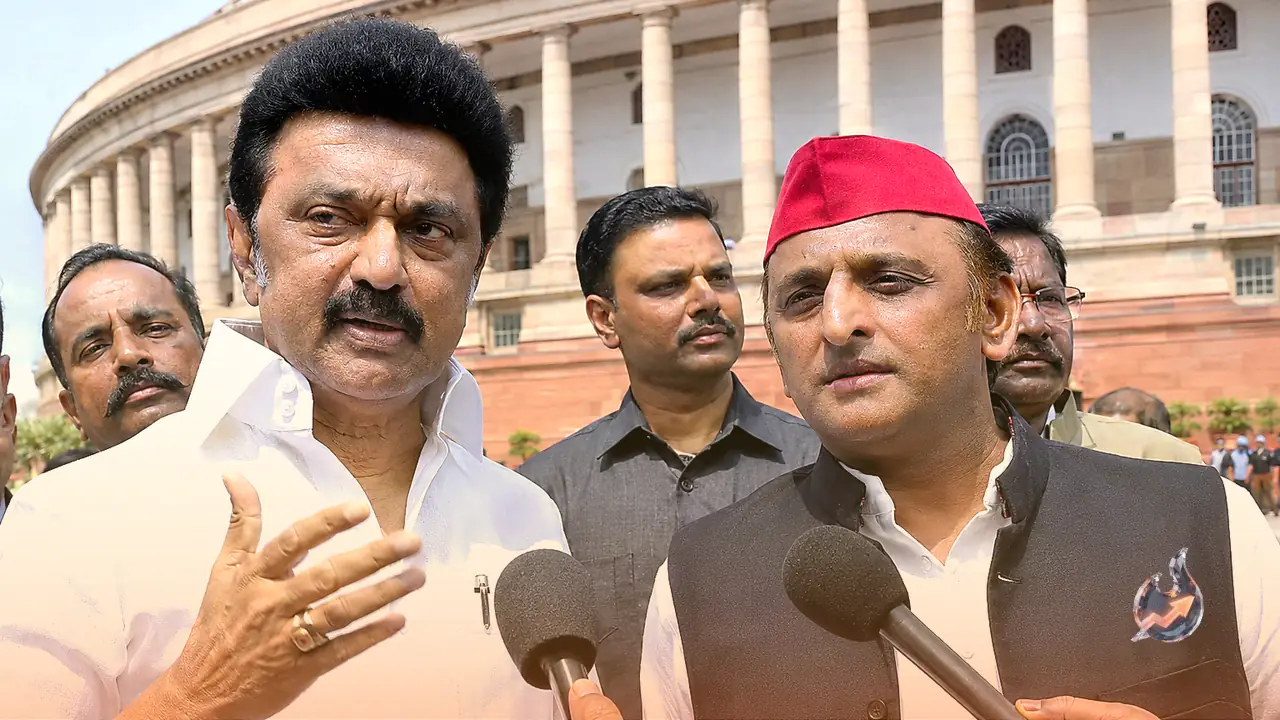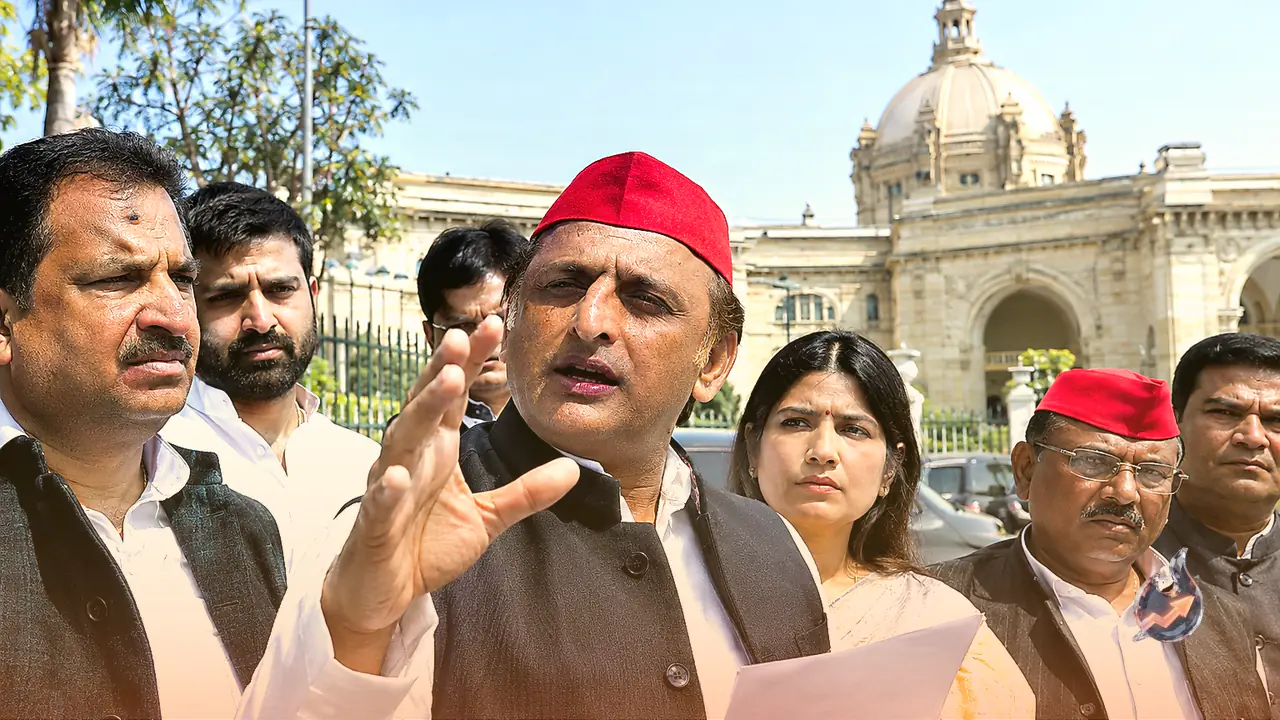

The Samajwadi Party has released a PDA pledge ahead of the 2027 Uttar Pradesh Assembly election. On November 27, 2026, party president Akhilesh Yadav shared it on X with a slogan calling for the pledge to reach every person and become a manifesto that speaks to people’s minds. The document gives the party a platform to present its promises and campaign message before the election.
Issues named in the pledge
The 28-page document is titled “Sattais Ka Sankalp, PDA Ka Pranpatra, Jan-Man Ka Ghoshna Patra 2027.” It lists social justice, protection of the Constitution and reservations among its central themes. Unemployment and inflation appear alongside farmers’ welfare, education, healthcare and women’s safety.
The PDA label frames the party’s effort to take the document’s message to a wider electorate. The available details place the pledge within the party’s preparations for the 2027 contest and emphasize taking it to the public.
Promises and election planning
Details released on November 26, 2026, highlighted promises of 2.5 million government jobs, a legal guarantee for minimum support price, or MSP, and restoration of the old pension scheme. Those commitments address employment, farmers’ incomes and pensions. The document’s political pitch brings those proposals together with its stated focus on social justice and constitutional protections.
The pledge had been announced on November 25, 2026, as part of preparations for the 2027 election. Plans were also described for separate manifestos covering each of Uttar Pradesh’s 75 districts. The available information does not say when those district documents will be published or what additional proposals they might contain.
A wider political pitch
The pledge also refers to a “PDA+” model, presented as an effort to broaden the party’s electoral reach. The details available do not fully define that model or specify all the groups it covers. For now, the listed themes and promises provide the clearest account of what the party says the document stands for.
Responses on social media were mixed. Some users praised the document, while others questioned its promises and raised concerns about issues they felt it left out.