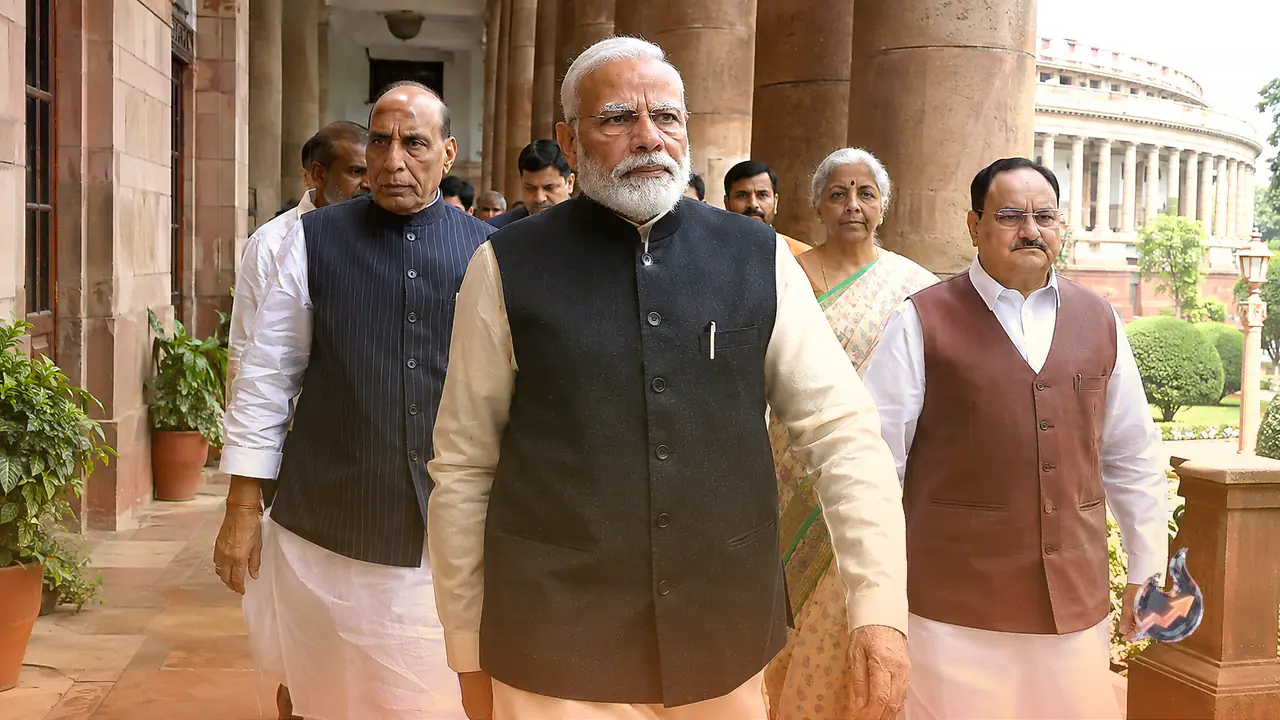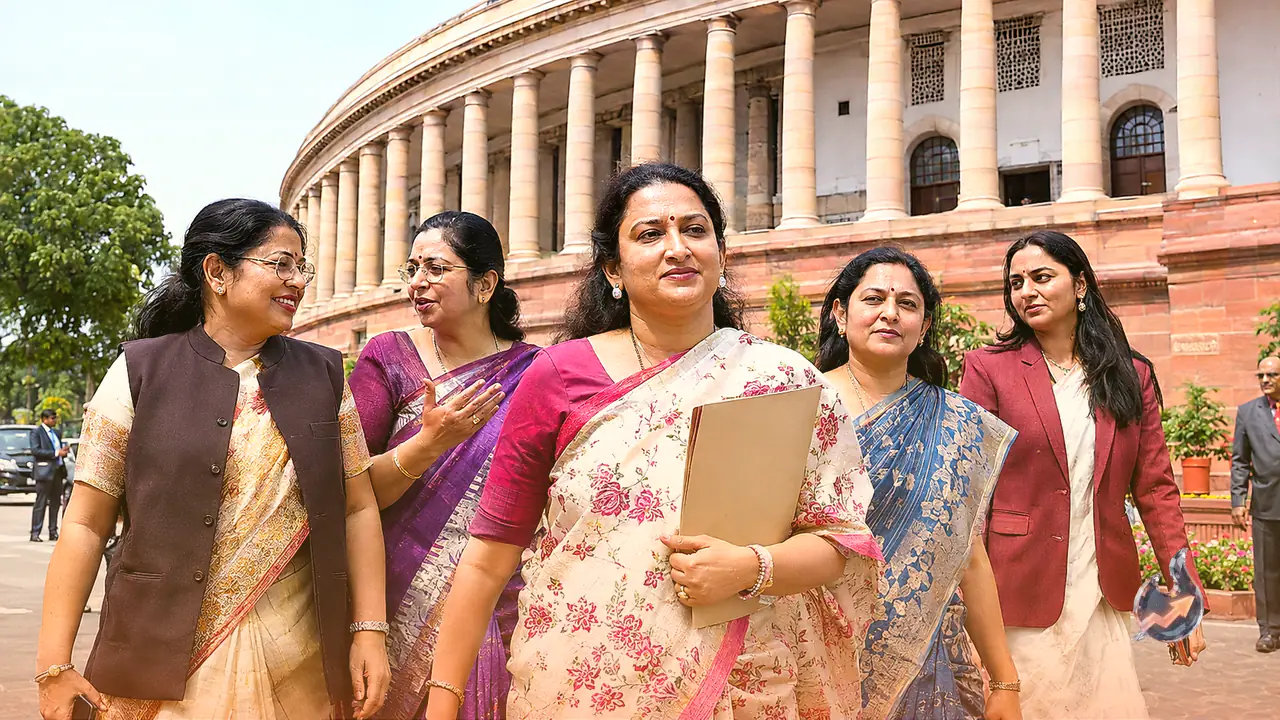

A high-stakes political confrontation is brewing as Parliament prepares for a four-day special session starting on November 30. The central government is widely expected to table a crucial constitutional amendment bill addressing delimitation and women's reservation during these proceedings. According to sources, the cabinet reviewed the draft and approved specific amendments aimed at ensuring no state suffers a reduction in its parliamentary seat share following the redrawing of constituencies. With fears mounting among southern states that population-control measures could penalize their representation, the revised framework seeks to bridge political divides that previously stalled the legislation during an earlier special session in April.
Schedule and Procedural Context of the Session
Union Parliamentary Affairs Minister Kiren Rijiju outlined the detailed schedule for the upcoming sitting. Legislative business will be conducted in the Lok Sabha on November 30 and December 1, followed by corresponding debates in the Rajya Sabha on December 2 and December 3. This sitting occurs exactly 105 days after the monsoon session was adjourned on August 13, marking an unusually long interlude between two halves of the same legislative session rather than constituting a fresh winter session. The unprecedented gap drew criticism from various quarters regarding parliamentary norms, prompting Rijiju to dismiss the objections by citing established precedents. He emphasized that the administration retains the prerogative to summon a special session for critical national legislative business, urging all political factions to ensure constructive debates rather than disruptive protests.
Opposition Mobilization and Strategic Concerns
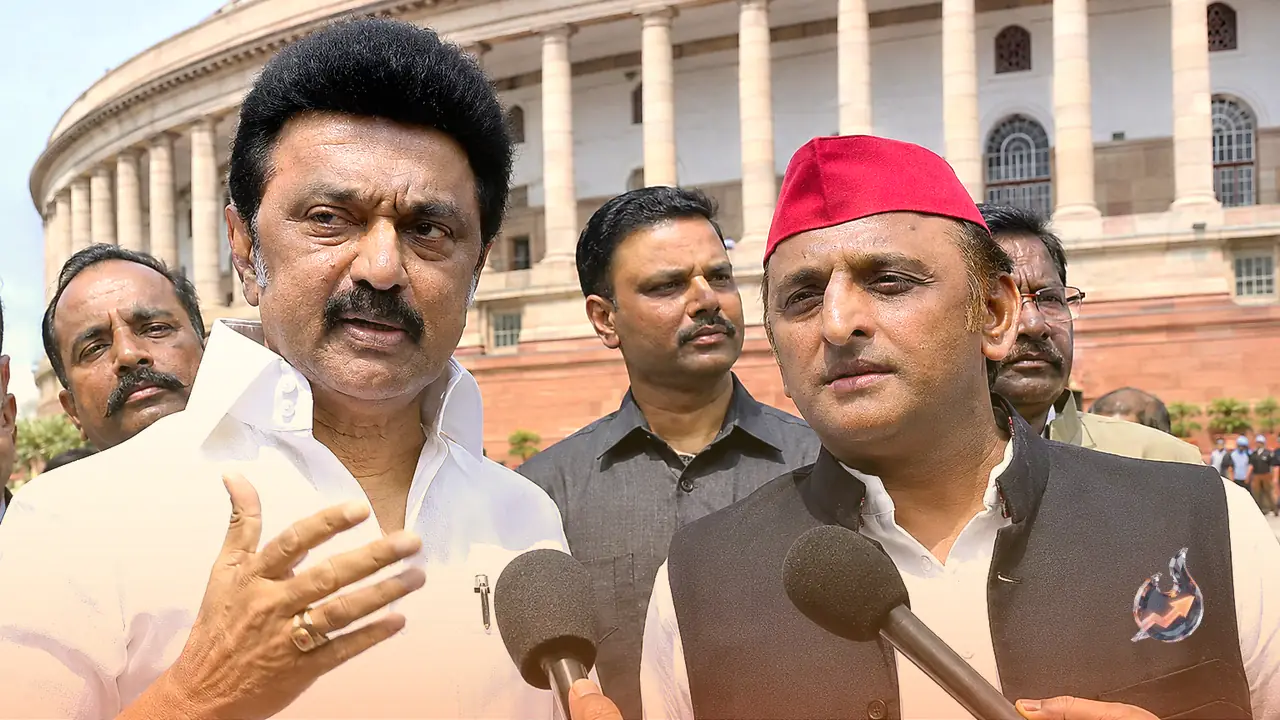
In response to the legislative agenda, opposition parties under the INDIA bloc umbrella have initiated counter-strategies. Rajya Sabha Leader of the Opposition Mallikarjun Kharge convened a crucial meeting of opposition leaders to map out a unified response. Senior Congress figures, including general secretary Jairam Ramesh and MP Gaurav Gogoi, criticized the administration, alleging an attempt to alter the foundational balance of federal representation under the guise of women's reservation. The opposition maintains that quotas for women should be implemented within the existing 543 Lok Sabha seats rather than being tied to an expanded house through contentious boundary adjustments. Samajwadi Party chief Akhilesh Yadav also weighed in, accusing the ruling party of utilizing the exercise to manipulate electoral dynamics in states like Uttar Pradesh amid shifting political grounds.
Regional Stances and Party Whips Issued
Regional players have emerged as pivotal voices in the unfolding debate. DMK leader and former Tamil Nadu Chief Minister M.K. Stalin reiterated two core demands: that Tamil Nadu's current 7.18 percent share of seats must not diminish under any circumstances, and that the proportional representation ratio based on the 1971 census must remain frozen for the next 25 years. While these safeguards remain absolute preconditions for regional support, the ruling alliance maintains that updating constituency boundaries is long overdue given population surges over recent decades. Meanwhile, coalition partners and regional outfits such as Shiv Sena (UBT) have issued strict whips directing all parliamentarians to be present in the national capital ahead of the session, setting the stage for intense parliamentary battles on the floor of both houses.