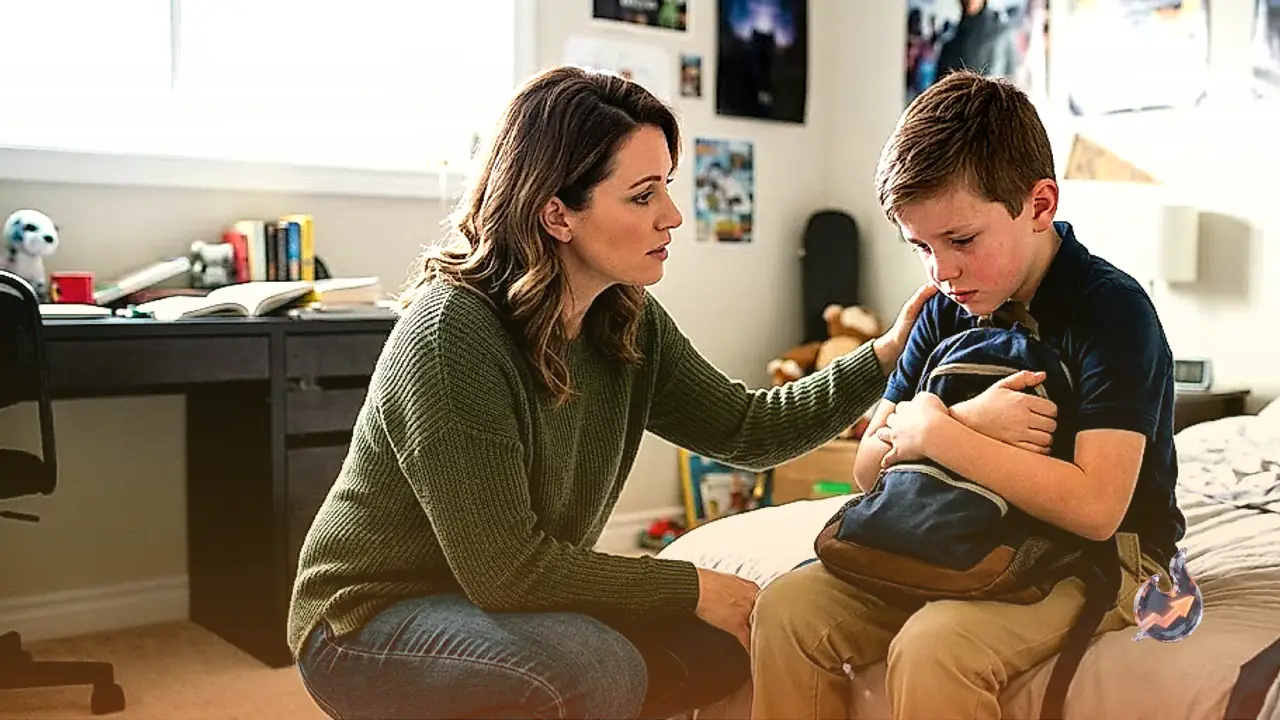
























Every parent wants a well behaved, disciplined child, but the methods many households use to get there may be doing more damage than good. A study that followed close to 7,500 children found that parents who frequently yelled at their three year olds saw those children face a 1.5 times higher risk of mental stress by the time they turned nine. A separate study covering more than 1.6 lakh children found that slapping or hitting made kids more talkative, more prone to anger and more stubborn. If any of the five disciplining habits below sound familiar in your own home, it may be time to rethink them.
Yelling every time something goes wrong
The moment a child slips up, many parents launch straight into shouting. It is true that a child will usually fall silent out of fear in that instant, but fear is not the same as learning. The child does not walk away understanding what they did wrong, instead they absorb the idea that making a mistake simply means facing an adult's anger. Over time this teaches children to hide things from their parents rather than come clean, and the emotional bond between parent and child gradually weakens.
Taking away screen time or outdoor play
Lines like "no more TV from now on" or "you are not going out to play" are a go-to punishment in many homes. Parents assume that withdrawing a favourite activity will straighten the child out. In reality, the child spends that time fixated on why their favourite thing was taken away, not on reflecting over what they actually did. Constantly restricting children this way tends to make them more rebellious, not more obedient.
Slapping or hitting as punishment
Many parents believe an occasional slap is necessary to keep a child in line. Fear of being hit may make a child comply in the moment, but it never helps them understand why their action was wrong, it only teaches them to fear pain. Doctors point out that physical punishment builds up anger inside children. Bruises on the body heal within days, but the wounds it leaves on a child's mind can stay for a lifetime.
Taunting or shaming a child
Phrases such as "you'll never amount to anything" or "you are so lazy" completely shatter a child's confidence when they are used repeatedly. Children start believing these labels are true and simply stop trying. They learn to bottle up their feelings instead of expressing them. Making a child feel inferior is not a way to raise a good human being.
Nagging around the clock
"Why are your shoes lying there?", "When will you finish your homework?", "Clean up your room!", when the same lines play on a loop from morning to night like a broken tape recorder, children eventually tune them out completely. The words stop carrying any weight for them. Rather than learning responsibility, children start avoiding their parents and everything they say.
What discipline should actually look like
Real discipline is not about instilling fear in a child, it is about helping them understand right from wrong. Parents are better served explaining exactly what harm a particular mistake caused. When a child understands their error without being afraid, the change happens from within, and it lasts. Staying calm in the heat of the moment, when a child has just tested every last nerve, is genuinely hard. But speaking with a level head instead of shouting means a child does not just obey, they actually understand.