




















There is no fixed rulebook for raising children. Most parents simply learn as they go, drawing on their own experience, their families and the people around them. And often the most useful advice comes not from a parenting guide but from another culture altogether. That is exactly what happened with Kensia Kala, who grew up in Europe. After marrying an Indian and becoming a mother, she moved to India and slowly settled into everyday life here.
Kensia says she never imagined that Indian traditions would become such a big part of her family's daily routine. But over time she adopted a few habits common to Indian mothers, and they ended up deepening her bond with her children. The experiences she shared on Instagram are now being widely discussed by parents around the world. Her story is a simple reminder that good parenting does not belong to any one country or culture.
How Indian Traditions Shifted Her Perspective
Kensia recalls that when she first arrived in India, many local parenting habits felt new and unfamiliar to her. But with time she realised that behind these small traditions lay deep emotions and a strong sense of family. In her view, what matters in raising a child is not which country a method comes from, but how well it actually works for your family.
1. Co-Sleeping Built a Deeper Emotional Bond
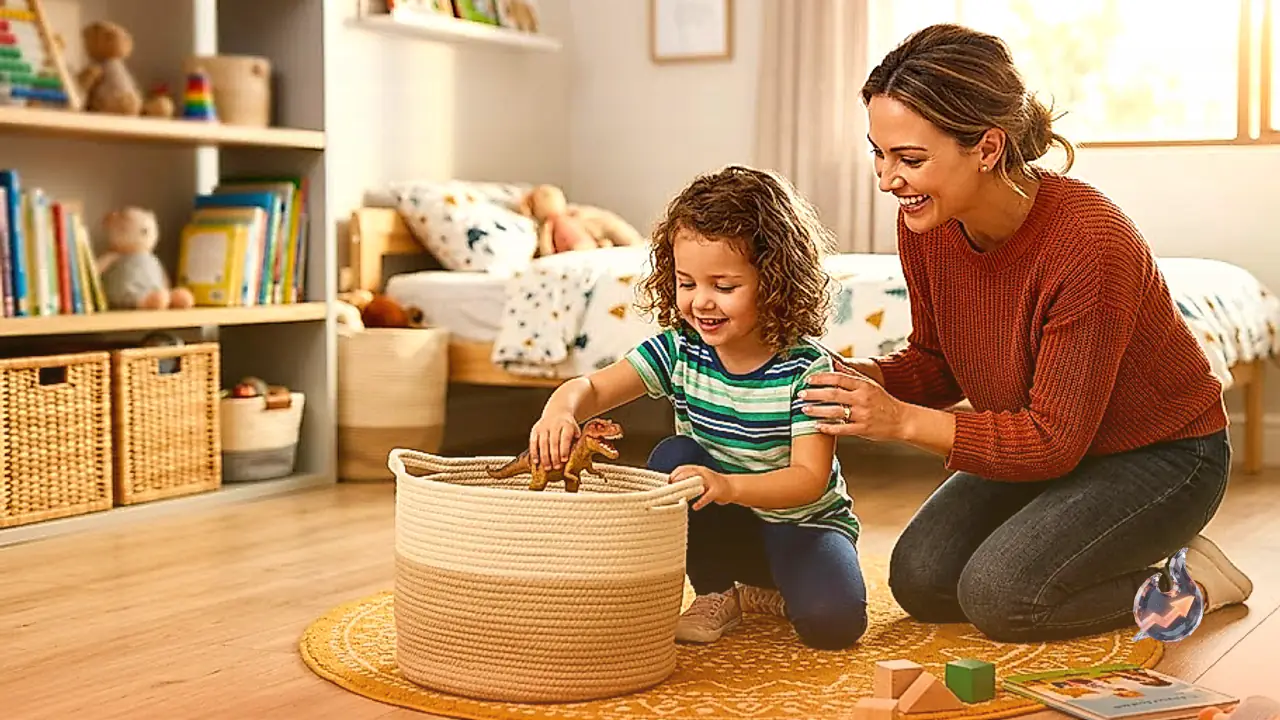
In Europe, children usually move into their own room within the first few years. Kensia grew up with that mindset too, but motherhood changed her opinion. She explains that sharing a bed with her baby made breastfeeding easier in the early days and made it simpler to respond to the child's needs at night. Most of all, it deepened the emotional bond between mother and child. That said, experts also advise that safety must be a priority when co-sleeping, so that the baby's sleeping environment stays completely secure.
2. Oil Massage, Care for the Baby and a Family That Comes Together
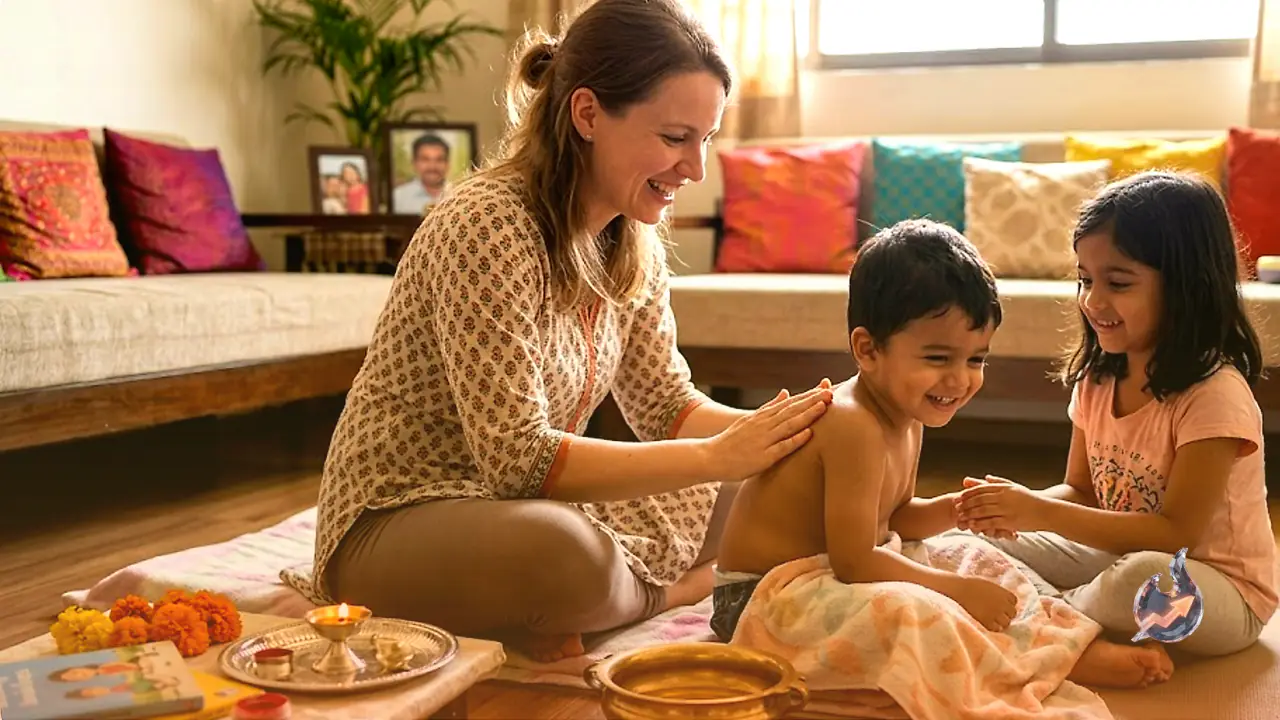
Massaging a newborn with oil is a long-standing tradition in Indian homes, and Kensia took to it right away. She says oil massage is not just a way of caring for the baby but an experience that brings the whole family together. The involvement of grandmothers, in particular, becomes a source of emotional support for a new mother. These small moments spent with the child, she says, eventually turn into beautiful memories. At a time when joint families are steadily shrinking, this tradition works to bring family members closer.
3. The Identity and Roots Carried in a Name
Choosing a child's name is treated as a special process in Indian families. Many parents weigh its meaning, its culture and their family values before deciding. Kensia loved this idea. She chose Indian names for her children because she felt names are far more than just identity tags, they carry history, tradition and a family's story with them. According to her, the meanings hidden in a name help keep children connected to their roots.
4. A Birthday for the Child, and for the Mother Too
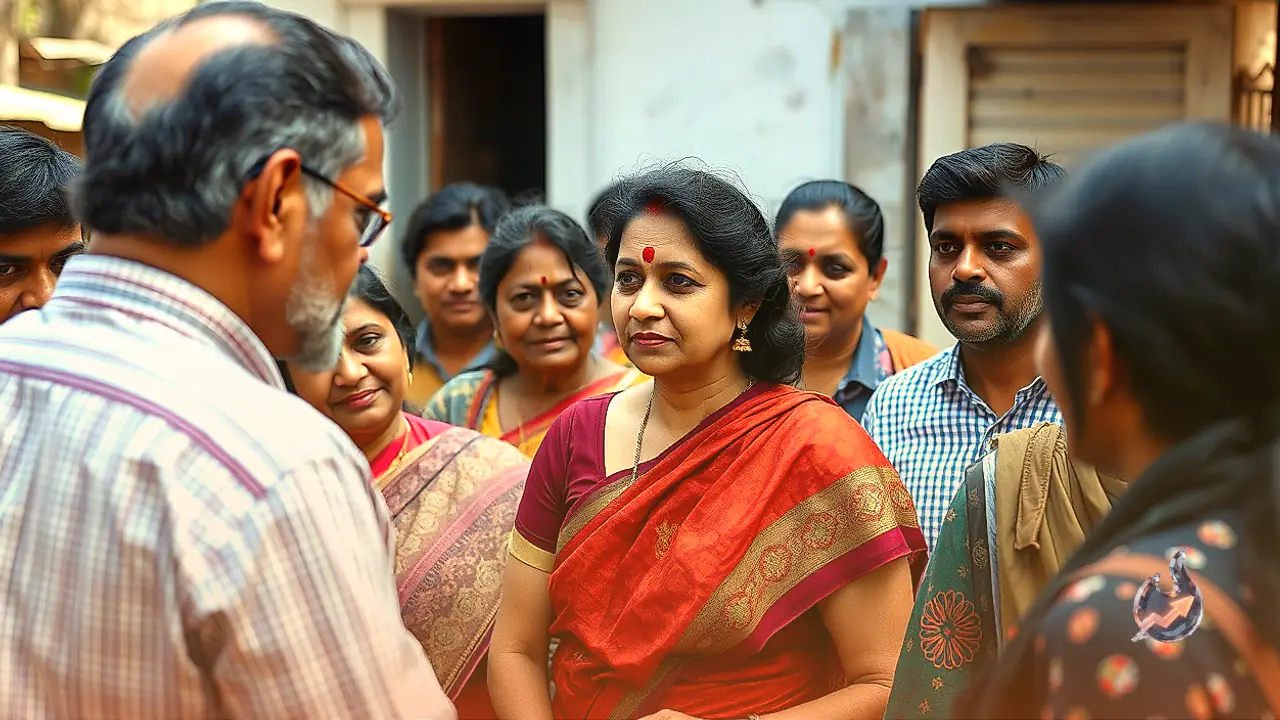
Another thing about Indian mothers left an impression on Kensia. She noticed that many of them wear a saree or traditional clothes on their children's birthdays. This, she says, conveys that the child's birthday is just as special a day for the mother as it is for the child. Now she too likes to wear a saree on her children's birthdays. Such small rituals, she believes, make a family's happiest moments even more memorable.
An Open Mind Is the Real Secret to Parenting
Kensia's story is not a contest between Indian and European parenting. It simply shows that every culture holds certain practices that can make raising children better. An oil massage, a meaningful name, nights spent beside the child or traditional clothes for a special occasion may all seem like small things, but these are the very moments that become a child's fondest memories. Kensia believes the traditions she borrowed from India have now become a defining part of her own family's identity.