























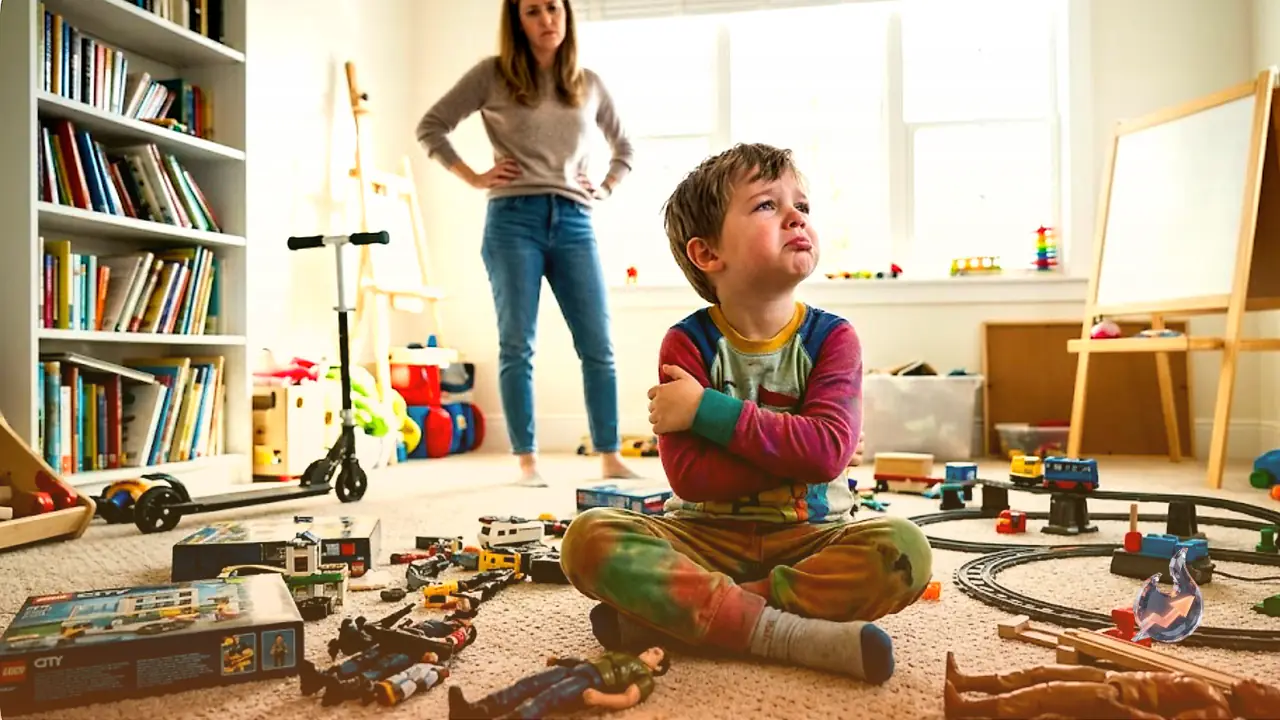

Every parent's deepest wish is for their child to be happy and free from hardship. It is this instinct that drives most parents to say yes without hesitation whenever a child asks for a new toy, a mobile phone, specific clothes, or a meal at their favourite restaurant. The reasoning feels simple: giving children what they want is an act of love.
Parenting experts, however, take a very different view. They argue that fulfilling a child's every wish is not always a kindness, and that doing so consistently can have a serious negative impact on a child's temperament and long-term prospects. If you recognise this pattern in your own parenting, here are four significant downsides to keep in mind.
Children Never Learn to Wait
When a child receives everything they ask for immediately and without effort, they never develop the capacity for patience. A firm belief takes root in their mind that every desire should be satisfied right now, on demand. Life, of course, rarely cooperates with that expectation. Children who have never been made to wait often grow up to become easily frustrated and quick to anger when even minor things do not go their way. The ability to tolerate delay is a skill, and it has to be learned.
The Value of Hard Work and Responsibility Goes Unlearned
When things arrive without any effort on a child's part, they never grasp that achieving something meaningful in life requires work and a willingness to take responsibility. Children in this situation tend not to take their tasks seriously, and they frequently look for ways to sidestep even small obligations. Over time their capacity for self-reliance can erode significantly, leaving them poorly equipped for the demands of adult life.
Empathy for Others Becomes Difficult
A child whose every demand is consistently met begins to operate on the assumption that their own needs and desires are the most important things in any situation. This makes it genuinely hard for them to recognise or care about the feelings and needs of people around them. Stubborn and self-centred behaviour is a common outcome. These children tend to approach every situation looking for personal advantage, and compromising or cooperating with others can feel like a foreign concept to them.
They Stop Valuing What They Have
Things that come without effort are rarely treasured. When children receive new things every time they make a request, they fail to appreciate the true worth of what they own. The sense of satisfaction that comes from earning something or waiting for it simply never develops. Instead, they find themselves perpetually wanting the next new thing, in a cycle of desire that is never really satisfied.
What Good Parenting Actually Requires
Experts are clear that keeping a child happy does not mean agreeing to every request they make. Teaching them to distinguish right from wrong, occasionally asking them to wait, helping them understand why effort matters, and encouraging them to take on responsibilities are all investments in a better future for that child. Genuine good parenting is the combination of warmth and love with consistent discipline and clear, firm boundaries.