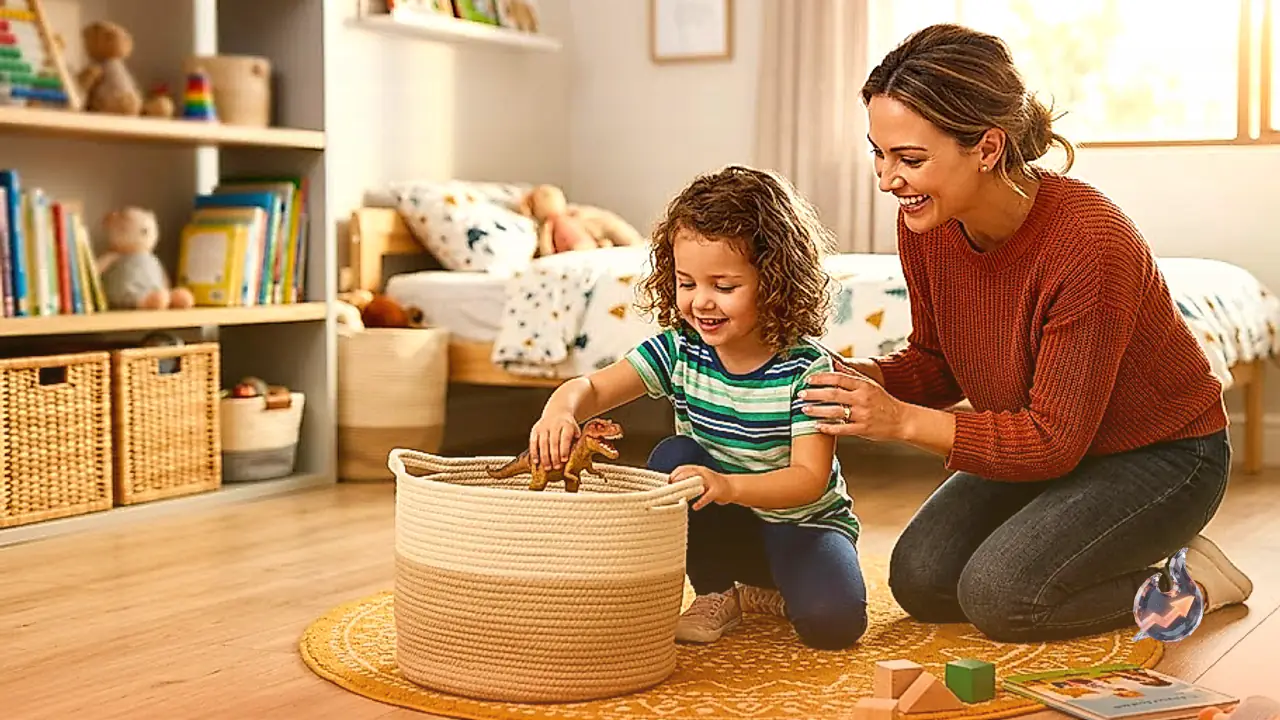























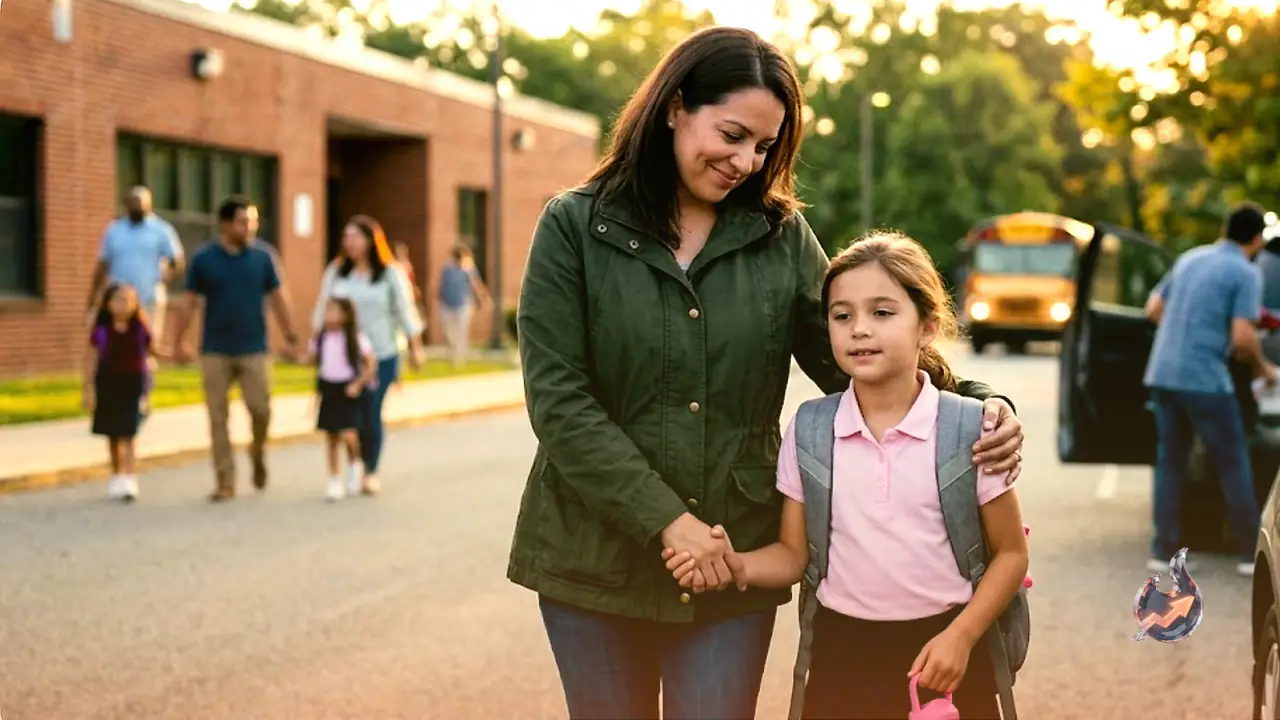

Somewhere between two and three in the afternoon, the same scene plays out in most homes with school going children. A bus honks outside, a child walks in with a heavy backpack, and before the shoes are even off, a volley of questions greets them at the door. Parents mean well, firing off questions the moment a child steps in feels like affection and attentiveness. But child psychologists say this instinct can do the opposite of what parents intend, quietly chipping away at a child's confidence and pushing them to withdraw.
Asking about lessons the moment they walk in creates pressure
A child spends six to seven hours at school under discipline, lessons and mental exertion. When the very first thing they hear at home is a question like what was taught in class today, an already tired mind carries an extra load. Psychologist Dr. Ananya Sharma says that when parents jump straight into questions about studies or performance as soon as a child returns from school, the child starts to feel valued only as a student, not as a child. According to her, this can feel like an interrogation, making the child mentally defensive and less willing to open up to parents.
Questions about complaints or fights damage trust
Another common mistake is that parents rush to settle their own doubts the second a child walks in. If the child looks a little quiet, parents often jump straight to asking whether there was a complaint against them or a fight with someone at school. Repeating such questions again and again hurts a child's self esteem. Child behaviour expert Rahul Verma explains that asking about something negative or a mistake right at the doorway plants a kind of fear in the child. The child begins to feel judged even at home. The result is that the child slowly starts hiding mistakes and troubles from parents, confidence takes a hit, and the child appears withdrawn.
Nagging over an unfinished tiffin box is also a mistake
In most Indian households, a mother's favourite question is why the tiffin box did not come back empty. But consider this, the child has come home tired after a full day, and instead of a hug, the first thing they hear is a complaint about the untouched food. Food matters, of course, but the first 30 minutes after a child returns from school should be reserved purely for their mental comfort. Scolding or questioning a child over an unfinished tiffin right away makes them irritable, and they start feeling that an empty tiffin box matters more to parents than their own appetite. This small habit quietly widens the communication gap between parent and child.
What repeated questioning does to a child over time
According to psychologists, firing interrogation style questions the moment a child returns from school is rarely a one off habit, it becomes a daily routine. Over time, this routine builds hesitation and distance between parent and child. The child starts believing that coming home also means facing a kind of test, whether about studies or behaviour. As a result, they stop sharing small joys, an interesting incident from school, or their own worries with parents, and gradually begin keeping things to themselves.
Parents can follow the golden half hour rule instead
So what should parents actually do? Experts suggest turning the first thirty minutes after a child returns from school into a completely question free zone. During this window, the child should receive warmth and comfort instead of questions. A few simple steps can help:
- A smile and a warm hug: the moment the child walks in, greet them with a smile, hug them, and tell them how good it feels to see them.
- Change both the tone and the topic: instead of jumping straight to studies, let the child wash up and settle down first.
- Let the child speak first: once the child feels relaxed and wants to share something on their own, listen with full attention.
Experts believe home should be the safest, most stress free place for a child. When a child receives unconditional love and acceptance at home, lost confidence does not just return, the child also starts sharing every little detail of their day on their own.