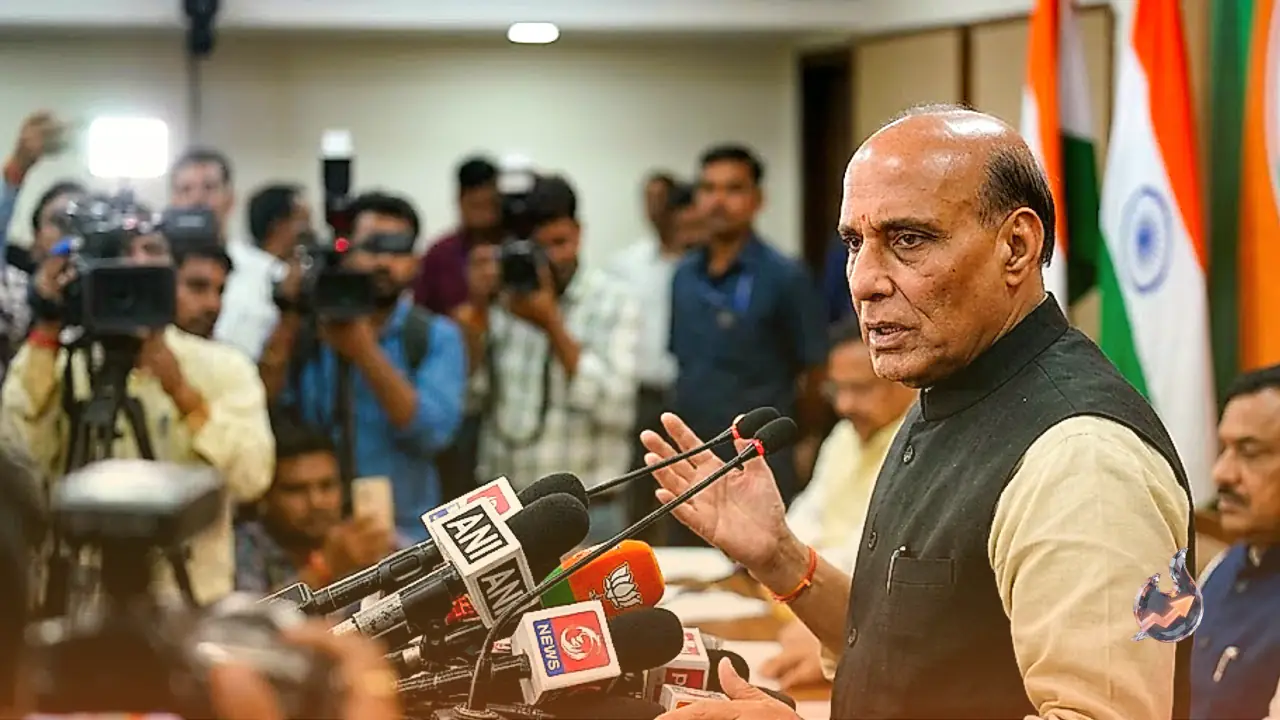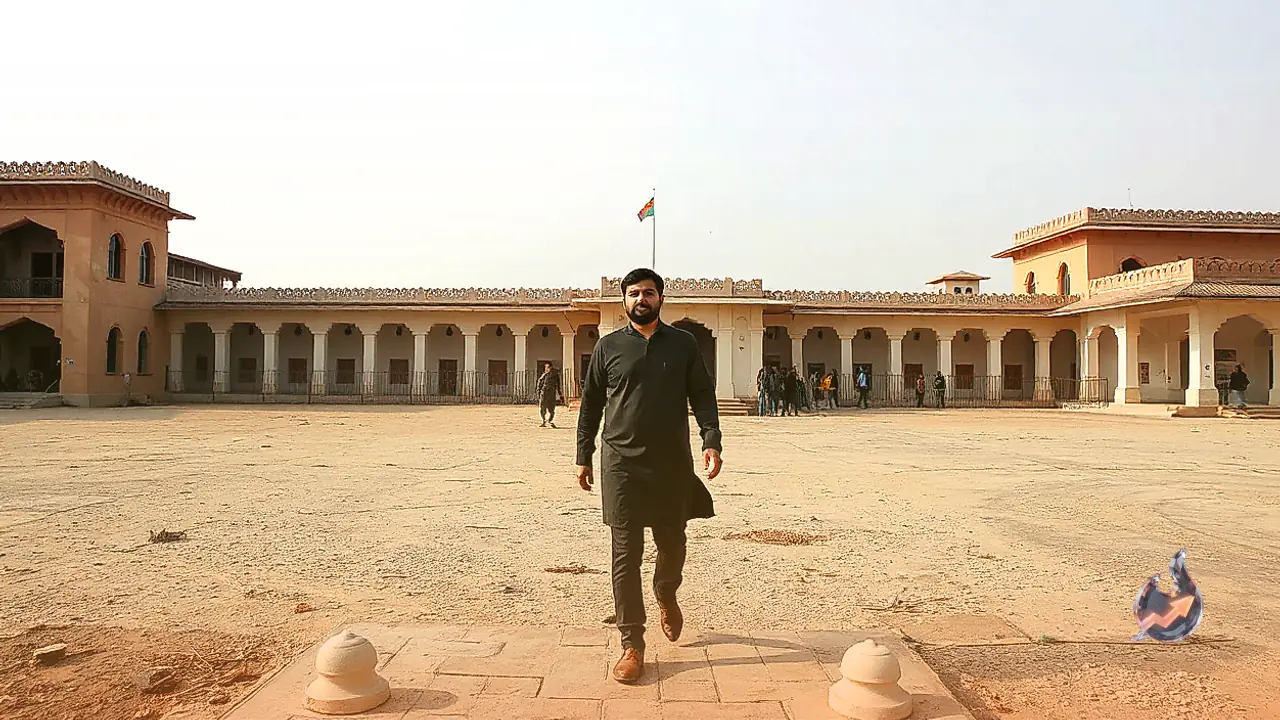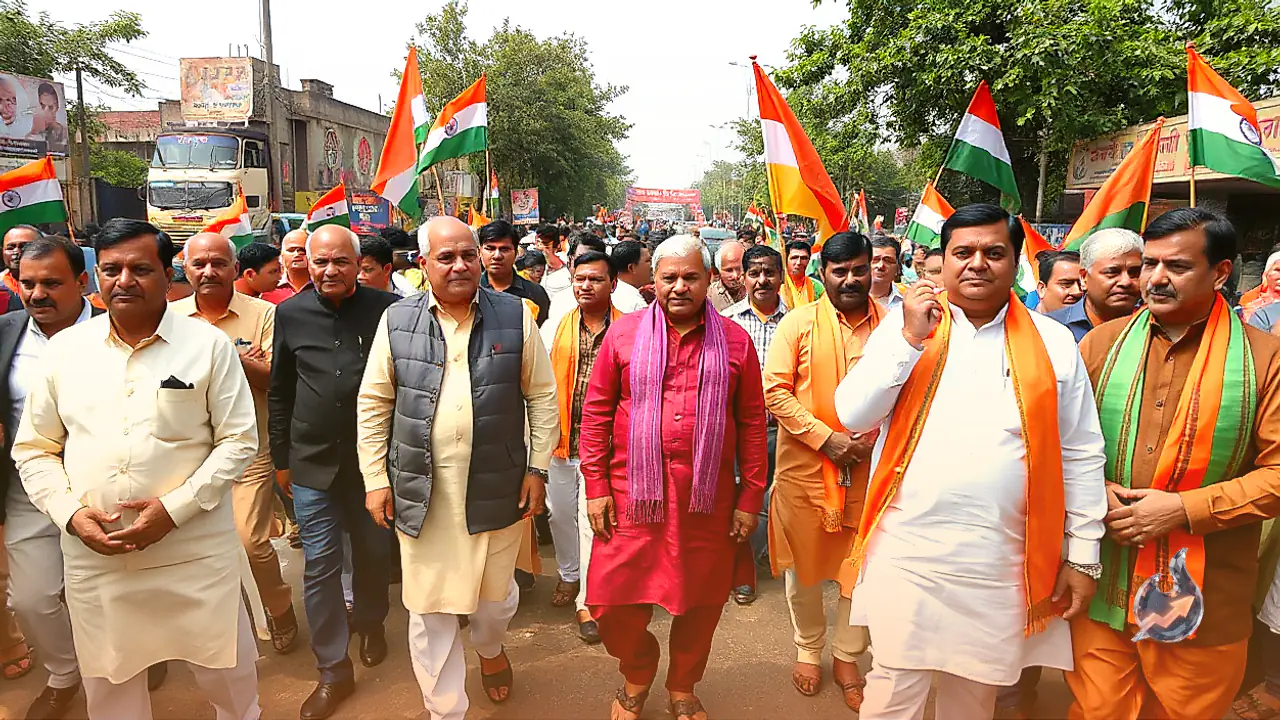




















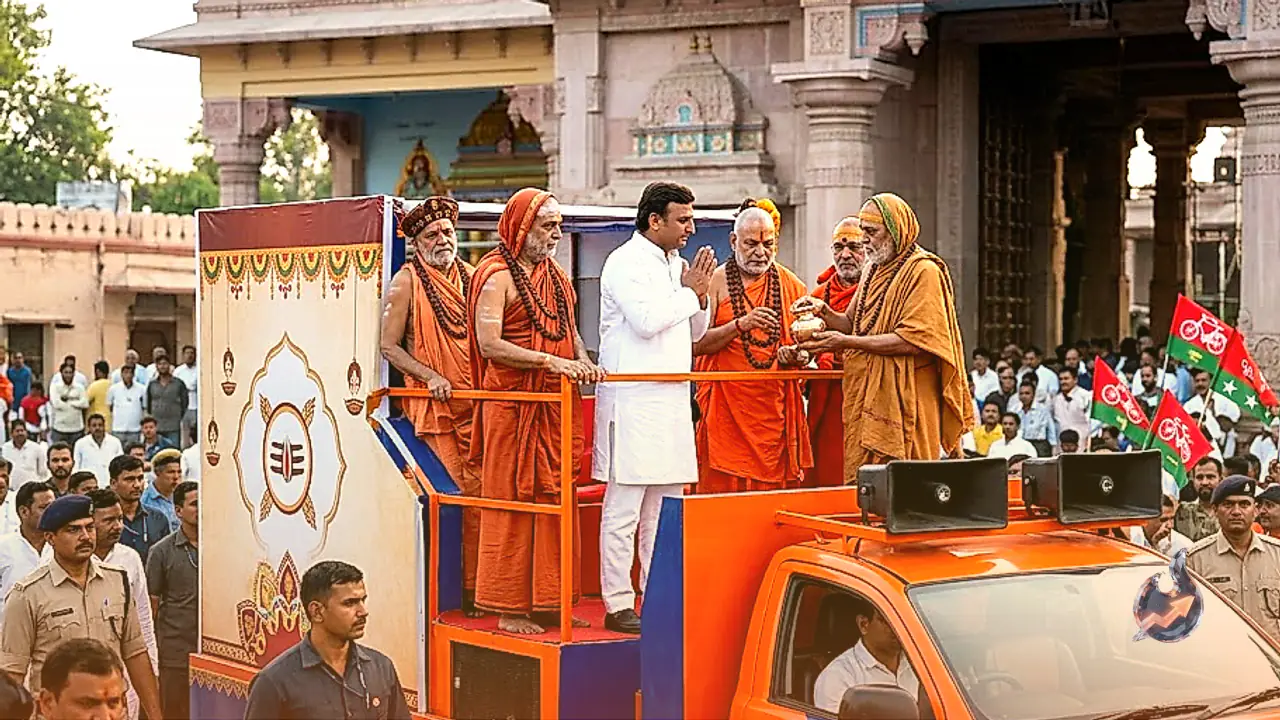

Uttar Pradesh has not officially announced dates for the 2027 assembly election, but political parties are already laying out their strategies with less than 10 months left on the clock. In this race to lock down vote banks, Samajwadi Party chief Akhilesh Yadav is preparing to revive the rath yatra playbook, this time with a twist. His PDA rath yatra will begin from the Kedareshwar temple he built in Etawah, in the presence of all four Shankaracharyas, signalling that Akhilesh Yadav is now pairing his PDA (backward classes, Dalits, minorities) outreach with a dose of soft Hindutva.
A yatra aimed at all 403 seats, likely to launch in September
The Samajwadi Party has decided to roll out a PDA yatra covering all 403 assembly seats in the state. According to party sources, this grand rath yatra could begin in September, though an official date is yet to be announced. Political circles are abuzz with speculation over where the yatra will start and what shape it will take. Indications suggest Akhilesh Yadav will launch it from his home district of Etawah, a place tied to his political roots and home to a grand temple he had built himself.
Launch from Kedareshwar temple, with blessings of four Shankaracharyas
Sources say the rath yatra could be flagged off from the Kedareshwar temple complex in Etawah, built by Akhilesh Yadav, in the presence and with the blessings of all four Shankaracharyas. This is a clear signal that Akhilesh Yadav intends to openly embrace soft Hindutva politics this election cycle. The party wants to project a religious, faith driven face alongside its PDA social arithmetic, aiming to convince Hindu voters that the Samajwadi Party is not opposed to Sanatan traditions.
Opposition activism after the Ram temple controversy
Ever since allegations surfaced of theft from the donation box at the Ram temple in Ayodhya, along with the controversies that followed, the entire opposition, especially the Samajwadi Party, has been trying to project itself as the biggest devotee of Lord Ram and the true custodian of Sanatan values. Akhilesh Yadav's decision to launch the yatra from the Kedareshwar temple is seen as a key part of this larger strategy. Party spokespersons Ameeq Jamai and Fakhrul Hasan Chand have also been pushing this narrative, working to carry the party's PDA vision and its stance on Hindutva to the public.
Congress banks on Samajwadi Party's shoulders
Akhilesh Yadav's election campaign and the upcoming rath yatra are getting full backing from alliance partner Congress. That is because Congress currently has almost no grassroots organisation of its own in Uttar Pradesh, so the party is leaning on the Samajwadi Party's stronger structure to try and rebuild its lost support base. Congress spokesperson Sachin Rawat has welcomed the Samajwadi Party's yatra, sending out a message of unity within the alliance.
BJP hits back: people haven't forgotten mafia raj
The ruling Bharatiya Janata Party has hit back hard at the Samajwadi Party's rath yatra and its soft Hindutva strategy. UP BJP's chief spokesperson Dinesh Pratap Singh and Israr Ahmed, general secretary of the party's minority wing, said that no matter how many temples Akhilesh Yadav visits or how many rath yatras he takes out, the people of Uttar Pradesh have not forgotten the mafia raj and lawlessness that existed before 2017. The BJP claims voters will not fall for these showy yatras.
According to a report by PTC's Amit Kumar Singh, the political tussle in Uttar Pradesh has now come out into the open, with the ruling party and the opposition squarely facing off against each other. But in a democracy, it is the voter who is the shrewdest player of all, quietly watching every move without revealing their hand until the very last moment. It remains to be seen how much impact Akhilesh Yadav's new political gambit ends up having on the electoral battlefield.
What makes the Kedareshwar temple special
The Kedareshwar Mahadev temple, built on the banks of the Yamuna in Etawah, Uttar Pradesh, came up on Akhilesh Yadav's initiative. Its biggest distinction lies in its traditional construction style, which uses jaggery, gram and banana paste instead of iron or cement. The temple is embedded with a sacred Shaligram stone brought from Nepal and special stones sourced from Tamil Nadu. Its main structure closely resembles the Kedarnath Dham in Uttarakhand, while the entire complex draws inspiration from the Brihadeeswarar temple in Thanjavur, Tamil Nadu. It has been built specifically along the Shiva Shakti axis line, and the height of its sanctum sanctorum has been kept just one inch shorter than Kedarnath, at 84 feet. Special priests brought in from Tamil Nadu conduct worship here, and the temple complex also houses an idol of Lord Shri Ram in his child form.