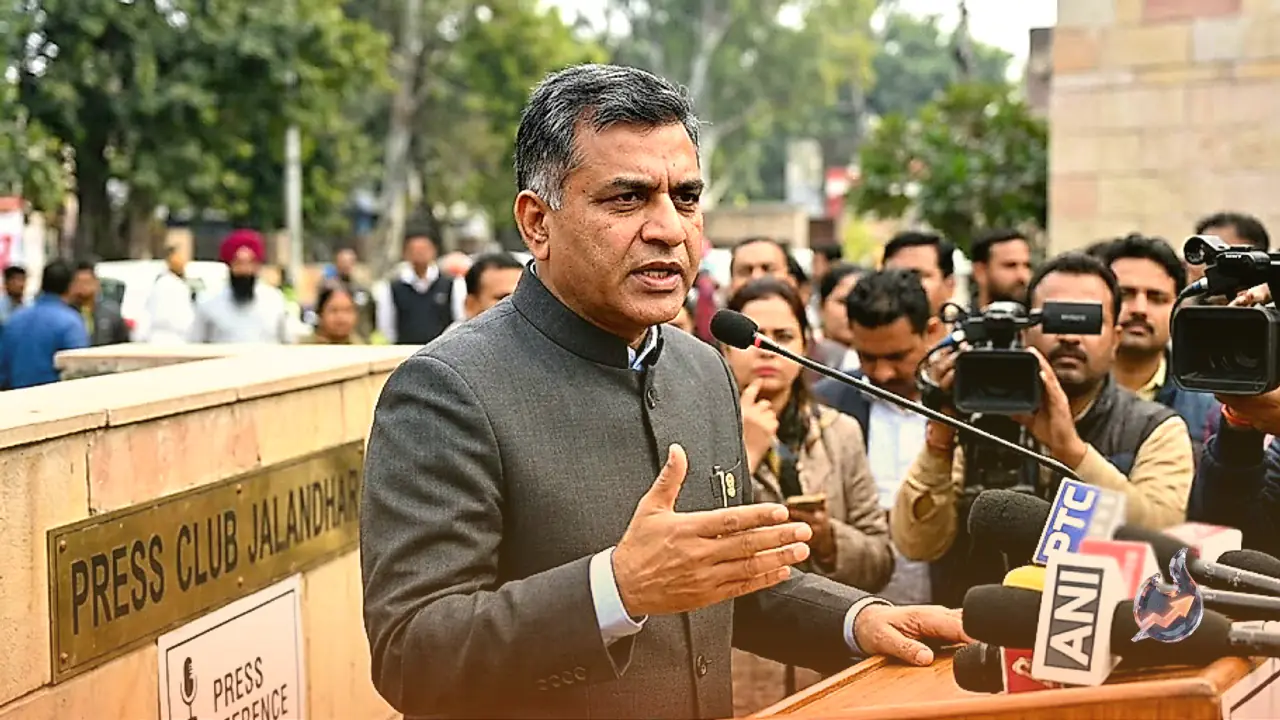
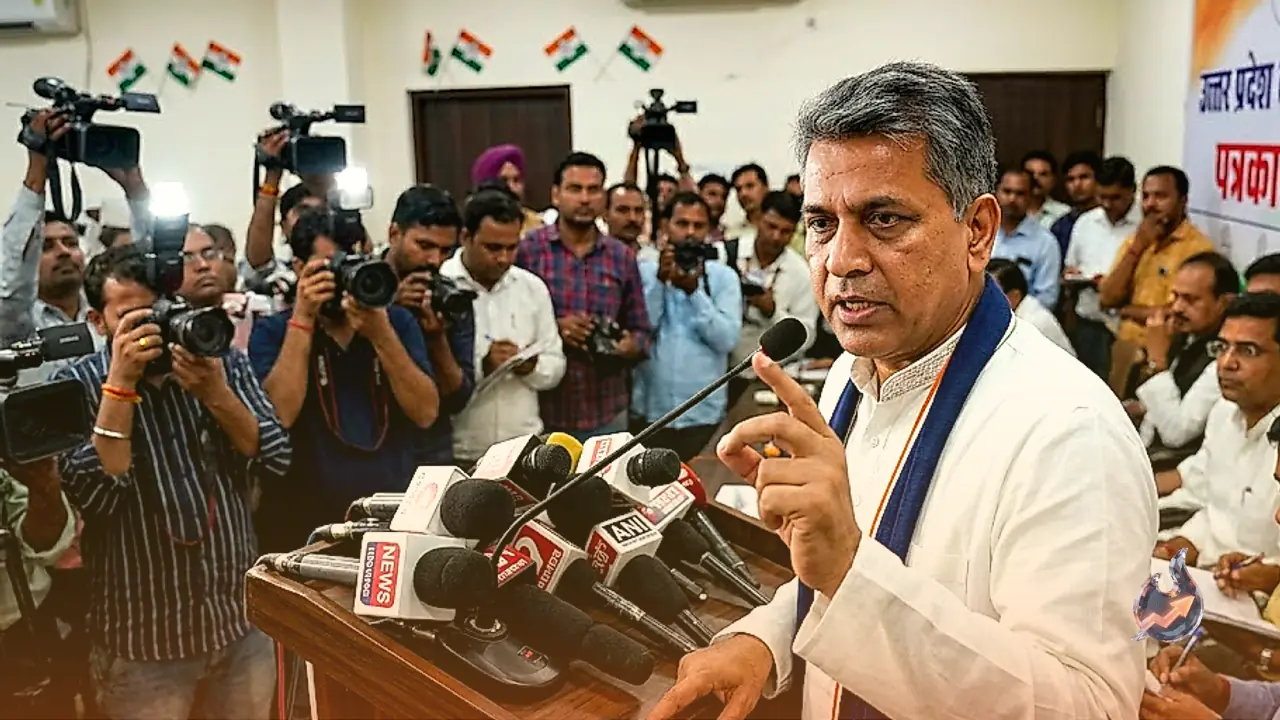



















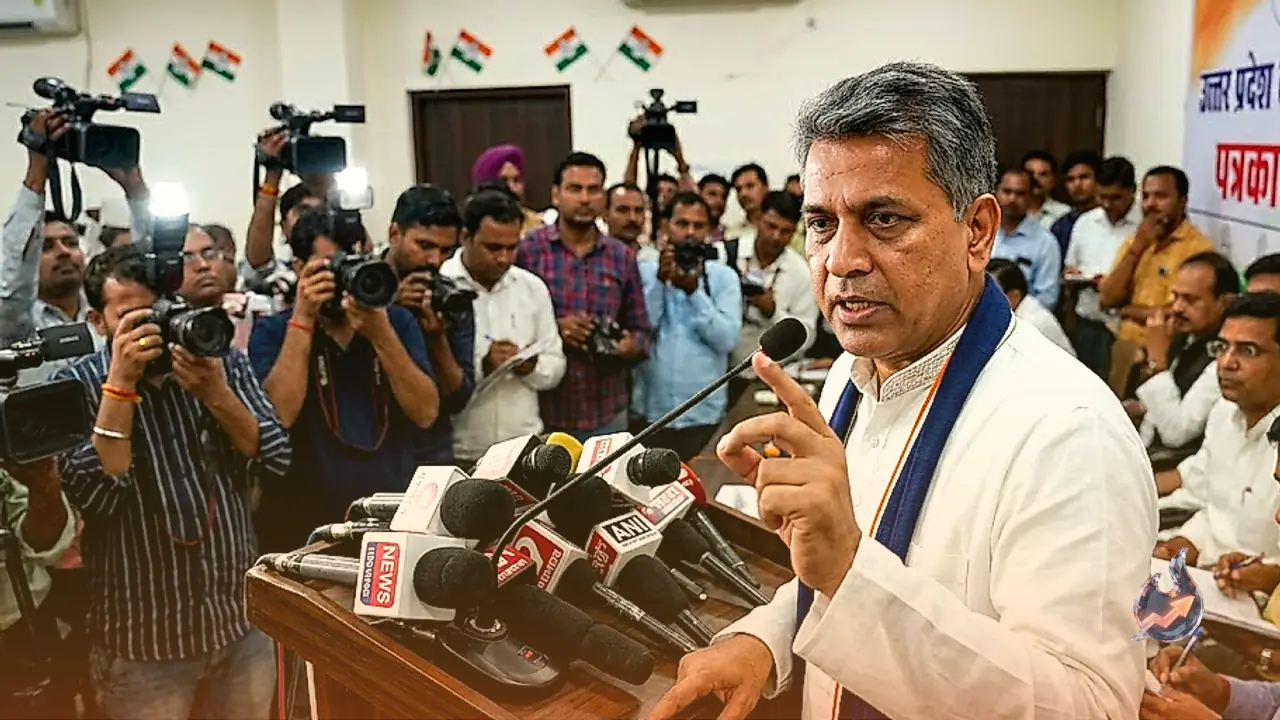

Political maneuvering for the upcoming 2027 Uttar Pradesh legislative assembly elections has gained early momentum within the opposition camp. The Congress party has taken a firm public stance regarding its share in the proposed seat-sharing arrangement with the Samajwadi Party. Congress state in-charge Rajendra Pal Gautam stated that organisational preparations are actively underway across all 403 assembly constituencies, asserting that the party will not contest fewer than 150 seats in the state. Furthermore, he outlined that the seat-sharing negotiations should be finalized within the month of October.
This ambitious posture from the Congress camp introduces a fresh set of complications for the Samajwadi Party leadership under Akhilesh Yadav. While the statement attempts to put an end to prevailing speculation regarding whether the alliance will move forward, the demand for 150 constituencies significantly narrows the negotiating room between both regional allies. Gautam underlined that the party maintains strong, viable contenders across every single seat, ensuring that their grassroots apparatus remains fully primed for the electoral contest.
October Target Date And Top Leadership Involvement
Outlining the immediate schedule, Rajendra Pal Gautam stated that discussions concerning the distribution of constituencies will be carried out and concluded in October. The objective remains to finalize all seat allocations within that single month to provide clarity to prospective candidates. Organisational machinery is being activated across all 403 constituencies because, according to him, party workers must also be equipped to campaign effectively for candidates fielded by their alliance partner, the Samajwadi Party.
Gautam also noted that for the past two months, senior Congress leaders including Rahul Gandhi, party president Mallikarjun Kharge, Priyanka Gandhi Vadra, KC Venugopal, and Gautam himself have been steadily reviewing ground-level formulas for Uttar Pradesh. The core rationale put forward by Congress rests on an argument for equal 50-50 partnership under the INDIA alliance framework in the state, which makes settling for anything under 150 seats an unacceptable proposition for the state unit.
Criticism Directed At The Election Commission
Beyond seat discussions, the Congress in-charge launched sharp criticism at the central government and the functioning of the Election Commission of India. Raising questions regarding the integrity of the polling process, Gautam expressed deep concern over the protection of voters' rights and the future of constitutional democracy.
Targeting the ruling Bharatiya Janata Party, Gautam questioned whether ballots cast by ordinary citizens are accurately recorded in favor of the candidates they support. He remarked upon the institutional independence of the poll body, asserting that an institution constitutionally tasked with delivering free and fair elections must operate entirely without bias toward the ruling establishment.
Electoral Complexities And Historical Precedents
The condition stipulating a minimum threshold of 150 seats could present a serious hurdle for negotiations, given that the Samajwadi Party is reportedly hesitant to yield more than 60 to 80 constituencies. As the primary opposition force in Uttar Pradesh, the Samajwadi Party asserts considerable influence across both eastern and western belts of the state. Pushing for closure on seat allocations by October 2026 indicates an eagerness on the part of Congress to resolve tactical disputes well before the election cycle peaks.
The current assertiveness is bolstered by the 2024 parliamentary elections, where the joint campaign of Congress and the Samajwadi Party handed significant setbacks to the Bharatiya Janata Party across Uttar Pradesh. Nevertheless, previous electoral pacts offer a cautionary tale: in the 2017 assembly elections, when the two parties contested in partnership, the Samajwadi Party secured just 47 seats while Congress won a mere 7. Whether Akhilesh Yadav accepts the 150-seat prerequisite or both parties negotiate a compromise formula will be decided in the forthcoming deliberations scheduled for October.