




















The Baloch Liberation Army (BLA), an armed separatist group operating in Balochistan, has restructured its leadership hierarchy by appointing Rahman Gul as its new Commander-in-Chief. This operational shift has drawn widespread attention because Gul is a former officer of the Pakistan Army. Having resigned from military service to join the insurgent cause, he steadily rose through the organization's command structure. Security analysts view his elevation as a significant development amidst the ongoing armed conflict between Pakistani security forces and Baloch insurgents in the region.
From Pakistan Army Officer to Insurgent Chief
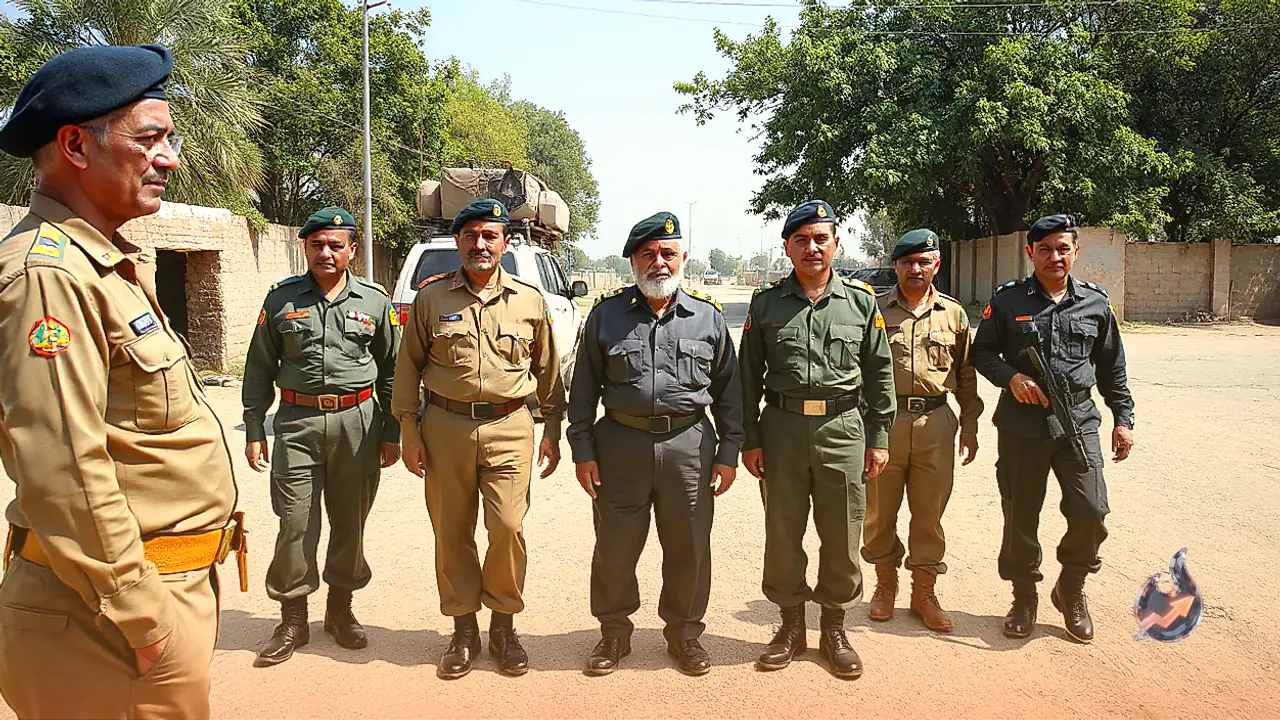
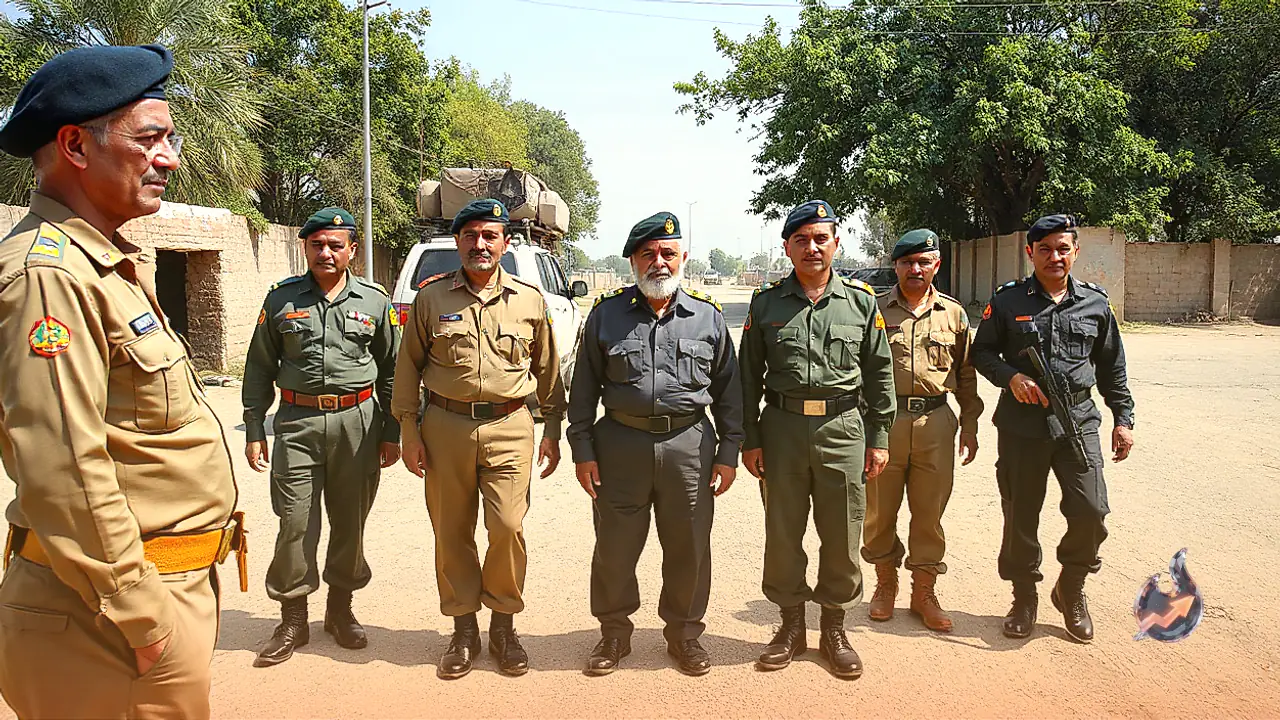
Rahman Gul hails from the Noshki district in Balochistan and belongs to a prominent Mengal family. Prior to joining the insurgent movement, he served as a commissioned officer in the Pakistan Army, holding the rank of Captain in the 19th Frontier Force Regiment. During his tenure in the armed forces, Gul acquired specialized training in military tactics, defense architecture, and operational logistics. Following his resignation from the military, he formally aligned himself with the Baloch separatist cause, where he assumed the aliases 'Ustad Mureed' and 'Mureed Baloch'. Leveraging his professional background, Gul rapidly climbed the organization's ranks, serving as the second-in-command prior to his latest appointment as top chief.
Training the Majeed Brigade and Tactical Operations
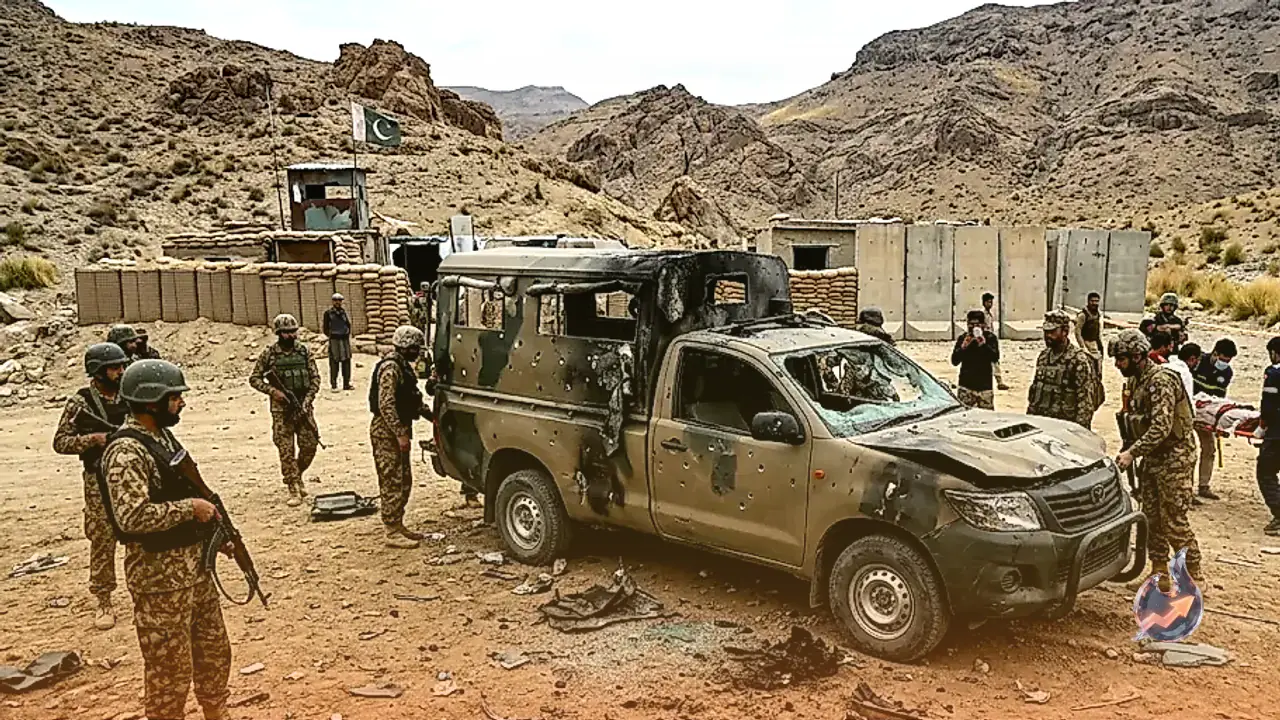
Within the operational framework of the BLA, Gul played a central role in strengthening the group's combat capabilities, particularly through his work with the Majeed Brigade. He served as the primary operational trainer for this specialized wing, which is responsible for executing high-profile suicide missions and complex tactical raids. Over recent years, the Majeed Brigade has launched numerous coordinated attacks targeting Pakistani military personnel, vital infrastructure, and foreign strategic interests across Balochistan and other parts of the country. Having a former regular army officer train this specialized unit significantly impacted the tactical precision and sophistication of the group's offensive actions.
Strategic Implications for Pakistan's Military Establishment
Defense and security experts emphasize that Gul's military background gives the BLA access to critical internal knowledge regarding the Pakistan Army's operational protocols, intelligence gathering methods, and tactical vulnerabilities. In counter-insurgency warfare, insider familiarity with the state army's doctrine provides a distinct strategic edge to rebel forces. Analysts point out that Gul's understanding of military deployment strategies could enhance the BLA's ability to evade security operations and execute counter-measures. However, experts also note that while leadership by a former military captain offers tactical advantages, the long-term impact on the BLA's overall combat efficiency remains to be evaluated through upcoming ground developments.
Origins of BLA and the Roots of Conflict
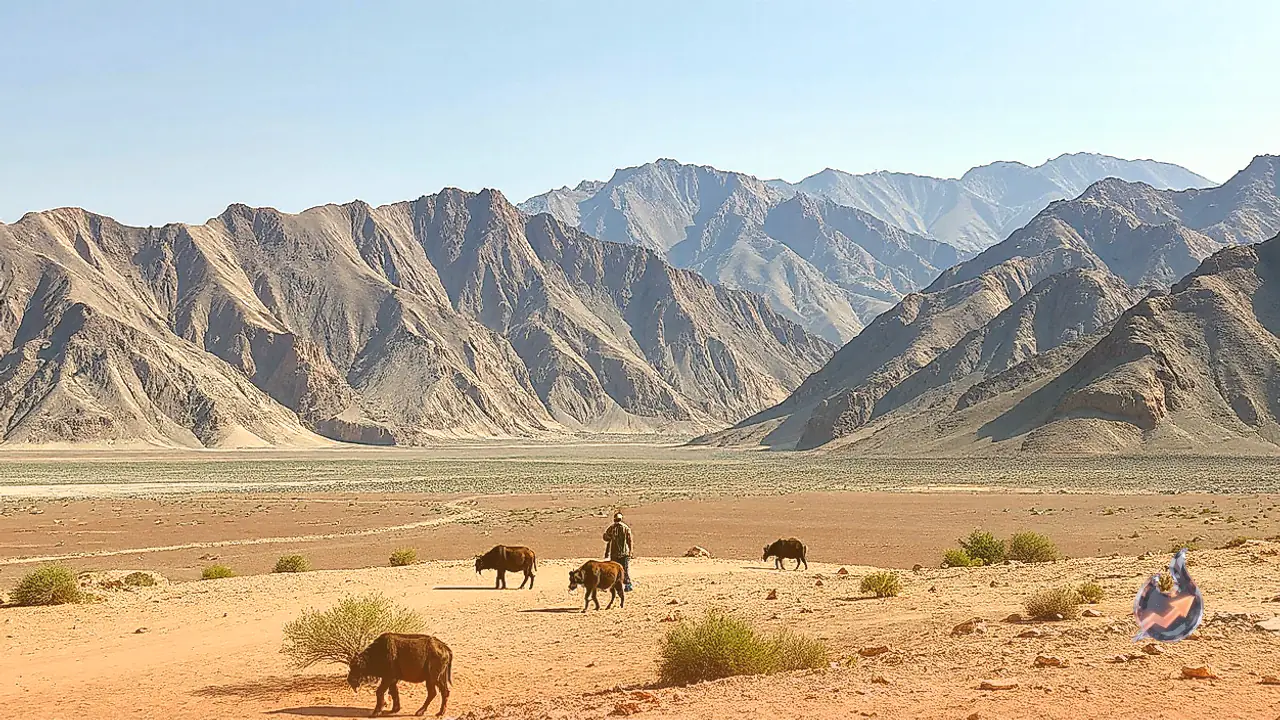
Formed around the year 2000, the Baloch Liberation Army is an armed insurgent organization seeking full independence for Balochistan from Pakistan. Geographically, Balochistan is the largest province in Pakistan and possesses vast reserves of natural resources, including natural gas, copper, gold, and coal. Despite its immense wealth in mineral resources, the region remains the least developed province in the country. The BLA asserts that successive Pakistani central governments have systematically exploited Balochistan's natural wealth without returning a fair share of economic benefits to the indigenous population.
Opposition to CPEC and Resource Control
Beyond economic grievances, the BLA cites political marginalization as a primary cause for its armed struggle, arguing that local Baloch citizens are denied meaningful participation in decision-making processes. The organization actively opposes major multi-billion-dollar infrastructure initiatives, including the China-Pakistan Economic Corridor (CPEC). BLA leadership claims that CPEC projects facilitate external control over Baloch land and minerals, displacing local communities and altering the demographic balance of the region. As a result, the group has repeatedly targeted CPEC projects, Chinese personnel, and Pakistani military units protecting these installations.