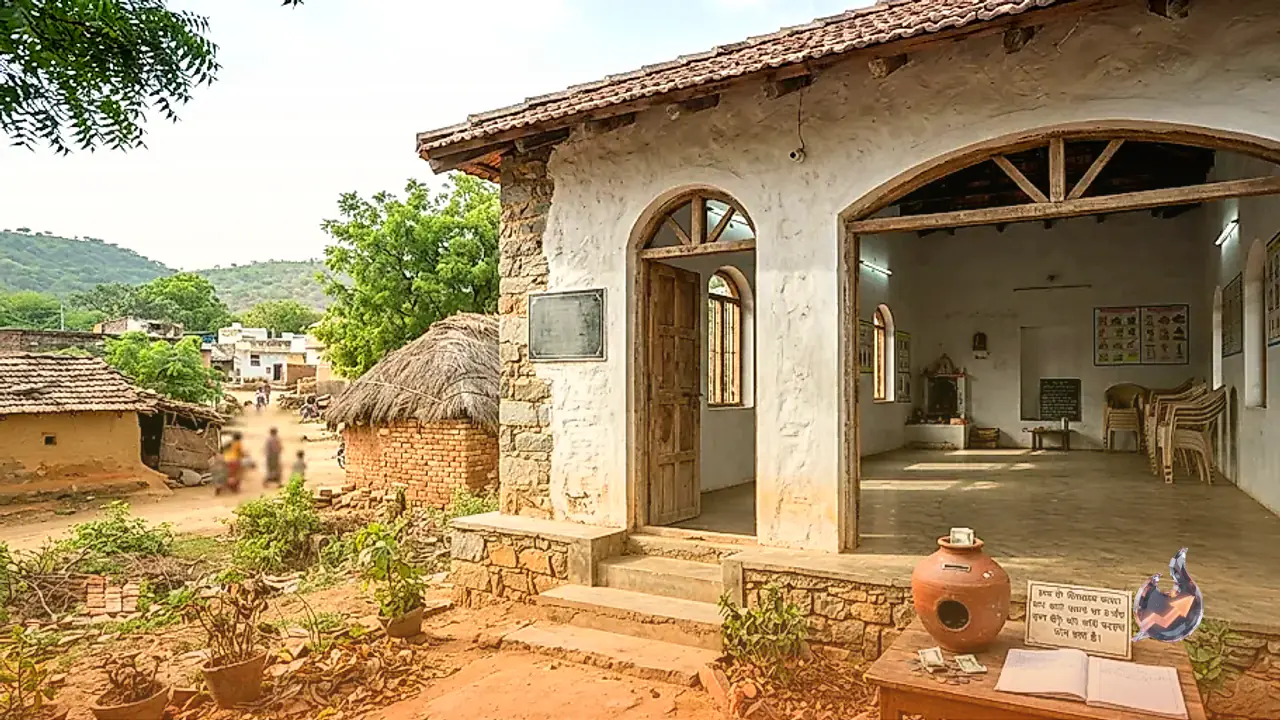

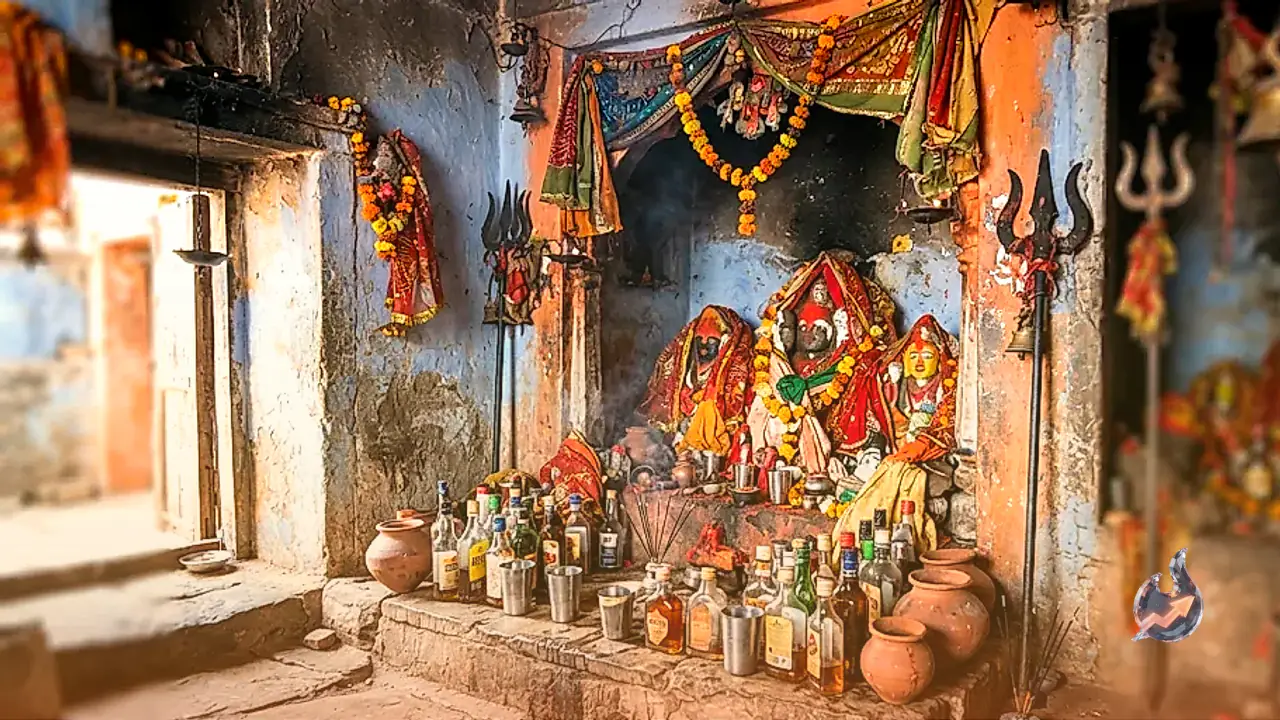















Located along the boundary of Mansha Bawri village in the Marwar Junction region of Rajasthan's Pali district, a historic shrine has drawn widespread attention for its highly unusual rituals. Situated near Banshi Vatika on the main highway connecting Jojawar to Desuri, the venue is locally renowned as the Bhoot Bawji temple. Unlike conventional places of worship dedicated to traditional deities, this shrine honors Bhoot Bawji, depicted as a powerful folk figure mounted on a horse. Devotees visit the location believing that homage paid here liberates individuals from negative energies, perceived spiritual afflictions, and persistent life obstacles.
Centuries-Old Heritage and Simple Architecture
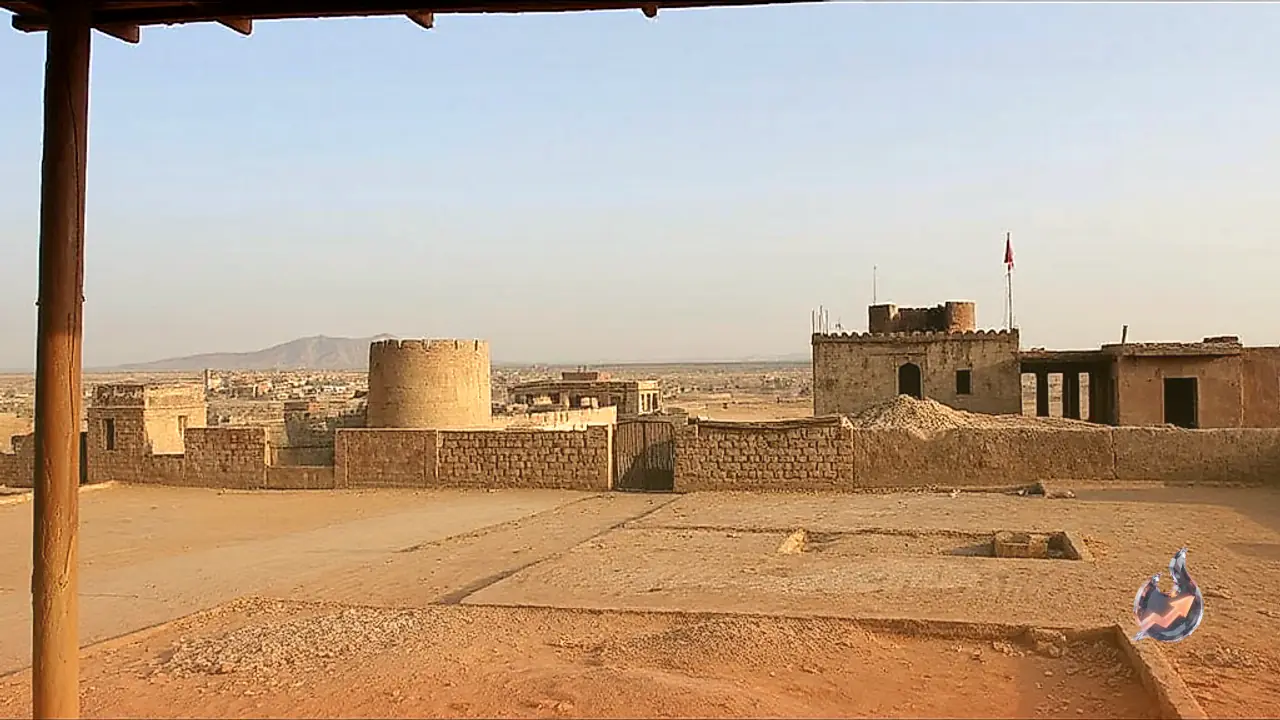
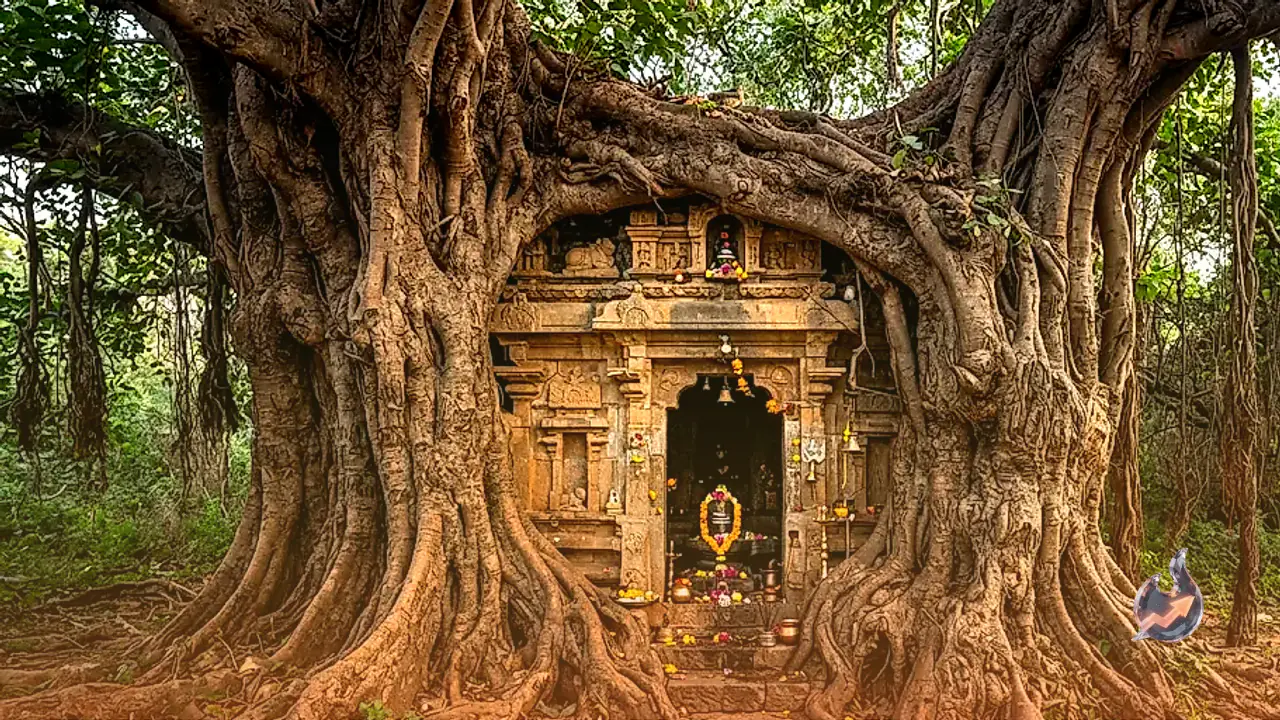
Positioned beside an agricultural field a short distance from the primary road, the shrine features a modest structure resembling an ancient ruin. A simple directional board along the highway points travelers toward the site, where the top of the main entrance gate displays the words indicating the abode of Bhoot Bawji. According to local residents, the site dates back several centuries and has served as an enduring center of faith across multiple generations in the Marwar region. Within the sanctum, an antique idol of Bhoot Bawji seated on a horse represents what locals revere as a miraculous and protective folk deity.
The Ritual of 'Bolma' and Alcohol Offerings
The most distinctive aspect of the Bhoot Bawji shrine lies in its unique ceremonial practices and offerings. While alcohol is strictly forbidden at traditional Hindu places of worship, pouring streams of liquor constitutes a central tradition at this shrine. Devotees undertake a formal vow known locally as 'bolma' to seek divine intervention for personal distress, family troubles, or severe hardships. The worship process involves offering coconuts, lighting incense sticks, and pouring liquor while stating one's intention. According to local belief, a pledge made with sincere conviction never goes unanswered, prompting fulfilled devotees to return and complete their ritual obligations.
Annual Fair and Relief from Negative Energies
Although worshippers visit the shrine throughout the year, the site hosts a major annual fair that attracts large crowds from Marwar and surrounding regions. Local tradition holds that this special gathering provides a remedy for individuals believed to be suffering from unseen forces, evil spirits, or negative atmospheric influences. People who experience unexplainable fears, persistent setbacks, or perceived paranormal disturbances participate in the annual event to seek blessings and spiritual relief through the grace of Bhoot Bawji.
Local Testimonies and Deep-Seated Faith
Sharing insights regarding the shrine's cultural significance, a local commuter named Chaturaram described the venue as exceptionally powerful. Chaturaram noted that visitors arrive equipped with standard ceremonial items like coconuts and incense, with many choosing to offer liquor once their prayers are answered. He emphasized that individuals who make a formal 'bolma' pledge consistently see their difficulties resolved, after which they return to fulfill their promised offerings, thereby reinforcing the community's steadfast belief in the shrine.