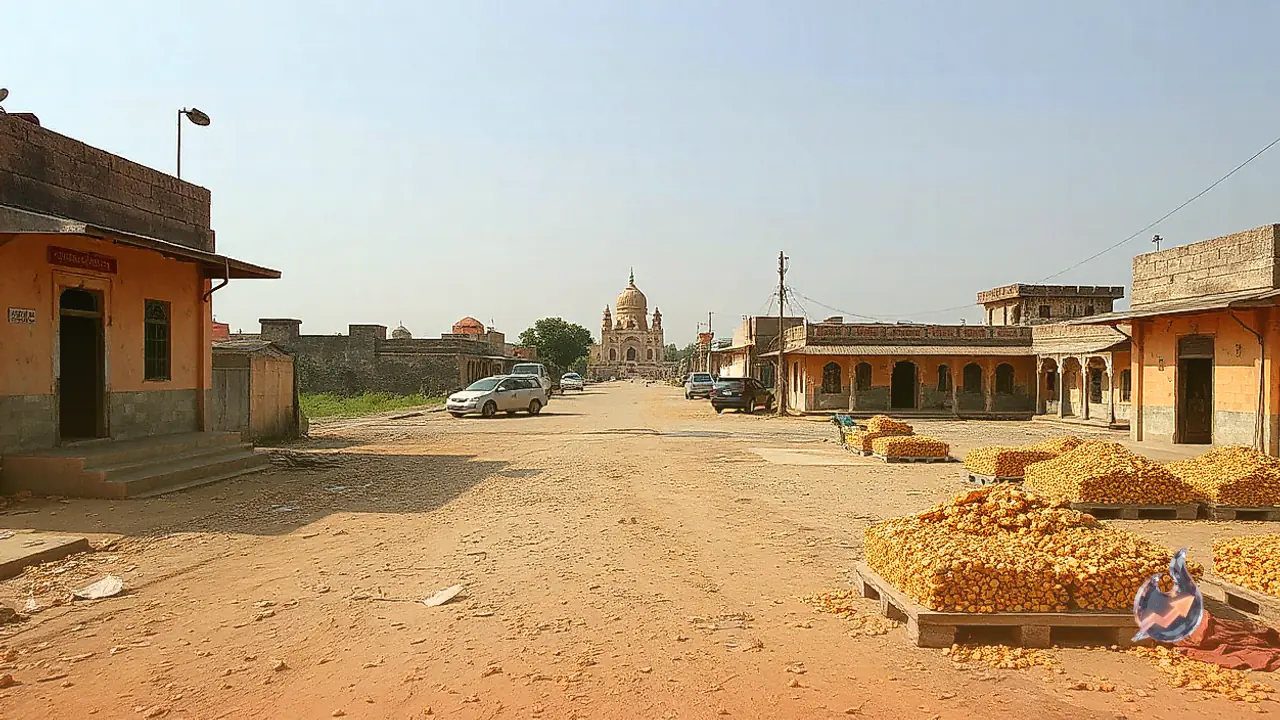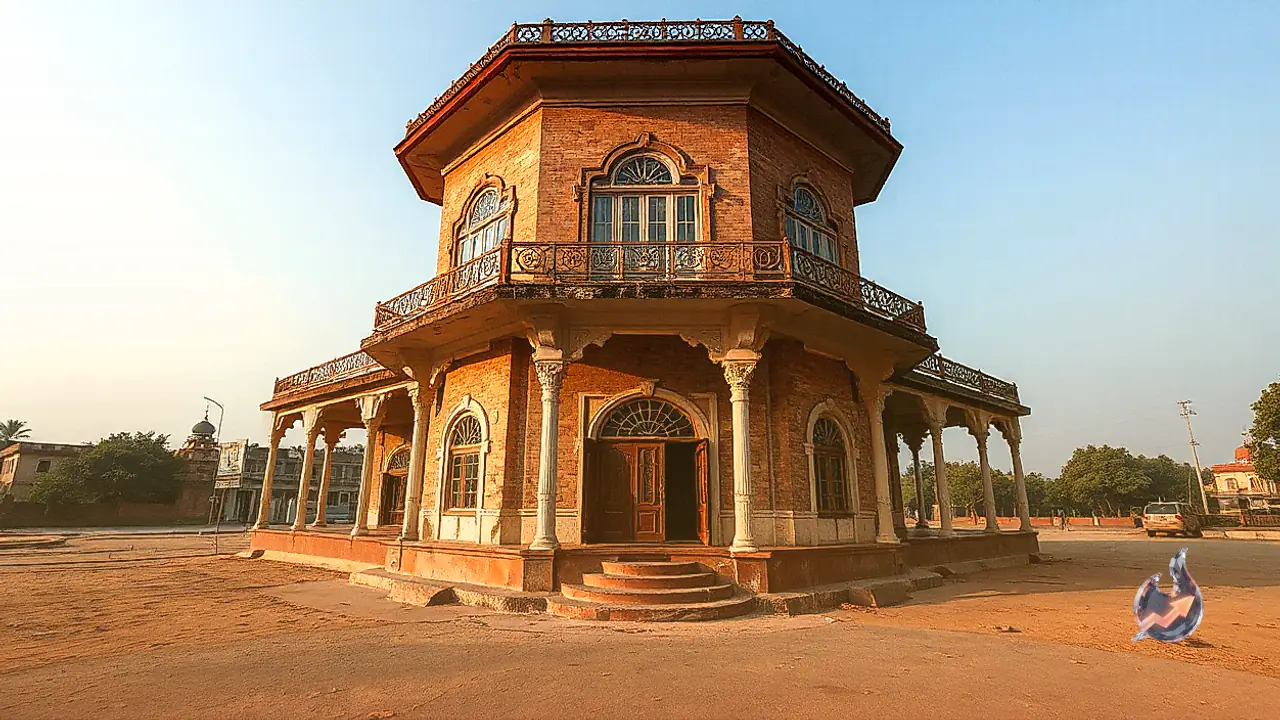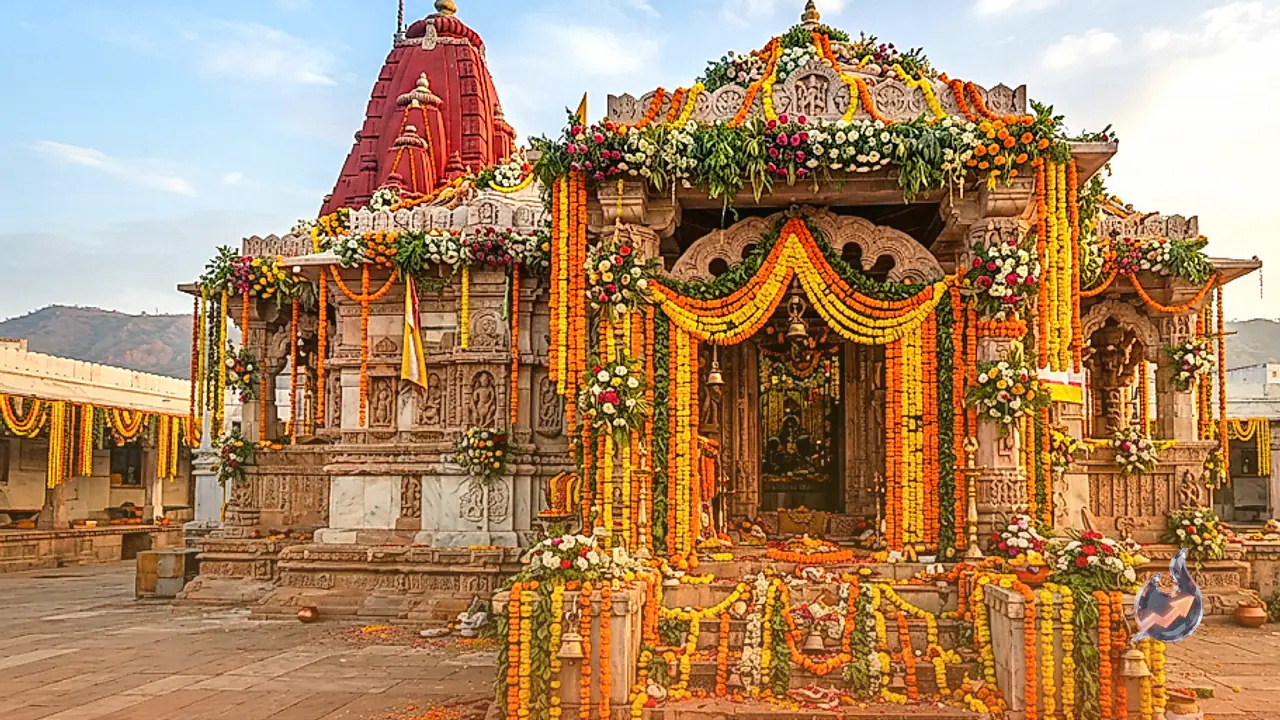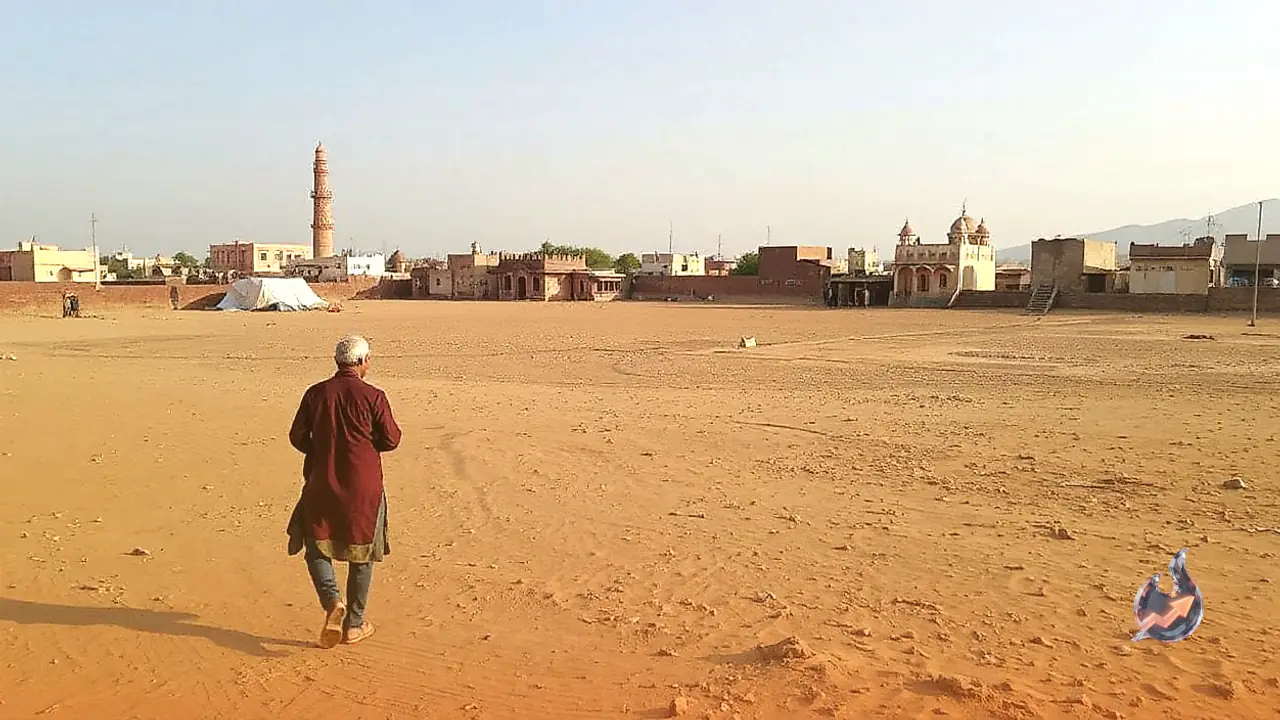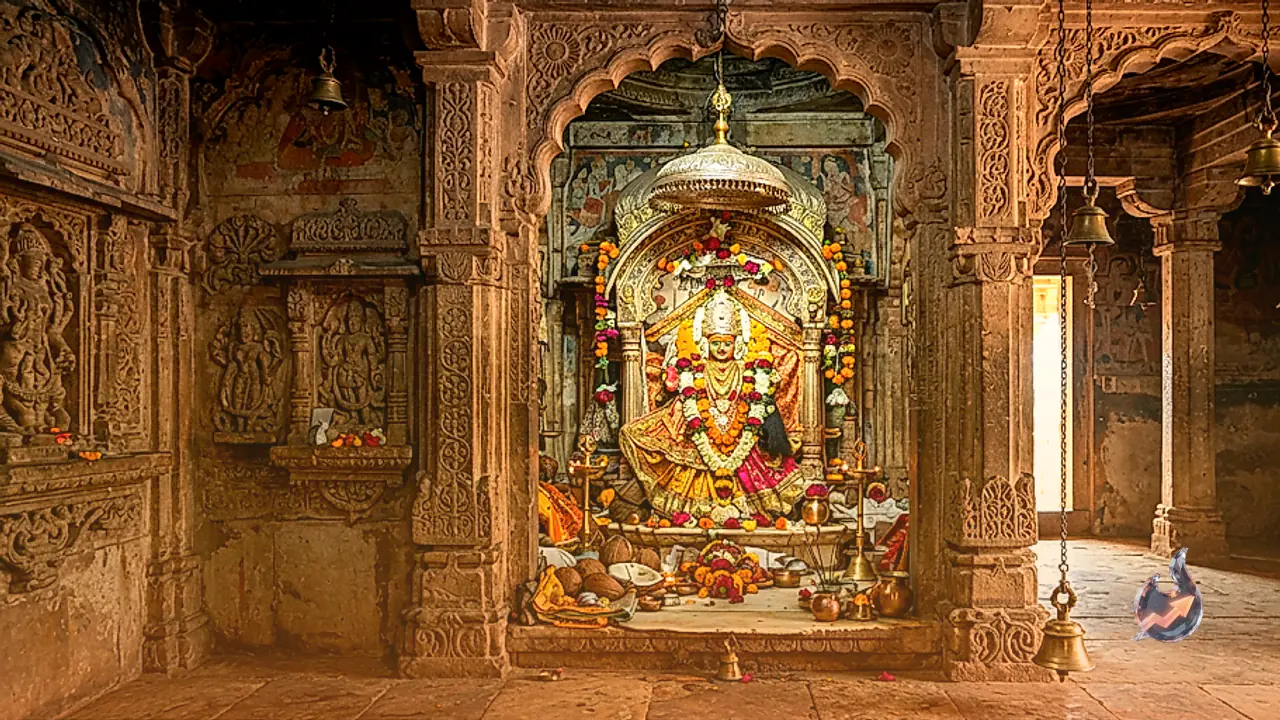

Nestled in the Khasarvi village of Sanchore region in Jalore district, the Dhabhawali Mata Temple stands out for its profound spiritual significance and ancient traditions. According to local residents, this sacred shrine has existed long before the nation gained independence, holding a special place in the hearts of the community through generations of change.
Devotees Once Traveled From Across the Border
Historical accounts shared by locals reveal that prior to the 1947 partition, pilgrims from areas now in Pakistan regularly journeyed to the temple to offer their prayers. These devoted visitors would often spend their nights resting within the temple premises. Following the partition and the redrawing of borders, travel from across the frontier ceased, yet the tradition of devotees arriving from Rajasthan and various other Indian states continues unbroken to this day.
Legends Behind the Temple Name
The origin of the temple name is tied to fascinating local lore. Ancient accounts suggest that a deeply devoted follower named Dhabhaji regularly performed intense prayers and worship of the goddess. Impressed by his unwavering devotion and penance, the deity manifested to bless him, after which the shrine came to be known by his name as Dhabhawali Mata. Another prevalent local belief attributes the name to Dhabhaji Koli, a soldier serving Rao हीरा Ji, the founder of Bhatwas, who was an ardent follower of the goddess. It is believed the deity adopted the name to immortalize her devoted servant.
Wooden Idol and Auspicious Full Moon Fairs
A defining feature of the shrine is its original presiding idol. Local accounts indicate that this sacred image is crafted entirely from wood, emphasizing the profound antiquity of the site. A special fair is organized at the temple on every full moon day. From early morning on these occasions, large crowds of worshippers arrive from neighboring villages and distant regions alike. The air fills with devotional chants, and visitors present their wishes before the deity, sustained by the enduring belief that sincere prayers are always fulfilled here.
Strict Prasadam Rules and Village Traditions
Among the most unique customs associated with the temple is a strict rule regarding the sacred offering or prasadam. According to local tradition, the food offered to the goddess cannot be taken outside the temple complex or beyond the boundaries of Khasarvi village. Worshippers must consume the prasadam right there within the designated area, a custom faithfully upheld for generations. Another remarkable tradition reflects the deep reverence the villagers held for the deity: until the temple finally received a permanent roof, none of the local villagers would build a roof over their own homes. Over time, as new construction expanded the temple facilities, a dharamshala was built to accommodate travelers. To manage the massive influx of pilgrims during full moon gatherings, the temple committee deploys dedicated volunteers to assist with orderly queues and crowd management, cementing the site not just as a place of worship, but as a living cornerstone of regional history.