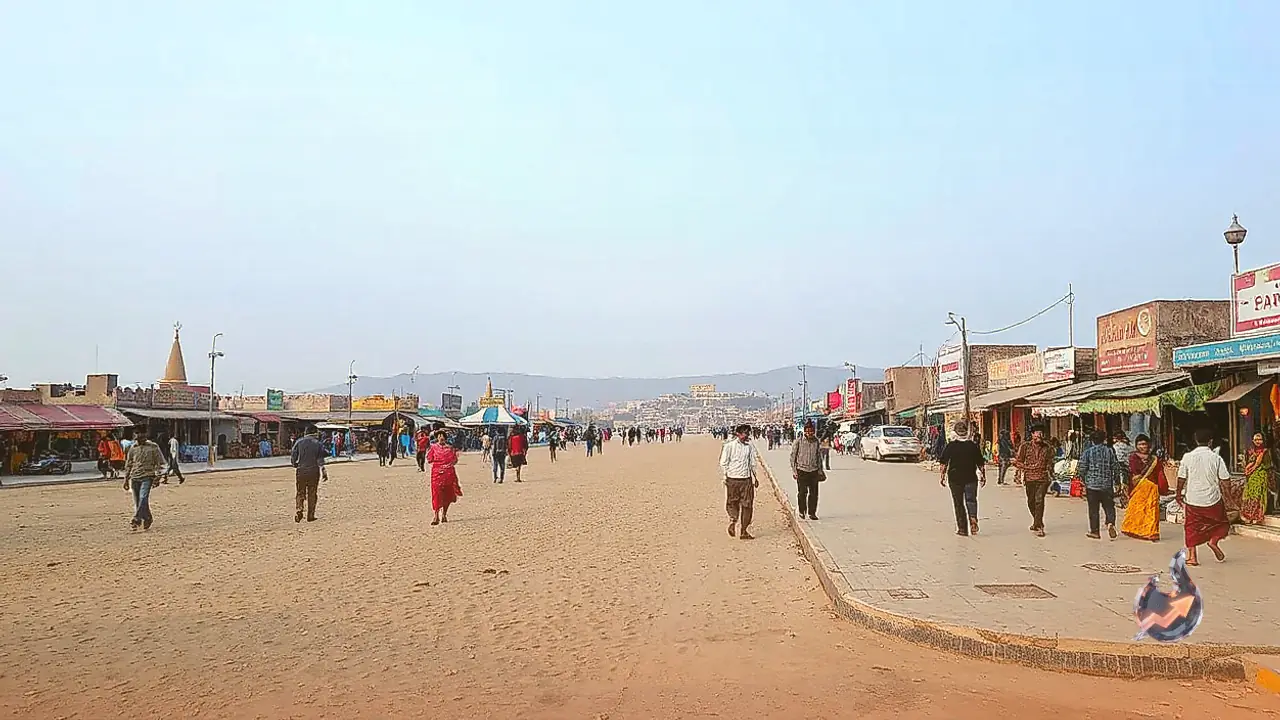























A flagship residential initiative in Kota has run into intense scrutiny over allegations that it systematically excludes lower-income buyers. Launched near the Shambhupura Green Field Airport, the Satyam-Shivam-Sundaram housing project introduced by the Kota Development Authority (KDA) features a total of 733 developed plots. However, the final sales brochure completely omits dedicated plot reservations for Economically Weaker Sections (EWS) and Low-Income Groups (LIG). Stakeholders allege that while preliminary project blueprints and regulatory filings promised reserved allocations for these vulnerable demographics, the quota was quietly stripped away prior to the public release of the official brochure.
Flat Rate Pricing Structure Sparks Backlash
Beyond the missing quotas, the scheme's uniform pricing strategy has triggered widespread concern among urban housing advocates. KDA has established a flat rate of 850 rupees per square foot for every single plot within the development, applying identical pricing across all income categories. Under standard government housing guidelines, lower-income applicants are typically entitled to subsidized rates to make land acquisition affordable. By standardizing plot prices across all buyer brackets, the authority has effectively eliminated financial concessions for disadvantaged families, defeating the core objective of public-sector residential initiatives.
Divergence From RERA Filings and Housing Policy
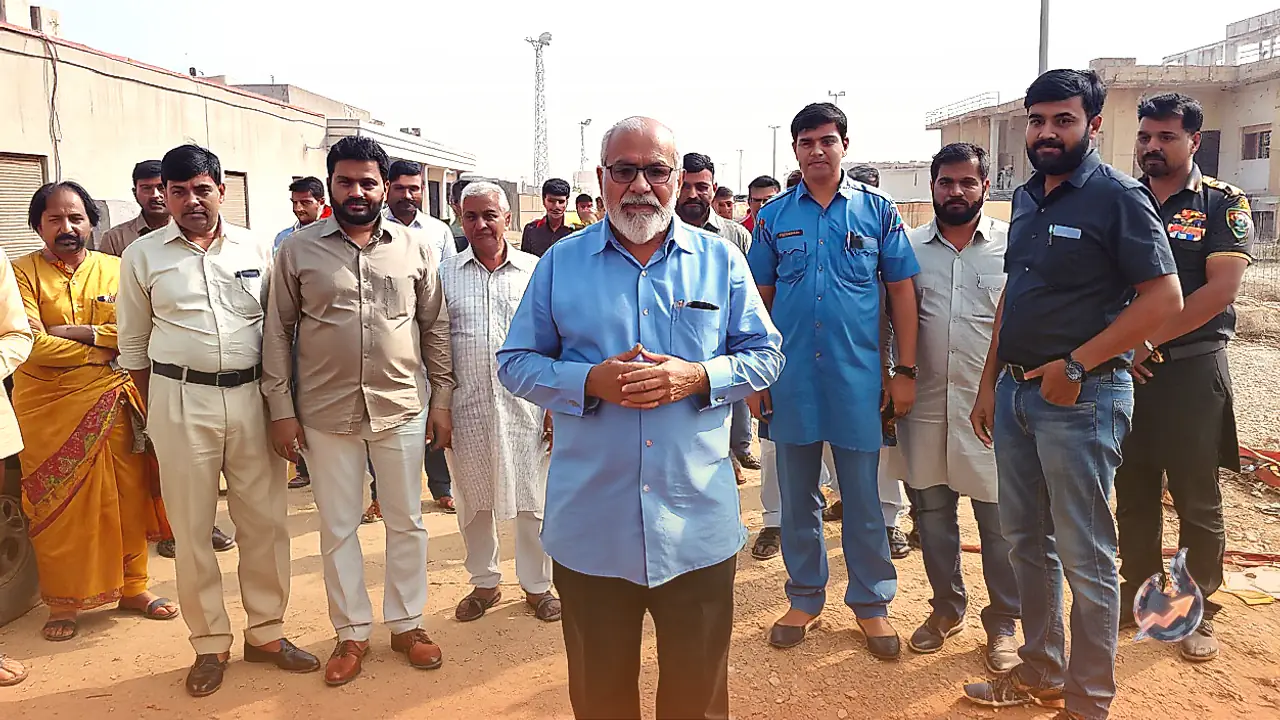
Highlighting the discrepancy, Shashank Sharma from Team Nayak and representatives from various civic bodies argued that the exclusion undermines the primary objectives of the Rajasthan Affordable Housing Policy 2015. The policy was established to ensure that state-backed real estate developments guarantee accessible shelter for economically marginalized citizens. Critics are pressing for clarity on how the finalized brochure diverged so sharply from the initial plan registered with RERA. They have also raised questions regarding whether the proper competent authorities reviewed and sanctioned the decision to withdraw the EWS and LIG allocations.
Public Welfare Mandate vs Commercial Orientation
Civic organizations contend that urban development agencies carry a mandatory social obligation to facilitate equitable housing, rather than functioning strictly as commercial real estate ventures. Omitting reserved quotas from a major 733-plot project prevents lower-income households from accessing state-sponsored housing benefits. As public pressure mounts, community leaders and activists are demanding an official response from KDA administration to account for the procedural shift and explain the rationale behind removing the reservation provisions.