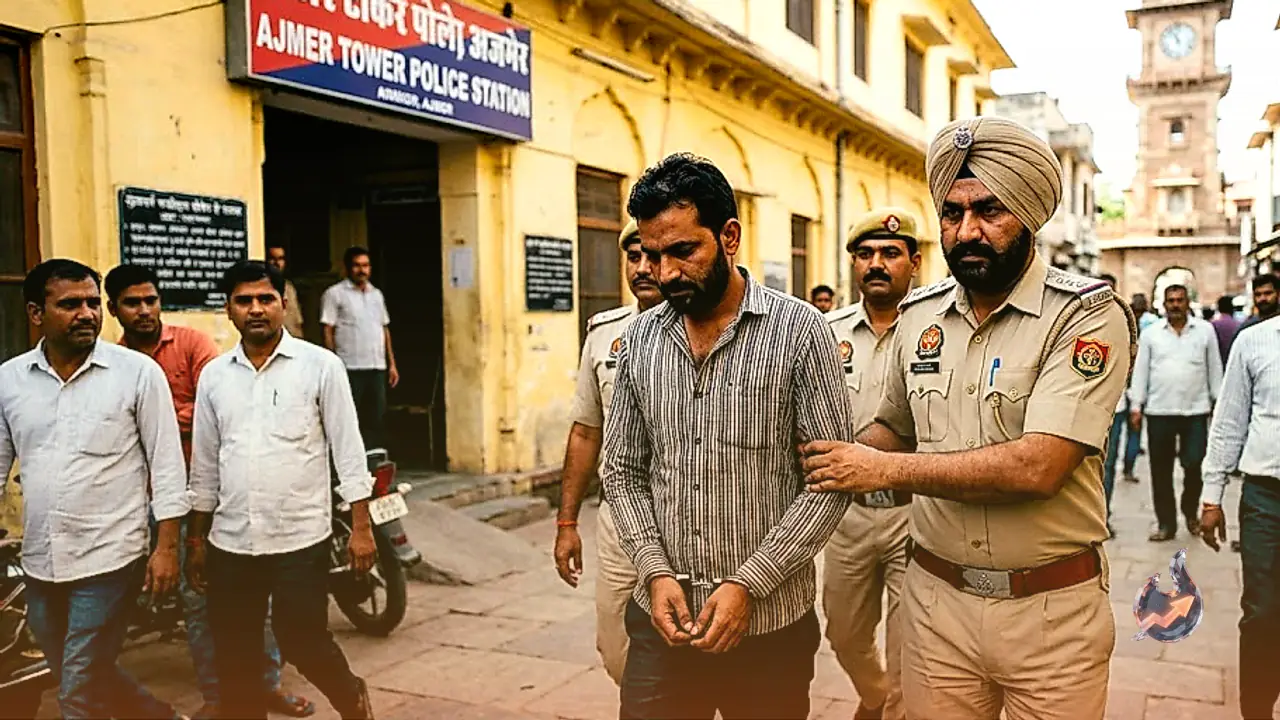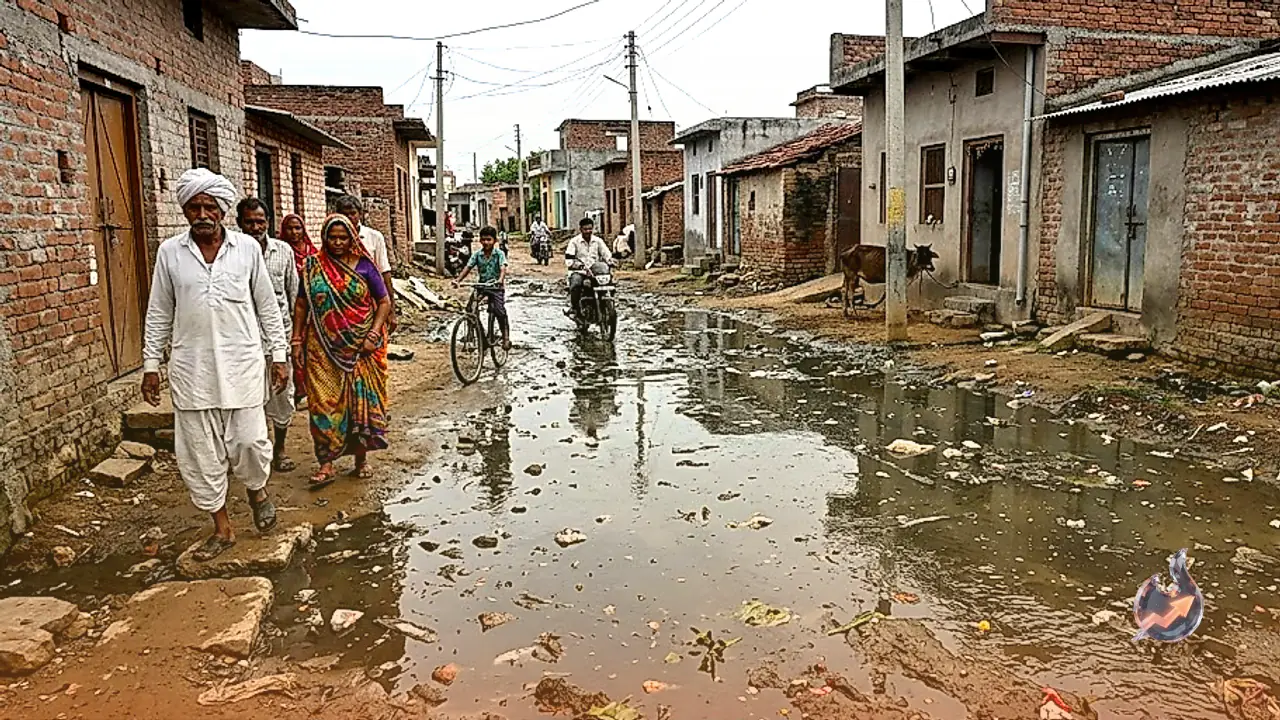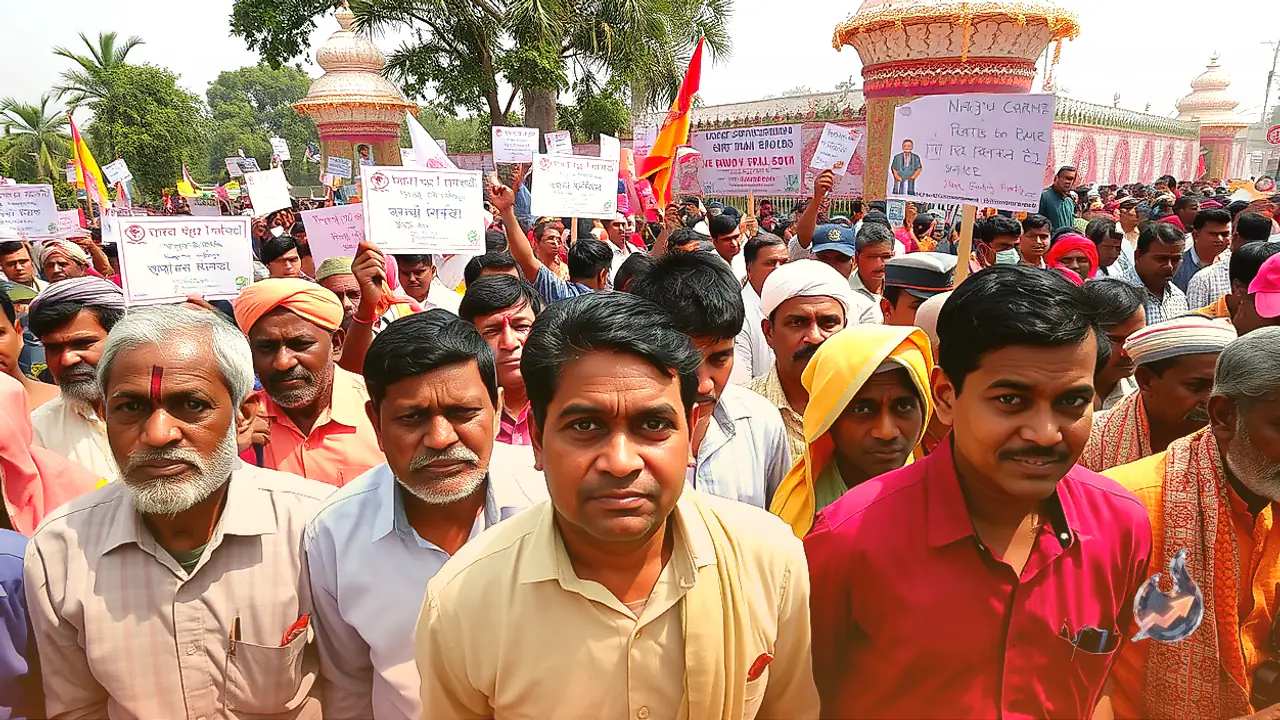


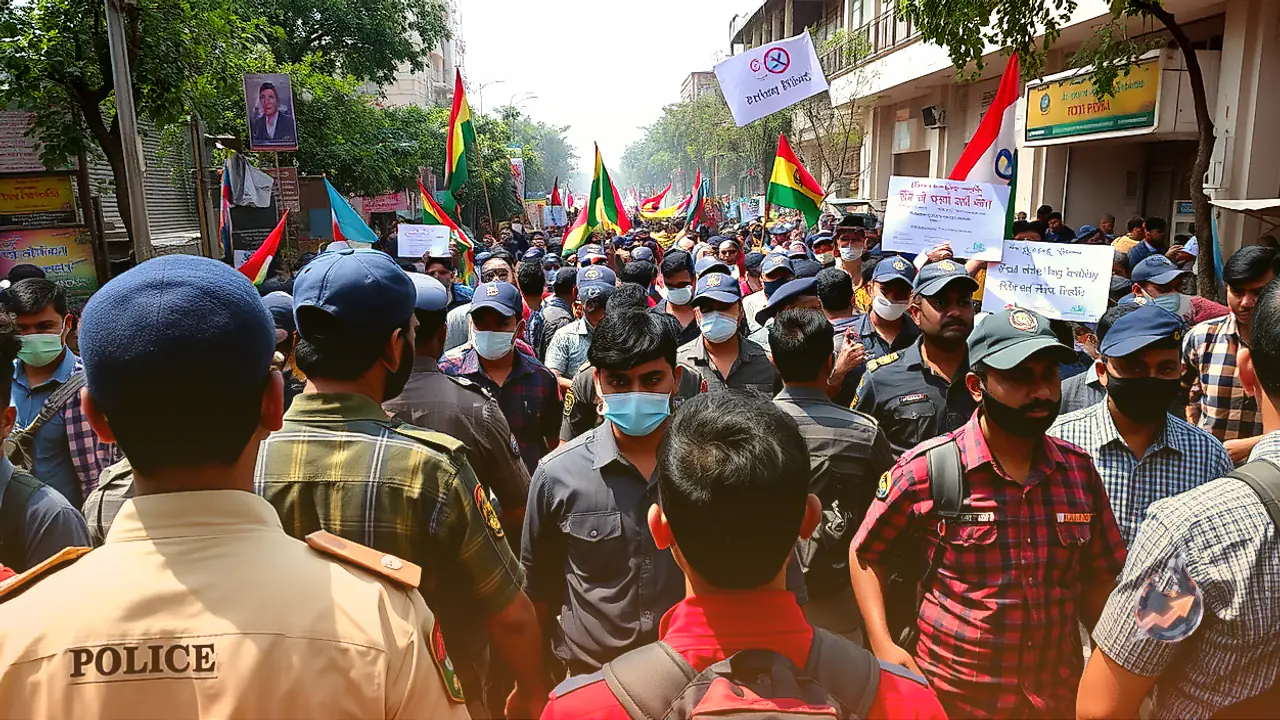














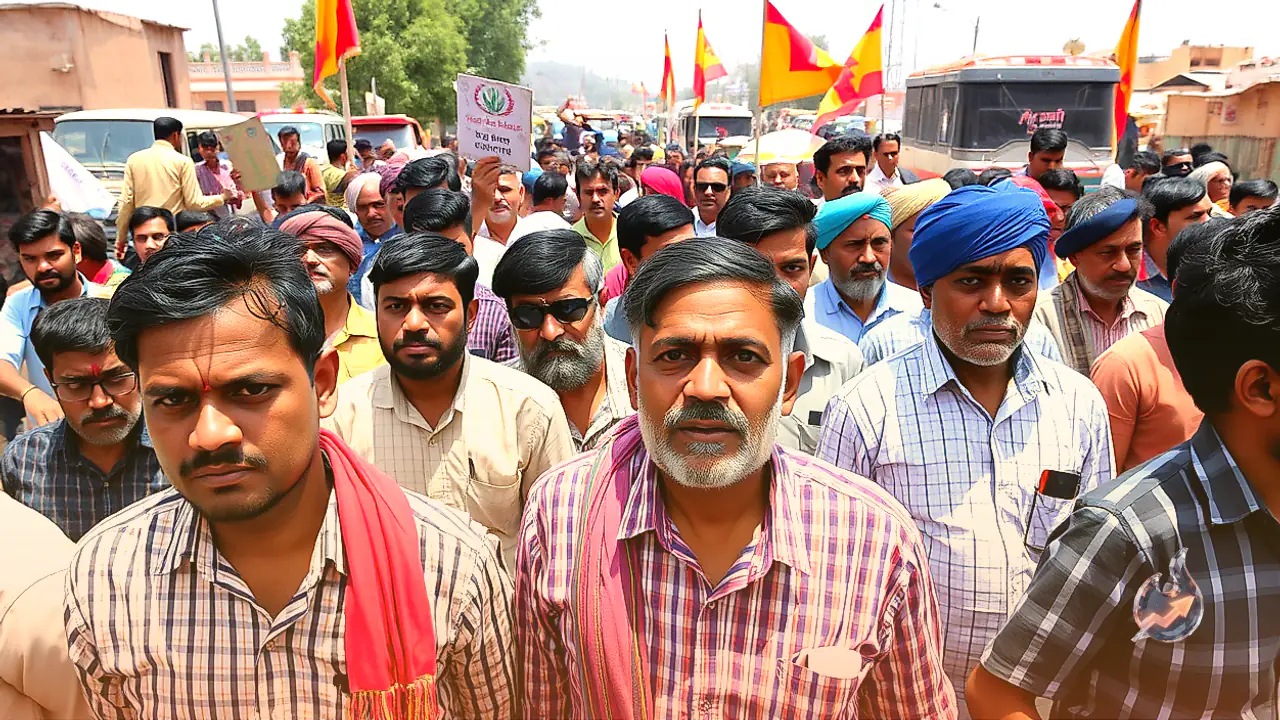

Tensions around the supply of agricultural fertilizers in Rajasthan reached a boiling point on Wednesday as farmer leader Naresh Meena initiated a march toward the state capital, Jaipur. The demonstration centers on widespread farmer distress over acute shortages of chemical fertilizers, inflated prices, and the forced bundling of unrelated agricultural products with essential fertilizers. Starting from Niwai in Tonk district, the rally proceeded to Chaksu, where a massive farmer gathering took place. From there, demonstrators declared their intention to march directly to the historic Shahid Smarak in Jaipur to stage an indefinite sit-in. Alerted by the announcement of an impending gathering in the capital city, the police administration initiated extensive containment operations at key entry corridors.
Extensive Police Deployment and Barricading at Shivdaspura Toll
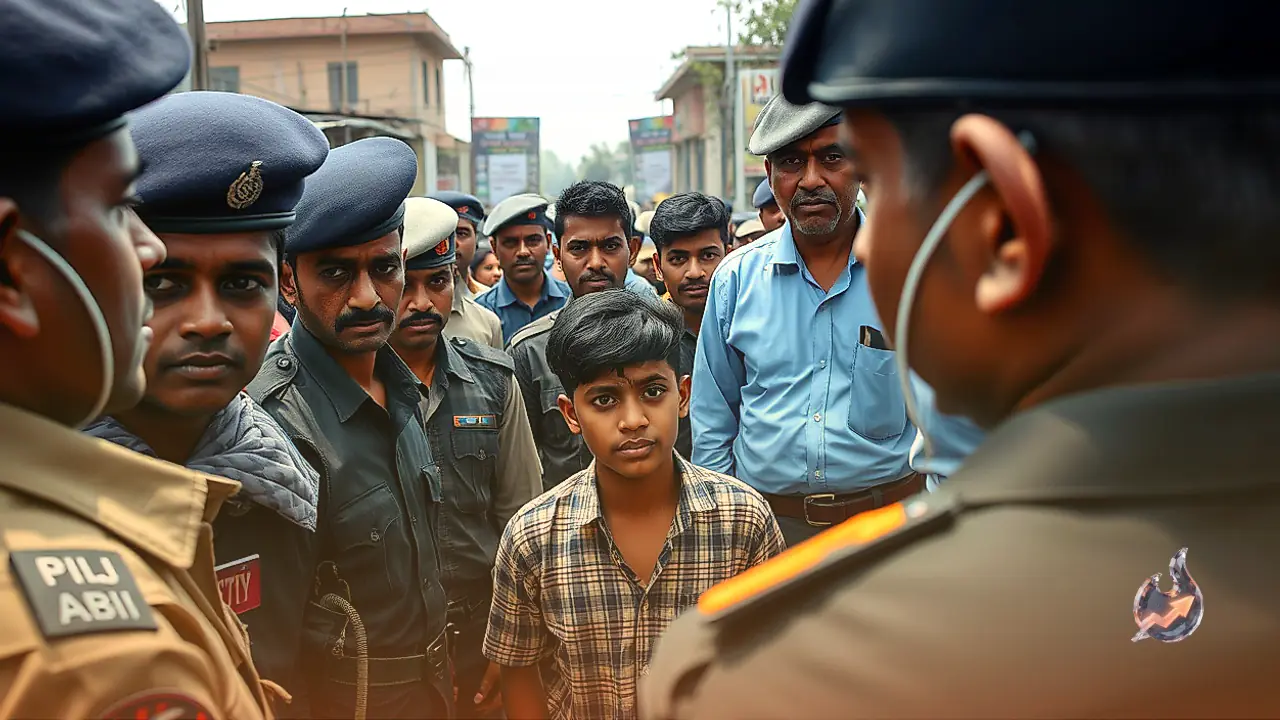
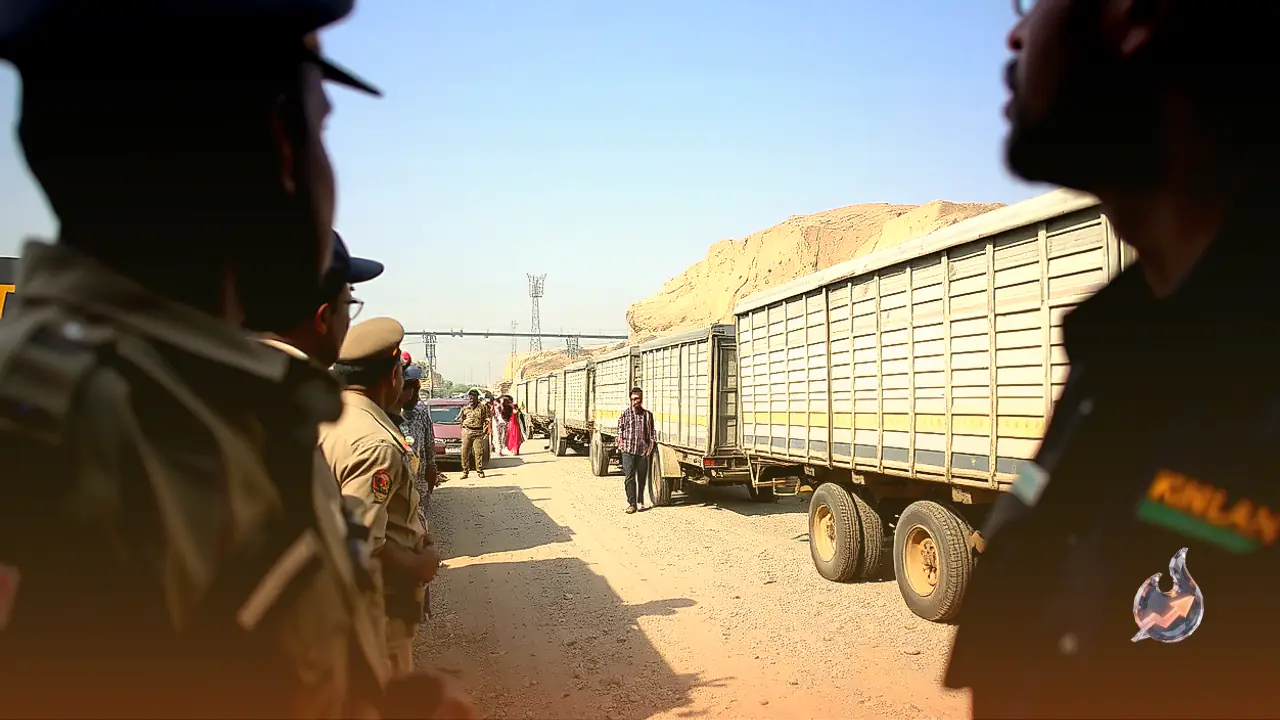
Anticipating the arrival of hundreds of marchers, Jaipur district and commissionerate police set up rigorous containment measures at the Shivdaspura toll plaza. Multiple tiers of metal barricades were erected to seal the highway corridor leading directly into Jaipur city. Reinforcements on the ground include specialized anti-riot gear, water cannons, and hundreds of personnel drawn from the Special Task Force (STF) and the Rajasthan Armed Constabulary (RAC). Several police inspectors and Rajasthan Police Service (RPS) officers have been stationed at the location to coordinate traffic diversions and monitor every movement of the procession. The administrative objective remains focused on halting the march before it enters the urban density of the state capital.
Demands Raised at Chaksu Gathering
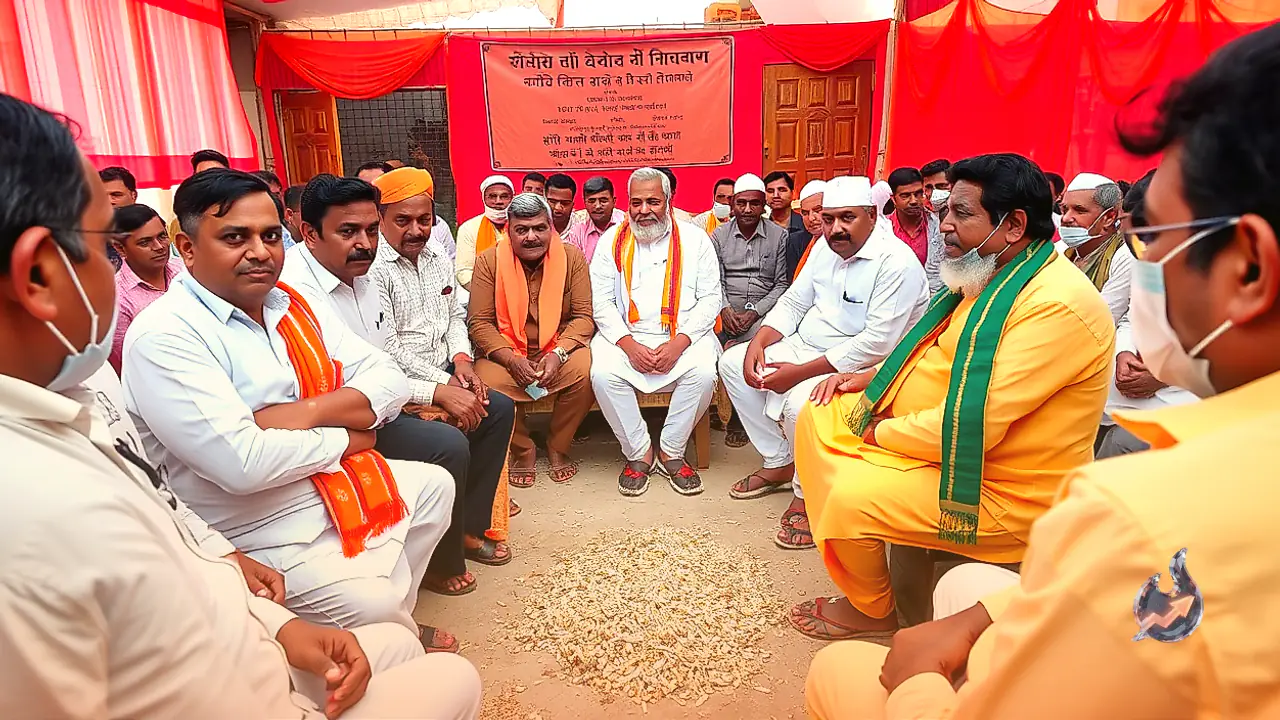
The march began early Wednesday morning from Niwai, steadily drawing agricultural workers and rural supporters along the highway before convening for a public meeting in Chaksu. Addressing the crowd, Naresh Meena underscored that the mobilization addresses critical systemic hurdles faced by farming families during the vital Rabi sowing season. The primary charter of demands includes guaranteed availability of diammonium phosphate (DAP) and urea, strict enforcement of government-notified retail prices, an immediate halt to forced product attachment practices, and uninterrupted daytime electricity supply for agricultural irrigation. Earlier, Meena had led a long-distance farmer march from Baran to Jaipur and observed an indefinite hunger strike, which had prompted preliminary discussions with administrative officials in recent weeks.
Coalition Outreach and Political Backing
The ongoing agitation is also seeking broader political resonance across Rajasthan. Naresh Meena issued a public appeal to leaders associated with the state's third front to assemble in solidarity with the agricultural community. He claimed backing from prominent political figures, including Rashtriya Loktantrik Party MP Hanuman Beniwal and former minister Rajendra Singh Gudha. Demonstrating direct solidarity on the ground, former minister Rajendra Singh Gudha personally accompanied the march toward Jaipur. Organizers maintained that their ultimate goal is to register their protest peacefully yet firmly at Shahid Smarak to compel the administration to resolve rural fertilizer distress.
The Practice of Product Attachment and Supply Discrepancies
Beyond the simple scarcity of bags on store shelves, the protest has brought sharp focus onto the controversial practice known locally as 'attachment'. Farmers report that fertilizer cooperative societies and authorized retail outlets routinely refuse to sell urea or DAP bags unless buyers simultaneously purchase costly secondary goods such as micronutrients, bio-fertilizers, or sulfur additives. These unwanted attachments significantly inflate input expenditures for cultivators. Meanwhile, the state government has officially maintained that adequate buffer stocks of chemical fertilizers are positioned across Rajasthan. However, widespread reports of long queues outside distribution centers present a starkly conflicting reality, transforming this distribution gap into a major public confrontation.
Historical Precedents of Seasonal Fertilizer Crises in Rajasthan
Disputes over chemical fertilizer availability have historically recurred across Rajasthan during the peak of the winter crop cycle. During the Rabi planting window of October and November 2021, cultivators similarly queued for hours outside depots in search of basic fertilizer allocations. At that time, then Chief Minister Ashok Gehlot formally addressed communications to the central government highlighting supply constraints. Data released by the Gehlot administration in November 2021 showed that against an estimated requirement of 8 lakh metric tonnes of urea for the October-November period, the state received only 5.52 lakh metric tonnes, resulting in an acute deficit of approximately 2.48 lakh metric tonnes.
During that 2021 shortfall, the ruling Congress government accused federal authorities of inadequate and biased allocations, whereas the opposition Bharatiya Janata Party countered by blaming state authorities for inefficient logistics, failure to curb hoarding, and an inability to dismantle black-market networks. Intense protests and farmer blockades were documented across major canal-irrigated belts, particularly in districts like Sri Ganganagar and Hanumangarh. The current mobilization demonstrates that seasonal fertilizer bottlenecks remain an enduring flashpoint of regional governance and electoral posturing.
Naresh Meena's Agitation History from Student Politics to Rural Campaigns
The leader spearheading the ongoing march has spent years engaging in confrontational public campaigns. Naresh Meena previously organized sustained demonstrations over irrigation rights and water-sharing agreements tied to the Panchana Dam in eastern Rajasthan. His political involvement began at the University of Rajasthan, where he emerged as a prominent youth organizer with the National Students' Union of India (NSUI) and was elected General Secretary of the Rajasthan University Students' Union (RUSU). During his student union tenure, he conducted a nine-day indefinite hunger strike over university campus issues. Later, in July 2025, he launched a 150-kilometer Jan Kranti Yatra to spotlight rural administrative grievances, a march he voluntarily paused following a tragic government school accident in Jhalawar so he could meet affected families directly.
From Samravta By-Election Confrontation to Present Stand-off
Among the most widely reported episodes involving Naresh Meena was the November 2024 Deoli-Uniara assembly by-election controversy in Samravta village. Residents of Samravta had called for a complete election boycott to press their demand for the village's administrative inclusion into the Uniara sub-division. Meena joined the villagers to back their boycott, leading to a direct face-off with local authorities. The standoff escalated drastically on polling day, resulting in an incident where an on-duty Sub-Divisional Magistrate (SDM) was physically slapped, triggering intense security crackdowns and extensive administrative fallout. By mobilizing farmers around basic inputs like fertilizers and power, Meena has now positioned rural agrarian demands back onto the state's main political agenda.