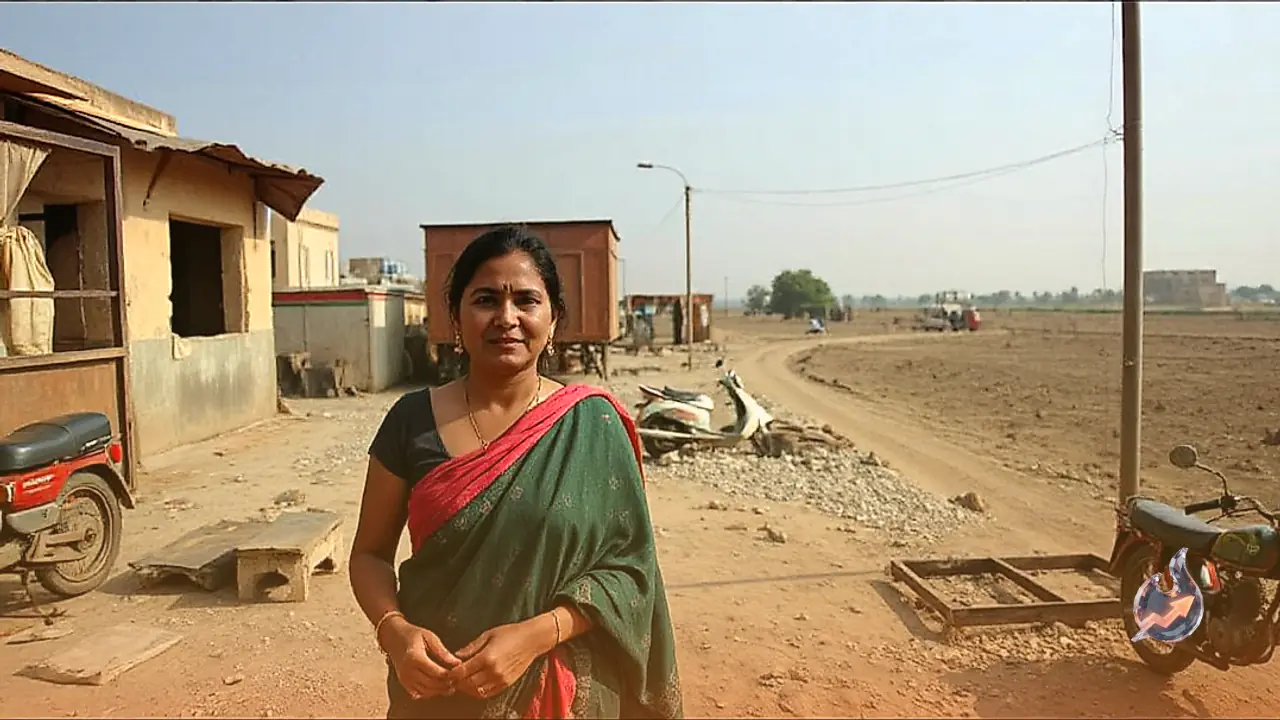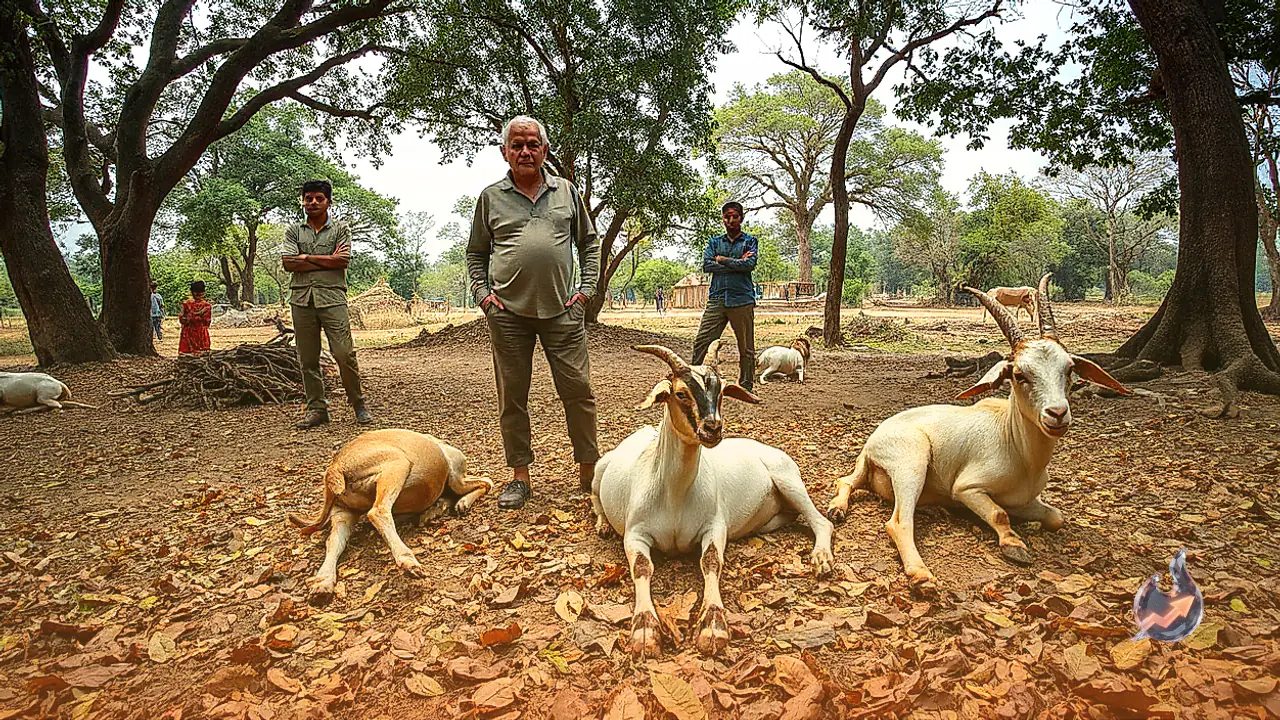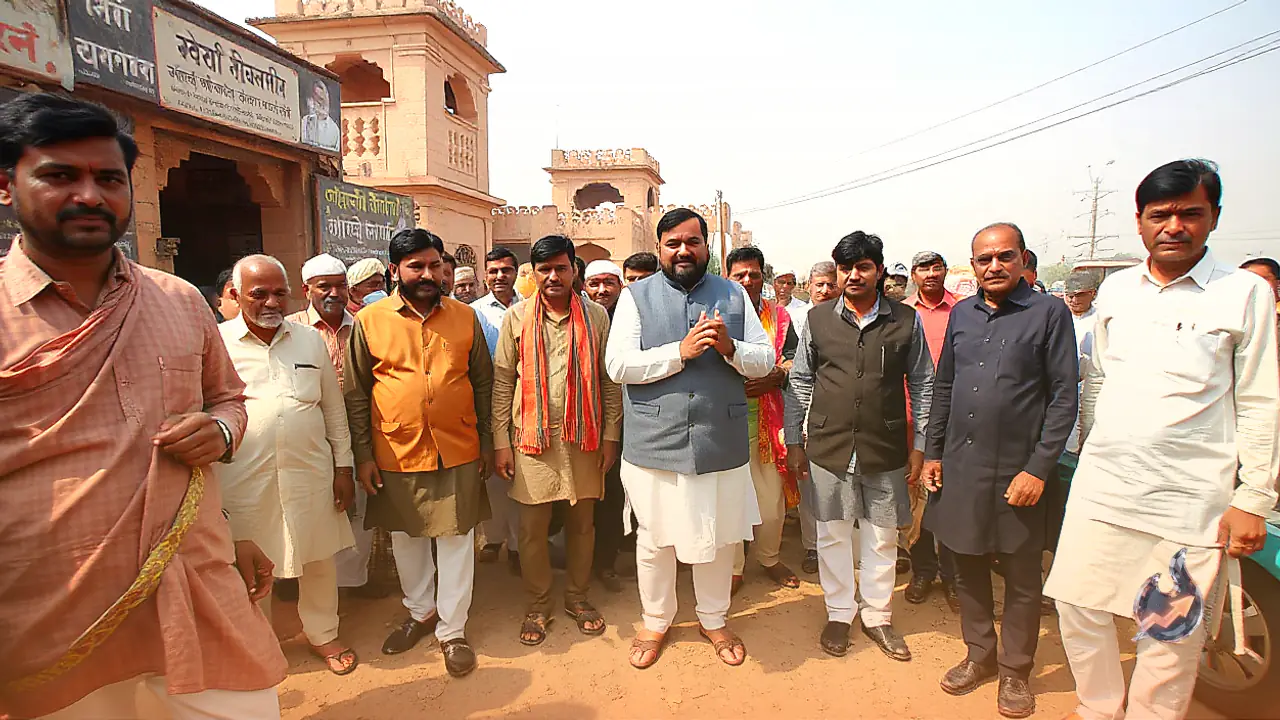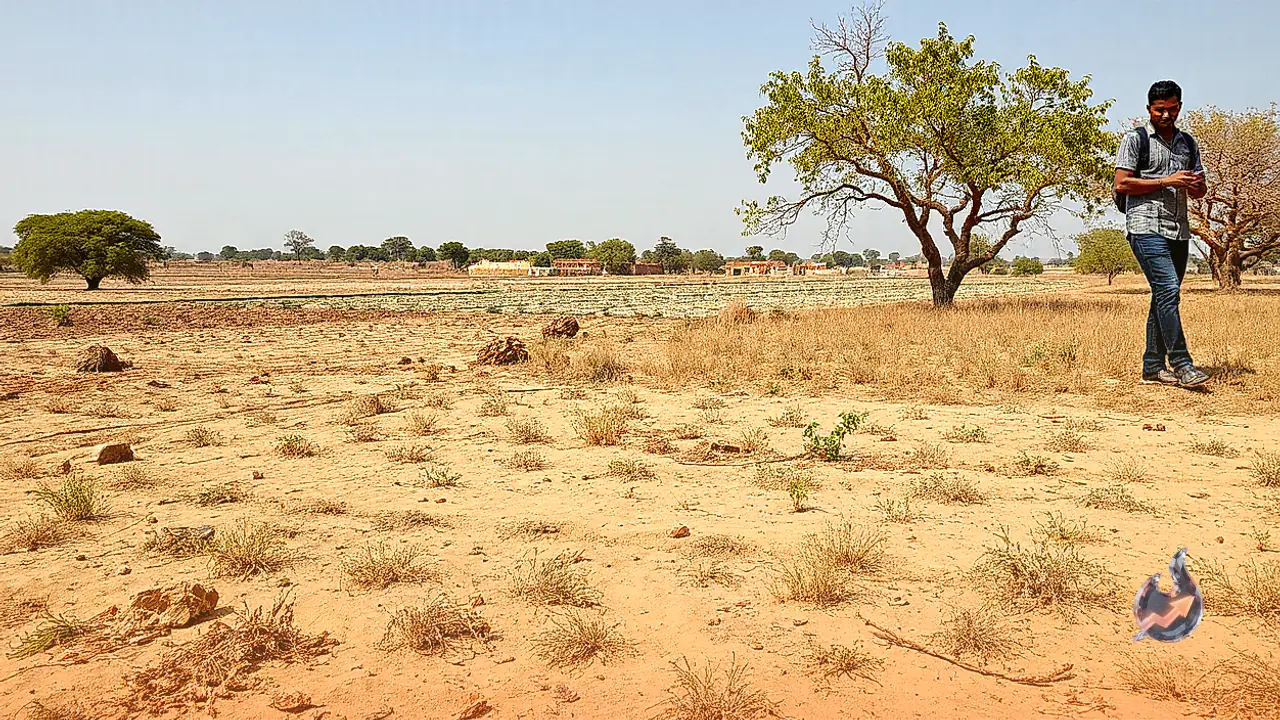

Agricultural practices across the drought-prone regions of Rajasthan are undergoing a major shift aimed at shielding farming from unpredictable weather patterns. Amid declining rainfall, dropping groundwater tables, and mounting challenges in irrigation water availability, farmers are being introduced to advanced scientific techniques designed to safeguard crops even under low water conditions. Going forward, agricultural planning will no longer rely merely on traditional weather assumptions, but will instead be shaped by a scientific assessment of soil composition, water availability, and local climatic conditions to determine the most profitable crops for each field.
A total project outlay of 109.88 crore rupees has been earmarked for implementation across five key districts, namely Churu, Nagaur, Jaisalmer, Jodhpur, and Barmer. The primary objective of this initiative is to mitigate the adverse impacts of drought and make agriculture resilient to changing climatic trends. Under this project, concerted efforts will be made to harvest rainwater within fields, retain soil moisture for extended periods, and promote crop varieties that deliver optimal yields with minimal water consumption.
Scientific Assessment of Soil and Climate for Crop Planning
A standout feature of this project is that instead of offering generalized farming advice, guidance will be tailored to the specific conditions of each individual farm. A detailed scientific evaluation of soil quality, water availability, and historical rainfall data will be conducted. Based on these parameters, farmers will be advised on which specific crops will be most advantageous to cultivate in their respective fields. Priority will be given to crop varieties and farming practices that mature with limited water resources, thereby minimizing financial losses during prolonged dry spells.
Rainwater Harvesting and Digital Resource Mapping
Under watershed development initiatives, comprehensive measures will be adopted to capture rainwater within and around agricultural fields. Modern scientific techniques will be deployed to sustain soil moisture over extended durations, ensuring that rainwater is retained in the soil profile for longer periods. This will reduce the frequency of irrigation required by farmers and optimize the utilization of available water assets. Farmers will play an integral role through community participation, with village-level committees being established to formulate action plans based on local needs and challenges. Farmers will also receive professional training in new agricultural techniques. Furthermore, digital maps of land and water resources will be prepared to streamline development planning and facilitate efficient monitoring of all field activities.
Technical Responsibilities Assigned to Specialized Institutions
The execution of this project has been entrusted to two specialized institutions to ensure robust technical backing. The International Crops Research Institute for the Semi-Arid Tropics will provide technical cooperation in Churu, Nagaur, and Jaisalmer, with an allocated budget of 64.20 crore rupees for these districts. Meanwhile, the Central Arid Zone Research Institute will operate in Jodhpur and Barmer, backed by a provision of 45.68 crore rupees. The project is scheduled for implementation during the financial years 2026-27 and 2027-28. According to Joint Director of Agriculture SR Kataria, this initiative has been launched keeping the unique geographical terrain of the state in perspective. A state-level MoU has been signed for this purpose, with the Agriculture Department designated as the nodal agency, which will ultimately assist farmers in overcoming drought challenges and maximizing resource efficiency.