

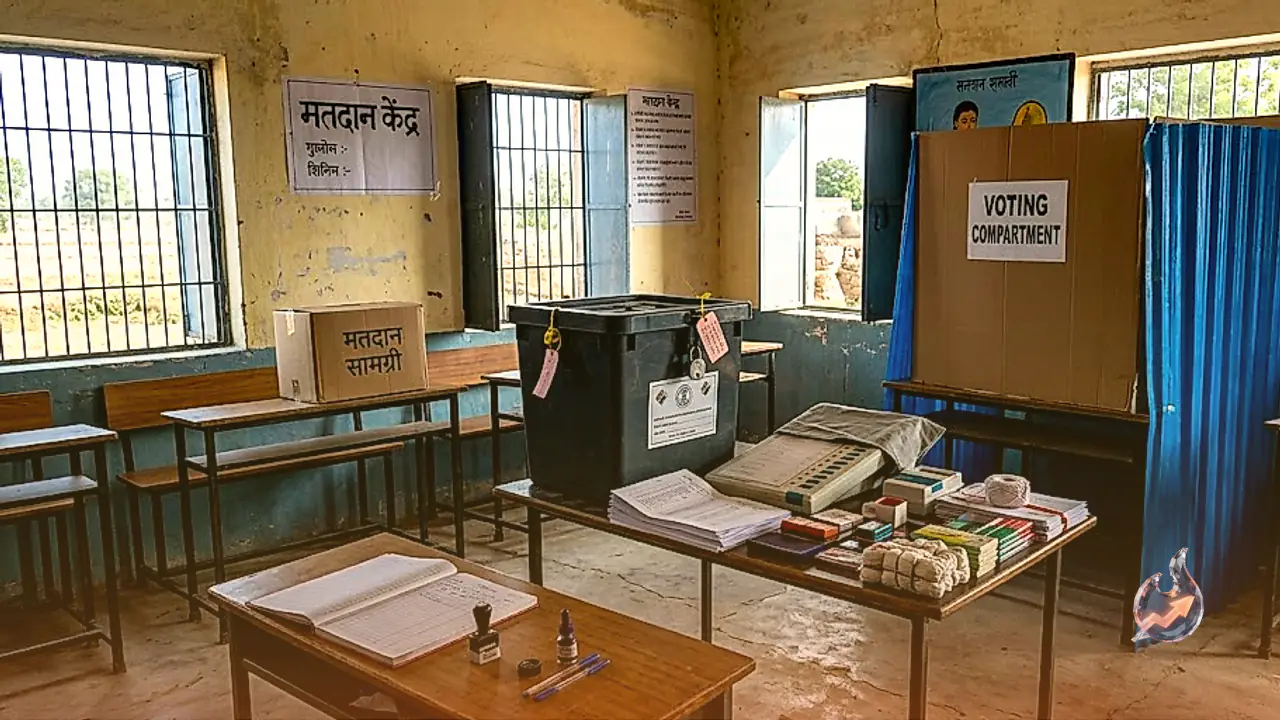



















A high-voltage administrative controversy has surfaced in Jhunjhunu district during the ongoing Surajgarh Panchayat Samiti elections. Jaiprakash, son of Surajgarh MLA Shrawan Kumar, has found himself at the centre of an inquiry after his nomination papers from Ward number 7 were rejected amid allegations involving an alleged fabricated judicial order. The case centers on an attempt to get his name added to the rural electoral roll and contest the local election using a document purportedly bearing instructions from the judiciary, though the candidate himself has distanced himself entirely from the paperwork.
The Scramble for Voter Roll Registration and Legal Action
The root of the confrontation lies in the strict eligibility requirements governing local body polls. Jaiprakash's name had originally been registered on the voter roll of the Surajgarh Municipality. However, in order to enter the race for the rural panchayat samiti, he needed to be registered within the respective rural constituency. Consequently, he submitted an application requesting the addition of his name to the voter roll of Ward number 5 in Jeeni Gram Panchayat.
Because administrative formalities could not be completed before the statutory deadlines lapsed, his name was not included on the official list. Seeking legal intervention, he approached the Rajasthan High Court by lodging a writ petition on October 15. The High Court took up the matter on October 16. Instead of issuing any emergency or interim directions permitting his entry into the voter roll, the court simply scheduled the matter for its next formal hearing on October 27.
The WhatsApp Order and the Returning Officer's Role
October 16 was also the absolute deadline for candidates to file nomination papers for the local body election. On that day, Jaiprakash visited the office of Surajgarh Sub-Divisional Magistrate and Returning Officer Sandeep Choudhary. According to the returning officer, Jaiprakash facilitated the transmission of an alleged High Court directive directly to the officer's official WhatsApp number via a telephone conversation. Relying on a printed copy of that electronic message, the officer initially accepted the nomination papers.
A subsequent examination of the actual judicial documentation revealed significant discrepancies. The legitimate court registry records confirmed that the bench had issued no directives mandating the addition of any name to the electoral roll or instructing election officers to accept the papers. The judicial record had only listed the petition for a routine future hearing on October 27. The realization that an altered or fictitious directive might have been used to push through a nomination triggered an immediate review by senior election authorities.
Intervention by Election Authorities and Eventual Rejection
Addressing the irregularities, District Election Officer and District Collector Dr. Arun Garg intervened to clarify the procedural breaches. He pointed out that the returning officer had forwarded the file without obtaining an original certified copy of the judicial order. Since the online portal for electoral rolls was already frozen in accordance with election schedules, the district administration approached the State Election Commission for formal advice.
The State Election Commission promptly demanded a certified copy of the judicial ruling before any action could be entertained. When the candidate failed to furnish an authentic certified document within the stipulated timeframe, election authorities formally rejected Jaiprakash's nomination on October 17. Dr. Garg reiterated that if the ongoing inquiry establishes criminal forgery or tampering with official judicial documents, severe statutory action will follow against those responsible.
The Candidate's Clarification and Ongoing Probe
In response to the mounting controversy, Jaiprakash offered his version of the events, maintaining that he had followed lawful procedures throughout his election preparations. He acknowledged moving an application to transfer his voter registration and filing a petition before the High Court, which could not yield a voter list entry due to time constraints. However, he firmly denied ever submitting a fraudulent judicial order alongside his nomination bundle.
Jaiprakash insisted that he possessed no information regarding who transmitted the document to the returning officer's WhatsApp or how it reached official channels. At present, investigators and election monitors are working to track down the digital origin of the alleged order, scrutinizing phone records and document trails to determine who fabricated the judicial paperwork and attempted to subvert the electoral process.