






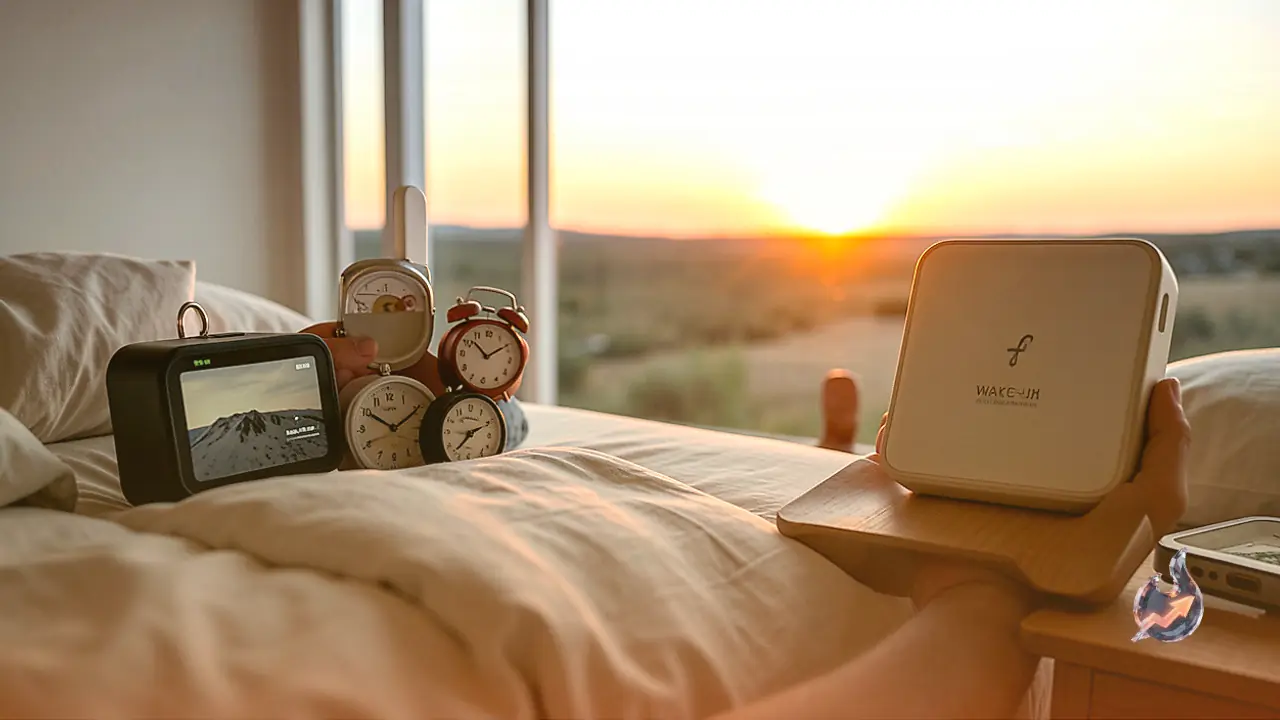














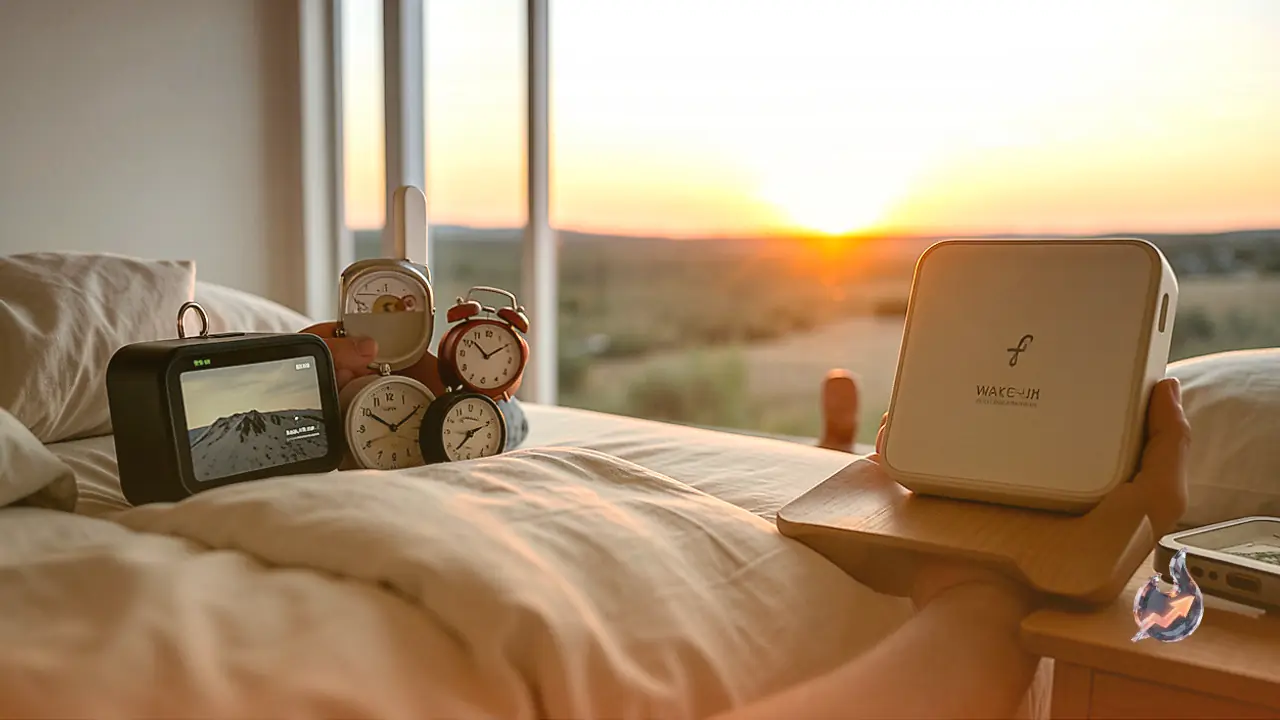

Wearing a smartwatch or fitness band to bed is uncomfortable for many sleepers, prompting a search for non-intrusive alternatives. The Hatch Sleep Clock addresses this demand by pairing a sunrise wake-up light with contactless overnight monitoring. While it delivers an inviting bedside experience that gently eases people awake, dedicated wearable tools like the Oura app still hold an edge for users who demand granular biometric insights without placement quirks.
Placement Demands Dictate Tracking Accuracy
The primary hurdle with contactless bedside monitoring lies in the exacting requirements for device positioning. Hatch specifies that the clock must rest on a nightstand roughly level with the mattress, pointed directly toward the chest while the sleeper lies down. The operating range sits strictly between 2 and 4 feet, requiring an unobstructed line of sight to maintain a reliable sensor lock throughout the night.
Meeting these physical dimensions can require adjustments in ordinary bedrooms. If a bedside table sits too low, elevating the unit with books becomes necessary. Conversely, an overly tall nightstand might force users to raise their mattress or mount an adjacent wall shelf at the proper height. Even typical nightstand clutter, such as trinkets or bedside accessories, can interfere with signal fidelity. Compounding this challenge, the companion application does not actively notify users about coverage gaps or data inconsistencies, stopping monitoring only when it fails to detect a body entirely or loses wall power.
Privacy Safeguards and Built-In Functional Trade-Offs
Placing an active monitoring device in the bedroom naturally brings surveillance concerns to the forefront. The hardware resolves this hesitation by omitting both integrated cameras and microphones. While this conscious design choice prevents the tracker from logging ambient bedroom disruptions or identifying heavy snoring, it guarantees complete peace of mind for privacy-conscious users.
Network privacy also forms a key part of the product architecture. According to Hatch, the device communicates exclusively across the local network without peering into general household network activity or recording transmission streams. For those seeking a gentle morning routine alongside basic rest analysis without wearing wearable hardware, it offers a thoughtful, low-stress alternative.