

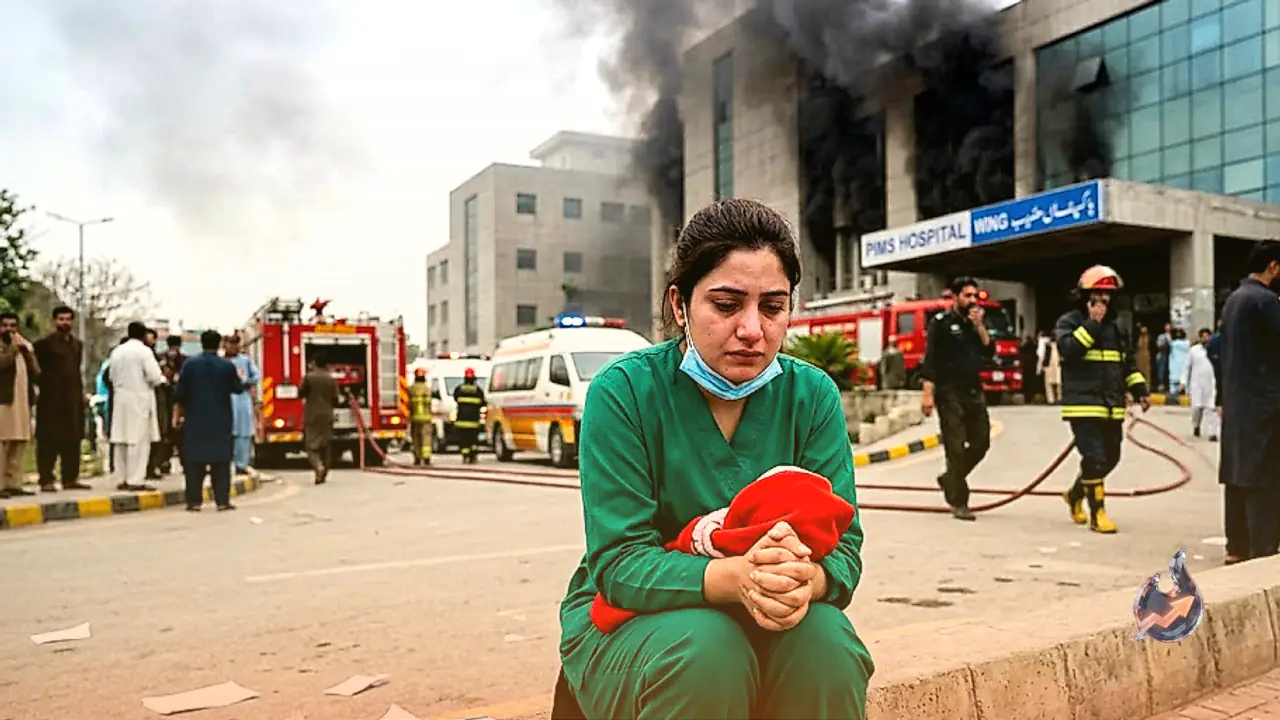




















Recent incidents involving the deaths of new mothers in Rajasthan have cast a long shadow over the state's healthcare infrastructure. With reports emerging from government medical facilities in Kota, Ajmer, and Bhilwara, the state government faces intense scrutiny from the opposition regarding the quality of maternal care. Initial findings have highlighted several critical concerns, including the efficacy of medication, the management of high-risk patients during referral, and complications arising during childbirth. In response to these alarming events, the state administration has fast-tracked investigations and initiated a comprehensive audit of medical services across the region.
Official Stance on Accountability
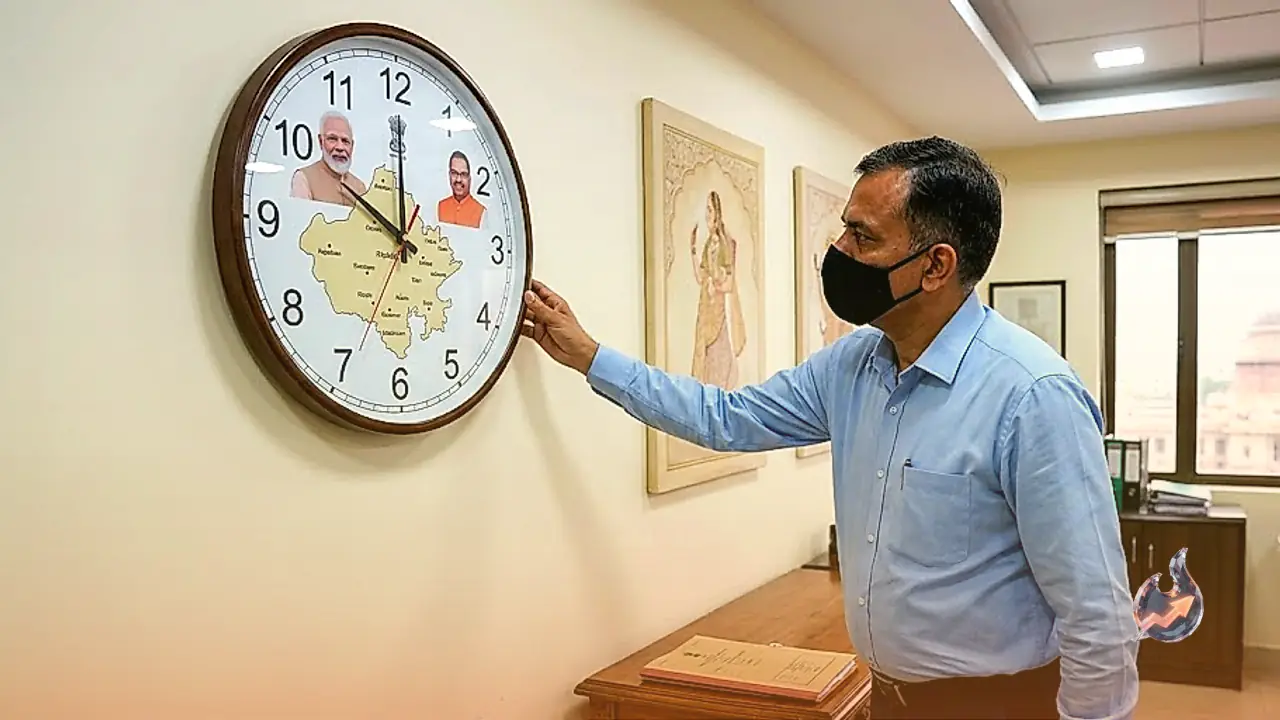
Gajendra Singh Khimsar, the state's Medical and Health Minister, characterized the situation as deeply distressing. He affirmed that the government is treating these incidents with the utmost seriousness and that a thorough, multi-layered investigation is currently underway. Minister Gajendra Singh Khimsar stated unequivocally that any negligence identified at any level of the healthcare system will be met with strict disciplinary action against those responsible, ensuring that accountability is upheld to prevent further such tragedies.
Statistical Breakdown of the Crisis
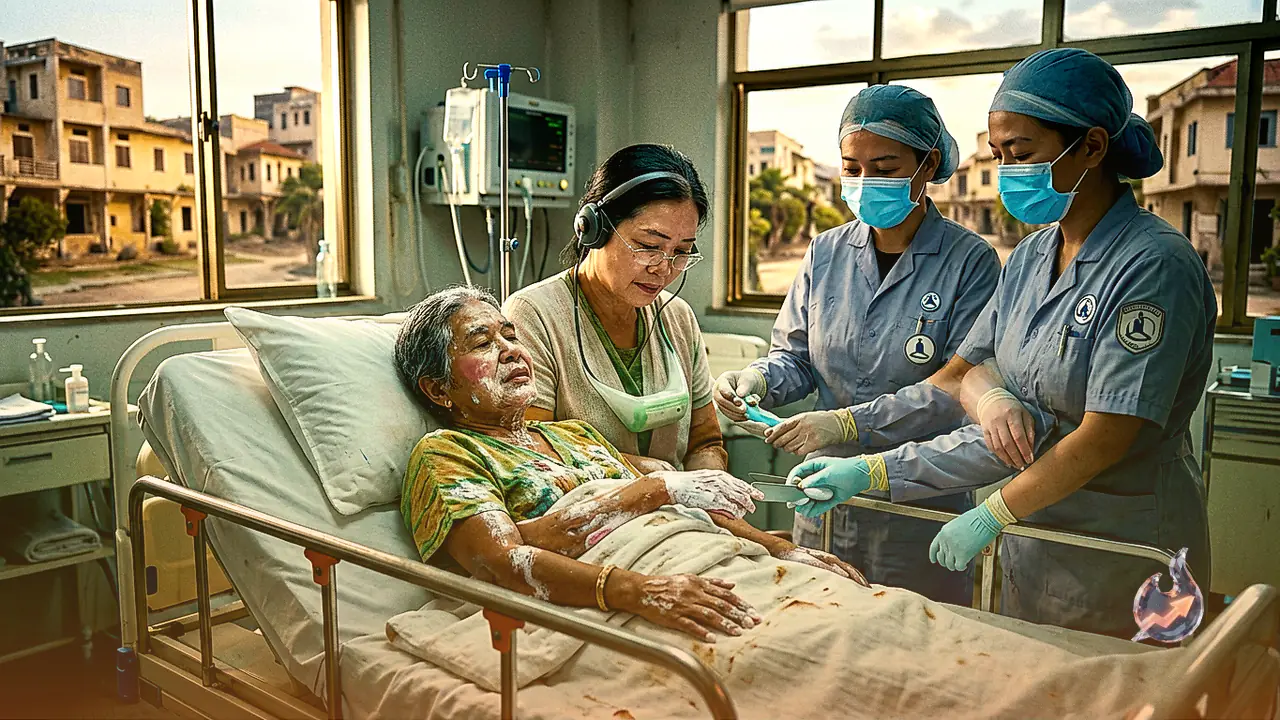
The toll of these incidents has been spread across several key districts. At Kota’s New Medical College and J.K. Lon Hospital, 5 women lost their lives shortly after childbirth. Simultaneously, at PBM Hospital in Bikaner, 6 patients suffered from severe infections and kidney failure, resulting in 2 deaths. More recently, Bhilwara’s Mahatma Gandhi Hospital reported the deaths of 5 mothers within a span of just 6 days. Preliminary investigations indicate that a significant majority of these patients were brought in from other districts in critical condition. Major factors contributing to these outcomes included severe infections, hemorrhage, and complex delivery conditions. Furthermore, concerns regarding the quality of Oxytocin injections have led to a probe into pharmaceutical standards.
High-Level Review and Systemic Evaluation
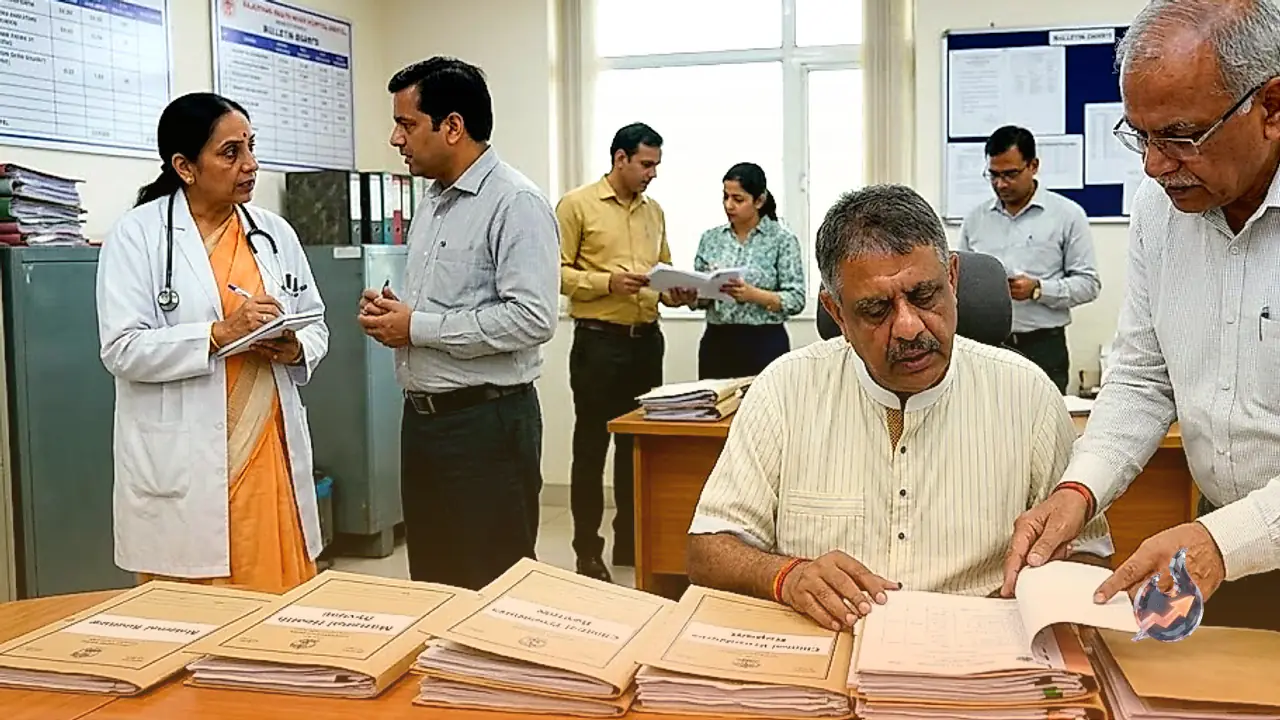
While Minister Gajendra Singh Khimsar noted that Rajasthan maintains a maternal mortality rate lower than many other Indian states, he conceded that the recent clusters of deaths are unacceptable. To address these systemic failures, a high-level meeting has been scheduled for Monday in Jaipur. This meeting will include senior gynecologists, medical college principals, and health department officials. The agenda focuses on auditing medical reports, evaluating the current referral system, and ensuring that clinical protocols are strictly adhered to across all state facilities.
Addressing Referral Pressures and Drug Quality
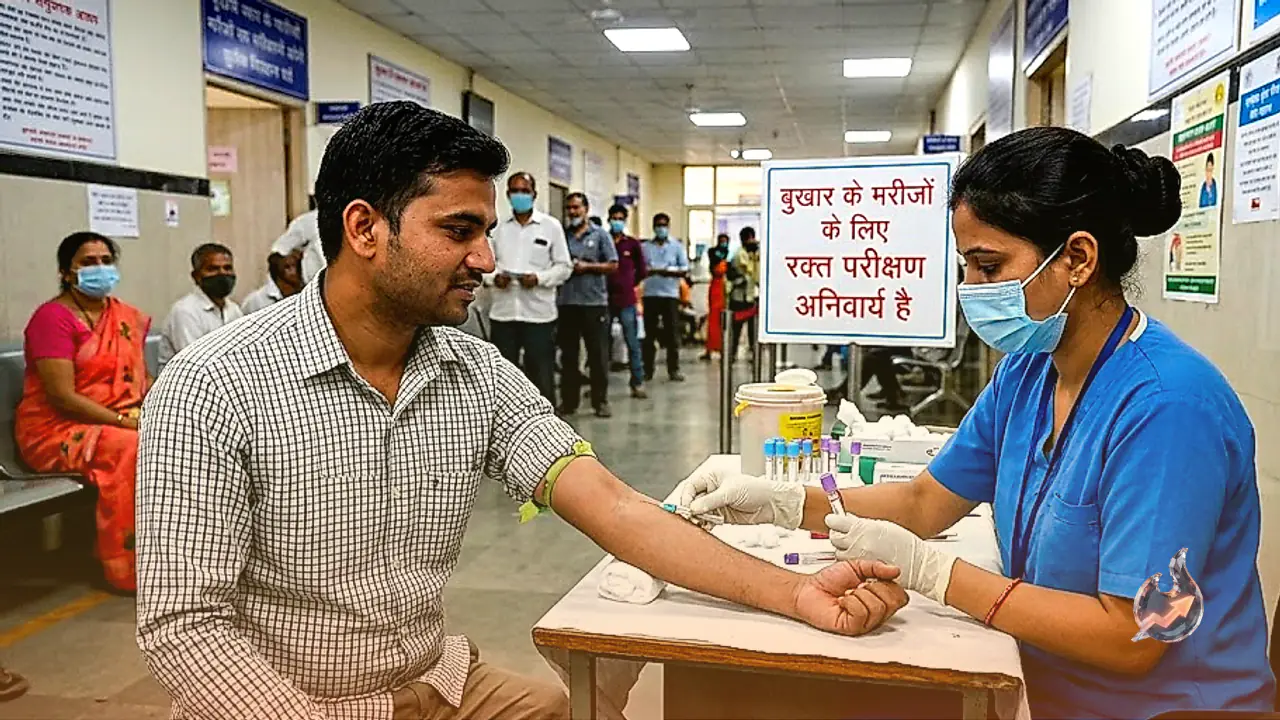
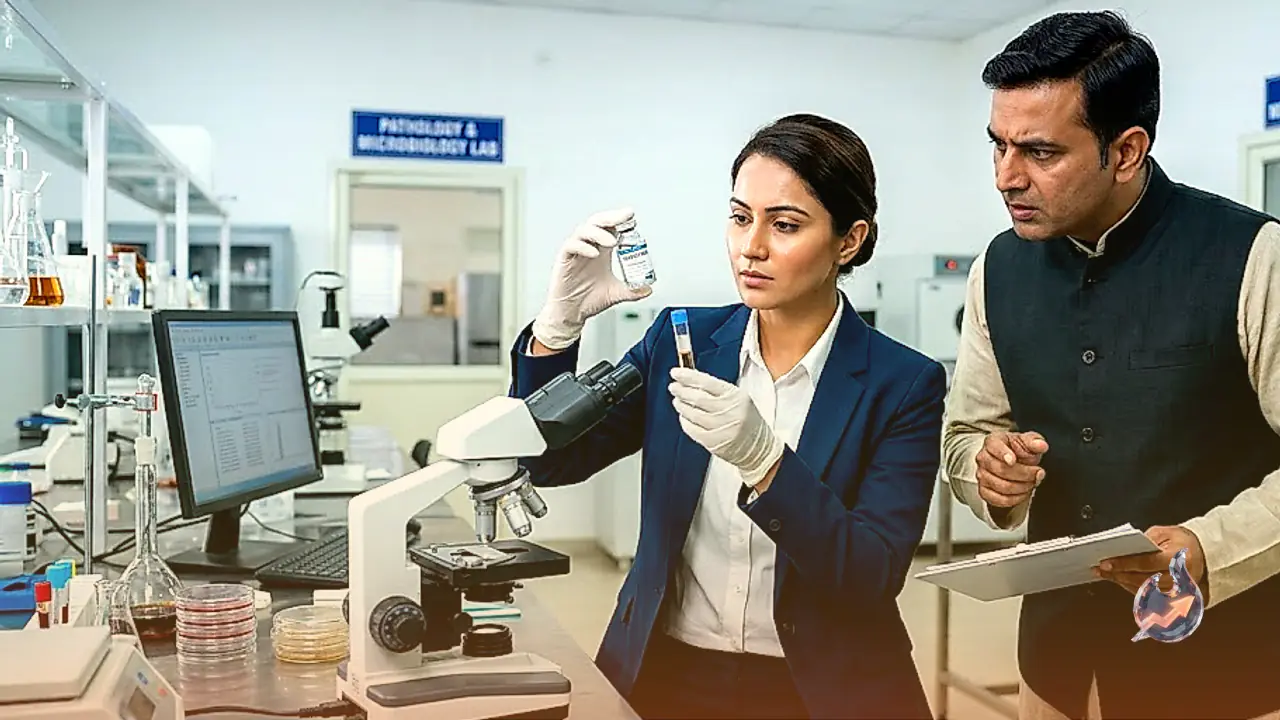
Explaining the operational challenges, Gajendra Singh Khimsar emphasized that large government hospitals are consistently tasked with handling high-risk, referred cases. He stated that since medical treatment is provided free of charge, hospitals are obligated to accept every patient regardless of their condition. Regarding the Oxytocin injection controversy in Kota, he disclosed that testing revealed certain vials from that specific batch contained fluid instead of the actual medication. Consequently, the central government has blacklisted the manufacturing company and ordered the sealing of their production unit. The government has also dispatched samples of existing medicine stocks for rigorous testing and directed all district hospitals to enforce strict treatment protocols to safeguard patient health.