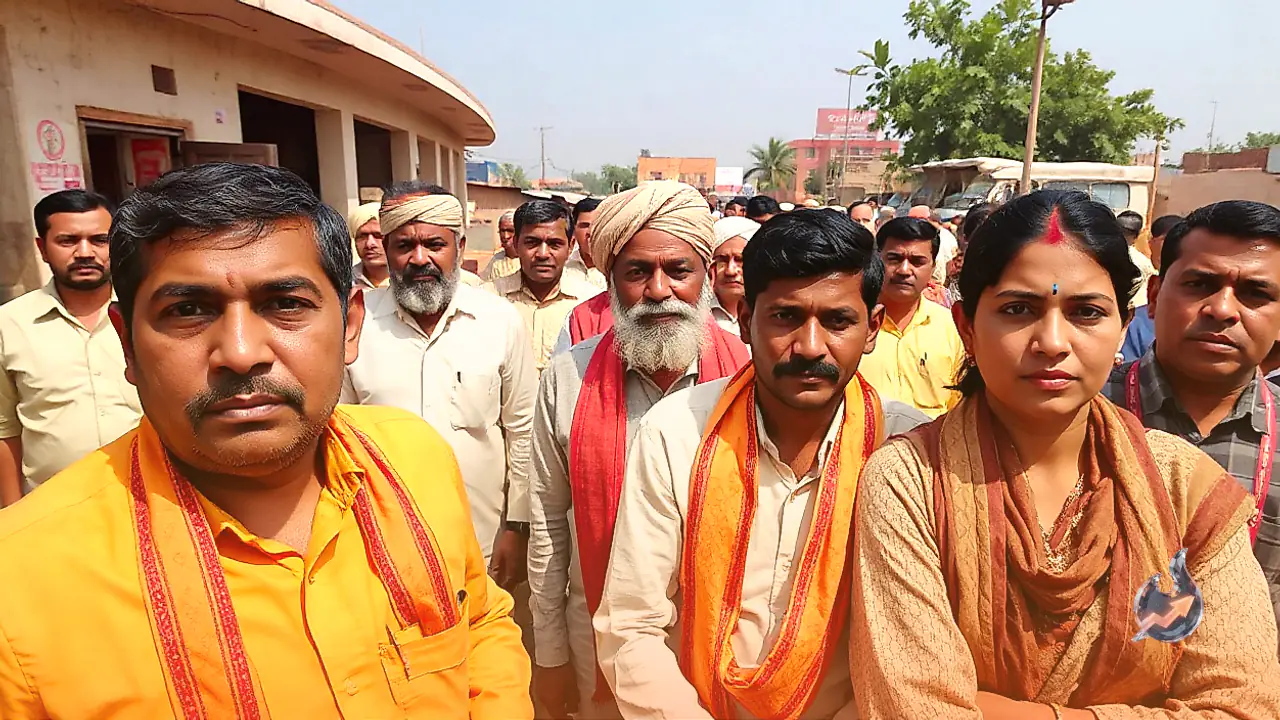

The political landscape in Rajasthan has witnessed a significant shift following the declaration of the local body election results in Bharatpur. In a major jolt to the ruling party, the Congress has secured a resounding victory in the district council elections held in Chief Minister Bhajanlal Sharma home district. Out of the 31 total seats available in the district council, the Congress party has emerged dominant by winning 21 seats, whereas the Bharatiya Janata Party managed to secure only nine seats, falling significantly short of a majority.
Breakdown of District Council and Panchayat Committee Results
The administrative structure of Bharatpur comprises 31 wards and 7 panchayat committees, all of which went through rigorous electoral contests. The counting of votes revealed a clear mandate for the Congress in the district council, granting them a comfortable lead with 21 victorious candidates. Meanwhile, the BJP had to settle for nine seats. Furthermore, the panchayat committee elections saw independent candidates making notable gains across several regions, complicating the electoral arithmetic for both major political formations in the district.
Contrasting Trends from Previous Elections
A retrospective look at the prior district council elections highlights a starkly different political reality. During the previous cycle, the region accounted for 37 wards, where the BJP had established itself as the single largest party by bagging 17 seats. Back then, the Congress secured 14 seats, while independent candidates won 4 seats and the Bahujan Samaj Party secured 2 seats alongside others. The current electoral cycle has completely reversed those dynamics, shifting the momentum heavily toward the opposition in these rural pockets.
Political Fallout and Ramifications
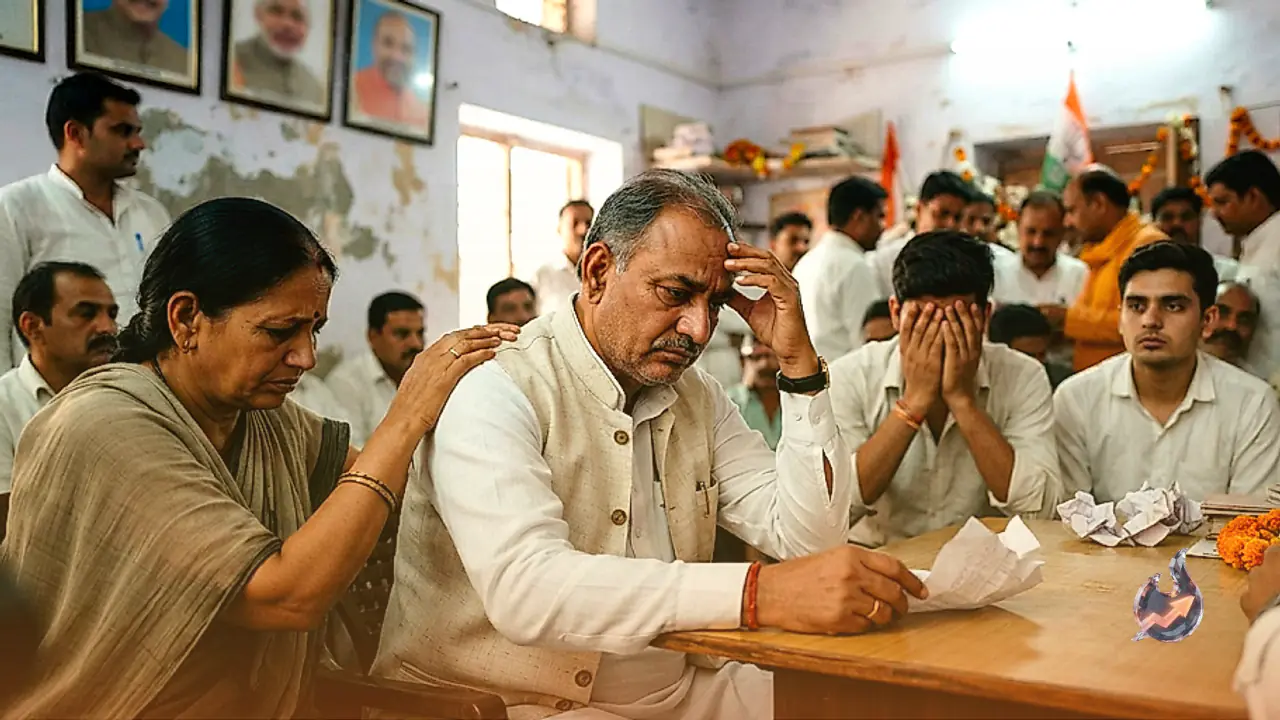
The unexpected reversal in the Chief Minister home turf has triggered widespread discussions regarding grassroots support for the ruling administration. Political observers note that even ministers and senior party figures faced resistance in their respective spheres of influence. Opposition leaders have seized upon these results to signal growing rural discontent against the current government. As party strategists and local leaders begin evaluating the factors behind this electoral setback, the focus shifts toward course correction ahead of future political battles across the state.