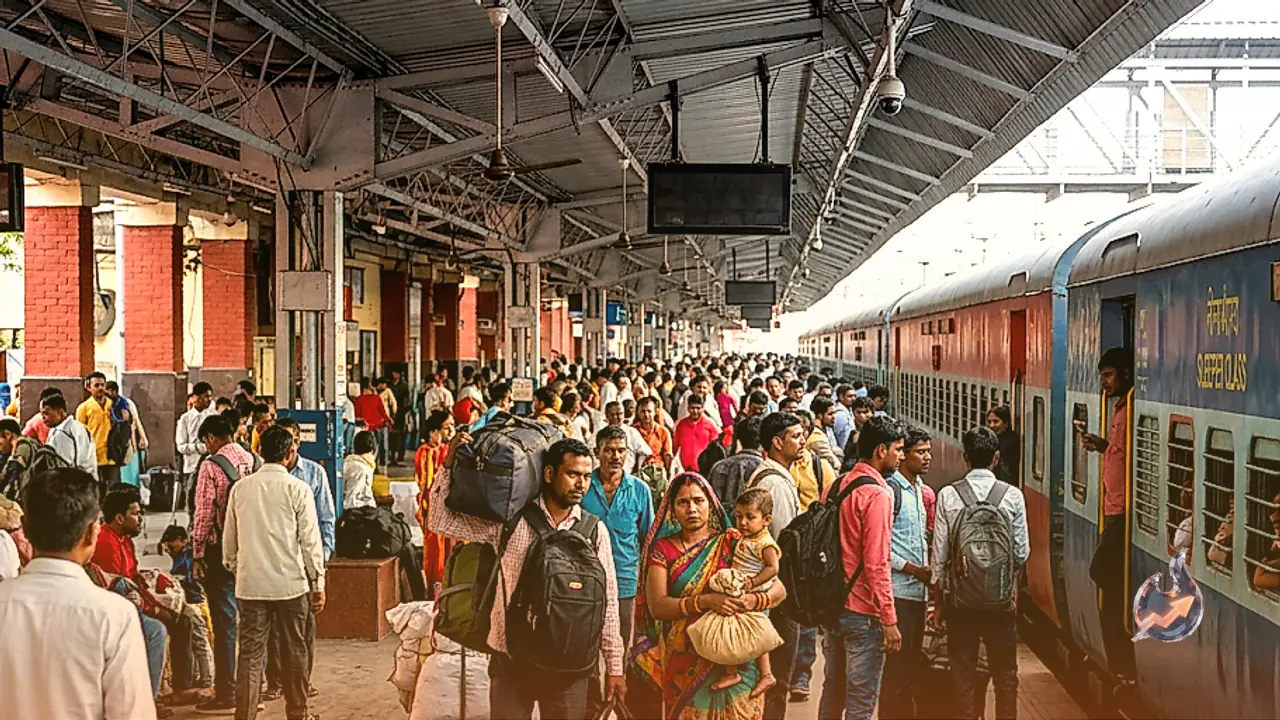

















On the auspicious occasion of Govardhan Puja, cattle herders in Dharmpura village of Kota kept a long-standing tradition known as 'Khekhra' alive. To witness this unique cultural practice of the Hadoti region, a large number of villagers gathered from early morning, filling the entire settlement with a festive atmosphere. The day began with herders bathing and adorning their cows and buffaloes, tying peacock feather headpieces to their heads, and performing traditional rituals.
Ritualistic Adornment and Worship
Since the Gurjar community is primarily engaged in cattle rearing and the dairy business, these animals hold a revered status akin to the goddess Lakshmi for them. Following the formal worship, the main event of 'Khekhra' commenced, marking the most anticipated part of the celebration. The entire ritual involves distinct steps that test the agility of the animals and the skill of the herders.
How the Khekhra Tradition Works
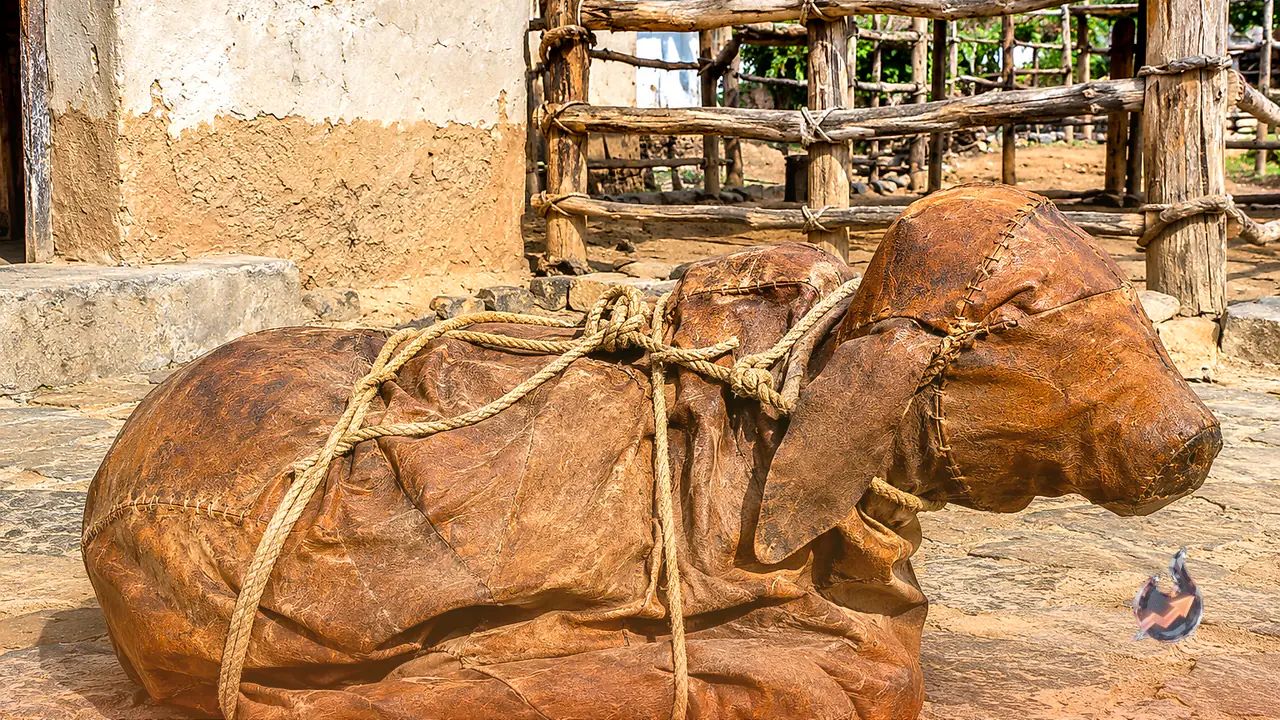
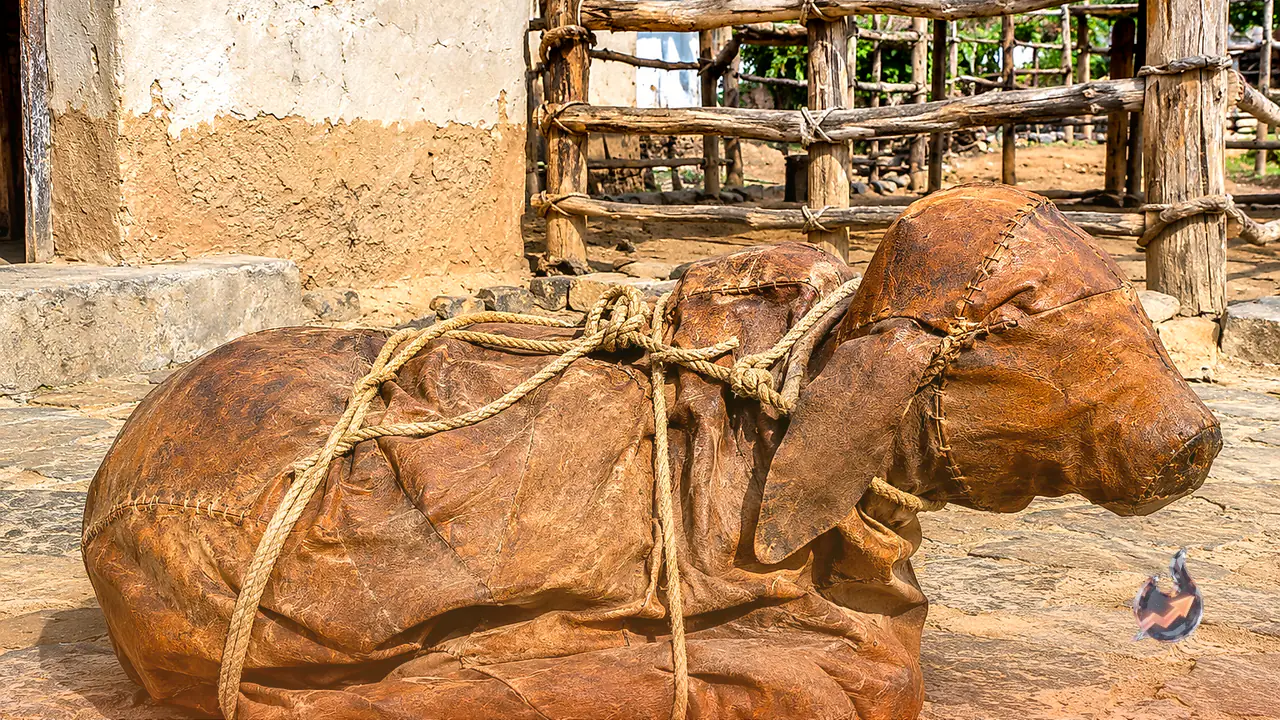
In this peculiar practice, the hide of a deceased buffalo calf is stuffed with fodder and securely tied with a rope. This stuffed hide is first allowed to be sniffed by the cattle, after which it is pulled forward while the animals chase excitedly behind it. Herders holding the rope run in front, showcasing the remarkable agility and enthusiasm of the livestock. Throughout this thrilling sequence, village elders also sing traditional folk songs known as Got gayan to elevate the festive spirit.
Underlying Meaning of Animal Protection
According to village elders, the core sentiment behind this tradition is the protection and conditioning of the livestock. When cattle graze in forests, they are accompanied by their young ones. By sniffing the hide, the animals associate it with their offspring, which triggers a protective instinct within them and makes them self-reliant. It is strongly believed that this practice keeps the animals healthy and thriving. Although the sport is thrilling, it carries inherent risks as young herders can occasionally get injured or trampled by the charging animals. Despite these hazards, the enthusiasm of the locals never wanes, and the tradition is performed with the same vigor every single year.
Widespread Observance Across Hadoti Region
Ravi गुर्जर, former president of the Government College student union, explained that this tradition is practiced across every village in Kota, Bundi, Baran, and Jhalawar. A notable aspect of the festival is that individuals who have migrated to cities like Kota return to their native villages on Padwa to participate in the ritual. Everyone who owns livestock takes part in the festivities. People residing in urban areas travel back to their villages specifically for this day to keep a tradition alive that has endured for generations and will continue to do so. Educating the younger generation about these ancestral customs remains essential.