

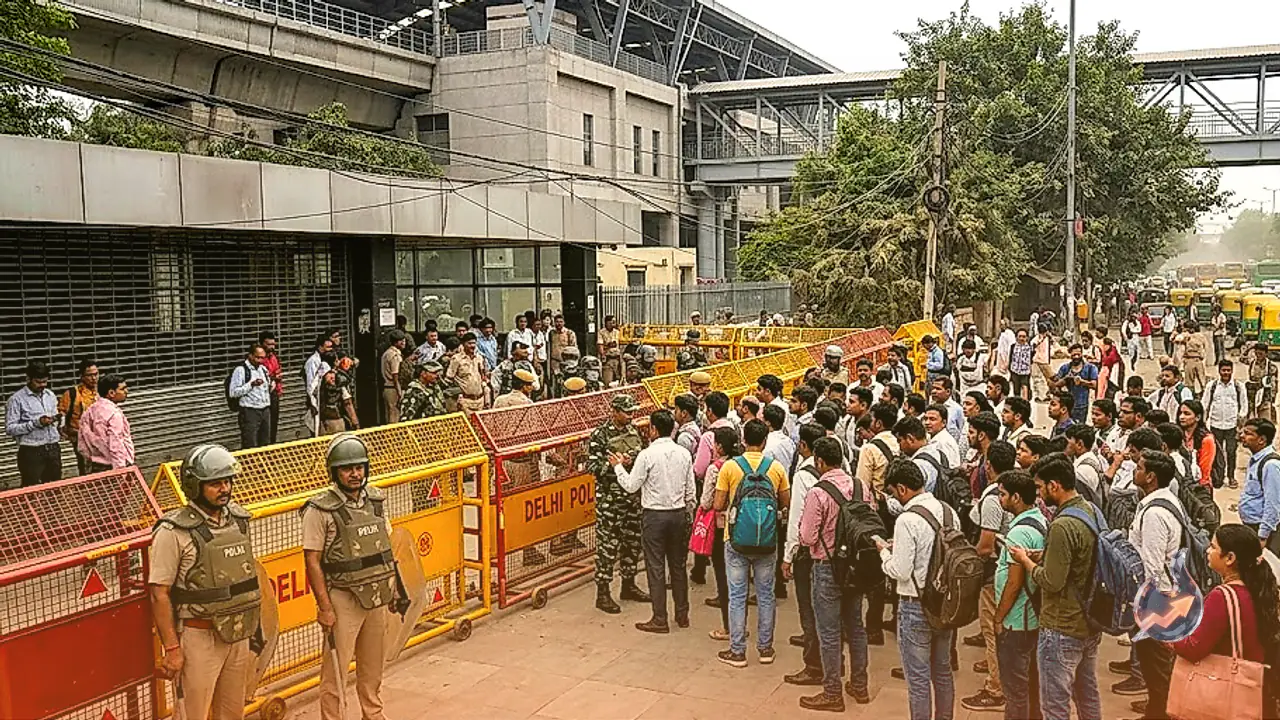






















A recent dispute from the Katihar district of Bihar has triggered an intense conversation on modern relationships, individual ambition, and shifting family dynamics. Following a love marriage, Hanslal claims he expended extensive financial resources amounting to lakhs of rupees to fund the higher studies and recruitment exam preparation of his wife, Pratibha Vishwakarma. However, according to Hanslal, their bond began fraying immediately after she gained appointment to the police department, culminating in her refusing to meet him altogether. While Pratibha has not officially made her side of the story public and one-sided claims cannot be treated as settled reality, the controversy has once again highlighted the structural tensions that emerge when one partner undergoes a massive professional transformation.
Parallels Drawn with the Jyoti Maurya Controversy
The situation in Katihar has drawn widespread comparisons to the high-profile marital discord between Jyoti Maurya and Alok Maurya in Uttar Pradesh. In that episode as well, the husband, Alok Maurya, claimed he supported his wife through years of preparation until she cleared the public service commission examinations to become an officer, after which their marriage deteriorated into intense legal conflict and media attention. The repetition of such narratives in public spaces fuels an ongoing societal debate over whether professional authority, social status, and newfound independence cause older marital bonds to be viewed as inconvenient burdens. Many observers question whether achieving economic independence leads individuals to discard their past commitments and reciprocal obligations.
Psychological Dynamics Behind Identity Shifts and Career Growth
From a psychological viewpoint, occupational advancement alone does not cause disloyalty or emotional estrangement in a relationship. Rather, climbing into an official position significantly alters an individual's personal confidence, professional network, financial autonomy, and future expectations. Such changes fundamentally disrupt the established equilibrium of a domestic partnership, particularly when neither spouse adapts smoothly to the other's evolving roles and demanding schedule. When two people enter marriage envisioning a shared lifestyle, a sudden divergence in priorities can generate friction. Nevertheless, this outcome is not universal for every upwardly mobile individual, as relationship breakdowns often stem from deeper issues such as broken communication, pre-existing incompatibilities, familial pressures, emotional dissatisfaction, and structural lapses in mutual trust.
Internal Dissonance and Declining Emotional Investment
Mental health professionals observe that when an individual transitions rapidly from severe personal struggle to high socio-economic status, such as securing government employment or administrative power, they often experience an intense identity shift accompanied by cognitive dissonance. In this environment, a person's immediate priorities can change abruptly. Their older domestic surroundings and the partners who stood beside them during leaner years may suddenly seem disconnected from their current responsibilities and elevated social circles. As an individual focuses on personal career heights, the emotional investment previously dedicated to the marriage can dwindle. The relentless pursuit of social upgrading often distances people from their foundational circles, occasionally leading to profound isolation or a shift toward new associations.
Weighing Individual Ambition Against Marital Trust
The central dilemma emerging from this episode is whether personal advancement is justified when achieved at the cost of broken promises and emotional pain inflicted on a spouse. Every person holds the fundamental right to chase professional ambitions, cultivate independence, and attain high career milestones. Education and employment remain the bedrock of individual growth and dignity. However, when career breakthroughs cause someone to abandon those who provided indispensable backing during adversity, the triumph itself rings hollow. Simultaneously, it raises a necessary question about the expectations of supporting partners: do individuals encourage their spouses to become genuinely self-reliant, or do they expect them to conform indefinitely to traditional expectations even after achieving major milestones? Sometimes, partners unconsciously attempt to retain ownership over a spouse's newfound independence.
Resolving Crises Through Deeper Communication
It remains premature to assign blame or draw firm conclusions regarding the exact causes behind the estrangement between Hanslal and Pratibha without hearing both sides of the story. Professional success inevitably tests the endurance and adaptability of any marriage, but the outcome does not have to be tragic. In truly resilient partnerships, both spouses embrace each other's career advancement without feeling insecure or threatened by changing status. Whenever differing ambitions begin pulling a couple in divergent directions, committing to deep, patient dialogue offers a far healthier resolution than trading grievances in public forums.