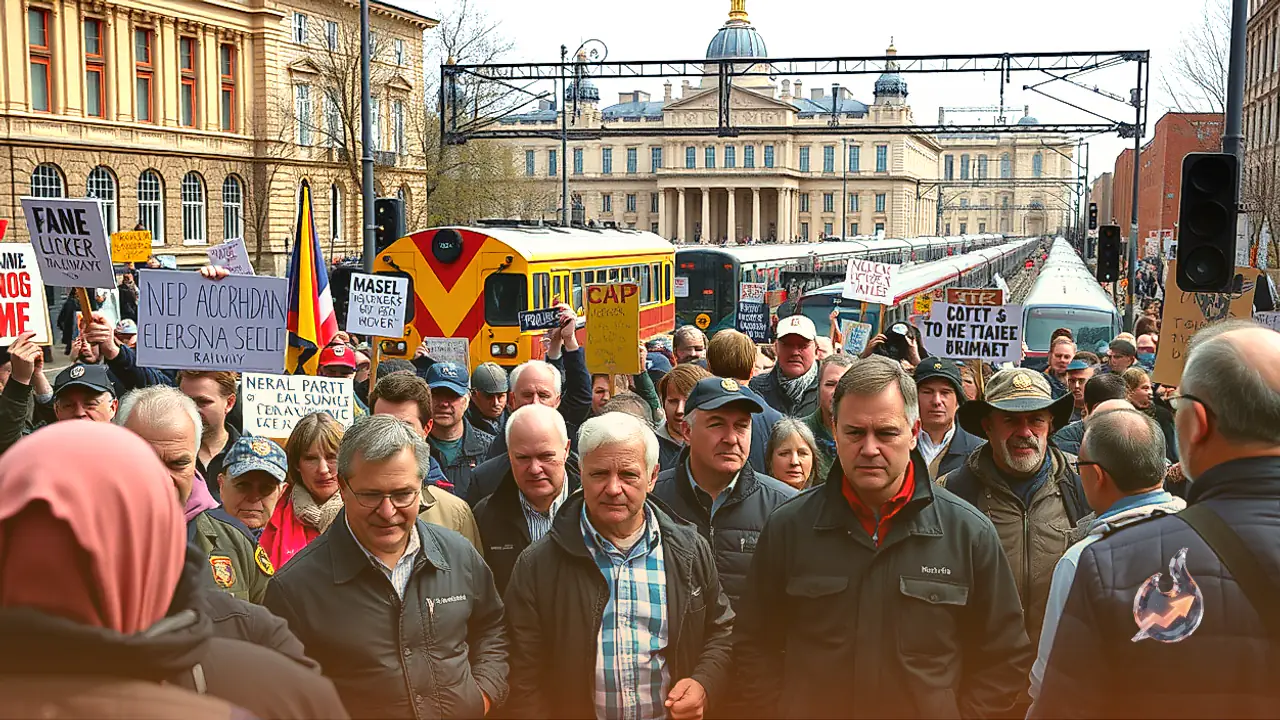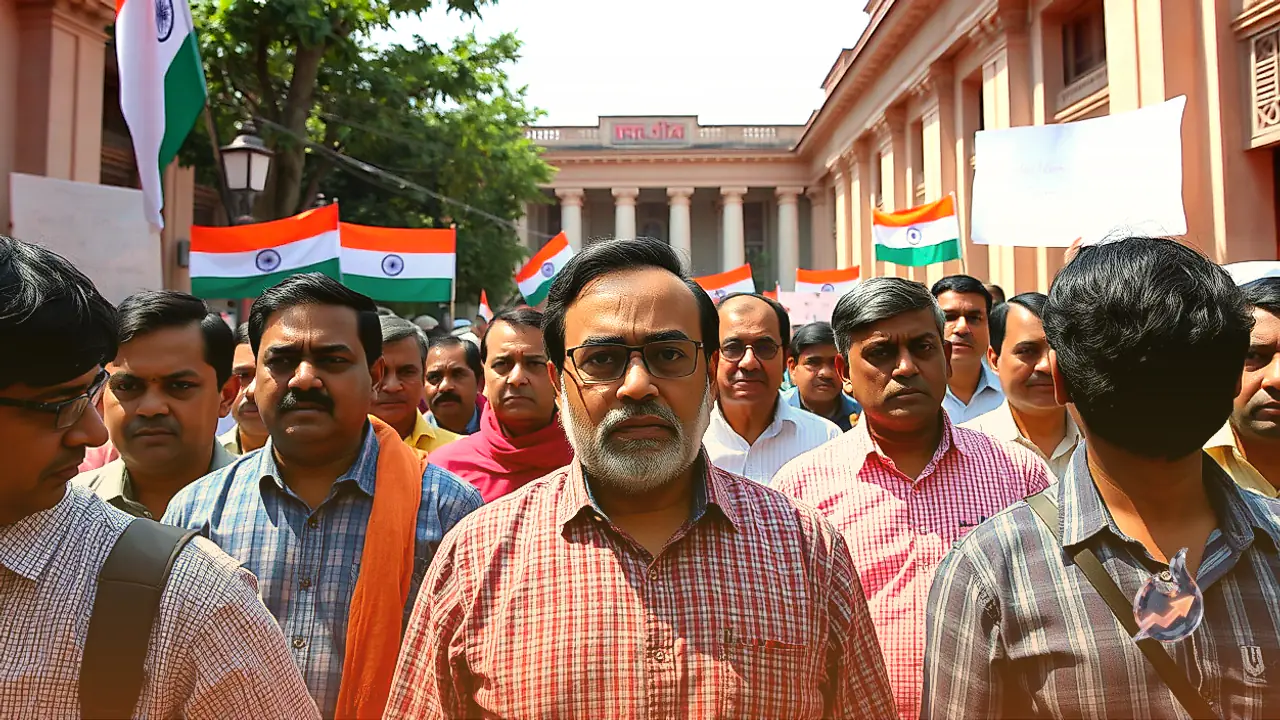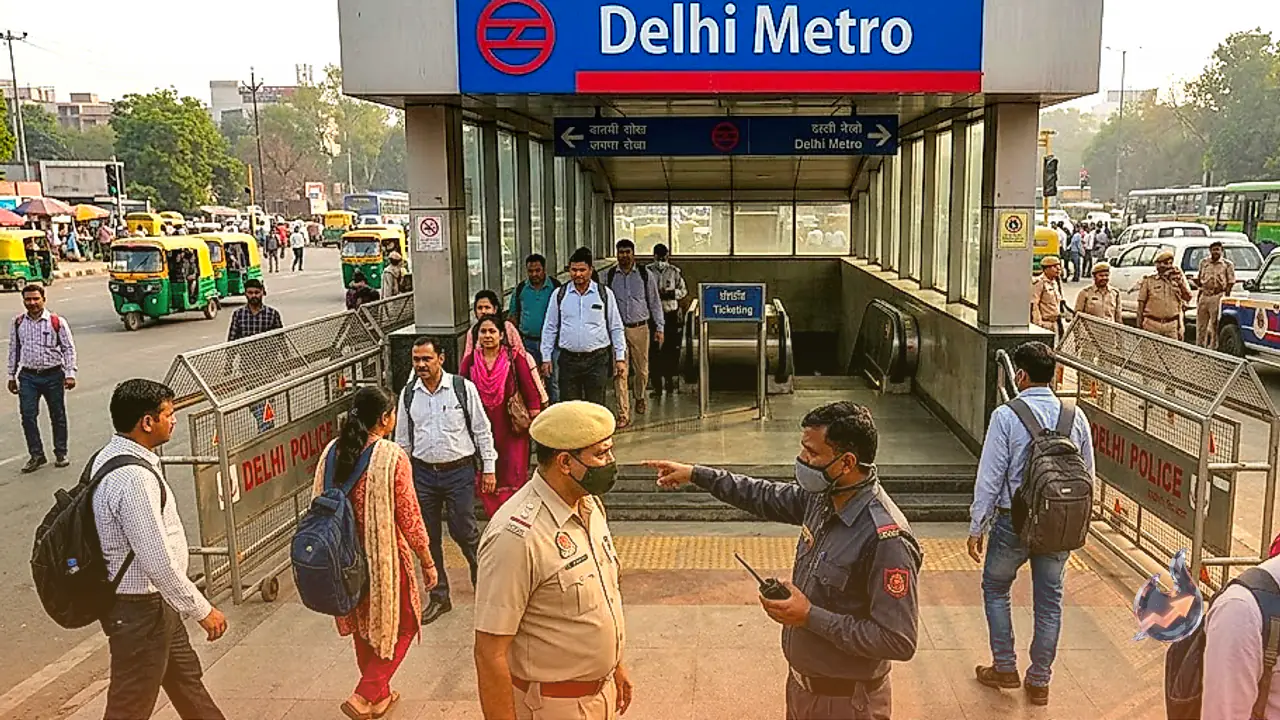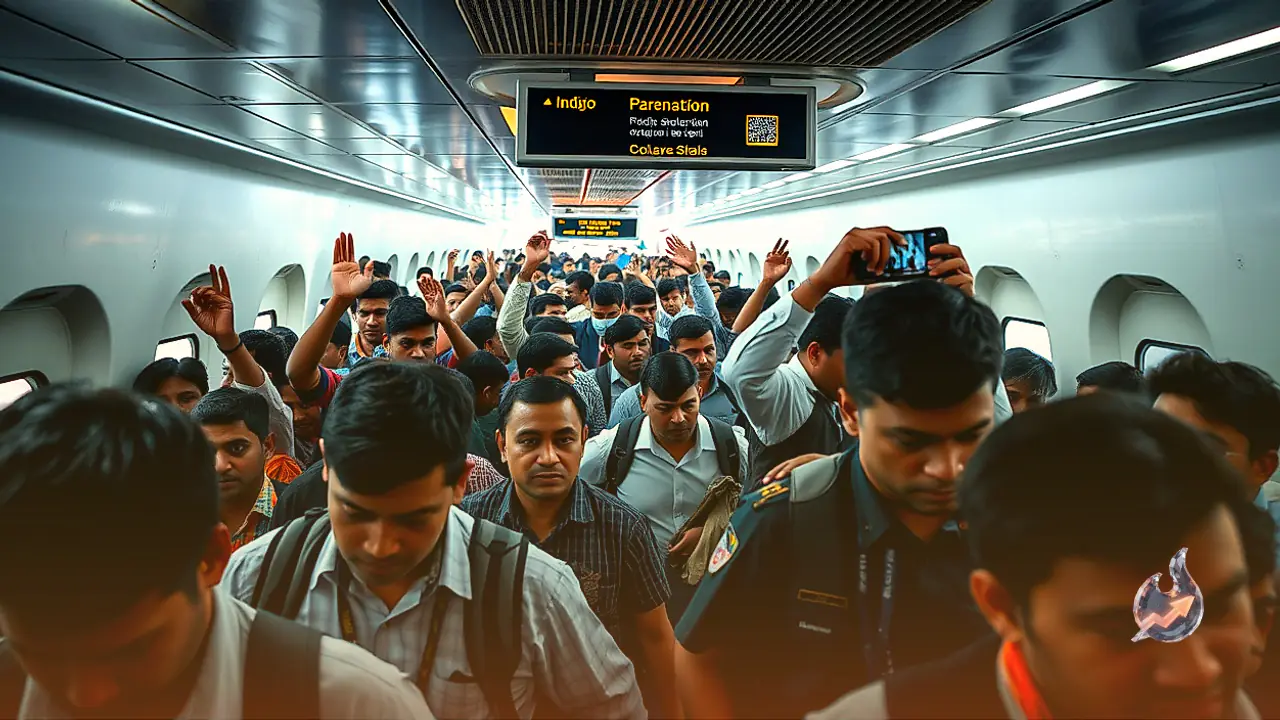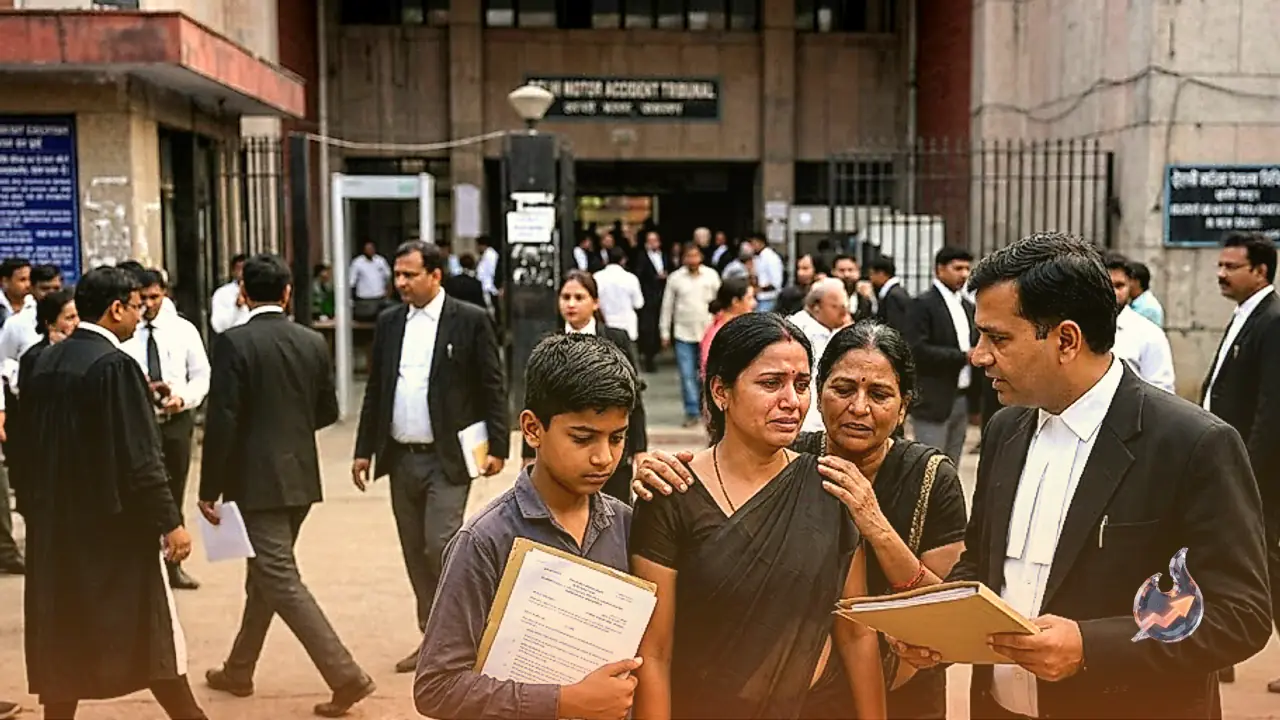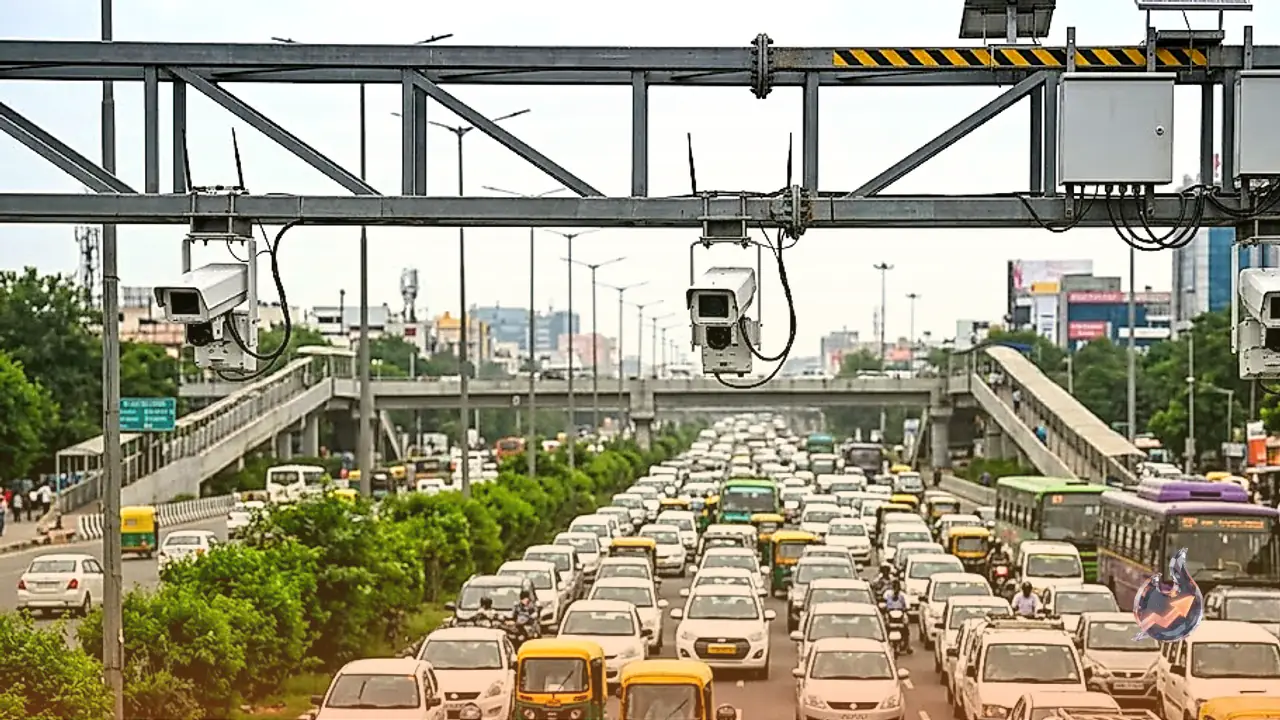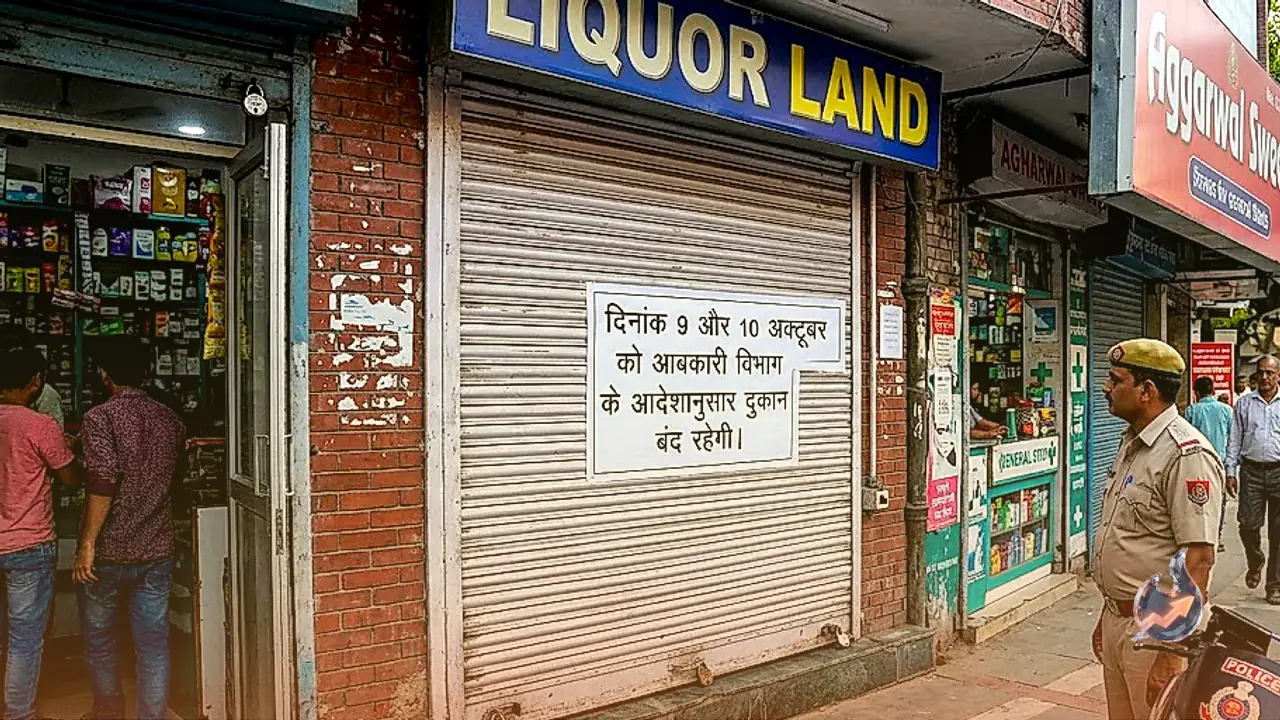

















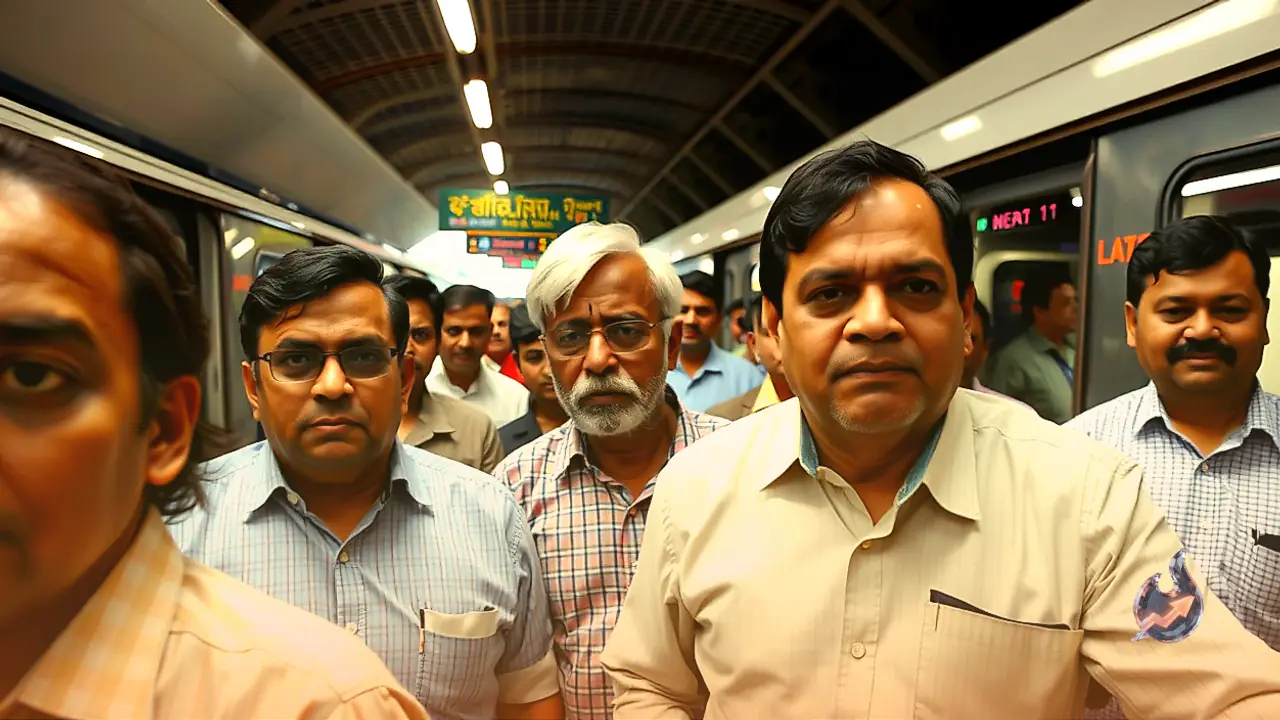

A sweeping administrative lockdown of the national capital ahead of a planned October 10 political gathering reached the Supreme Court on October 9. Senior advocate and Member of Parliament Kapil Sibal raised strong objections before a bench presided over by Chief Justice of India Surya Kant, challenging the shutdown of gates across 57 major metro stations, widespread train cancellations, and heavy security deployments across the city. Arguing that ordinary civic movement had been brought to an absolute standstill, Sibal sought prompt intervention from the top court against the blanket security measures imposed in anticipation of the Cockroach Janata Party demonstration.
Sibal Challenges Citywide Paralyzation in Court
Presenting a grim picture of daily conditions across Delhi, the senior advocate questioned the legality of freezing public mobility for a political rally. Pointing out that regular passenger transit had been abruptly halted and city gates sealed, Sibal questioned the bench, “What is happening in my country?” He emphasized that an intended peaceful public gathering could not justify stripping millions of everyday commuters of their freedom of movement, urging the bench to examine the proportionality of the state’s response.
Senior advocate Gopal Sankaranarayanan similarly criticized the heavy-handed curbs imposed by local authorities, questioning whether governance failure could justify bringing an entire metropolis to a grinding halt. He argued before the bench, “You cannot shut down an entire city just because you are unable to manage it.” Both lawyers insisted that preventive governance should not translate into an undeclared siege of the capital.
Sixteen-Page Dossier Details Sweeping Police Restrictions
To substantiate their plea, the petitioners submitted a 16-page compendium detailing the scale of the administrative measures. The submission documented formal advisories issued by Delhi Police, restrictive orders under Section 163 of the Bharatiya Nagarik Suraksha Sanhita (BNSS), rail cancellations, and disruptions affecting app-based taxi operations across multiple corridors.
Furthermore, the dossier highlighted proactive ground operations conducted by law enforcement ahead of the planned Cockroach Janata Party gathering. These included police outreach to local Resident Welfare Associations (RWAs) and religious institutions, as well as aggressive inspection drives across budget hotels, guest accommodations, and hostels throughout the city. The counsel argued that refusing official clearance for the gathering had been accompanied by disproportionate measures that immobilized ordinary residents.
Balancing Fundamental Rights and Legal Boundaries
Addressing the tension between public order and civic freedoms, Justice Joymalya Bagchi observed that while the right to assemble and organize remains undeniable, such collective activities must operate within legal frameworks. The bench remarked that the freedom of association is an established entitlement, yet its exercise must necessarily adhere to statutory regulations.
When the counsel pointed out that the organizers had formally sought administrative clearance but were turned down, Justice Bagchi stressed the need to assess the concrete operational reality on the ground. Emphasizing the distinction between permitted and unpermitted gatherings, Justice Bagchi noted, “If a protest is held with permission, it is a lawful protest.” He added that while courts do not deny citizens the inherent right to voice dissent, doing so outside official approval involves acting at their own risk.
Bench Demands Full Facts Before Striking a Balance
Focusing on the challenge of balancing public inconvenience against civic protest, Justice Bagchi highlighted the dilemma of judicial intervention without hearing both sides. He observed that restricting the gathering entirely would infringe upon collective assembly, yet regulating civic life required objective inputs. Asking how a fair balance could be struck in the absence of complete representation, the bench pressed the petitioners for clearer details regarding the organizers and anticipated crowd numbers.
The court pointed out that resolving the matter required examining two distinct groups: ordinary citizens demanding basic access to daily life, and the collective body seeking to stage the demonstration. Because the opposing side was not formally represented before the bench during the mention, the judges asked for comprehensive data before taking any concrete steps. The senior counsel assured the court that they would return with full particulars regarding the demonstration and its logistical footprint.