






















Meerut in western Uttar Pradesh is remembered as the city where the first war of independence began on 10 May 1857, but the region carries an equally rich religious legacy that traces back to the Ramayana and Mahabharata eras. Around 20 kilometres from the city lies Gagol Teerth, a site steeped in legends about Lord Ram's arrival here. Mahant Shivdas Maharaj, who heads Gagol Teerth, laid out the history and stories tied to this shrine in detail.
The penance ground of Maharishi Vishwamitra
According to Mahant Shivdas Maharaj, Gagol Teerth is regarded as the tapasthali, or the site of penance, of Maharishi Vishwamitra, and this finds mention across several religious texts. Legend holds that Maharishi Vishwamitra sat here with the Saptarishis, the seven sages, to perform structured prayers and yagnas. Another belief tied to the region states that this stretch of Meerut once fell under the kingdom of Mai Danav, who is known as the father of Mandodari, the wife of Ravana, linking this land to Lanka's royal family as well.
Sages tormented by demons
As the story goes, demons terrorised this region at the time, repeatedly disrupting yagnas and harassing sages absorbed in penance, so that no ritual could ever be completed. When the torment crossed all limits, the sages carried their grievance to Maharishi Vishwamitra. He then travelled to King Dashrath's court and requested that Lord Ram accompany him, so the yagnas could be protected and the region freed from the demons' terror.
A pond born from Lord Ram's arrow
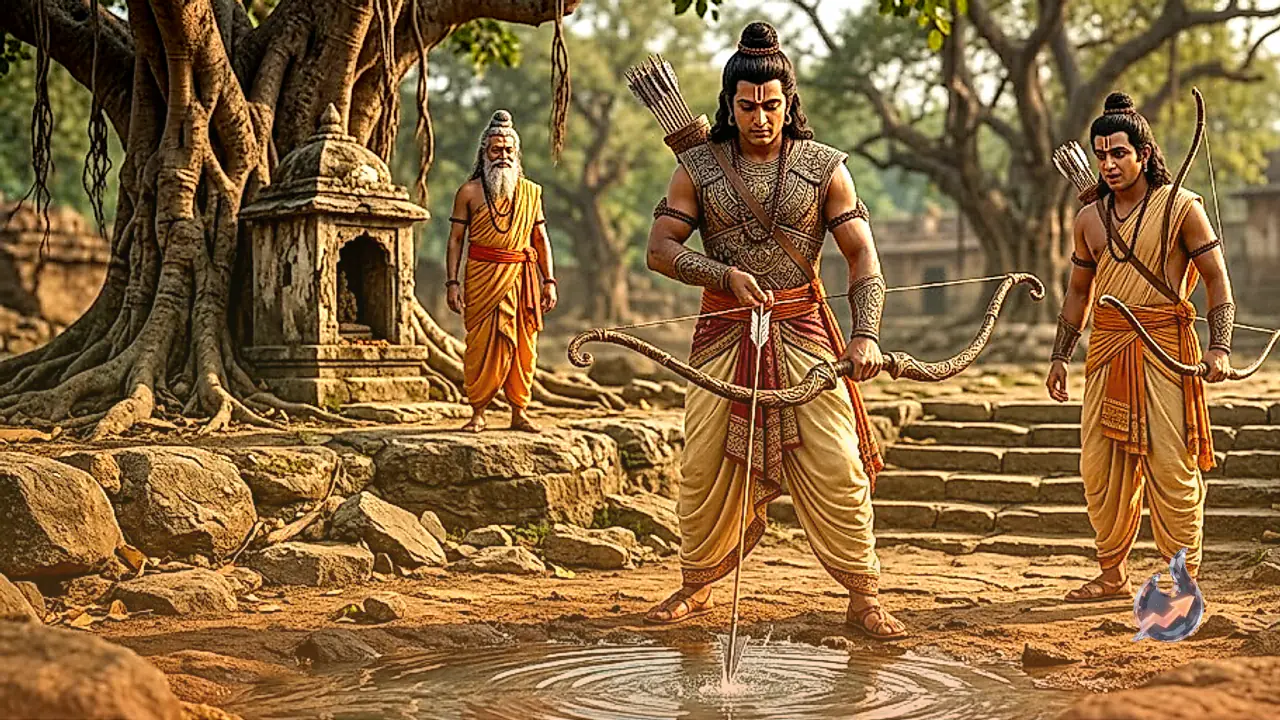
Mahant Shivdas Maharaj recounts that Lord Ram then arrived at Gagol Teerth along with his brother Lakshman. It is believed that he slayed the demons here and freed the entire area from their terror, after which yagnas and religious rituals resumed at the site. Another interesting belief holds that during this time, Lakshman grew intensely thirsty, but no water was available nearby. Lord Ram is said to have struck the earth with his arrow, causing a stream of water to appear on the spot. That very place exists today as a pond, one that has remained a major centre of faith for devotees even centuries later.
Crowds during Chhath, plans to turn it into a tourist spot
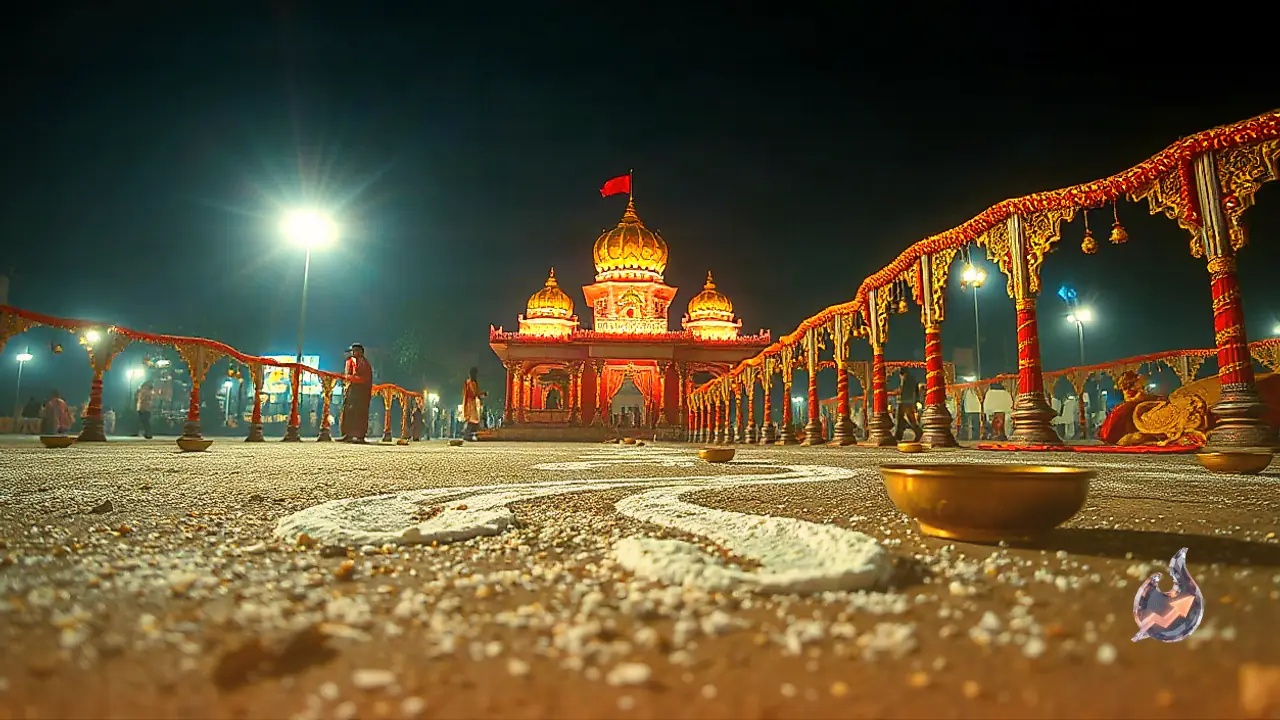
On occasions such as Chhath and several other religious festivals, large numbers of devotees gather at this pond in Gagol Teerth to offer prayers. Given the deep faith of local residents, the state government is carrying out ongoing development work at the site, with the aim of eventually developing it into a major tourist destination. This is expected to not only provide better facilities for devotees but also boost employment and tourism in the surrounding area.
Statues of the Saptarishis and a yagna hall
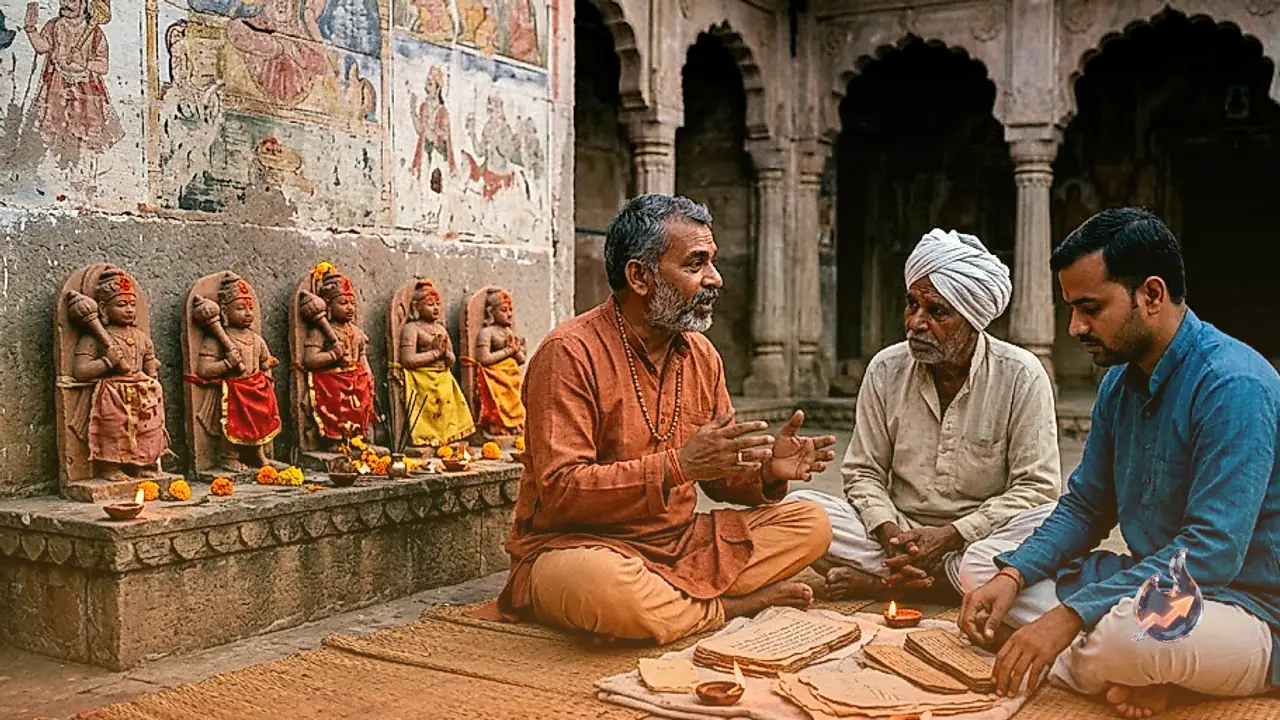
Along with idols of Lord Ram and Lakshman, statues of the Saptarishis have also been installed within the Gagol Teerth complex. A yagna hall on the premises depicts the Saptarishis performing a yagna, giving devotees a glimpse of the religious tradition from that era. There is also a belief that bathing in this pond brings relief from various skin ailments, drawing people from far and wide to bathe here.
Swastika-shaped Shivlings at the Moksha Dham
A separate, dedicated section called Moksha Dham has also been developed within the Gagol Teerth complex. Here, hundreds of small Shivlings have been arranged in the shape of a swastika, with a main Shivling installed right at the centre. It is believed that devotees who worship here with proper rituals attain moksha, or salvation. This is why large numbers of people continue to visit Gagol Teerth for worship and darshan, keeping the centuries-old faith tied to this site just as strong today.