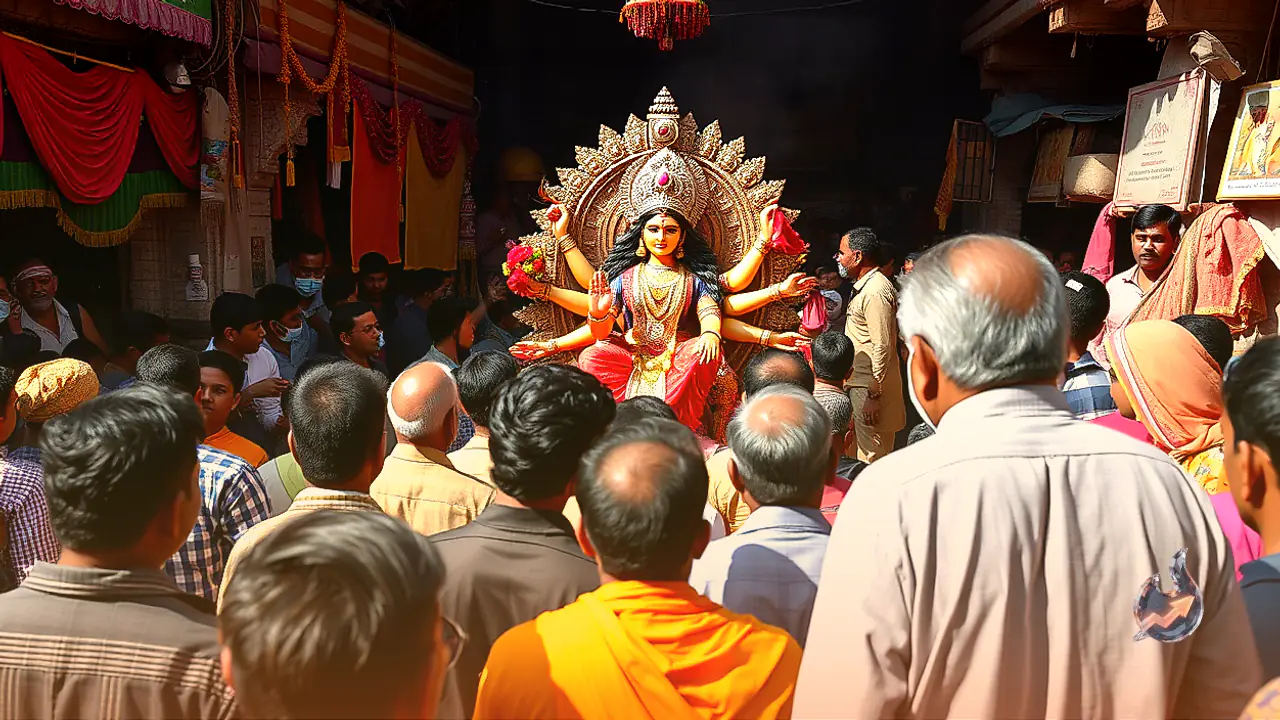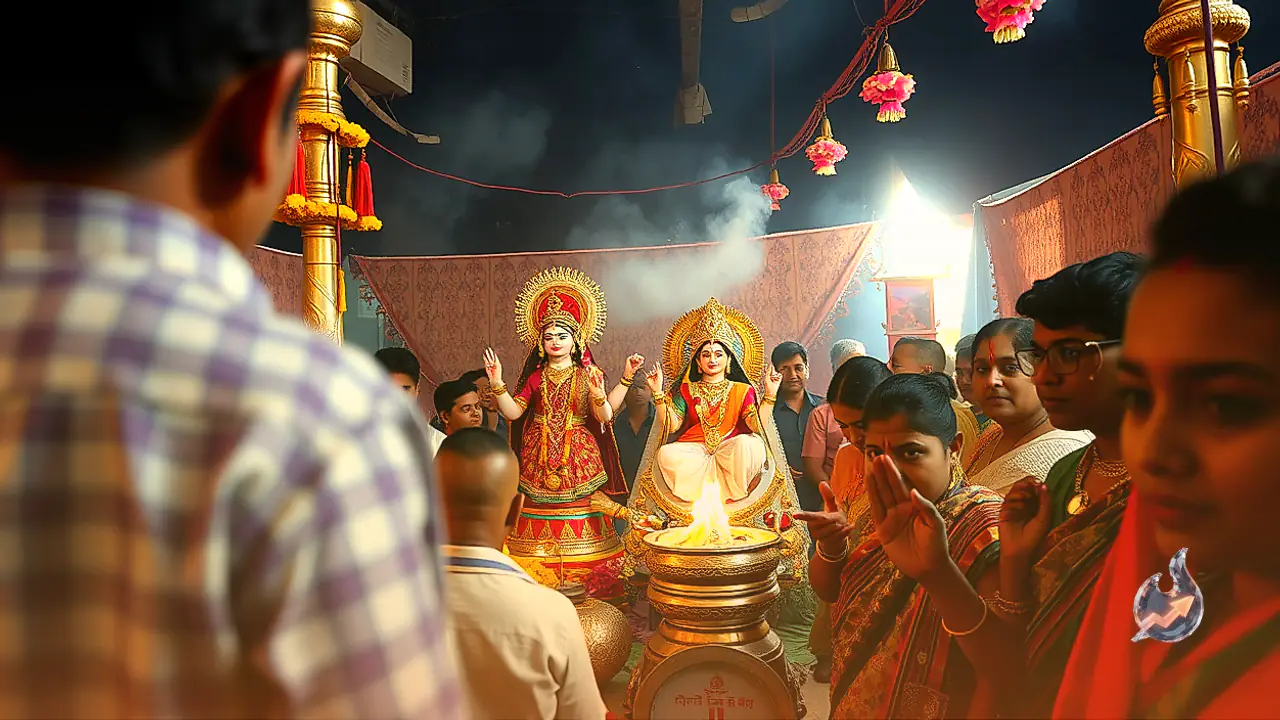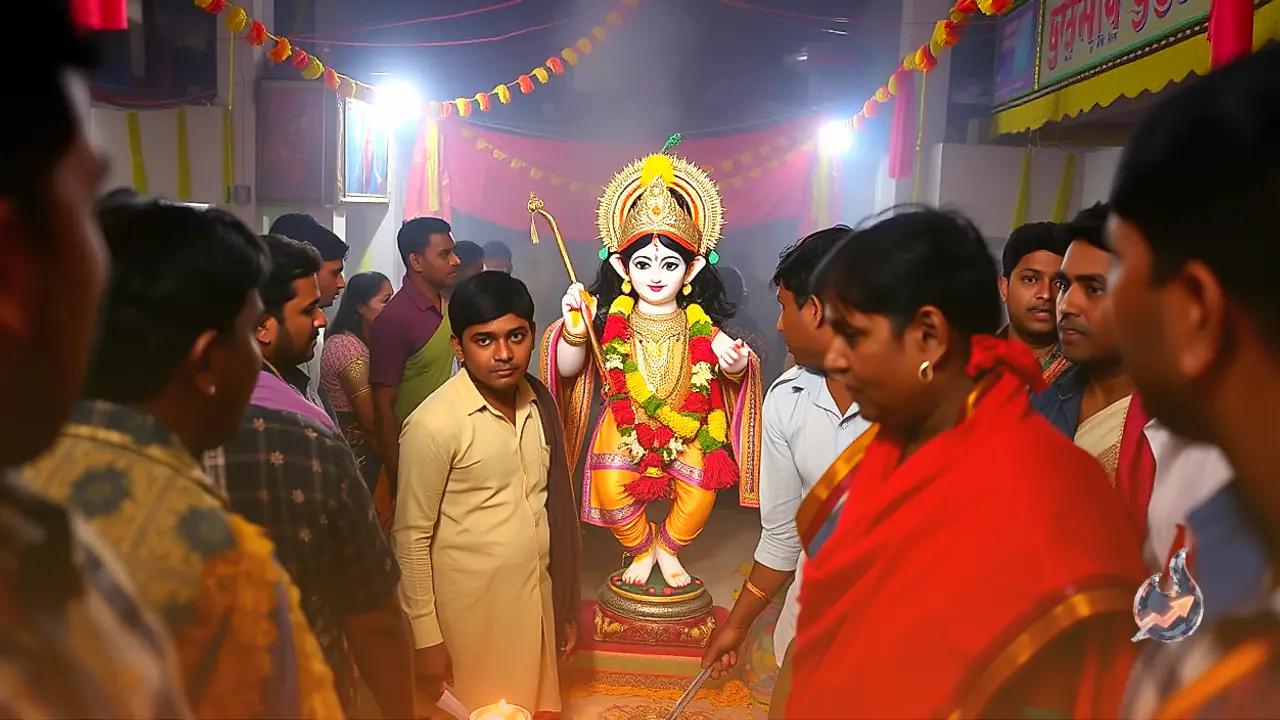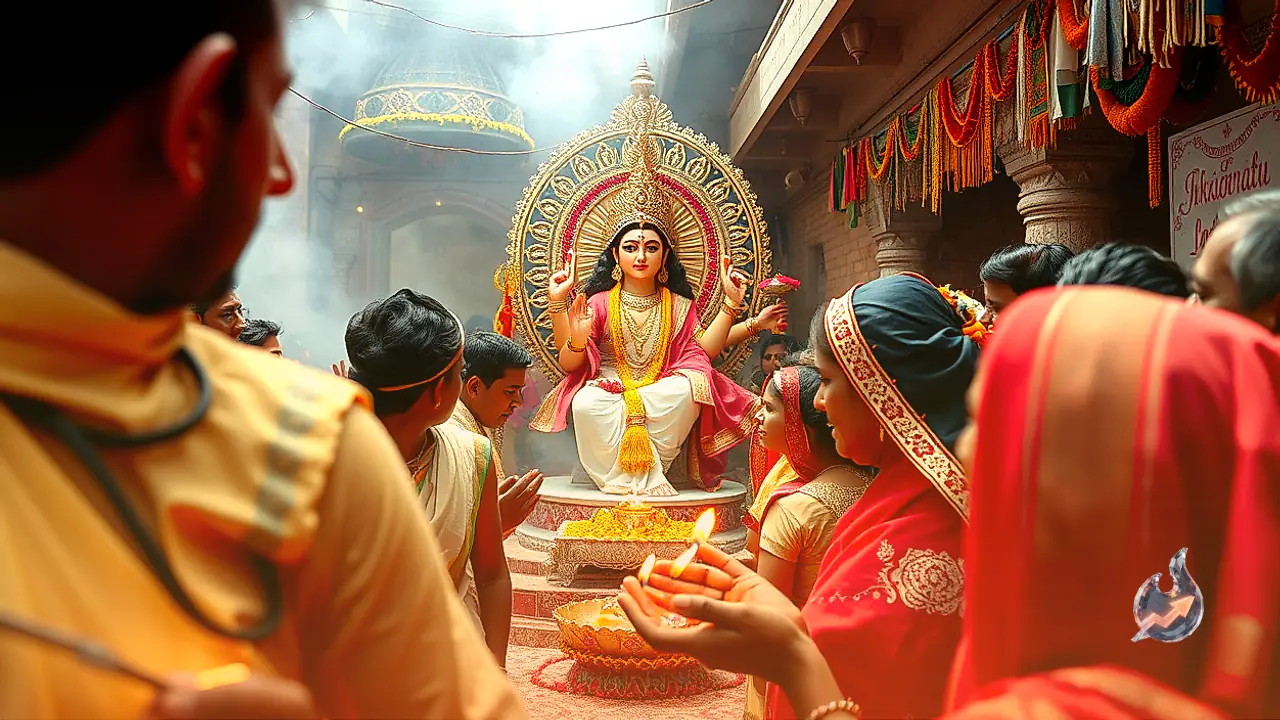
















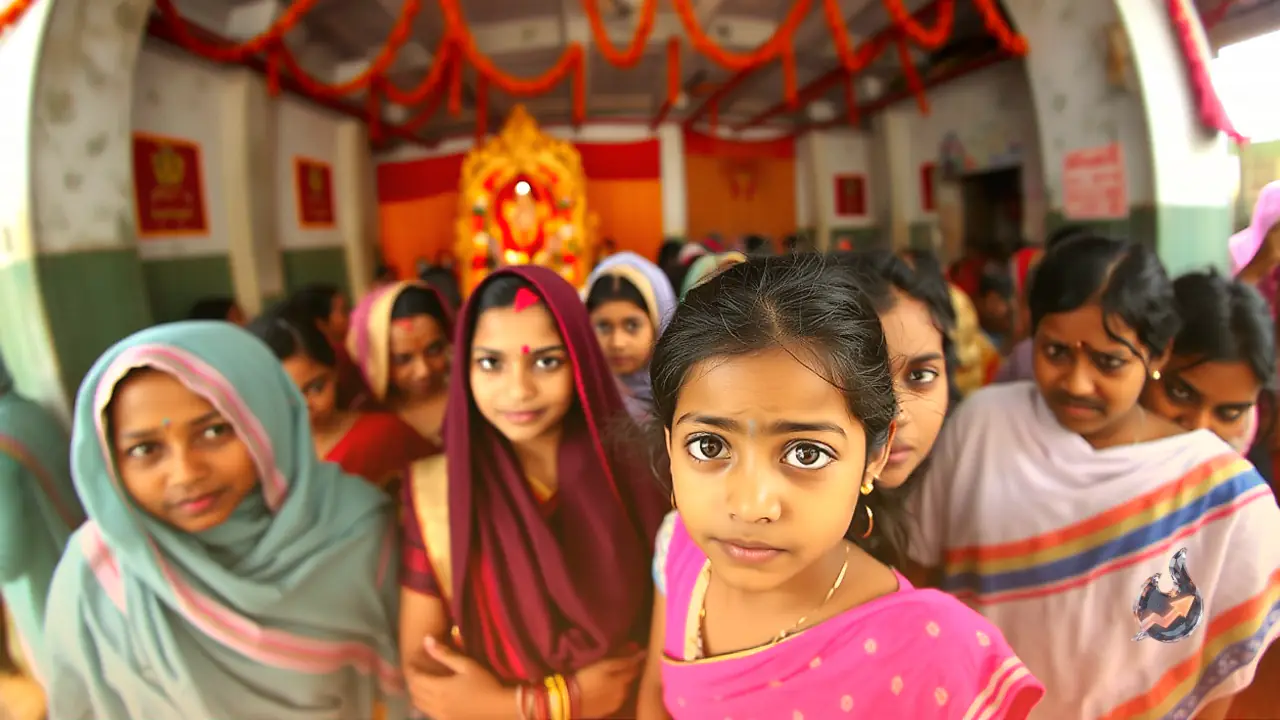

Observing fasts and devotional rituals during the nine days of Navratri is deeply rooted in tradition, yet the observance is considered truly complete only when accompanied by Kanya Pujan. Devotional belief holds that the special grace of Goddess Ambe is attained through honoring and feeding young girls. Also widely known as Kanjak Puja, this ceremony is traditionally associated with bringing lasting peace, prosperity, and happiness to the household, while also being viewed as a blessing for couples praying for children.
The Divine Presence in Innocence and the Role of Batuk
According to ancient Puranic beliefs, early childhood remains untouched by worldly deceit, arrogance, malice, and jealousy. Because the minds of young children are pure and untainted, they are regarded as natural vessels of the divine energy of the Mother Goddess. Honoring young girls as living embodiments of the divine is believed to invite positive vibrations, harmony, and well-being into the domestic environment. Alongside the girls, tradition mandates the presence of a young boy, known as Batuk, who is venerated as the representative form of Bhairav.
The Legend of Indra and Brahma Behind the Custom
The origin of Kanya Pujan traces back to an ancient legend involving the ruler of the heavens, Indra. Seeking to earn the supreme favor and blessings of Goddess Durga, Indra approached Lord Brahma for guidance on the most potent ritual to please the Goddess. Brahma advised Indra that the most direct way to win the divine grace was to honor and feed young, unmarried girls.
Acting upon Brahma's counsel, Indra performed elaborate prayers to the Goddess and subsequently conducted the ceremonial worship of young girls, offering them food with utter devotion and reverence. Deeply pleased by Indra's genuine spirit of service, Goddess Durga bestowed her divine benedictions upon him. Religious lore holds that this legendary event established the widespread custom of Kanya Pujan during Navratri celebrations.
Ideal Number of Girls and the Traditional Feast
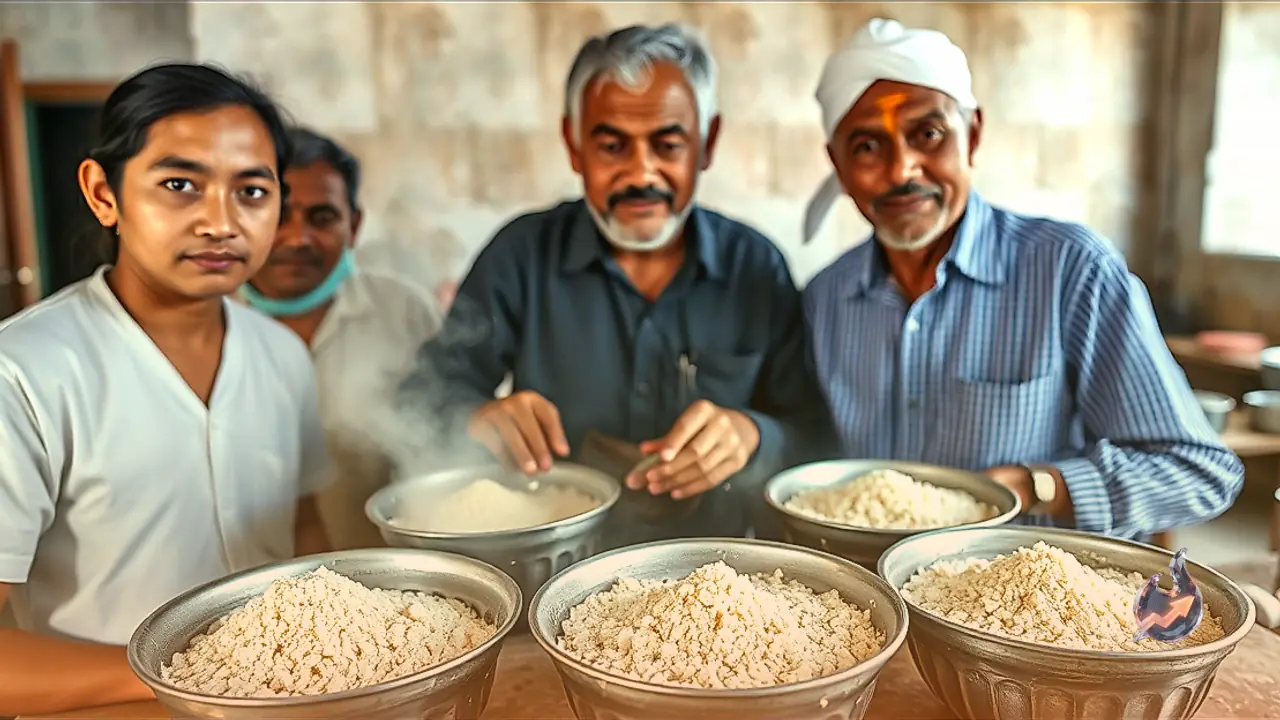
Standard ritual practice prescribes inviting nine young girls, each representing one of the nine divine manifestations of Goddess Durga. However, if finding nine girls proves difficult, the scriptures permit conducting the ritual with 3, 5, or 7 girls alongside the young boy. The traditional meal prepared and served during this auspicious feast comprises specific satvik delicacies
- Semolina halwa (sooji ka halwa)
- Cooked black gram (kala chana)
- Freshly fried puris
- Rice and milk pudding (kheer)
- Spiced potato curry with gravy
Bidding Farewell with Gifts and Blessings
The ritual concludes with respectful generosity once the feast has been served. It is customary never to send the young guests away empty-handed. Devotees offer fruits such as bananas, apples, coconuts, and other seasonal produce, alongside sweets, traditional batashas, monetary offerings (dakshina), and thoughtful gifts. After presenting these offerings, the host formally invites them to return for the next festive cycle. Crucially, devotees conclude the ceremony by touching the feet of every young girl to seek her blessings, marking the fulfillment of their Navratri observance.