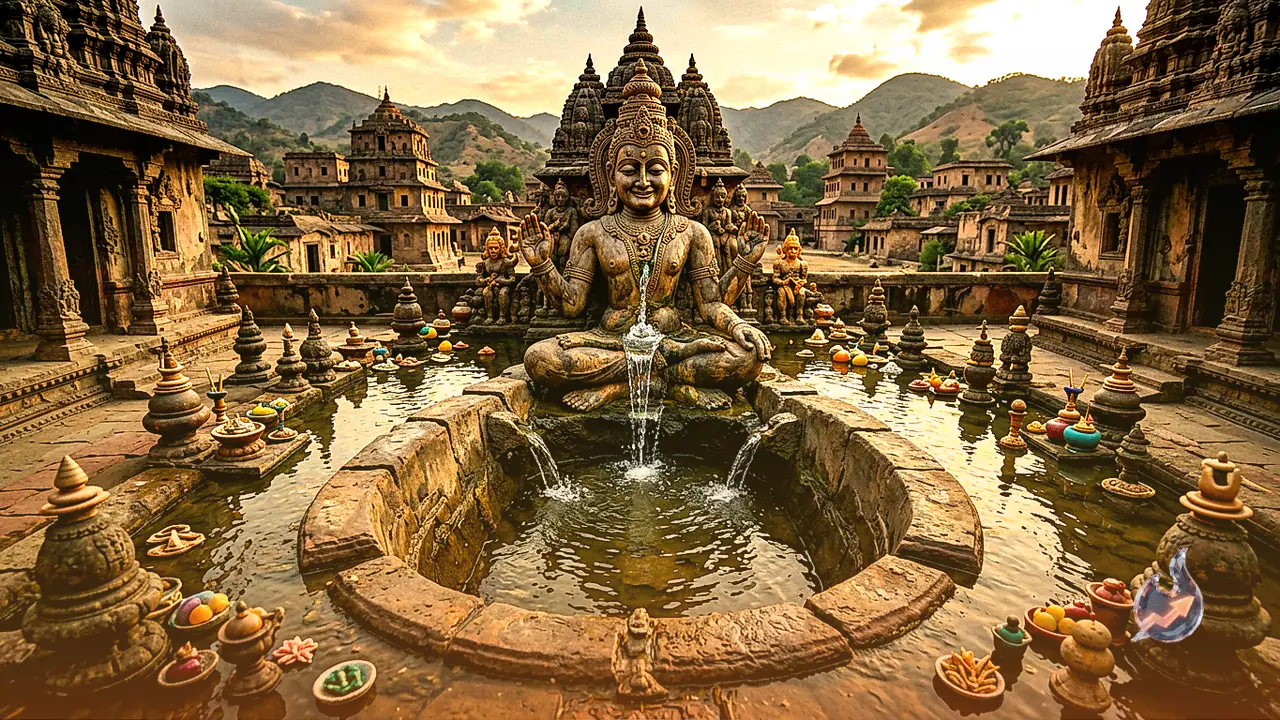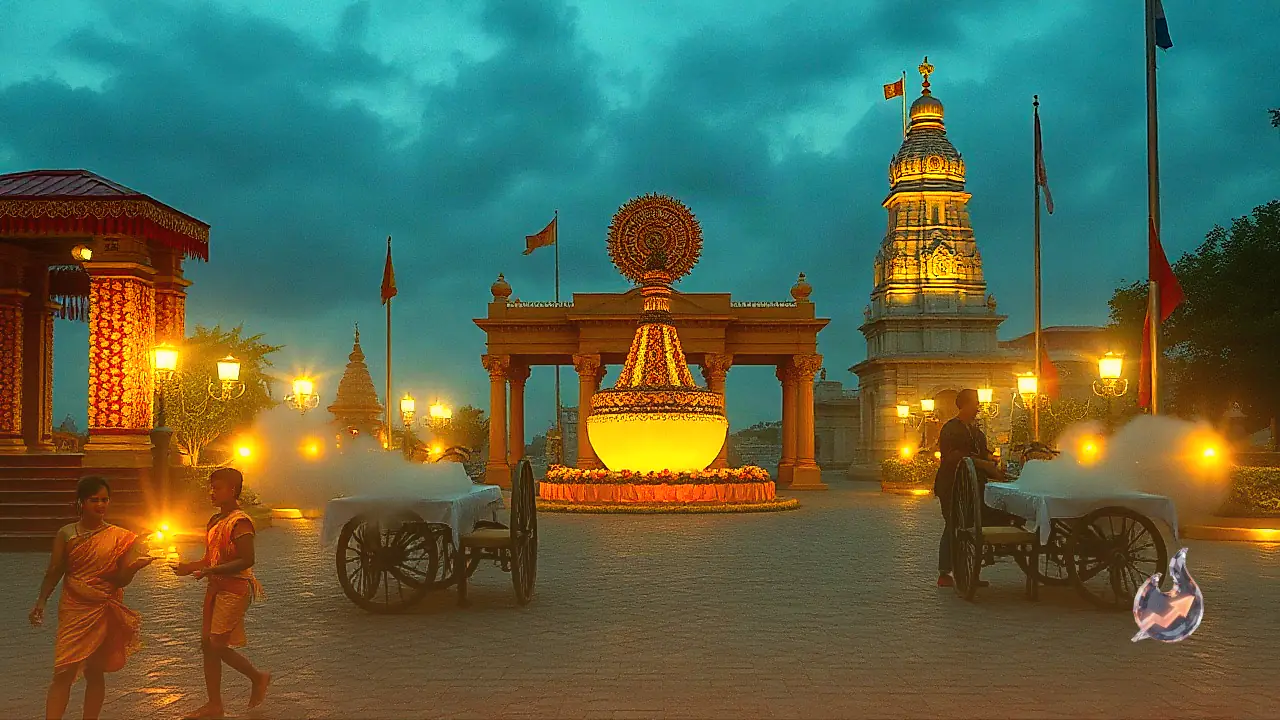

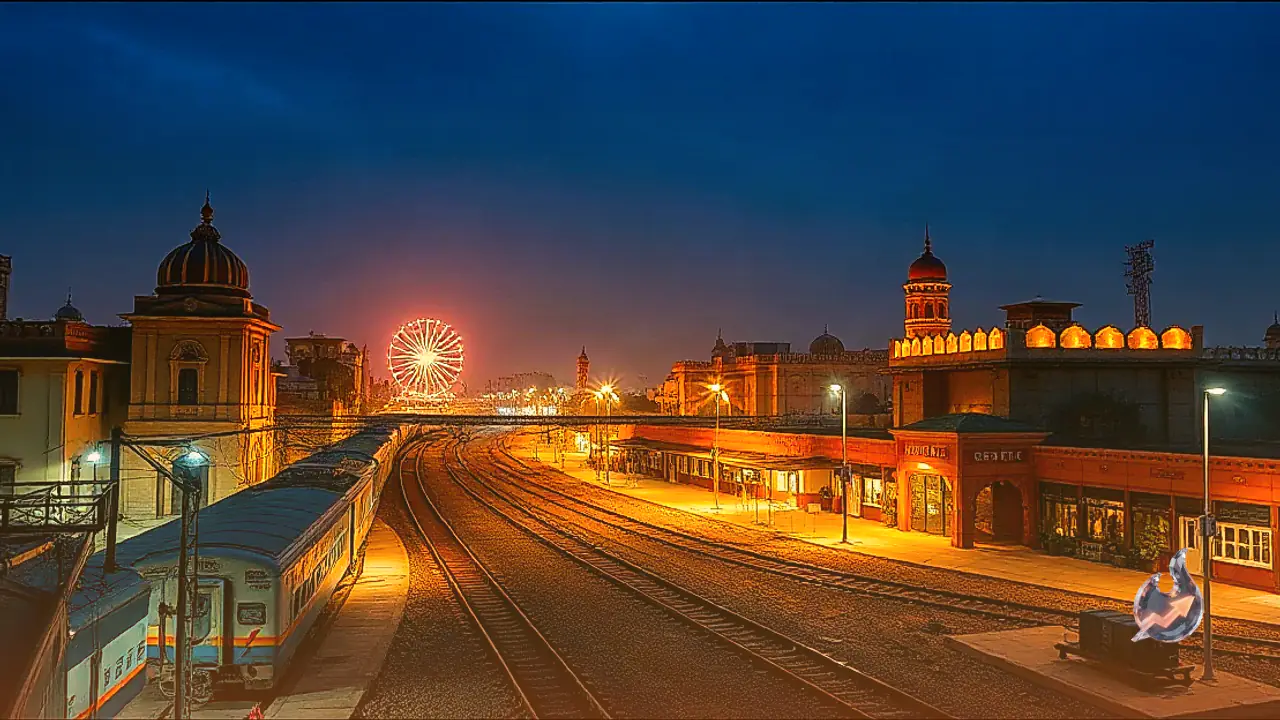















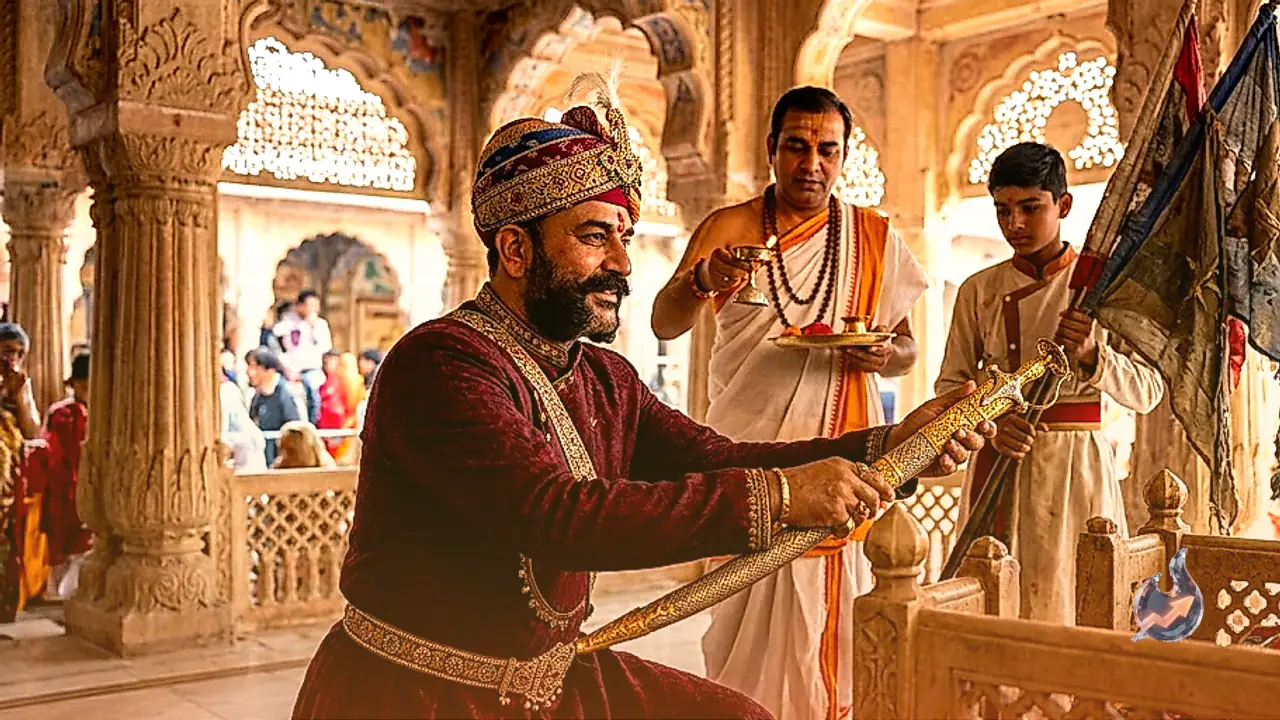
Situated within the old Dujod Gate of Sikar, the Shri Fateh Balaji Dham serves as more than just a religious site. It stands as a significant landmark deeply intertwined with the history of the Sikar royal family. According to historical tradition, whenever the then ruler, Rao Raja Madho Singh, embarked on a military expedition or a war, he would first visit the court of Fateh Balaji to seek blessings for success before heading to the battlefield.
The King’s Victory and Divine Gratitude
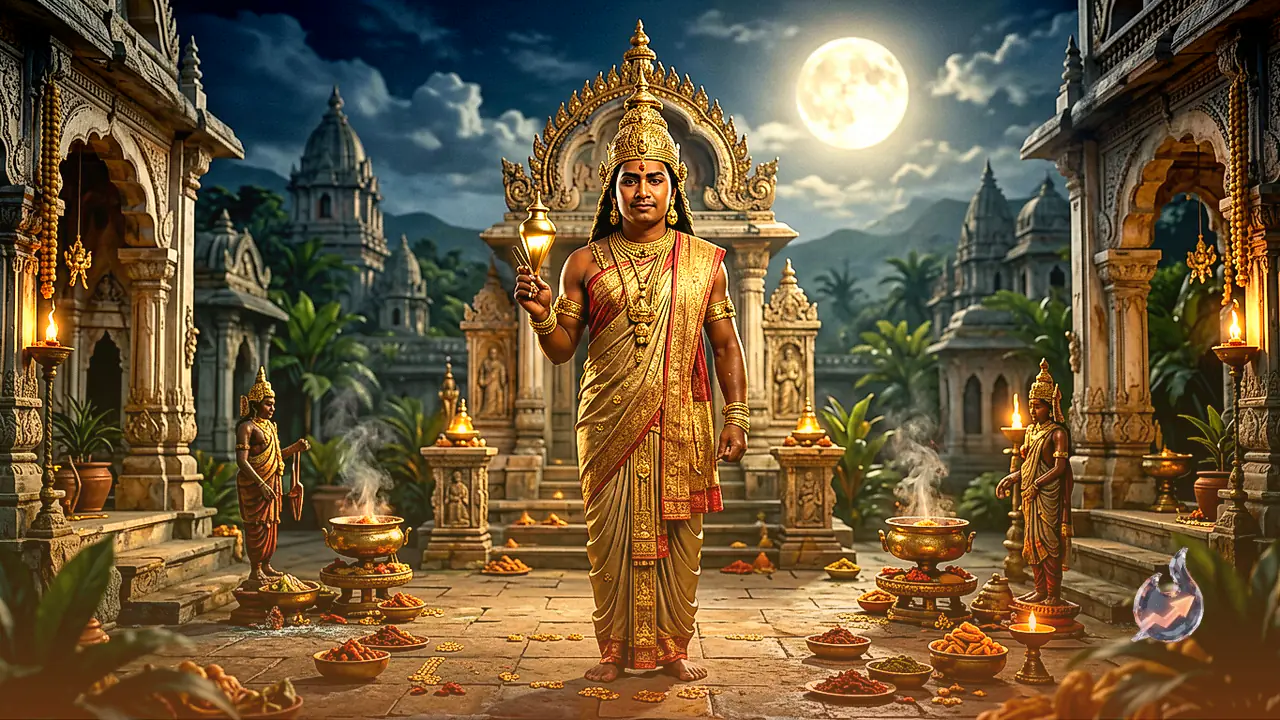
Upon returning from battle victorious, Rao Raja Madho Singh would head straight to this temple to bow his head at the feet of Balaji Maharaj. He would reverently declare, “Baba, meri fateh ho gayi” (Baba, I have achieved victory). It is because of this historic custom that the temple is known today as Fateh Balaji. According to the current priest, Pandit Ramavatar Mishra, his family has been performing rituals and worship here for seven generations, a testament to the enduring faith associated with the site.
Hanuman as the Guardian of the City
A unique belief is deeply rooted among the local population regarding this shrine. It is said that the old Dujod Gate, where the temple is located, never had doors installed because Fateh Balaji himself acts as the protector of the city. For this very reason, unlike other temples, no curtains are used here to cover the deity. Devotees are free to visit and seek the blessings of Balaji Maharaj at any hour of the day or night.
Traditions of Offerings and Festivals
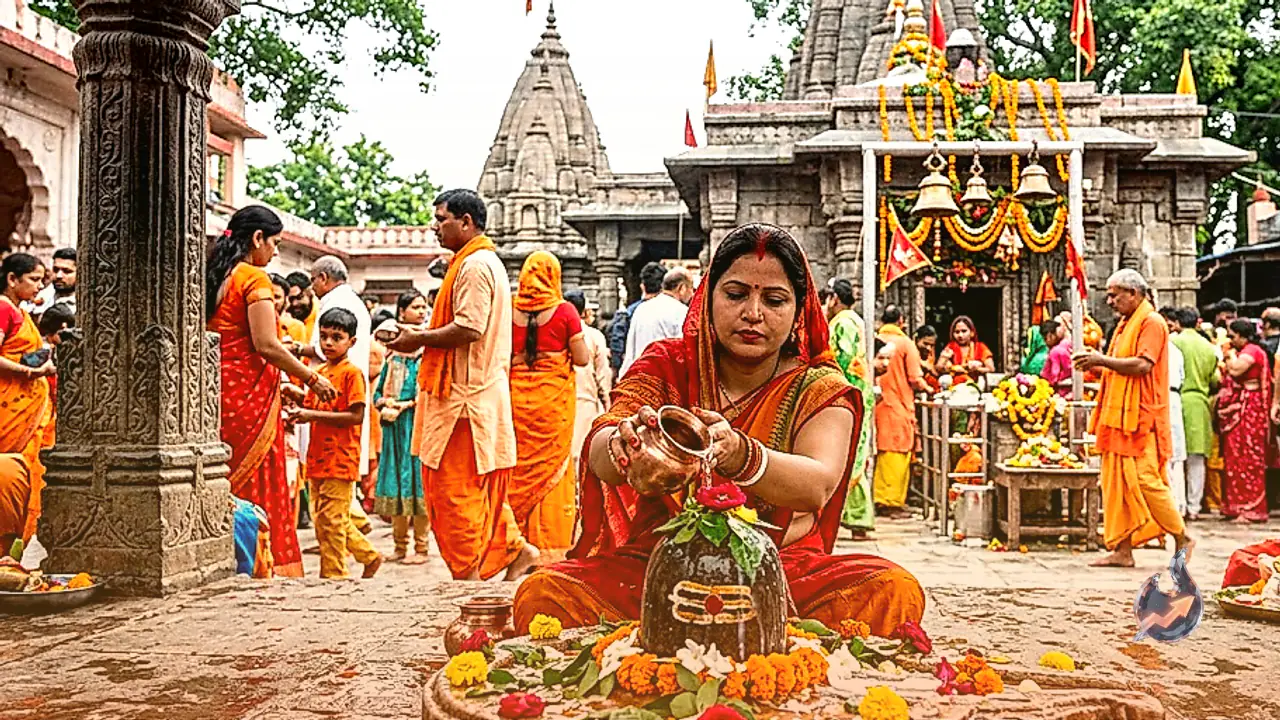
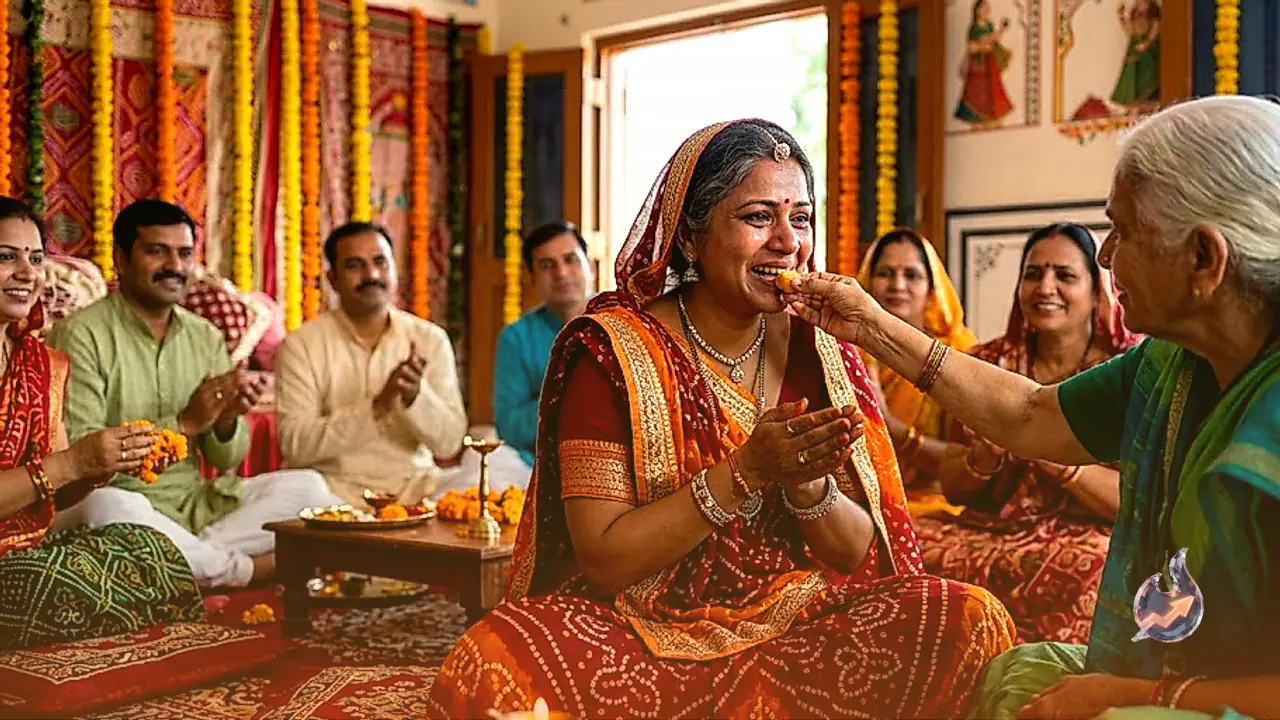
Religious ceremonies are held throughout the year at the Fateh Balaji Dham. A special offering of 'rot' (thick bread) is presented to the deity daily. Every Tuesday, a lamp is lit, and special prasad consisting of halwa, kheer, and churma is offered to the Lord. During the month of Paush, a 'Paush Bada Mahotsav' is celebrated every Tuesday, while on Chaitra Purnima, a five-day religious event is organized alongside 'sawamani' to mark the birth anniversary of Hanuman.
Seasonal Rituals and Devotional Practices
The temple follows a tradition of seasonal offerings tailored to the weather. During the summer, Balaji is offered mango juice, thandai, lassi, and raita, while during the cold winter months, 'bajre ka khichda' (pearl millet porridge) and hot milk are offered. The temple is beautifully decorated with attractive displays during major festivals such as Makar Sankranti, Holi, Rakshabandhan, Diwali, Nirjala Ekadashi, Independence Day, and Republic Day. Today, thousands of devotees continue to visit this sacred site, praying for success in their endeavors and the fulfillment of their wishes.