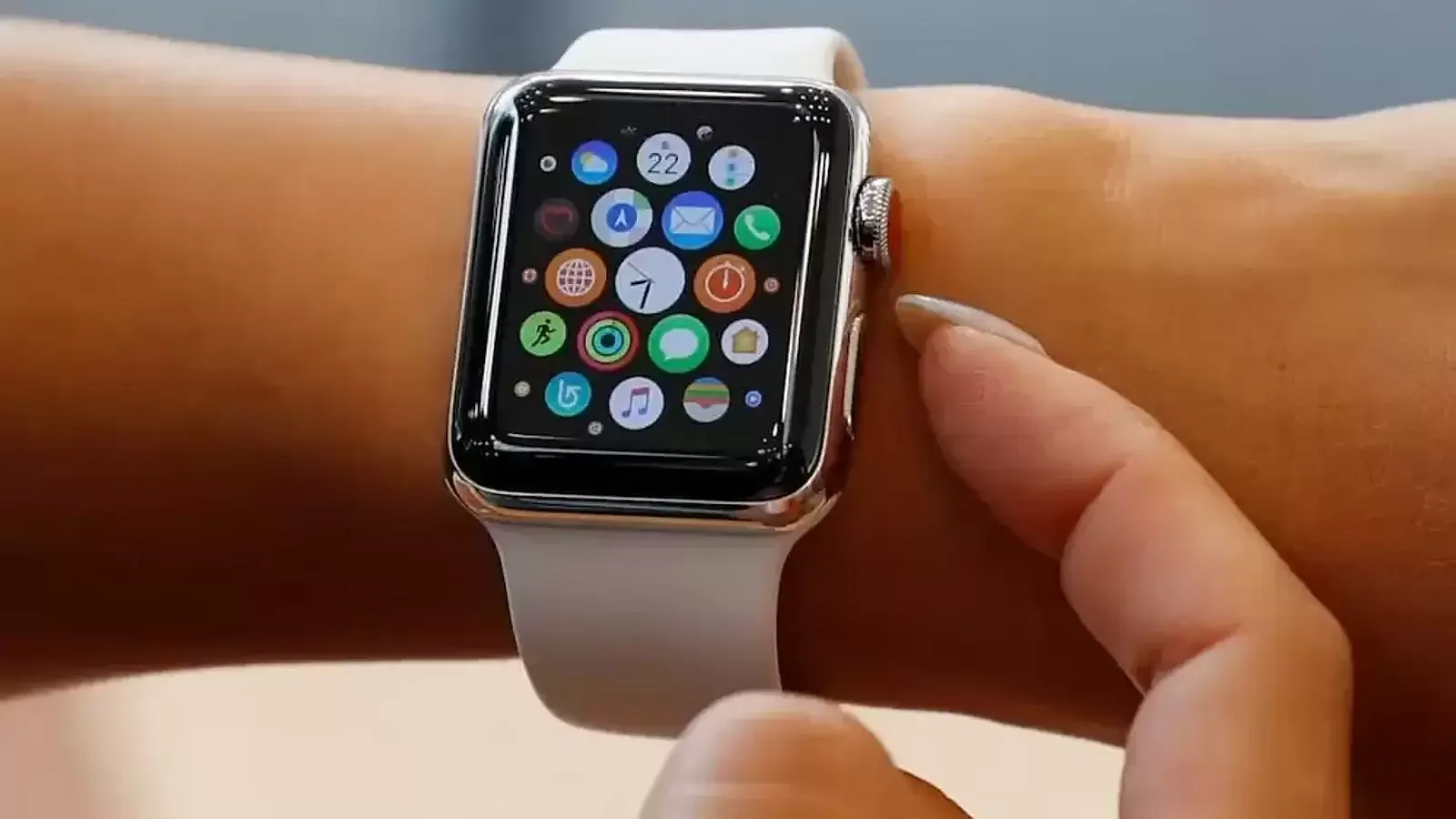

This marks a notable shift for Apple, which continues to prioritize comprehensive security and privacy measures. HomeView checks both your face and voice before granting access to your iCloud data. It is engineered similarly to an Apple Watch to verify that your iPhone or iPad shares the same Wi-Fi network and has been recently unlocked via FaceID or a PIN. At the same time, expanding the architecture dedicated to processing biometric data and authenticating individuals introduces new avenues for potential mistakes and vulnerabilities. When attempts are made to access user data within Apple ecosystems, both law enforcement agencies and exploit brokers consistently go to great lengths to bypass on-device defenses.
Why FaceID Wasn’t Used for HomeView
FaceID is specifically optimized for scenarios where an individual stares directly at a device from less than an arm length away. It delivers robust security that remains difficult to compromise because biometric information is stored inside a dedicated, physically isolated component known as the Secure Enclave, which debuted in 2013 on the iPhone 5s. That framework proved reliable enough to serve as the foundation for the entire encryption scheme of compatible devices. However, Apple determined that FaceID was not the ideal fit for the HomeView because the system needs to switch rapidly between different users and relies heavily on AI processing capabilities that cannot entirely fit within the constraints of the Secure Enclave.
The Role of the Secure Exclave
Consequently, HomeView utilizes Apple's recently announced Secure Exclave to manage the audio and video data required to evaluate who is occupying a room at any given moment. Apple states that it spent a significant amount of time laying the groundwork for this architecture, noting that early iterations were already integrated into the iPhone 16, iPhone 17, and MacBook Neo. Rather than functioning as a completely separate standalone chip, the Secure Exclave operates as a dedicated, memory-protected region within recent Apple processors. It is built into the latest S11 chip powering the Apple Watch Series 12 and Apple Watch Ultra 4, alongside the A20 Pro chip featured in the iPhone 18 Pro and iPhone Duo.
Even though the Secure Exclave departs from traditional Secure Enclave technology, Apple maintains that it is highly secure and expands the brand's ability to protect various features, including upgrading existing security mechanisms. In a recent blog post, the company elaborated on how it utilized a mathematical technique called formal verification to evaluate the microkernel engineered specifically for the Secure Exclave. The company noted that this work benefits newer features while strengthening established protections such as Hey Siri detection, with the ultimate goal of keeping ambient sensor data safe against highly sophisticated attacks.
HomeView also employs the Secure Exclave to govern the indicator light that alerts users when the camera or microphone is active. The MacBook Neo utilizes the Exclave in a similar manner, though restricted strictly to indicating camera activity rather than the microphone. This isolation makes it much harder for attackers to disable or suppress an indicator light that should otherwise be illuminated. Nevertheless, HomeView person recognition technology is less comprehensive than standard FaceID and could potentially be more susceptible to reconstructed 3D depth map attacks or voiceprint exploits.
Users are not required to keep a HomeView installed in their homes, and those who do can choose a guest mode or a streamlined personalized mode that limits access to shared playlists while blocking sensitive calendar and Message data. As Apple pushes deeper into artificial intelligence integration, HomeView's departure from traditional FaceID offers a glimpse into the broader scale of architectural changes the company has in development.