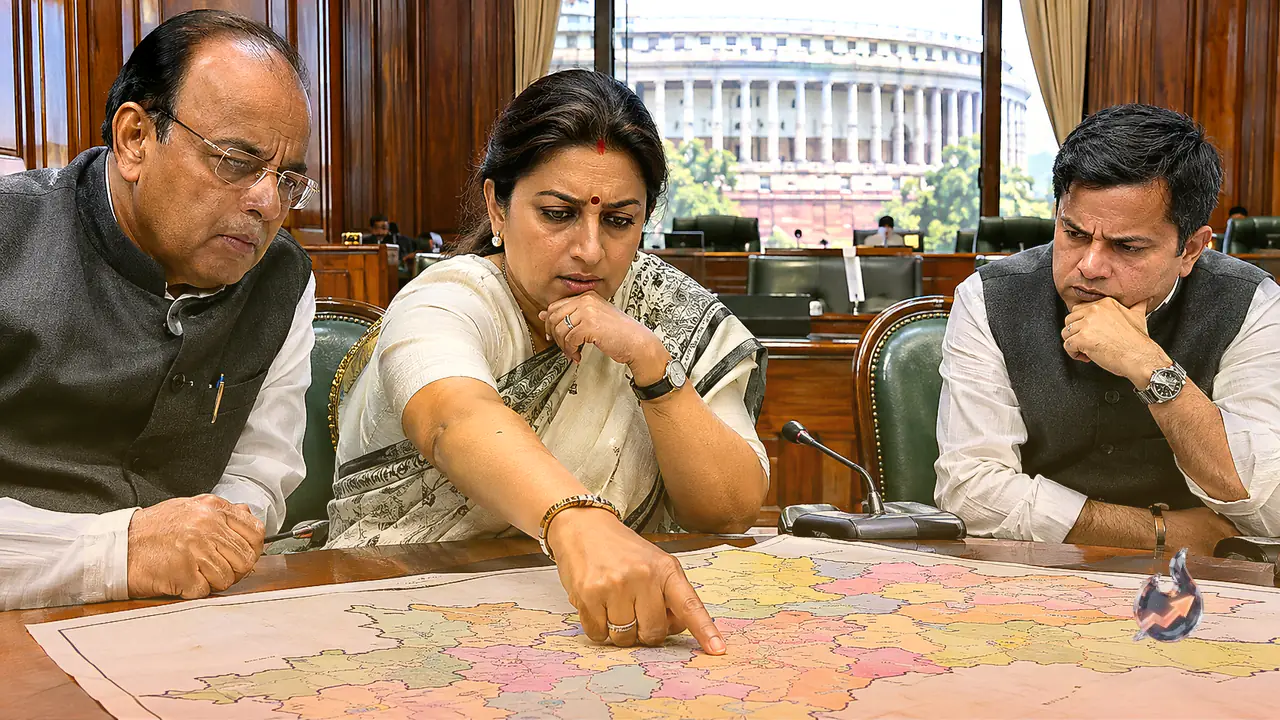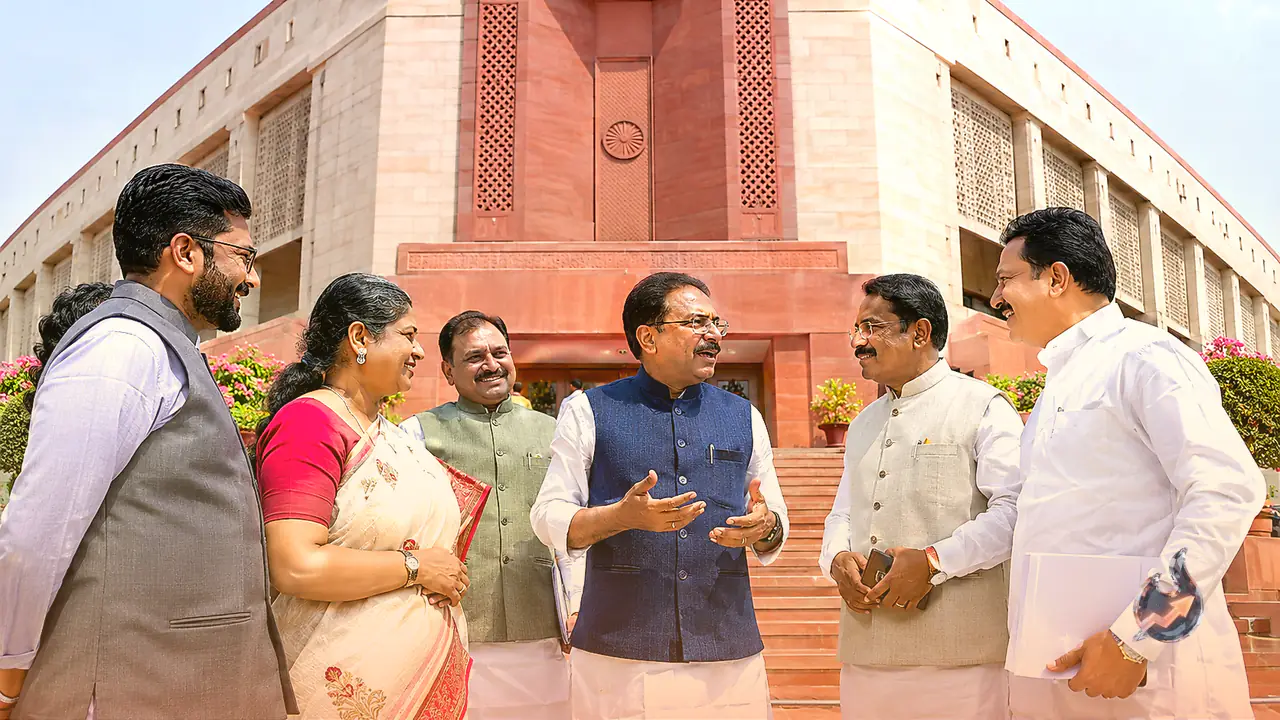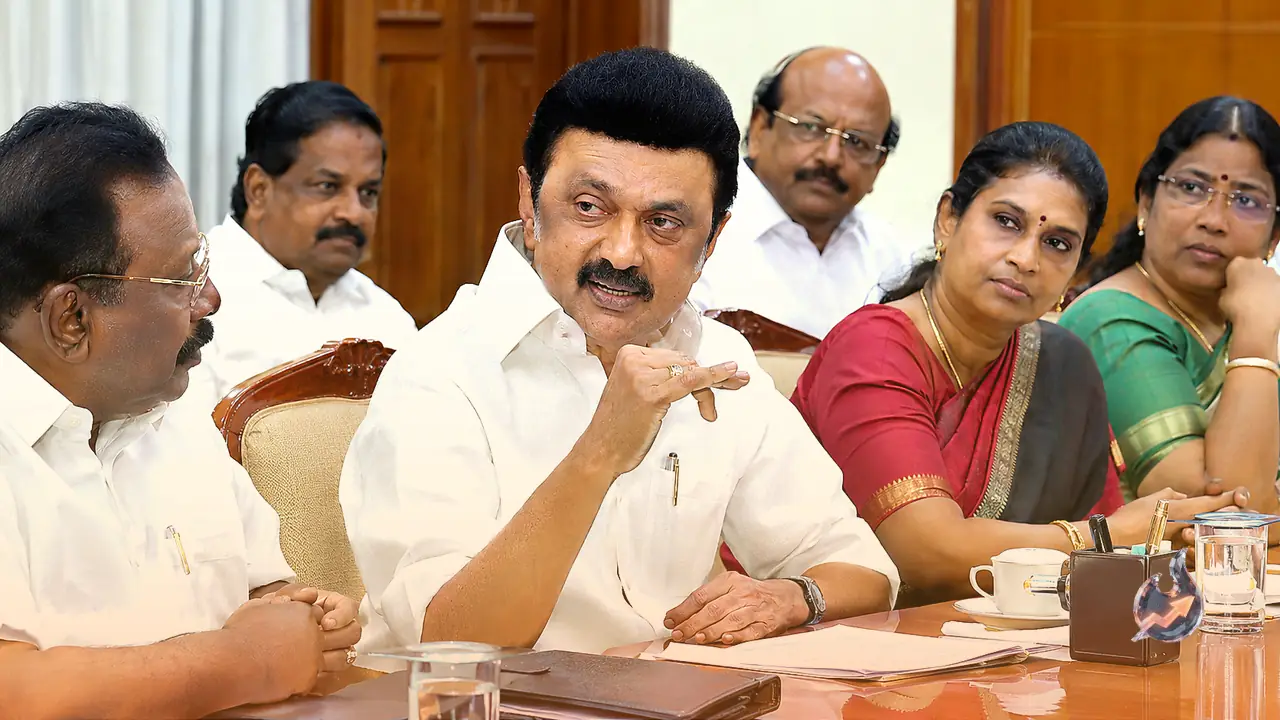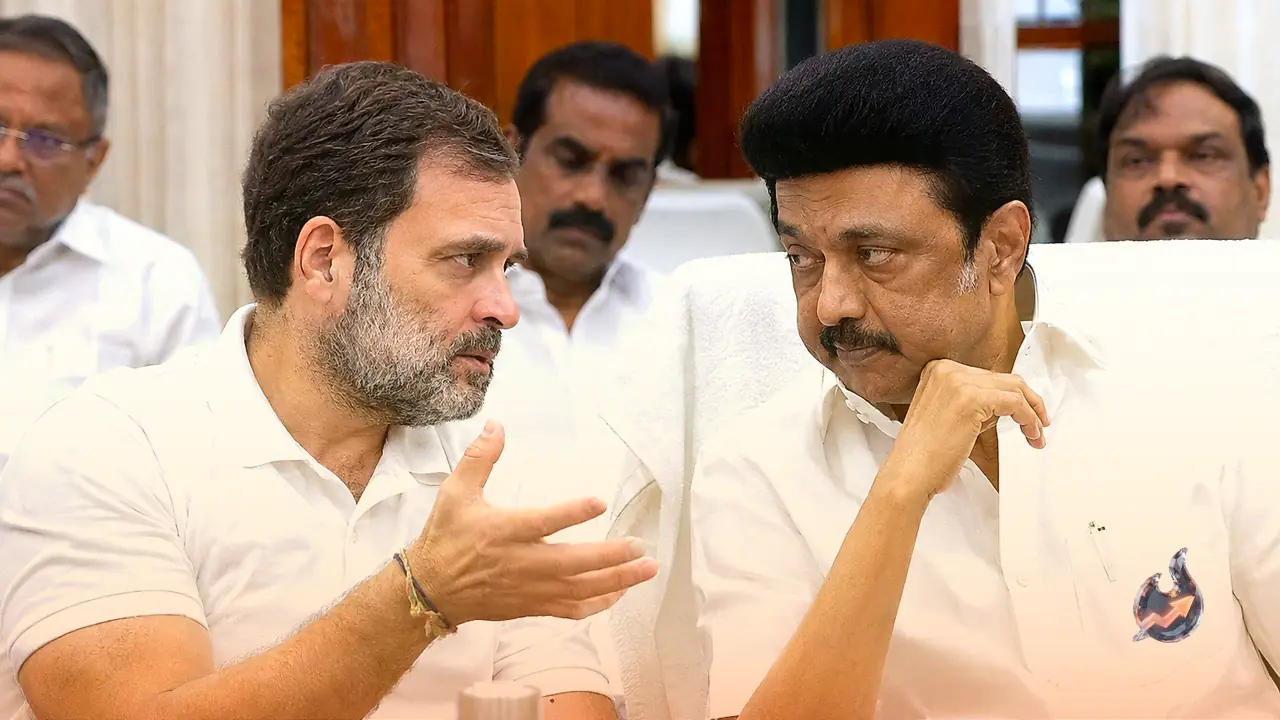

Efforts to bring opposition parties together over the delimitation bill have opened a public exchange between Rahul Gandhi and M.K. Stalin. Gandhi said he and senior INDIA bloc leaders would travel to Chennai to meet Stalin and ask the DMK to oppose the constitutional amendment bills linked to delimitation. Stalin responded on X that his party would continue to put Tamil Nadu and its people’s interests first.
Gandhi argues the bill should be defeated together
In his post, Gandhi raised concerns about the bill’s potential consequences. He claimed that increasing the number of seats to 850 would end democracy in India. He also alleged that such a change would give the BJP and RSS a free hand to redraw the country’s electoral map to suit their interests.
Gandhi described Stalin as a leader who stands firmly against forces he called anti-Tamil. He framed opposition to the bill as connected to three interests: the national interest, Tamil Nadu’s interests and the protection of the Constitution. In his view, defeating the bill together was necessary to defend all three.
Before leaving for Chennai, Gandhi said he would join senior INDIA bloc leaders in meeting Stalin. He said they would urge Stalin and the DMK to oppose the constitutional amendment bills associated with delimitation. The article does not give a date for the proposed meeting or say what came of it.
Stalin points to the DMK’s stated record
Replying to Gandhi, Stalin thanked him for recognising what he called the DMK’s historic role in protecting the Constitution and the rights of states. Stalin said the party had consistently made decisions by placing Tamil Nadu and Tamil people’s interests at the forefront. He added that there would be no compromise on that course.
That response made the party’s stated commitment to the state and its people the centre of Stalin’s position. He linked the DMK’s historical role in protecting constitutional and state rights to its approach in the current political debate, while reaffirming that the party would maintain its position.
Stalin invokes two figures from Tamil history
Stalin used two historical names in describing how he believes the future will judge him. He said he was confident that history would remember him as Kattabomman, associated in his message with heroes, rather than Ettappan, whom he associated with traitors. He made the comparison while discussing the Constitution and the rights of states.
The exchange comes as opposition parties seek a united position on delimitation. Gandhi’s plan to meet Stalin in Chennai and Stalin’s public reply give the effort a visible political dimension. Gandhi connected opposition to the bill with national and Tamil Nadu interests; Stalin presented the DMK’s position as a commitment to the state and its people. The article provides no further details about the bill’s parliamentary timetable, a voting date or the outcome of the proposed meeting.