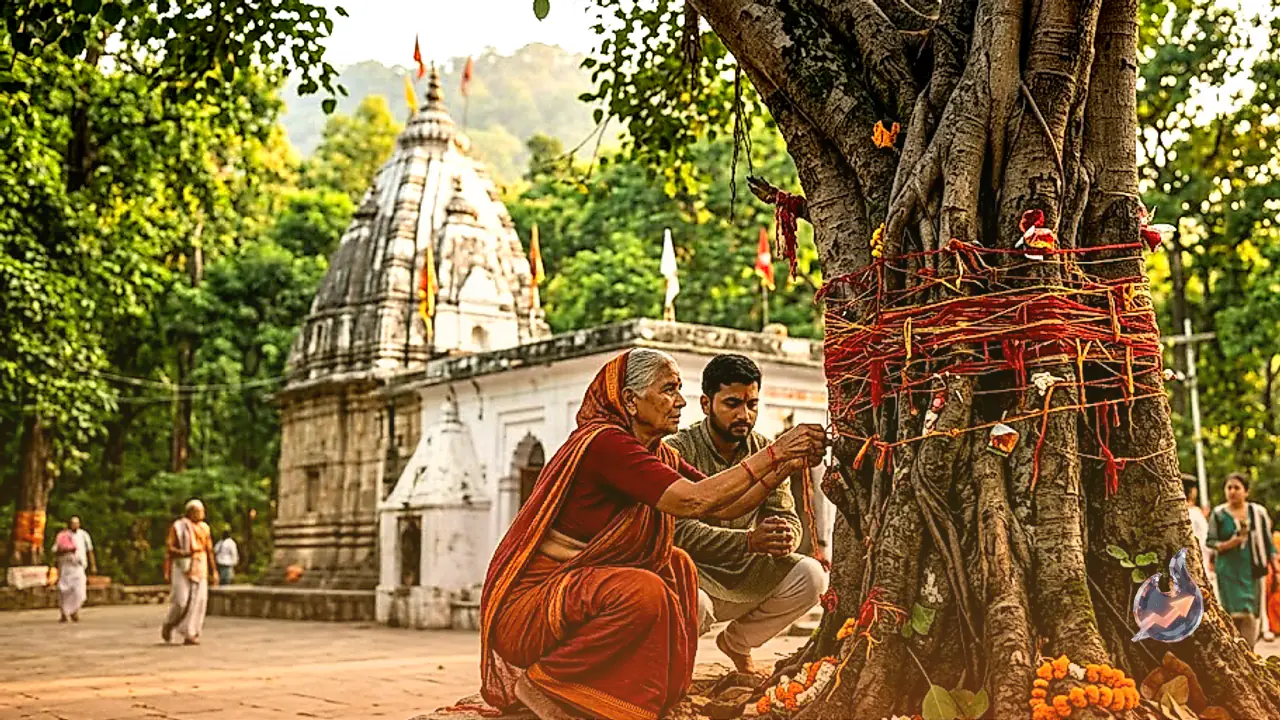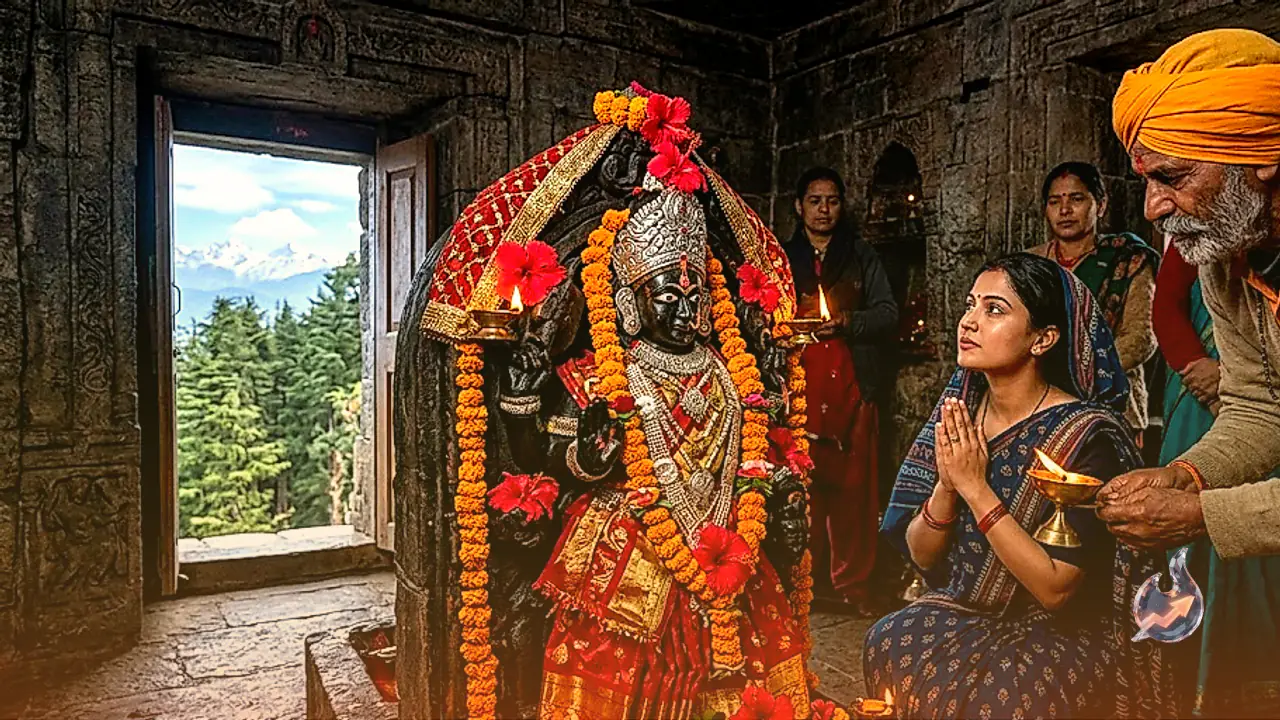





















The most awaited month for Lord Shiva's devotees, Sawan, begins this year on Thursday, July 30, and will end on Friday, August 28, the day of Sawan Purnima. Devotees consider this entire month extremely auspicious, believing that worshipping Lord Shiva and Goddess Parvati with full devotion through these weeks fulfils their wishes and brings peace, happiness and prosperity into their lives. This year, however, many devotees have been asking the same question: will Sawan bring 4 Mondays of vrat or 5? Here is the complete answer, along with every date worth marking on the calendar.
Sorting out the confusion over Sawan Monday fasts
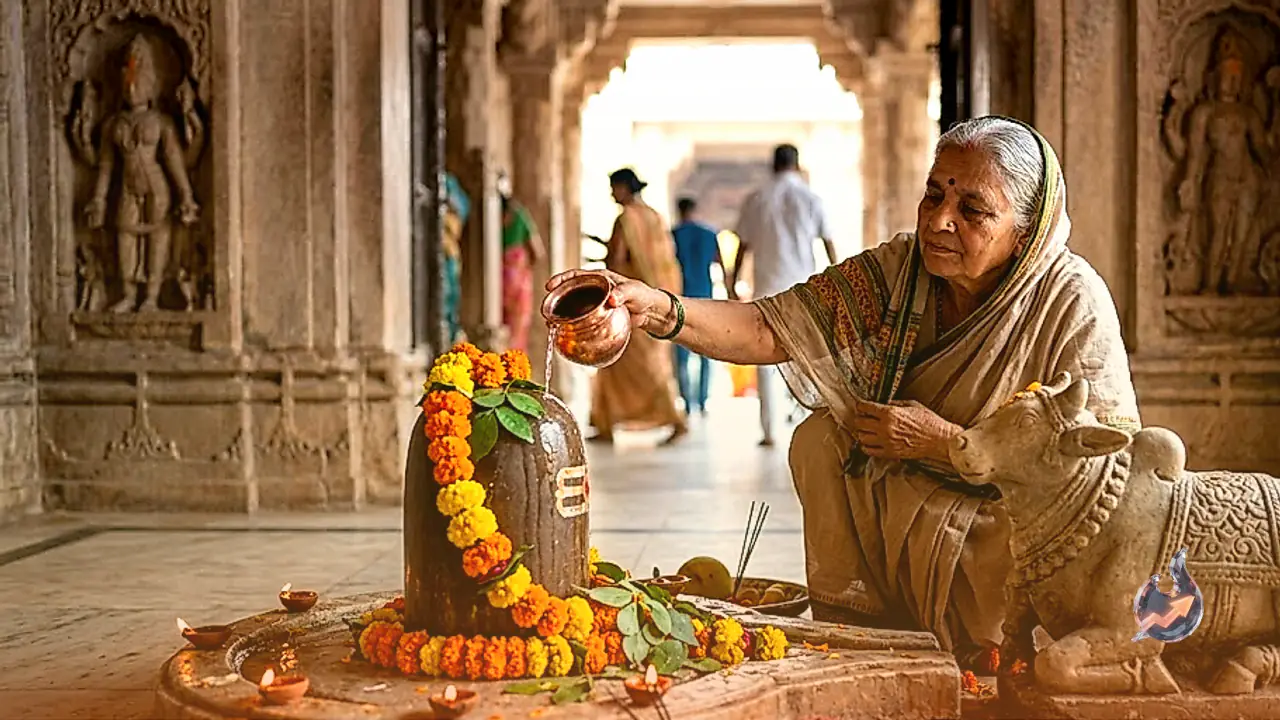
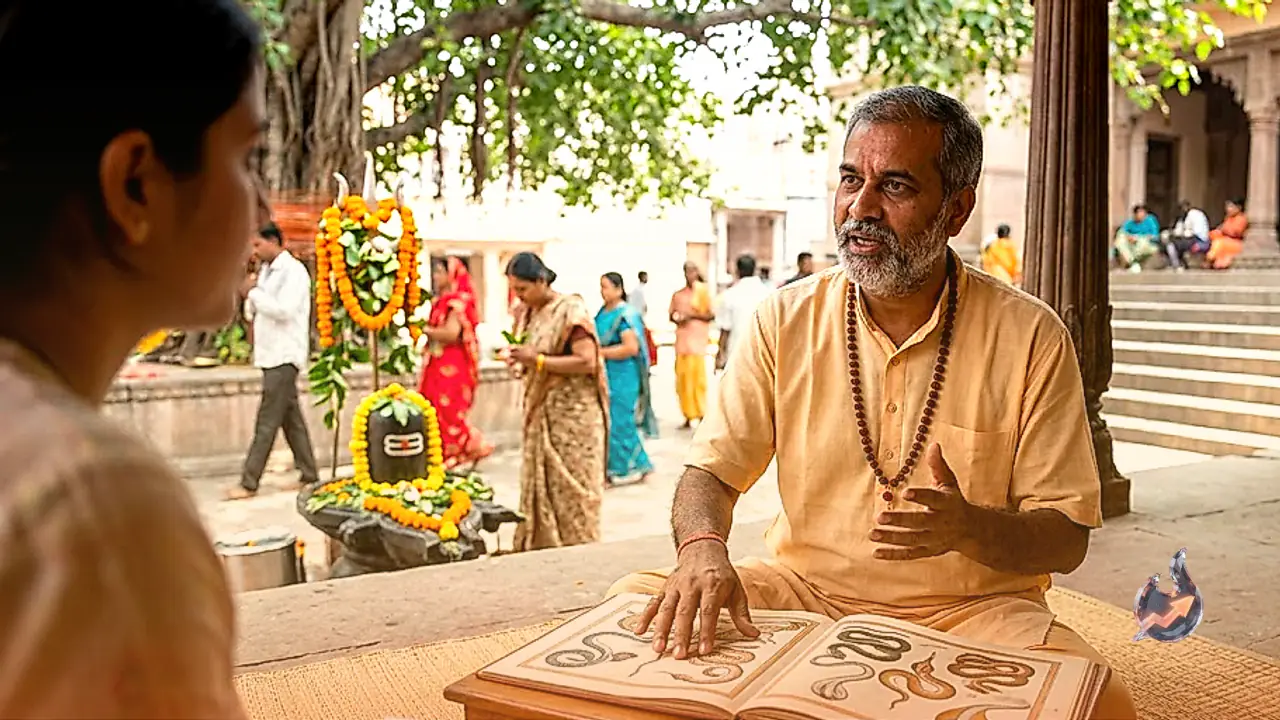
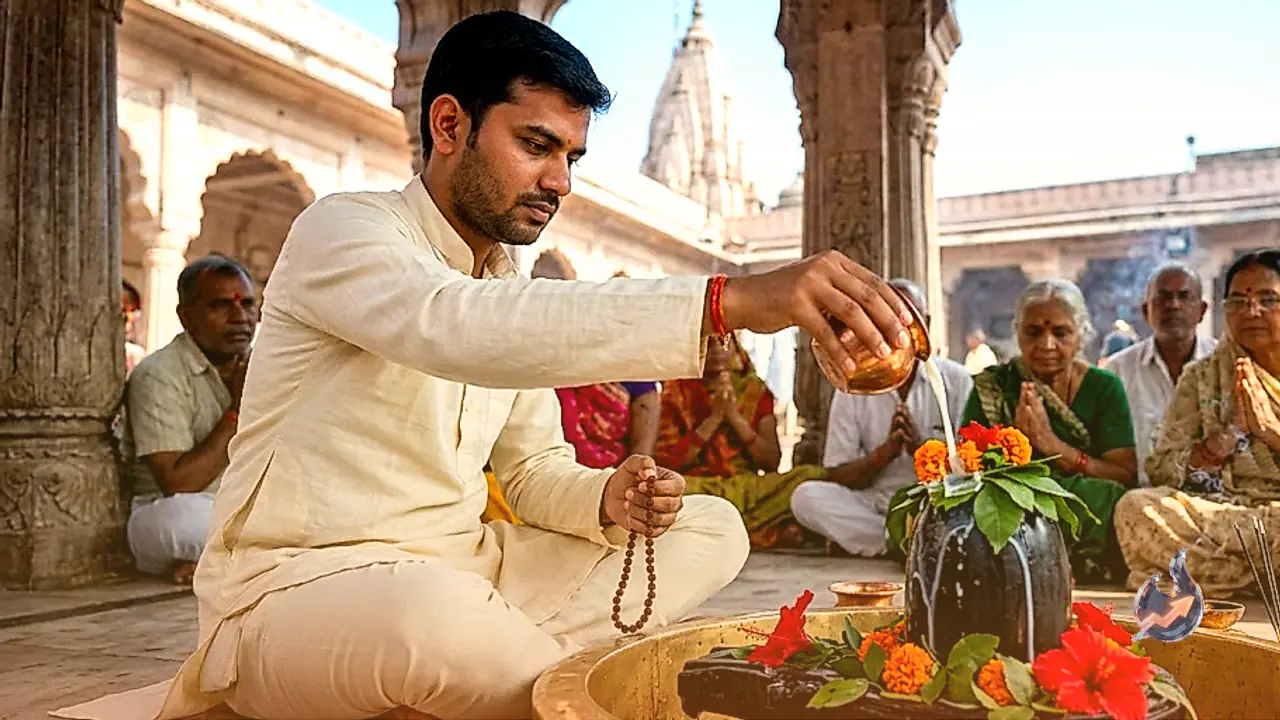
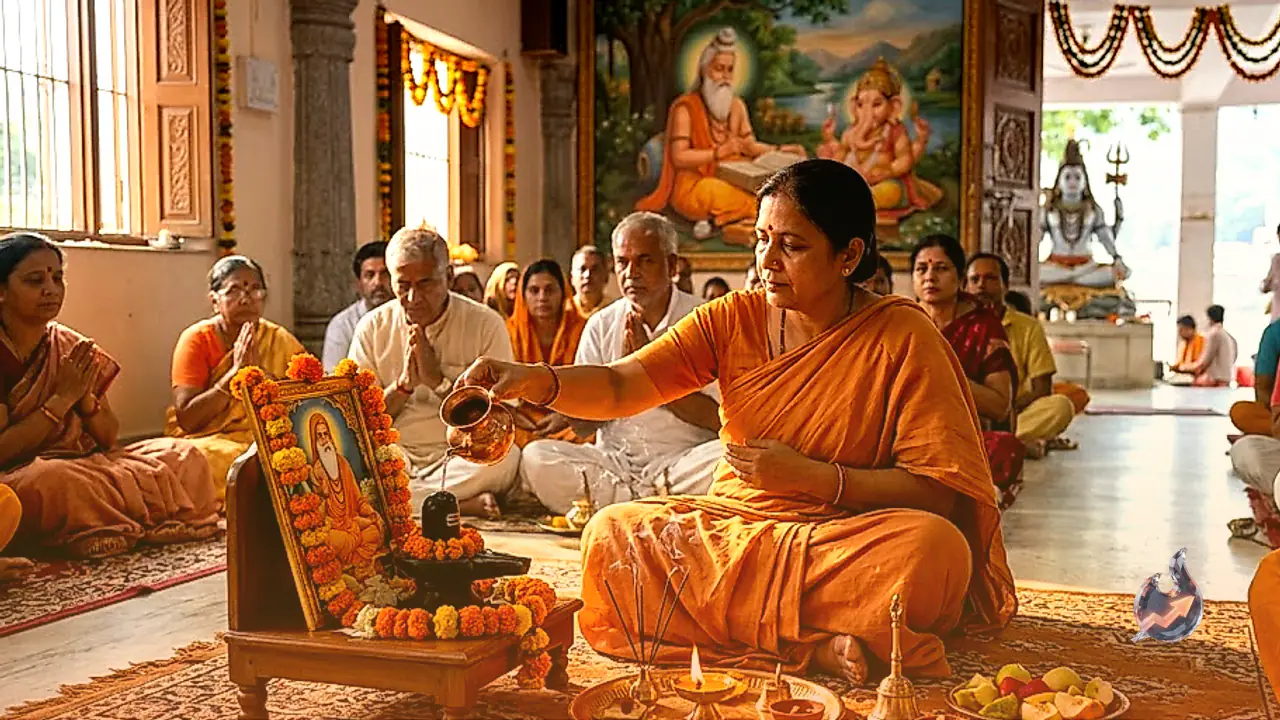
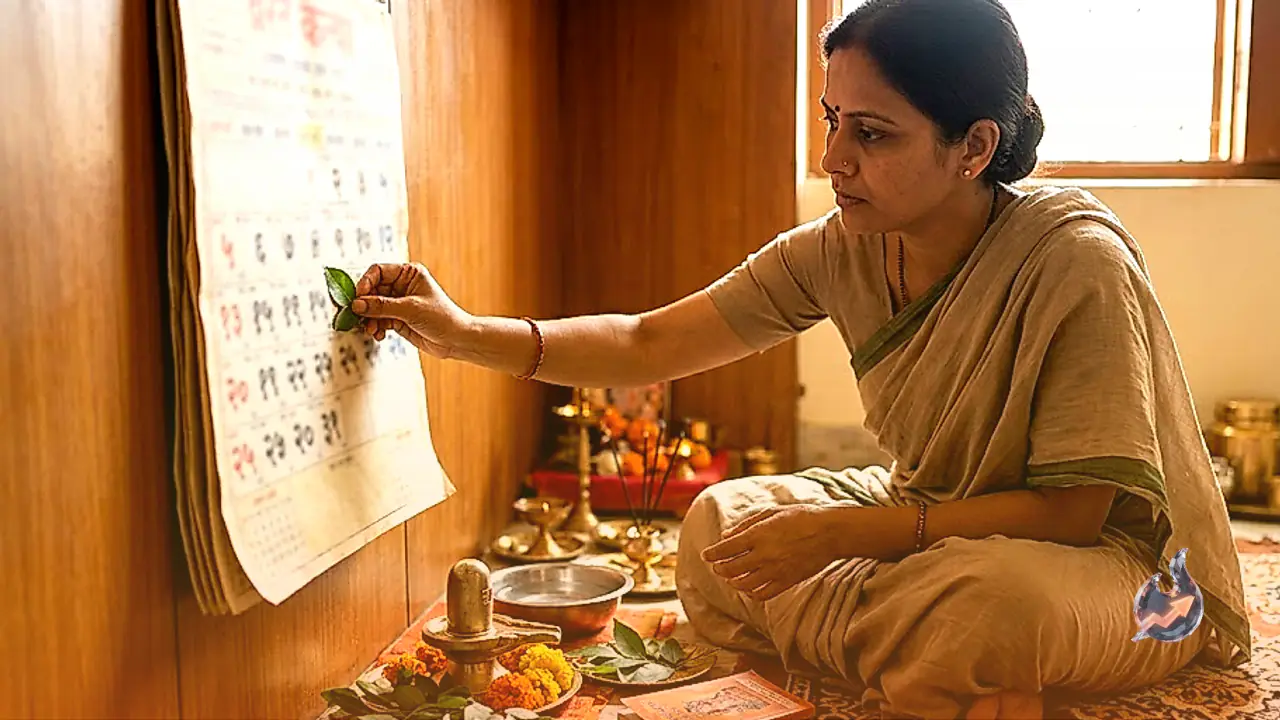
In some years Sawan has stretched across 4 Mondays, and in others 5, which is exactly why the question comes up every time the month approaches. For 2026, though, there is no ambiguity: the month will have exactly 4 Mondays of vrat. Sawan Somwar vrat is considered one of the simplest yet most powerful ways to seek Lord Shiva's blessings. According to religious belief, devotees who fast every Monday and perform abhishek on the Shivling with water, milk, curd, honey and Gangajal, while also offering bel patra, dhatura, bhang, aak and white flowers, quickly earn Bholenath's favour. It is also believed that this vrat weakens the unfavourable effects of planetary doshas in one's kundli and helps bring good fortune.
Sawan Monday vrat dates to note down
- First Sawan Monday: August 3, 2026
- Second Sawan Monday: August 10, 2026
- Third Sawan Monday: August 17, 2026
- Fourth Sawan Monday: August 24, 2026
Why the tradition of jalabhishek goes back to Samudra Manthan
The custom of offering water on the Shivling through Sawan is directly tied to a mythological episode. According to the legend, when the deadly Kalkoot poison emerged during the Samudra Manthan, Lord Shiva drank it himself to protect all of creation. The poison turned his throat blue, which is why he is also known as Neelkanth. To calm the burning effect of the poison, all the gods and goddesses poured water over him, and that is said to be the origin of the jalabhishek and Rudrabhishek traditions observed through Sawan. Chanting the Om Namah Shivaya mantra, reciting the Shiv Chalisa and reading the Rudrashtak through this month are all considered especially fruitful.
A worthy life partner for the unmarried, a happy married life for others
The Sawan Somwar vrat is not observed only by married devotees, unmarried men and women are said to benefit from it just as much. Belief holds that unmarried devotees who observe this vrat with full devotion and worship Lord Shiva are blessed with a suitable and desired life partner. Married women, meanwhile, keep this fast praying for their husband's long life, a happy married life and the overall wellbeing of their family. Many devotees also use this vrat to pray for good health, financial progress and freedom from various hardships in life.
Tuesdays matter too, and the month is packed with festivals
Sawan is not just about fasting, it is also a month full of family celebrations. Alongside Mondays, Tuesdays hold their own significance through the month. Married women observe the Mangala Gauri vrat on every Tuesday of Sawan, praying for a long and happy married life. The same month brings Hariyali Teej on August 15, while Raksha Bandhan falls on the very last day of the month, August 28.
Sawan Mangala Gauri vrat dates
- First Mangala Gauri vrat: August 4, 2026
- Second Mangala Gauri vrat: August 11, 2026
- Third Mangala Gauri vrat: August 18, 2026
- Fourth Mangala Gauri vrat: August 25, 2026