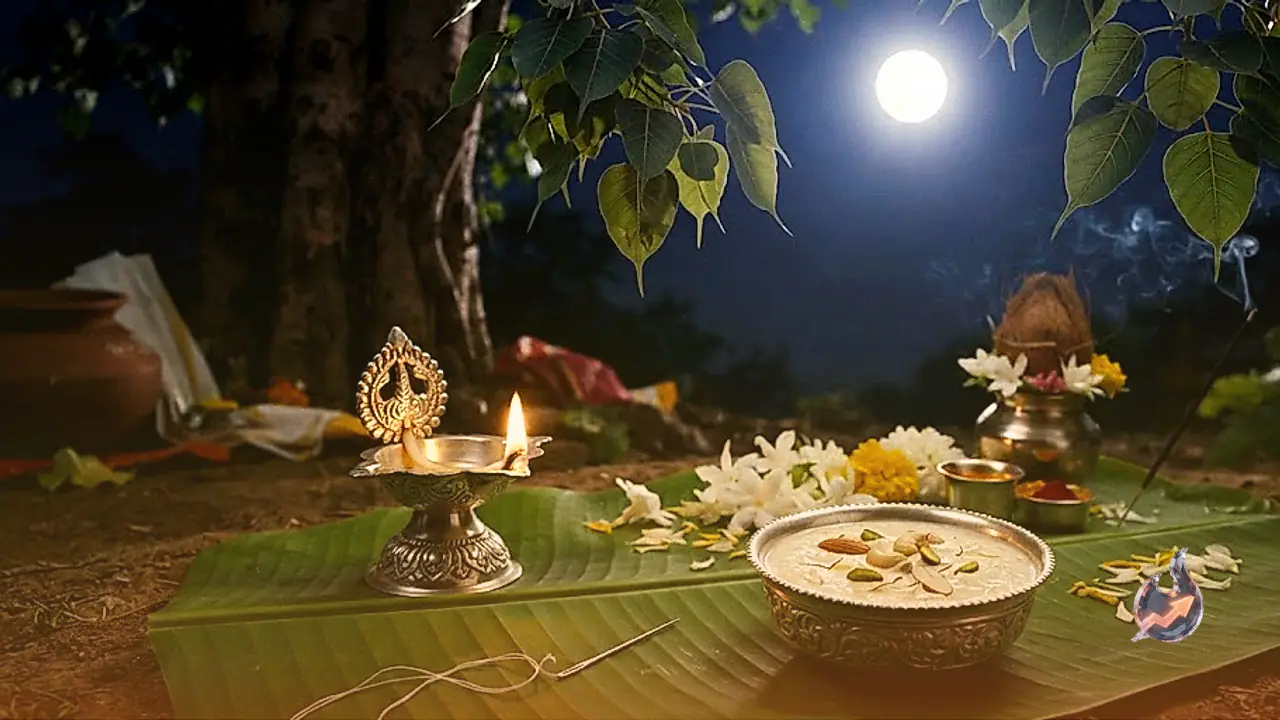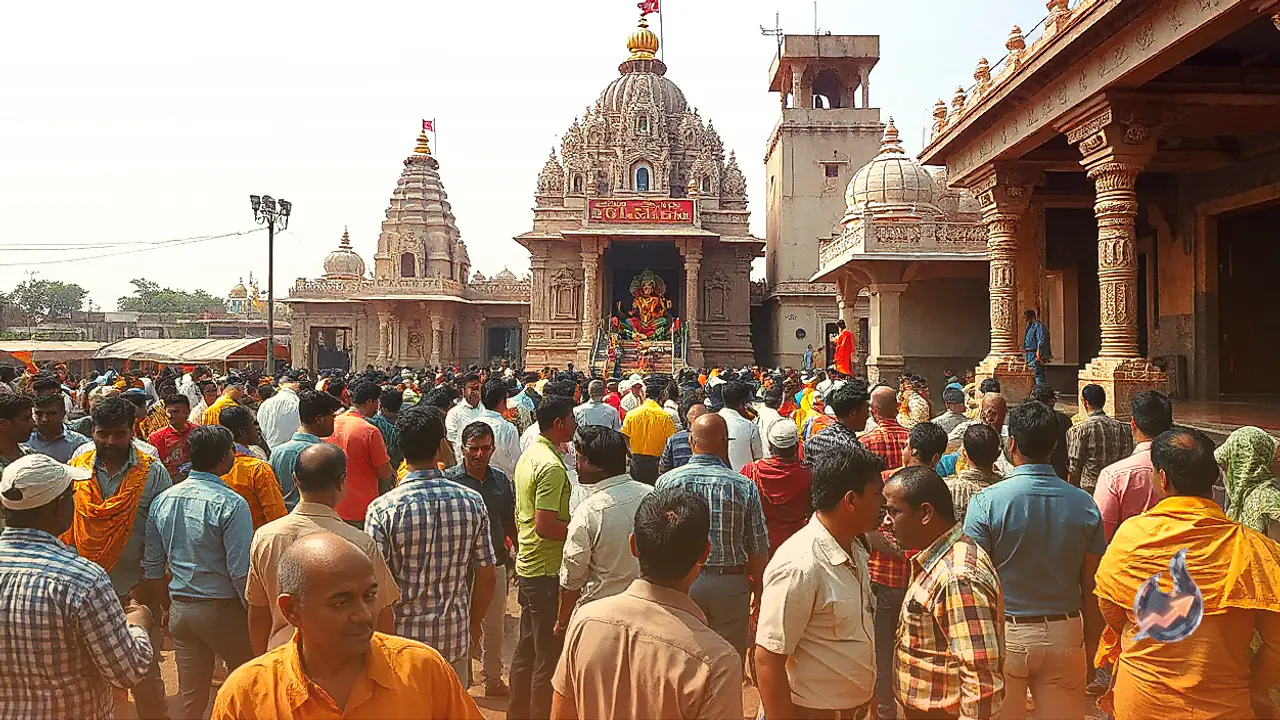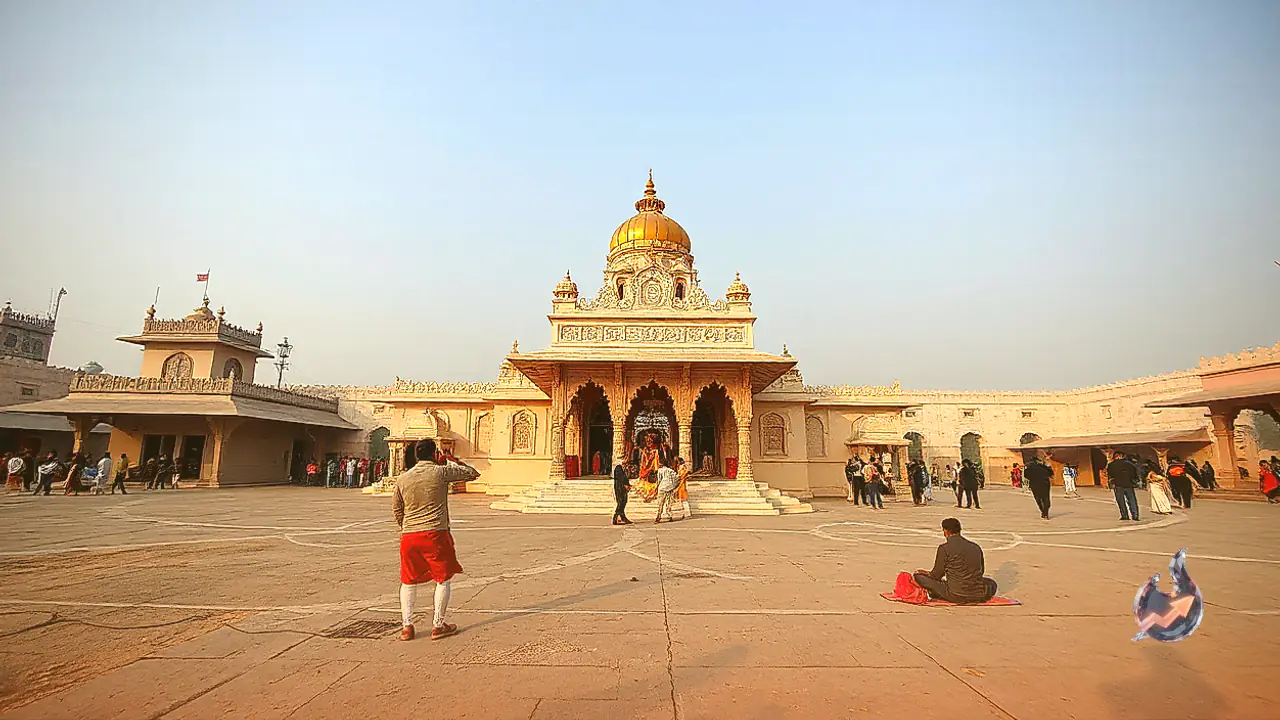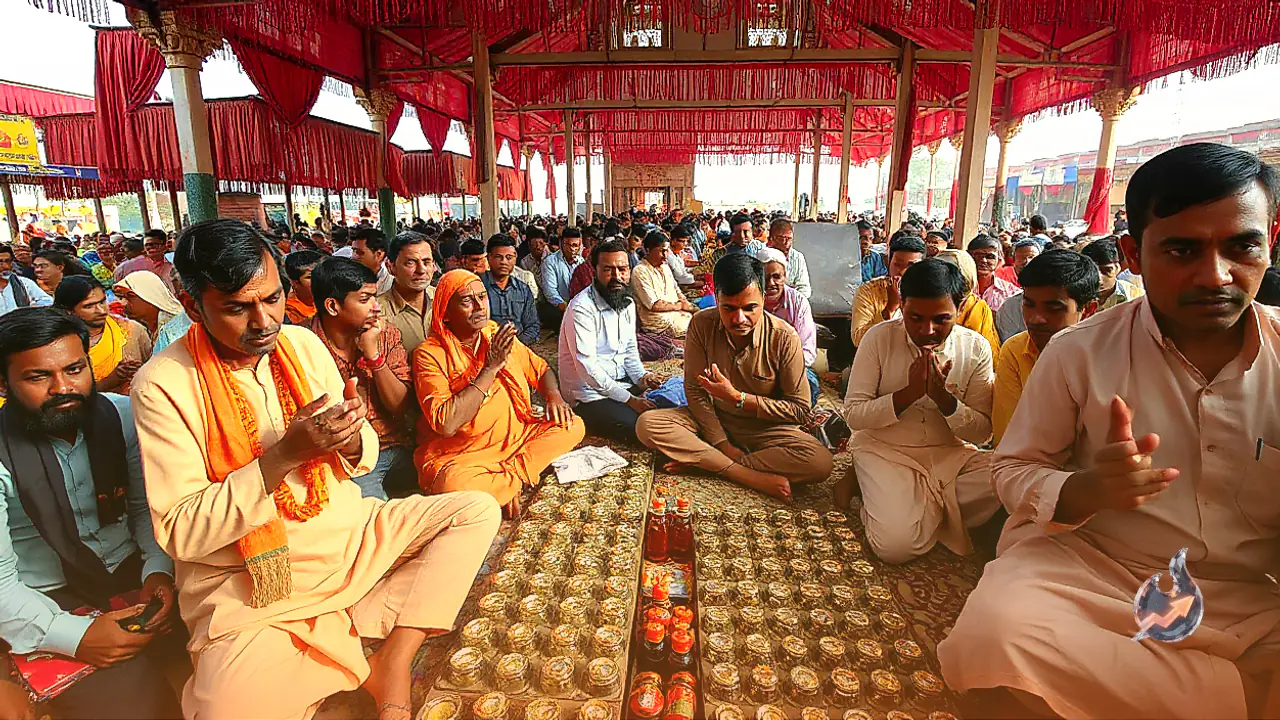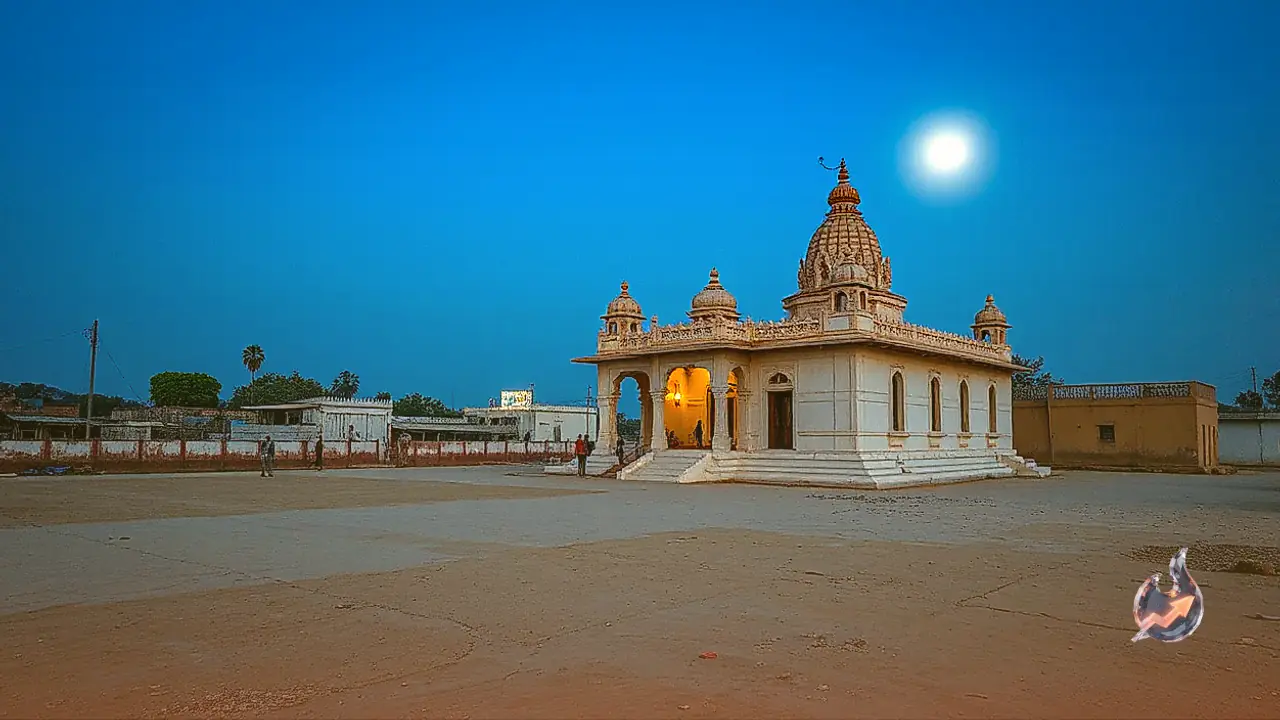






















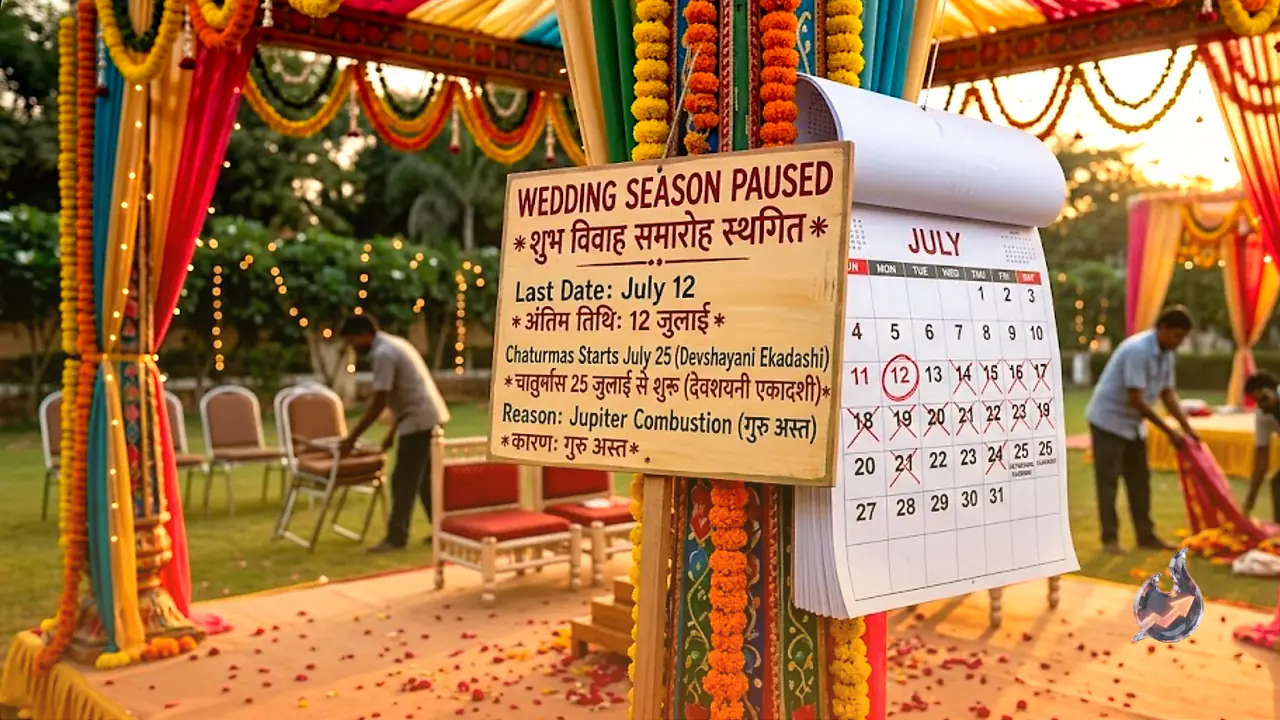

Families rushing to lock in a wedding date this season need to know the shubh muhurats are about to disappear well before Chaturmas technically begins. In Sanatan Dharma, the Ekadashi that falls on the Shukla Paksha of Ashadh month is known as Devshayani Ekadashi, and this year it lands on Friday, July 25. Chaturmas is believed to begin on this very day. According to belief, Lord Vishnu goes into yoganidra, a divine slumber, inside the Kshir Sagar for four months starting on this date, and only wakes up on the Ekadashi of Kartik month's Shukla Paksha, known as Devutthani Ekadashi. Through these four months, auspicious and ceremonial events such as weddings, griha pravesh, mundan, and the inauguration of new establishments are put on hold. The real question, though, is why wedding season shuts down from July 12 itself when Chaturmas doesn't officially start until July 25. Here is the reason behind that gap, along with what should and shouldn't be done during these four months.
How Chaturmas connects to Devshayani Ekadashi
According to religious belief, once Lord Vishnu enters yoganidra, the responsibility of running creation passes to Lord Shiva. When Vishnu wakes up on Devutthani Ekadashi, that responsibility returns to him. Chaturmas is regarded as a period of self-restraint, penance, chanting, charity and devotion. Saints and monks stay put in one place through this stretch, dedicating themselves to religious discourse, satsang and spiritual practice, while devotees bring more sattvik habits into their daily routine and spend extra time on religious rituals. It is said that good deeds performed during Chaturmas yield manifold rewards. The four months of Chaturmas cover Sawan, Bhadrapad, Ashwin and Kartik.
Why ceremonies actually stop from July 12
Astrologers note that July offers auspicious wedding muhurats only on the 2nd, 3rd, 4th, 9th, 11th and 12th. That's because the Dwadashi Tithi of Ashadh month's Krishna Paksha, that is July 12, at 11:11 am, marks the start of Jupiter's combustion period. This is exactly why ceremonial functions come to a halt after July 12. Following that, on July 15 at 7:27 pm, Jupiter will set in the western sky and remain retrograde until December 12, before rising again in the east on August 9. Jupiter being in a risen state is considered essential for conducting any auspicious or ceremonial event, so once it sets, there simply aren't any muhurats left to use. Right after this window closes, Chaturmas formally begins on July 25. That makes July 12 the last panchang-sanctioned wedding date of this season. Auspicious and ceremonial events will only resume once Devutthani Ekadashi arrives.
What to do during Chaturmas
- Offer daily prayers to Lord Vishnu, Goddess Lakshmi and Lord Shiva.
- Chant the mantra Om Namo Bhagavate Vasudevaya regularly.
- Read the Srimad Bhagwat, Bhagavad Gita, Ramcharitmanas and Vishnu Sahasranam.
- Donate food, clothing and money to the poor and the needy.
- Observe Ekadashi, Purnima and other major fasts with devotion.
- Eat sattvik food and maintain a disciplined routine.
- Try to stay away from anger, ego and negative thoughts.
What to avoid during Chaturmas
- Avoid weddings, engagements, griha pravesh, yagyopavit, mundan and other ceremonial rites.
- Do not consume tamsik food, alcohol or non-vegetarian food.
- Avoid lying, deceit, abusive language and insulting others.
- Do not harm trees, plants or animals without genuine need.
- Do not ignore religious rules or be careless with fasts and vratas.
Why ceremonial functions are avoided during this period
Religious belief holds that while Lord Vishnu is in yoganidra, he is not directly active in the auspicious functions tied to sustaining creation, which is why this period isn't considered suitable for weddings, griha pravesh and other auspicious rites. Once Vishnu wakes on Devutthani Ekadashi, auspicious and ceremonial events start up again. Religious scholars describe Chaturmas as more than just a pause on auspicious functions, calling it a golden window for self-purification, spiritual practice and devotion to God. The chanting, penance, fasting and charity carried out during this period are believed to bring spiritual growth along with happiness, peace and prosperity in life.