















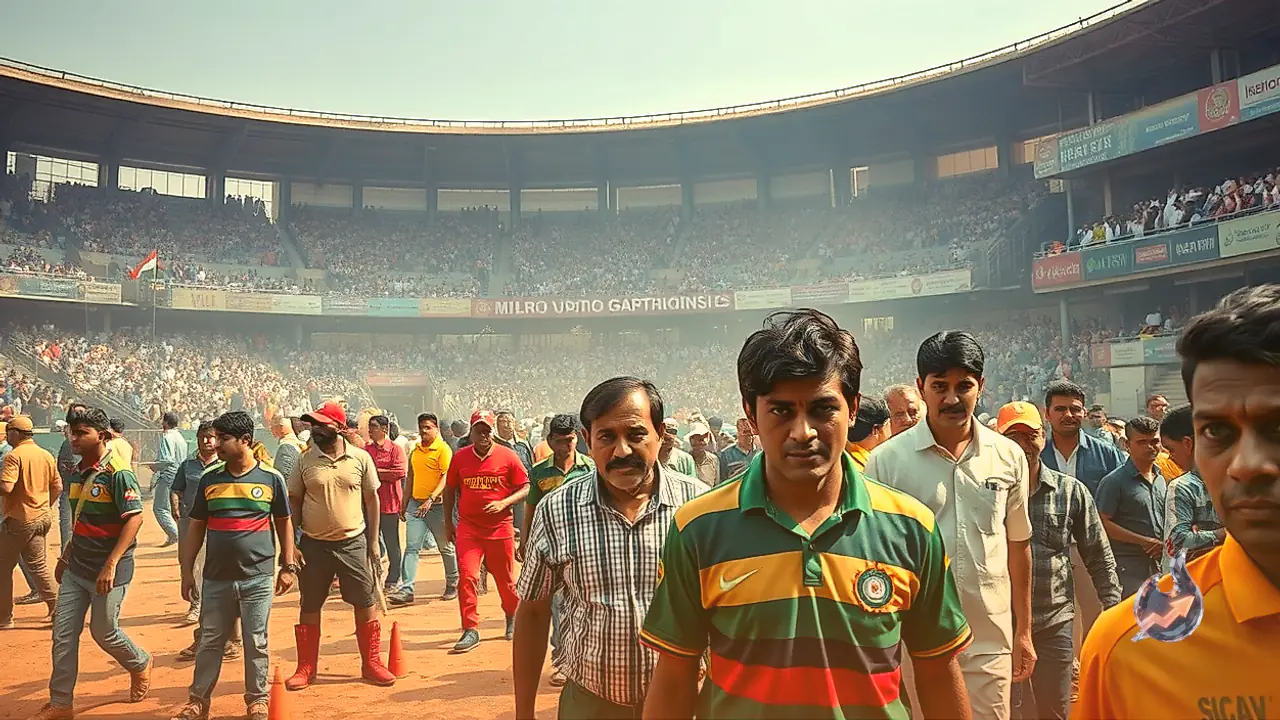

India's national capital has long been viewed through the prisms of central governance, power politics, and high-profile cricket spectacles. Beyond the spotlight of the Delhi and District Cricket Association (DDCA) and occasional ceremonial sporting functions, however, an uncomfortable reality confronts sports lovers. Delhi's broader sporting heritage, once defined by flourishing football tournaments, premier hockey fixtures, and enthusiastic community participation, is struggling for breath. For a major metropolis, a genuine sporting culture cannot be sustained on a single discipline alone. The state of Olympic disciplines across Delhi today raises serious questions about policy focus, institutional dedication, and long-term planning.
A thriving athletic culture in any global city relies upon several foundational pillars. These include regular scheduling of marquee tournaments, vibrant local clubs, intense school and collegiate rivalries, and sustained spectator attendance. Unfortunately, in both football and hockey, Delhi seems disconnected from its own proud traditions. Rather than building on past foundations and maximizing modern urban infrastructure, the city has allowed its multi-sport ecosystem to erode into passive neglect.
The Rich Past and Uncertain Future of Delhi Football
Football in Delhi once possessed a genuine aura of excitement. For generations, the prestigious Durand Cup, among the oldest and most revered competitions in world football, stood as the crown jewel of the capital's sporting calendar. The tournament gave Delhi a prominent standing on the national football map, regularly drawing passionate crowds to witness India's finest clubs battle for glory. However, the decision to shift the Durand Cup away from Delhi after 2016 delivered a severe blow to the local sporting ecosystem. When the tournament relocated to other centers, Delhi lost its primary football festival and the emotional connection that had bonded generations of fans to the local game.
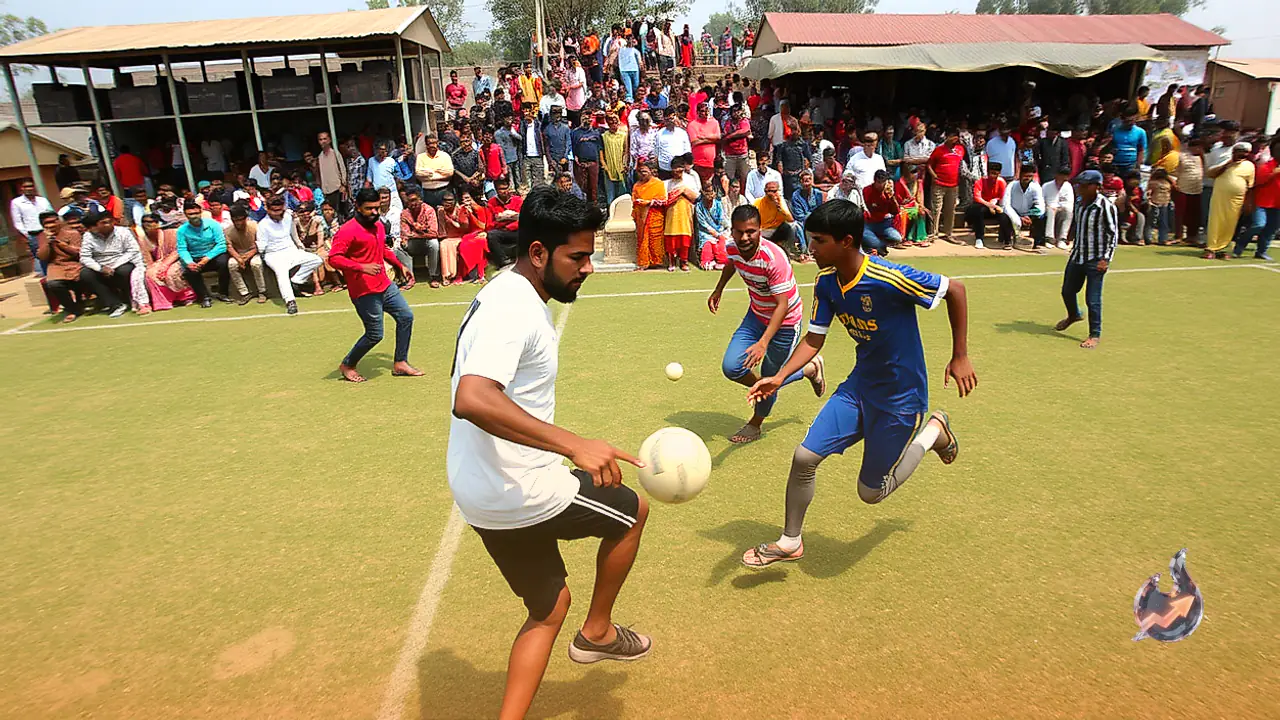
Efforts made by dedicated clubs such as Sudeva United, alongside grassroots initiatives centered around the historic Ambedkar Stadium, remain genuinely commendable. Yet private club activity alone cannot single-handedly spark a citywide football revolution. Cultivating a dynamic sports landscape requires a synchronized ecosystem. That structure demands competitive local leagues, energetic state administration, active participation from academic institutions, regular media attention, and genuine community engagement. Without these interconnected elements working together, independent club initiatives can only achieve limited momentum.
Administrative Complacency and the Need for Accountability
The state of affairs within local sports administration demands honest scrutiny. Historically, many traditional sports bodies and district associations have become consumed by internal politics, voting blocs, factional elections, and procedural board meetings rather than genuine on-field advancement. When executive leadership remains unchanged across decades while grassroots participation steadily declines, the institutional rationale of such bodies must be challenged.
Stability in governance is valuable, but stability devoid of progress becomes stagnation. Delhi's sports fraternity urgently requires leadership that prioritizes playing fields, developmental infrastructure, youth athletes, and spectator engagement over prestige and boardroom tenure. Administrative transparency and professional management are essential prerequisites if local sports are to reclaim relevance in a rapidly changing sports marketplace.
Harnessing the Untapped Potential of the Subroto Cup
At the grassroots level, Delhi retains a priceless asset in the form of the Subroto Cup. Widely recognized as India's premier inter-school football competition, it has provided a national showcase for young athletes from every corner of the country for decades. Countless international and national footballers took their foundational steps on this very stage. The critical issue, however, is whether the sports authorities in Delhi are leveraging the immense potential of this tournament to build an enduring local structure.
The Subroto Cup cannot remain merely a standalone annual ritual. To serve as a true engine of sporting development, it must be deeply integrated into the city's broader football framework. That entails creating competitive intra-city school leagues, structured district scouting mechanisms, dedicated talent pathways, and transparent connections with professional club academies. If the national capital cannot build an enduring grassroots movement around an iconic brand like the Subroto Cup, opportunities to revive the sport will continue to slip away.
Reviving Hockey Heritage and Activating Shivaji Stadium
The narrative of neglect is equally visible in hockey, a sport woven into the cultural fabric of the nation. The historical Nehru Hockey Tournament once stood as a cornerstone of Delhi's sporting life, producing matches that drew large crowds and inspired youngsters across northern India. The tournament's eventual relocation outside the capital, followed by its sporadic return, illustrates the precarious nature of competitions that lack sustained municipal and administrative backing.
Shivaji Stadium, situated close to the heart of the city in Connaught Place, possesses the heritage and infrastructure to act as a vibrant epicenter for a regional hockey revival. Yet maintaining an artificial turf facility is meaningless if it remains locked away from regular competitive action. What is missing is a coordinated strategy to reconnect the stadium with schools, colleges, and neighborhood clubs. Without marketing the sport, creating family-friendly matchday experiences, and actively drawing youth back to the stands, Delhi's hockey legacy will remain confined to historical recollections.
The Essential Role of Media and Community Passion
A significant contributing factor to the decline of non-cricket sports in the capital is the shrinkage of mainstream sports reporting beyond celebrity coverage. Sports journalism owes a duty to the broader athletic ecosystem and the public. When local leagues, emerging athletes, and regional competitions are ignored due to institutional bias or editorial indifference, public interest inevitably withers. Passion cannot flourish in an informational vacuum; fans must hear the stories of players and witness competitive drama to care.
Spectator passion has always been the lifeblood of Indian sport. This was powerfully illustrated when former FIFA president Sepp Blatter visited India and expressed his fascination with the historic rivalry between East Bengal and Mohun Bagan, an encounter capable of drawing over 100,000 spectators to the stands. That profound emotional reservoir proves that Indian sports enthusiasts possess an immense appetite for games beyond cricket. Delhi must now take deliberate, structural steps to rekindle this sporting flame across football, hockey, and Olympic disciplines, ensuring that the capital becomes a welcoming home for every athlete and every fan.