


















In the transformative years that followed the conclusion of the Second World War, a sweeping wave of decolonization reshaped the Asian landmass. As newly sovereign states struggled to define their individual and collective identities, sports emerged as a compelling vehicle to foster fraternity among populations long separated by imperial borders. Today recognized across the globe as the second-largest multi-sport competition behind only the Olympic Games, the Asian Games did not arise merely as an athletic spectacle. The inaugural 1951 gathering in Delhi marked a defining milestone, announcing an independent, forward-looking India ready to anchor the aspirations of an awakening continent on the international stage.
Continental Unity and the Vision of a Confident Nation
The post-war disintegration of colonial systems unlocked unprecedented avenues for regional collaboration across Asian frontiers. When Indian sports administrators began charting the administrative contours of the Asian Games Federation and organizing the 1951 competition, they were driven by far more than athletic pursuits. The initiative reflected the geopolitical vision of a young nation eager to demonstrate its organizational maturity and cosmopolitan worldview to the global community.
Constructing an international sporting forum comparable in scale to the Olympics provided the ideal instrument to project this newfound national self-assurance. Physical competition was embraced as a unifying bridge capable of bringing emerging Asian societies together in peaceful solidarity. Anthony de Mello, one of the principal architects of the 1951 Delhi event, captured the gravity of the occasion when writing in 1959, observing that Indian athletics had never witnessed a more majestic moment. He underscored that March 4, 1951, represented an unprecedented date in the sporting chronicles of India, the Asian continent, and the broader world, as it witnessed the formal inauguration of the first Asian Games.
The 1947 Asian Relations Conference and the Founding Vision
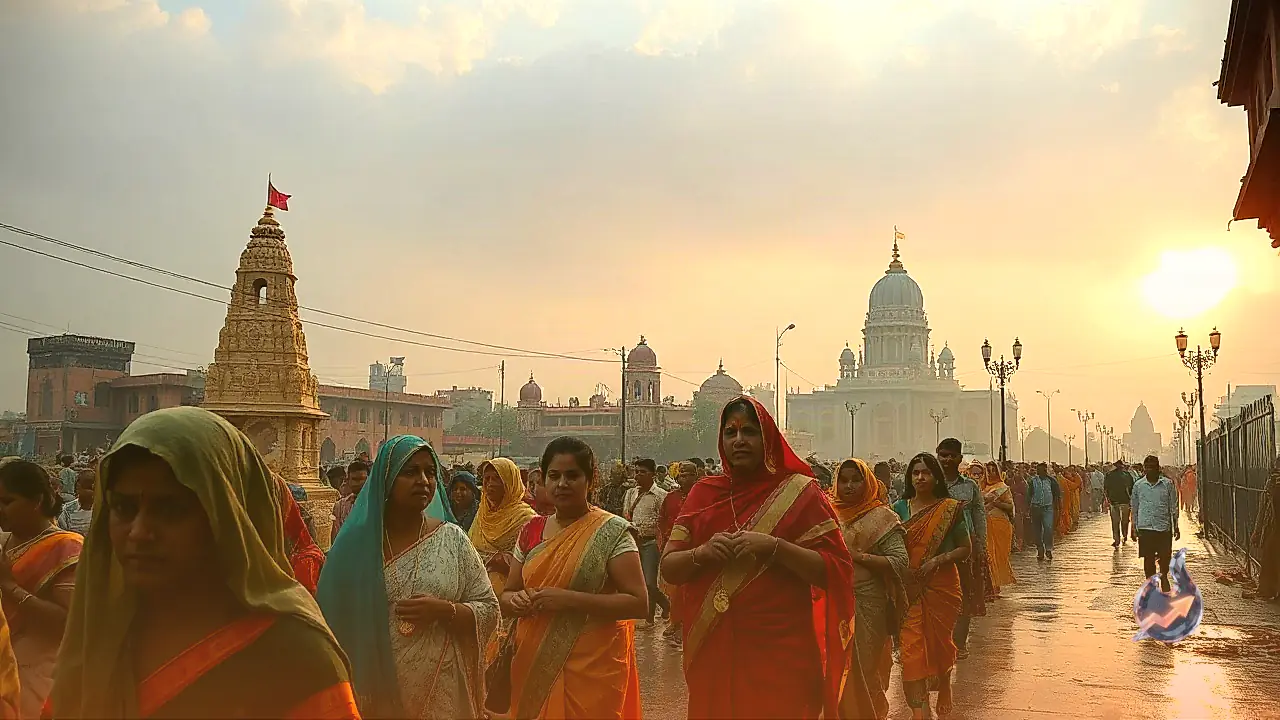
The institutional momentum behind the Games originated well before the competition took place in 1951. The foundational concept was introduced in Delhi during the historic Asian Relations Conference of 1947, held shortly prior to Indian independence. Convened by the Indian Council of World Affairs, that landmark assembly brought together delegates from 21 nations to establish lasting channels of continental cooperation.
It was within this multilateral setting that sports official G.D. Sondhi formally presented the blueprint for creating the Asian Games Federation. Having accumulated valuable experience through his involvement with the Western Asiatic Games, Sondhi envisioned a comprehensive competitive platform encompassing athletes from every corner of Asia. While his proposal gained enthusiastic conceptual endorsement, translating the ambition into an operational reality demanded immense persistence against substantial logistical headwinds, yet Sondhi continued to pursue the goal relentlessly.
From a London Hotel to the Definitive Delhi Charter
A critical breakthrough occurred during the 1948 London Olympic Games. Capitalizing on the presence of sports delegations from across the world, G.D. Sondhi convened a crucial meeting on August 8 at the Mount Royal Hotel. The assembly drew prominent sports officials representing several Asian territories, including Korea, China, the Philippines, Burma, and Ceylon. It was at this gathering that the delegates formally resolved to entrust Delhi with the responsibility of staging the inaugural Asian Games.
Organizers initially targeted 1950 for the opening ceremony. Although a proposed preparatory invitational athletics meet in 1949 could not materialize, the setback did not derail the broader movement. Over February 12 and 13, 1949, sports leaders assembled once again in Delhi. Representatives from eight nations attended these intensive working sessions, ultimately finalizing the official constitution and administrative framework of the Asian Games Federation.
Historic Inauguration Before 30,000 Spectators
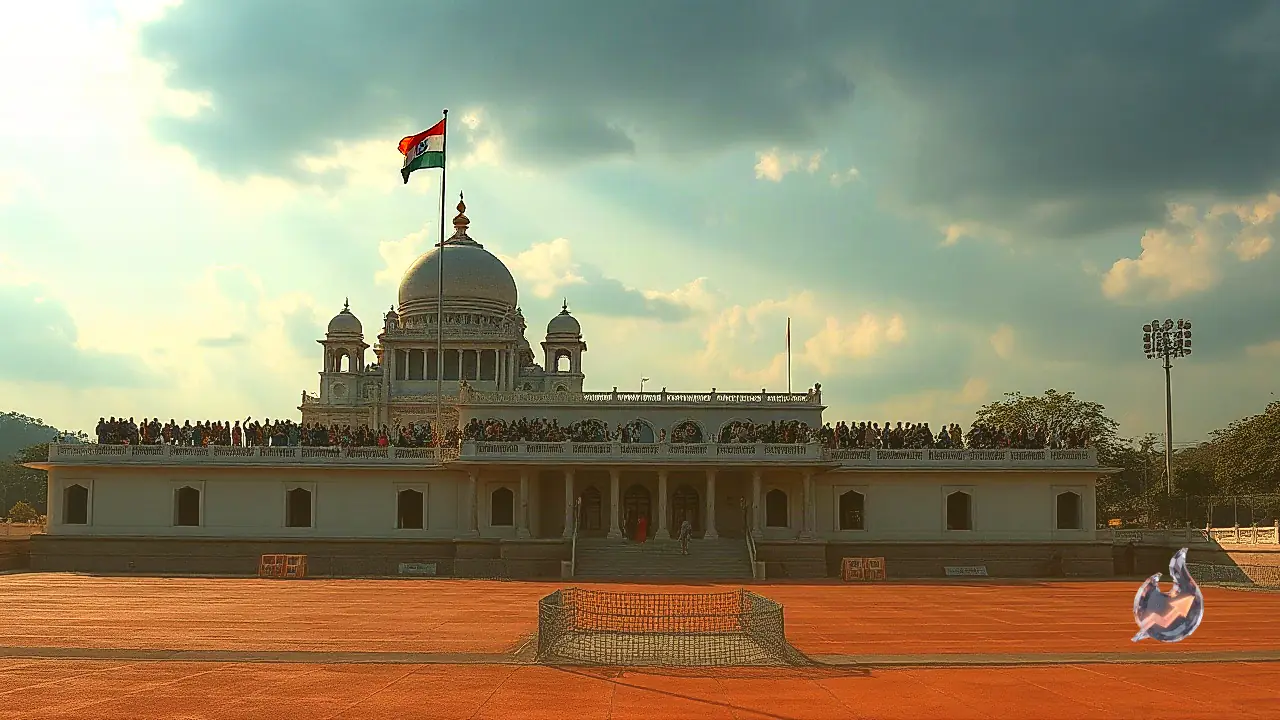
Nearly two years after the federation took shape, Delhi witnessed an extraordinary spectacle that etched itself into sporting history. Prime Minister Jawaharlal Nehru presided over the grand opening of the first Asian Games inside the newly built National Stadium. A crowd of approximately 30,000 spectators filled the stands to observe independent India establishing itself as the epicenter of a major international sporting enterprise.
While China did not field an athletic delegation in the inaugural competition, the People's Republic of China dispatched an official delegation of 10 special observers to act as goodwill ambassadors. These delegates marked the first official Chinese representatives to set foot in India following its independence. Recognizing the diplomatic significance of the gesture, Prime Minister Nehru invited the Chinese envoys to his official residence for breakfast. What began that day has blossomed into a colossal multi-sport gathering where hundreds and thousands of athletes represent their countries every four years, built upon the foundation laid by a 1951 India that viewed athletics as an engine of continental unity.
Carrying the Delhi Legacy Forward to Nagoya
The transformative journey launched on the grounds of Delhi has evolved into one of the crown jewels of international athletic competition. Every four years, the Games provide an expansive stage for the continent's finest competitors to showcase athletic excellence and regional camaraderie. The sheer magnitude of the modern spectacle stands as a testament to the foresight of 1951, when sports was recognized as a shared cultural force capable of binding a changing Asia together beyond mere medal tallies.
As the international community looks ahead to Nagoya writing the next chapter of the Asian Games, the upcoming competition represents another vital stop along an ongoing continuum. That enduring voyage trace its origin back more than 75 years to the dusty, hopeful tracks of Delhi. Expectations remain high that Nagoya will add another rich and vibrant chapter to a shared continental tradition born from Indian leadership.