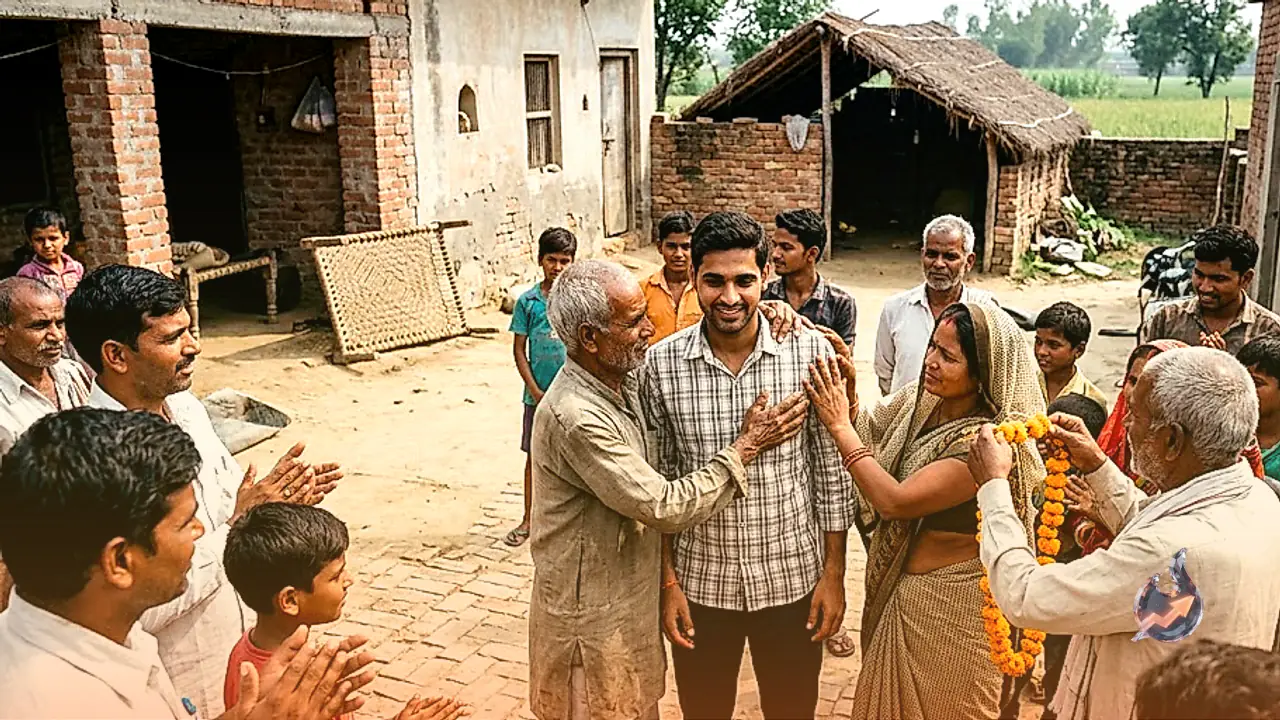

















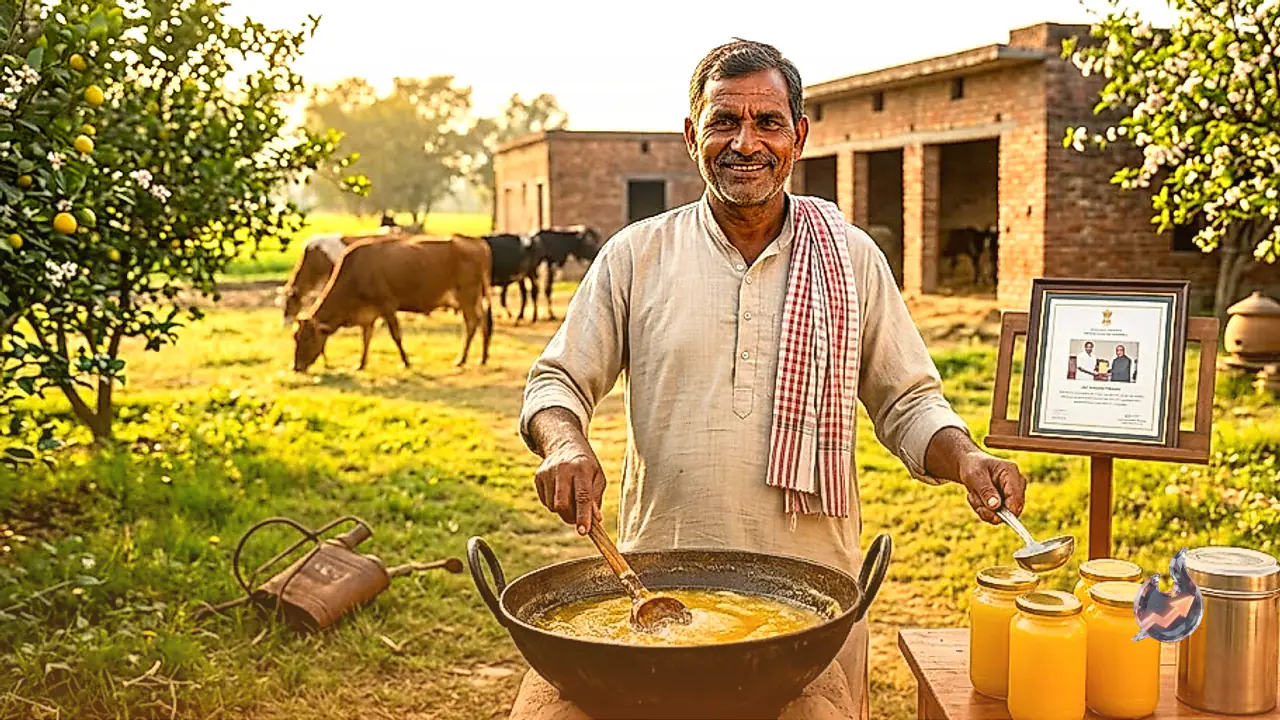
A farmer in Uttar Pradesh's Ballia district has built an income model that ties together lemon orchards, beekeeping and cattle rearing, and it now brings him lakhs of rupees in annual earnings. Jai Prakash Pandey, who lives in Mirigiri village under Bansdih tehsil, started out simply growing lemons and keeping bees, but one discovery changed the direction of his entire farm.
A bee die-off that changed everything
When Jai Prakash Pandey first took up beekeeping, he noticed that the chemical pesticides being sprayed on his fields were killing his bees. The realisation shook him, and he decided to give up chemical farming altogether in favour of fully organic methods. That single decision would go on to become the biggest source of his income.
A cow named Laxmi kicks off the dairy business
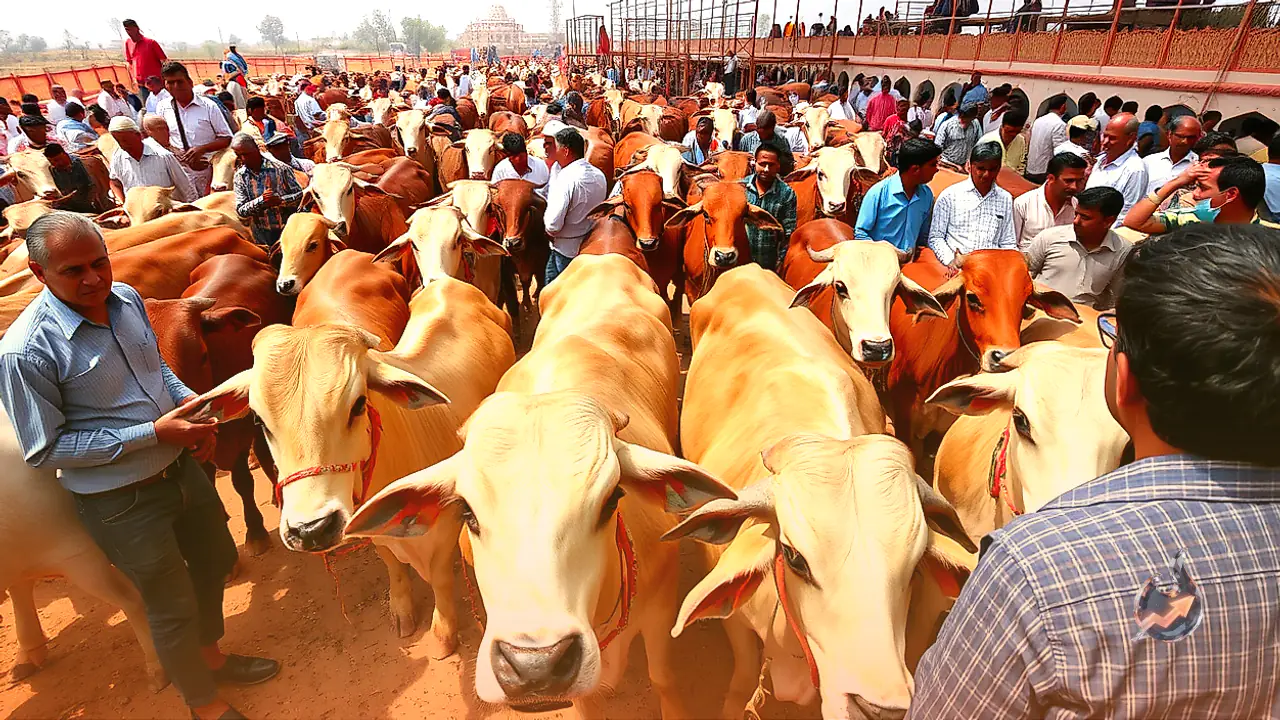
Organic farming meant Jai Prakash needed a steady supply of cow dung and cow urine, since he refuses to use any market bought fertiliser. His household also needed 7 to 8 kilograms of milk every day. On his son's advice, he bought his first cow and named her Laxmi out of affection. That is where his real earnings began. His herd grew steadily over time, and he was even given 2 cows of the Gir breed from the Raj Bhavan. Today his cattle shed houses about 14 cows of the Gir and Sahiwal breeds. He has also bred his own calves so that he does not have to depend on artificial insemination in the future.
A custom trough for 20 cows and mosquito nets for protection
Jai Prakash's cattle shed is a showcase of modern technique. A special trough has been built so that 20 cows can feed together at the same time. Cow mats have been laid on the floor, which keep the animals comfortable and also help collect the cow urine in one place. The entire shed has been covered with mosquito netting to keep the animals from falling sick. Even the water used to bathe the cows is not wasted, it flows straight into the lemon orchard and irrigates the plants, improving their growth. Better pollination by the bees has also doubled the yield of the lemon orchard.
Honey, ghee, buttermilk and manure, each reinforcing the other
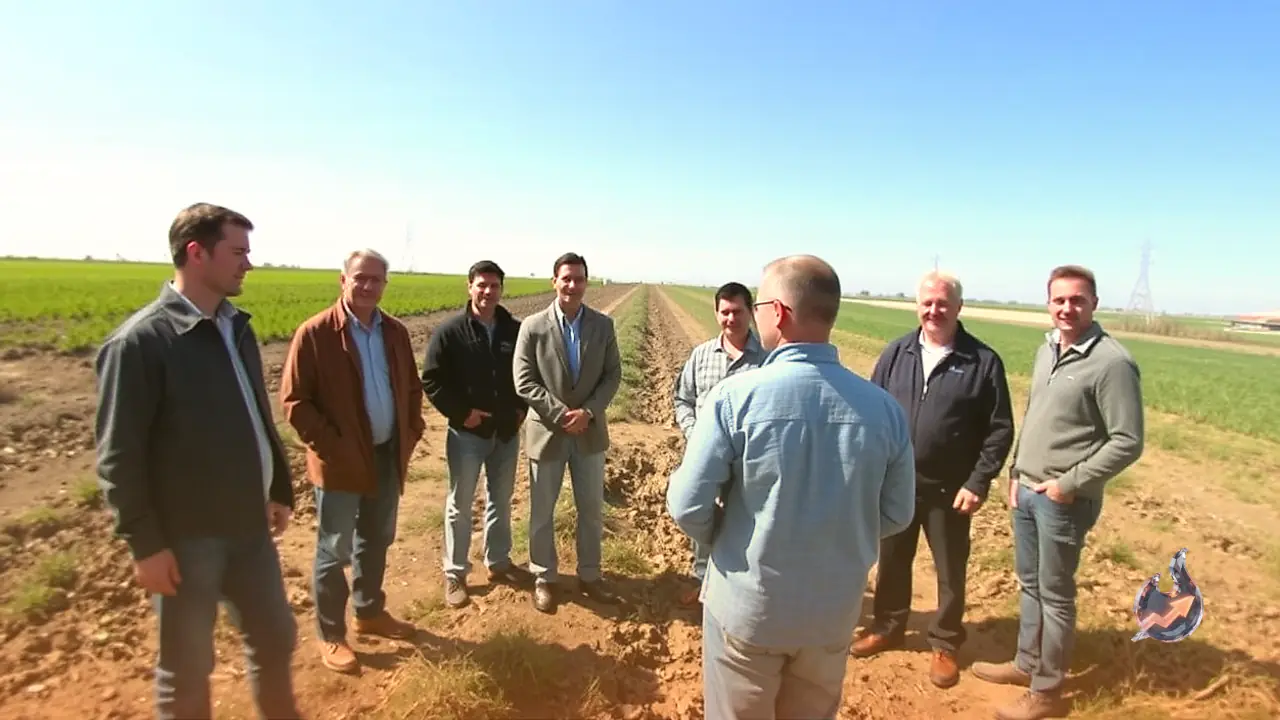
In effect, a single piece of land is now producing honey, ghee, buttermilk, organic manure, cow urine and lemons, with each part of the operation strengthening the others. Jai Prakash Pandey has made excellent use of his land. The state governor personally honoured him, and the same governor also inaugurated his cattle shed. The enterprise has created employment for 6 people.
Why he stopped selling milk and started making ghee instead
Producing one litre of milk costs around Rs 72 to 73, while milk sells in the open market for just Rs 40 to 50 a litre, a clear loss. Recognising this, Jai Prakash chose value addition over selling raw milk. He began churning butter from milk and curd using the traditional bilauna method, and then turned that butter into pure desi ghee. His ghee now sells for about Rs 3,000 per kilogram.
An annual turnover of 10 to 11 lakh rupees, and more
Around 30 kilograms of ghee are sold every month, which works out to a monthly turnover of roughly Rs 90,000 from ghee alone. Over a full year, that adds up to a turnover of about Rs 10 to 11 lakh. He also sells buttermilk at Rs 25 per kilogram, which brings in separate profit, while the earnings from his lemon orchard and beekeeping are counted apart from all of this. A single farm has given Jai Prakash Pandey several independent streams of income.