






















In Madhya Pradesh's Burhanpur district, more and more women farmers are switching to organic farming because it delivers strong profits at a lower cost. Ratna Medhe, who lives in Bakkhari village roughly 15 kilometres from Burhanpur, is one of the clearest examples of this shift. Ratna studied only up to class 10, yet she now farms three and a half acres of land organically and earns between three and four lakh rupees every year.
From pesticide-heavy banana farming to a fresh start
Earlier, Ratna's family grew only bananas, and pesticides were used on the crop. Ratna herself stayed at home and did not step out to work. That changed once she joined a self-help group. Through the group she learned about organic farming and went on to receive training in it. After the training, she stopped using pesticides altogether and switched entirely to organic methods.
Multiple crops on three and a half acres bring daily income
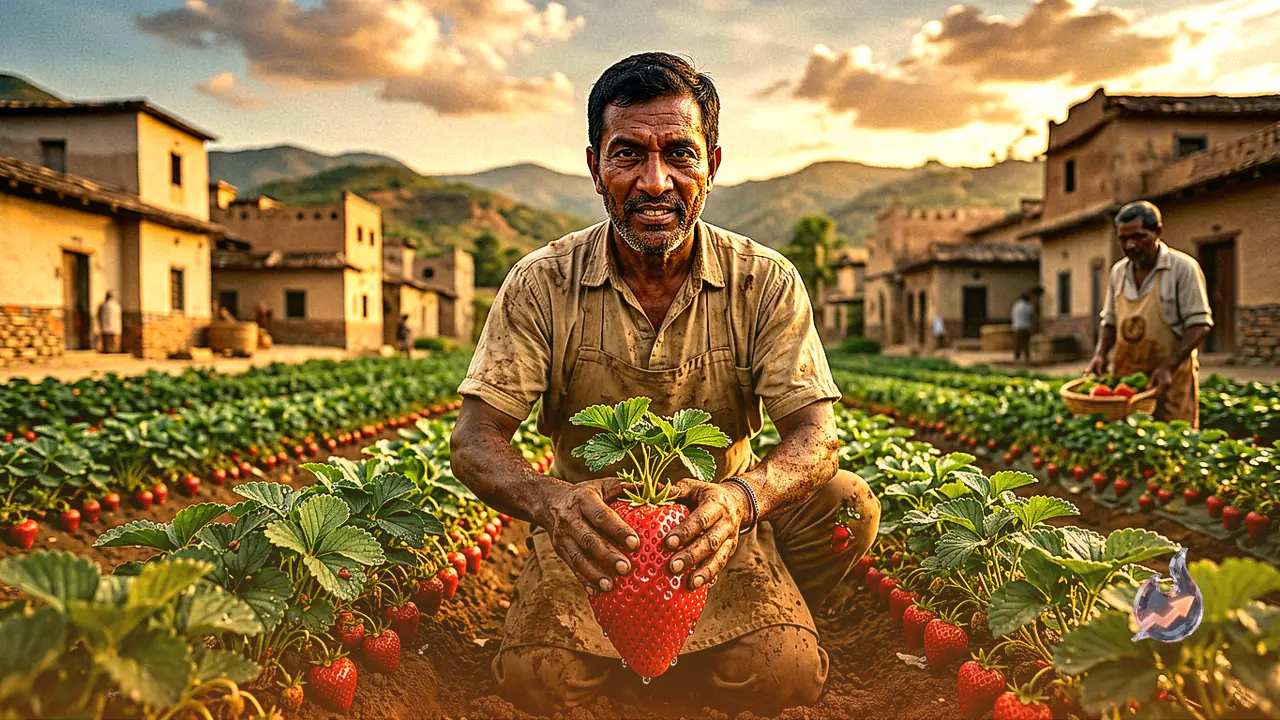
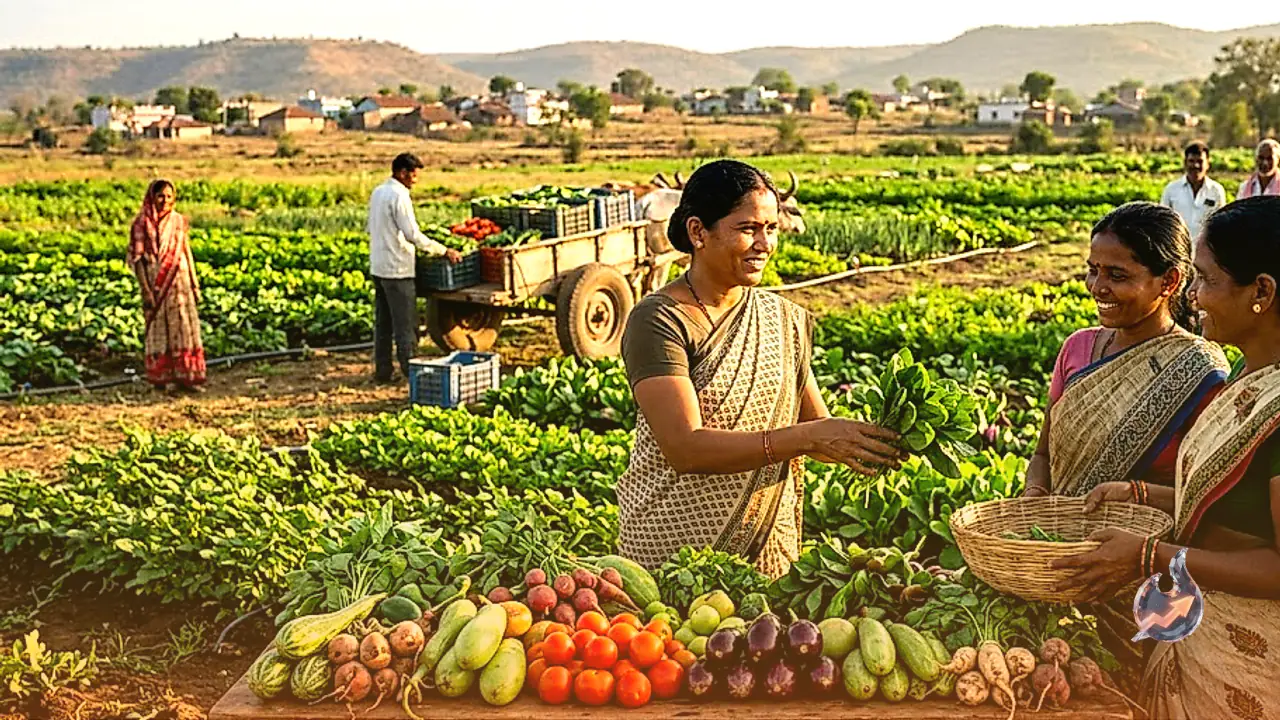
For the past two years, Ratna has been farming her three and a half acres organically. Her fields now carry bananas, brinjal, moong pods and choli, along with bottle gourd, ridge gourd and cowpea pods and several other vegetables. Because so many crops are grown together, something is ready for sale from her farm almost every day, which keeps a steady stream of income coming in. That daily flow adds up to a total annual earning of three to four lakh rupees.
Learning from agricultural scientists and social media
Ratna did not learn organic farming techniques at any large institution. Instead, she picked them up with guidance from agricultural scientists and information available on social media. She prepares compost on her own farm and uses it to feed her plants. Pesticide use on her land has come down to zero. As a result, her farm now produces well even on a lower input cost, and she is also getting a better price for her produce in the market.
A model farmer honoured by the district administration
Ratna's effort and success have made her a model farmer in her village. The district administration has taken note of her work and is honouring her for it. She says she only studied up to class 10 and could not continue her education after that, but her decision to join a self-help group and take up organic farming has changed her entire life. Today, she stands as an example not just for her own family but for other women in her village too, showing that limited schooling and resources need not stop anyone from building a solid income through hard work and the right guidance.