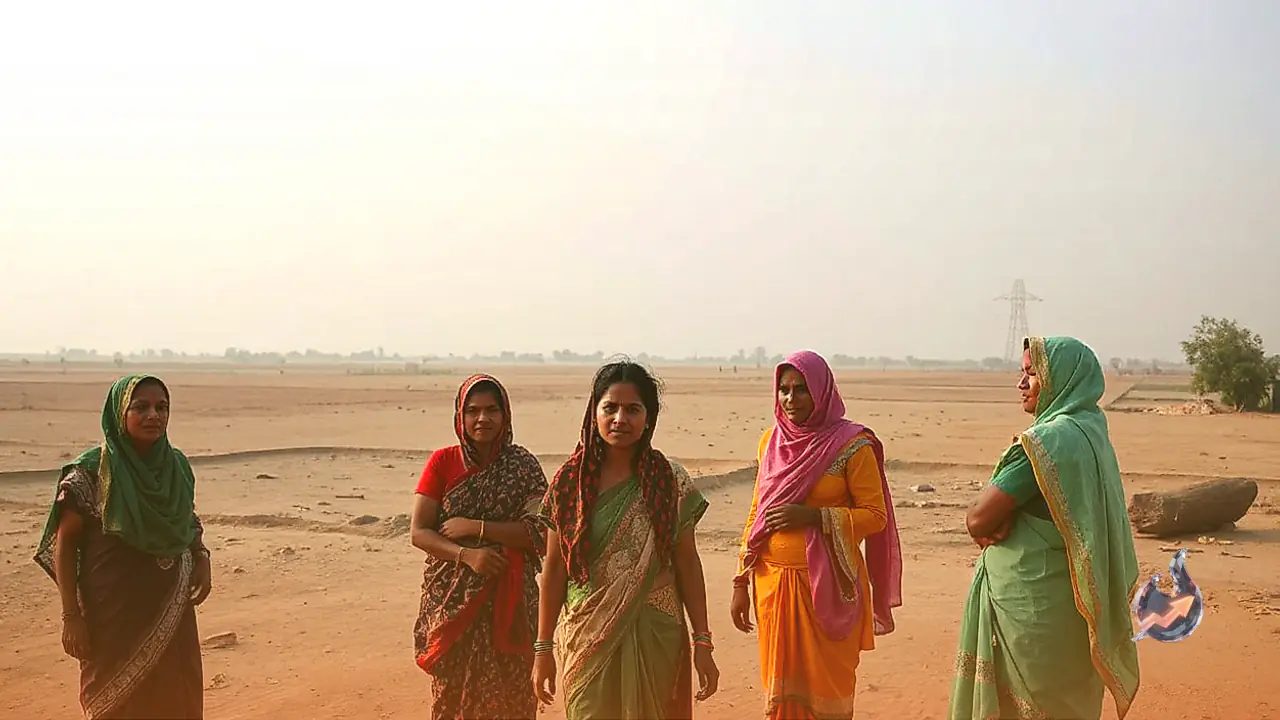

Government-backed self-help initiatives were originally conceptualized to empower women economically, allowing them to support one another and carve out fresh avenues for livelihood. In the Mirzapur district of Uttar Pradesh, women have translated this vision into reality by producing a diverse range of goods through cooperative groups and marketing them for substantial profits. Having spent the last two years manufacturing and selling these items, the participants have captured the local market's attention, drawing repeat customers who appreciate the craftsmanship and quality.
The Shiv Guru Prerna Initiative in Bharuhna
At the heart of this local enterprise is the Shiv Guru Prerna Self-Help Group, located in Bharuhna, Mirzapur. For two years, the women in this collective have dedicated themselves to crafting seasonal pickles, traditional dried lentil dumplings known as bari, and specialized garments for Lord Krishna. The meticulous care put into these handcrafted items has driven continuous demand across local consumer bases.
Expanding Product Lines and Market Appeal
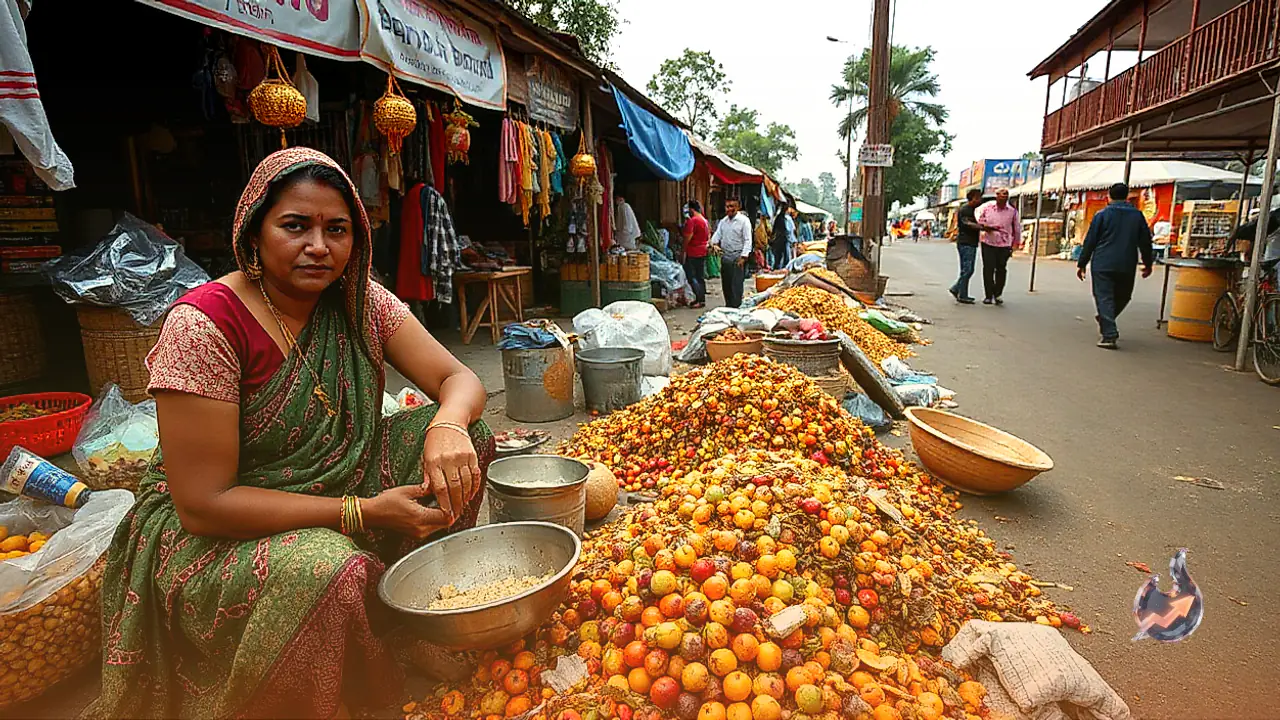
The women do not limit their production to a single category, offering instead a varied assortment of daily use and festive goods. They prepare an array of pickles using garlic, ginger, gooseberry amla, and elephant yam suran. Alongside these culinary items, they produce traditional bari, which is widely used to enhance daily meals and vegetable dishes. Furthermore, the group undertakes textile work, specifically stitching colorful and ornate clothing items for Kanhaji, which have garnered immense popularity and prompted customers to place repeat orders after their initial purchases.
Insights From Group Leader Shilpa Srivastava
Group president Shilpa Srivastava detailed the collaborative effort, noting that a core team of 10 women works together to manufacture the goods. The idea to utilize a collective framework for producing and selling varied merchandise originated roughly two years ago. Bolstered by early encouragement, the members initiated operations on a modest scale by making pickles before gradually expanding into bari production and divine attire, all of which now enjoy high market demand.
Overcoming Marketing Hurdles and Growing Revenue
According to Srivastava, the group members experienced relatively meager earnings in the initial phases, but their revenue has since multiplied significantly. While marketing and distribution posed initial challenges due to a lack of structured outlets, the situation has improved as local authorities and event organizers now allocate spaces for the women to set up exhibition stalls. A key selling point of their enterprise is that every single item is crafted entirely within their homes rather than industrial setups, a factor that resonates deeply with buyers and sustains their growing financial independence.