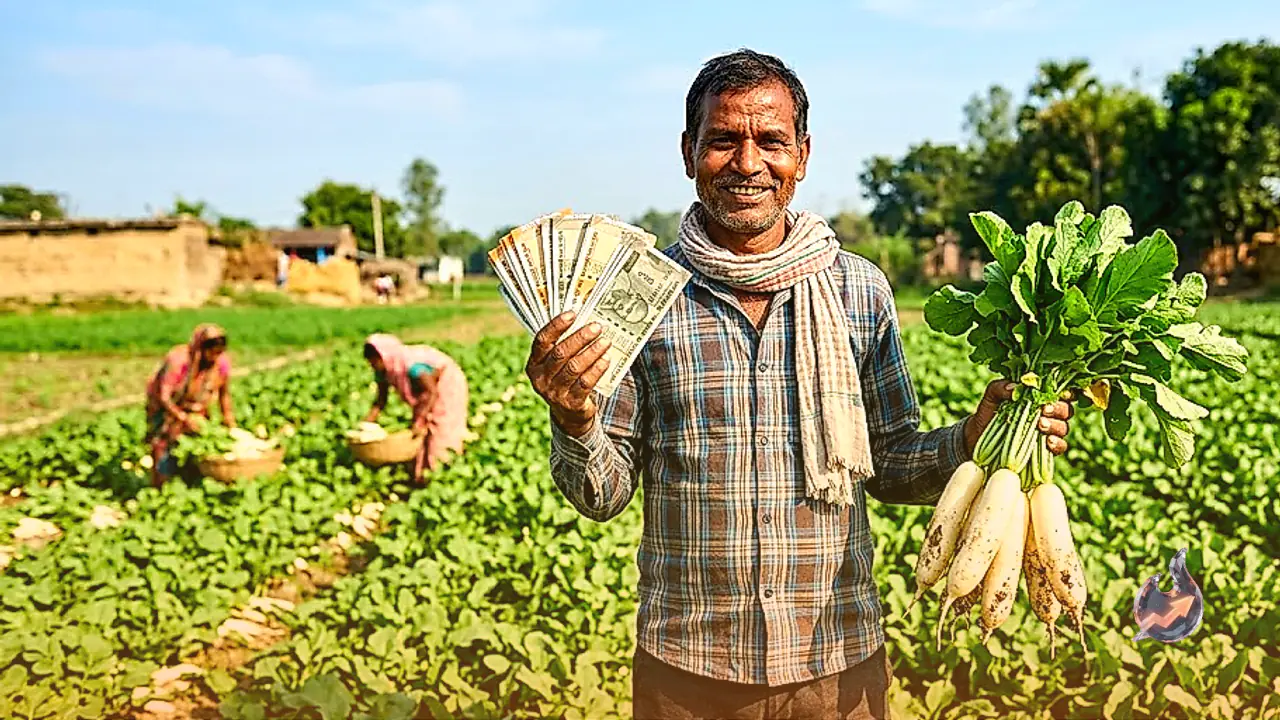




















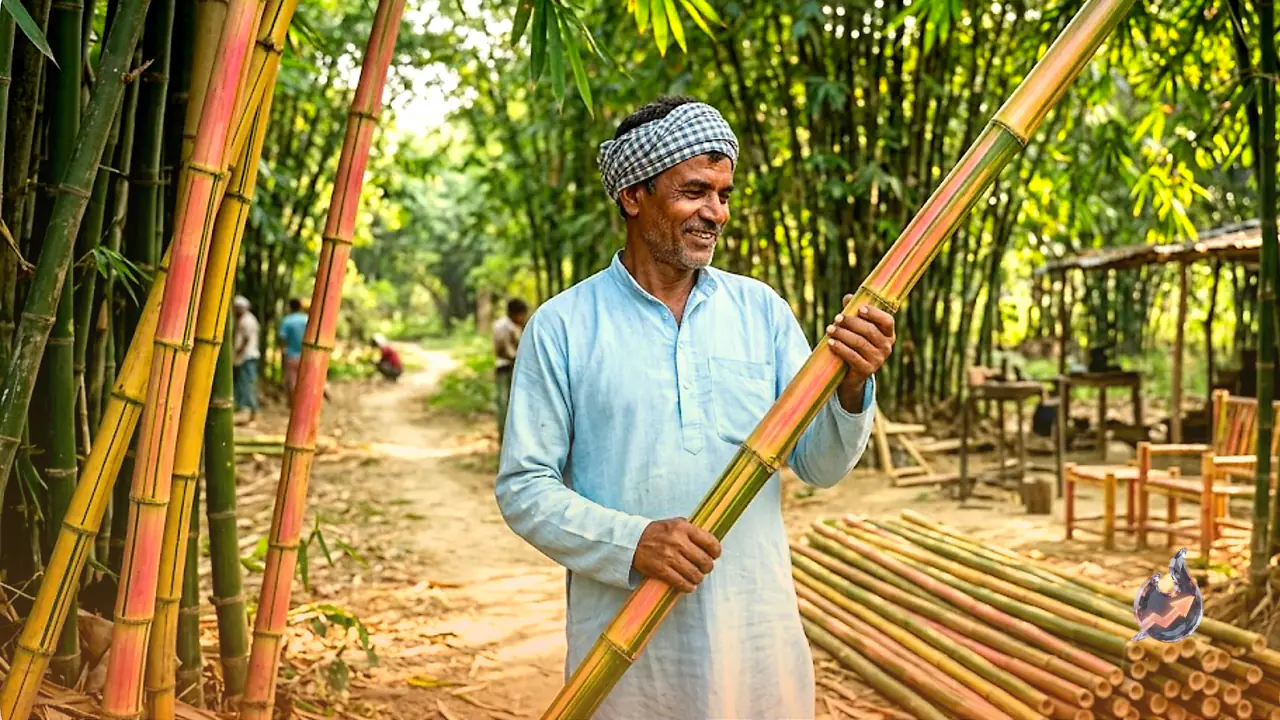

Umesh Yadav, a progressive farmer based in the Sitamarhi district, has established a remarkable precedent by stepping away from conventional farming methods to embrace agricultural diversification. By opting to cultivate advanced varieties of pink bamboo, yellow bamboo, and specialty rattan-like bamboo in his fields instead of standard seasonal crops, he has sparked a significant shift in local agricultural practices. This unique initiative has garnered attention for its potential to open new avenues for profit in the farming sector.
Naturally Polished Furniture Materials
The standout feature of these advanced bamboo varieties is their lack of thorny segments and knots, which are typically found in common varieties. Because of this smooth and clean texture, the bamboo serves as an exceptional raw material for furniture production. Items like sofas, chairs, and tables crafted from this produce possess such a high degree of natural luster that they do not require any additional paint or polish. This intrinsic aesthetic appeal has led to a consistent rise in demand within the market for these products.
The Hurdle of Processing Facilities
Despite the high quality of the yield, Umesh Yadav faces the challenge of limited local infrastructure. Due to the absence of modern processing plants and sophisticated machinery in the area, he is compelled to sell his valuable produce in outside markets at distress prices. At present, this premium bamboo fetches only between 125 to 150 rupees in the local market. Yadav notes that if the government or administration were to provide access to modern equipment, he could manufacture international-standard furniture locally. Such an upgrade would not only improve his earnings but also create employment opportunities for local youth.
Low Costs and Potential for Growth
According to Yadav, the cultivation of these specific species does not incur any additional costs, remaining on par with the expenses of traditional bamboo farming. Furthermore, the rattan-like bamboo offers unique versatility; it can be softened in hot water and molded into complex, curved designs, allowing for the creation of intricate and stylish furniture pieces. Umesh Yadav's dedication and approach prove that with the right direction, strategic use of modern techniques, and administrative support, the face of the rural economy can be effectively transformed.