





















Indian states that once grappled with runaway population growth are now confronting an entirely different demographic dilemma: plunging birth rates. In Tamil Nadu, this issue has escalated to such an extent that the state administration is actively weighing options to encourage couples to have more families and larger households. State Health Minister Kehandra Arunraj recently hinted that policymakers might examine the feasibility of introducing a targeted incentive scheme for couples opting to have a third child in the near future.
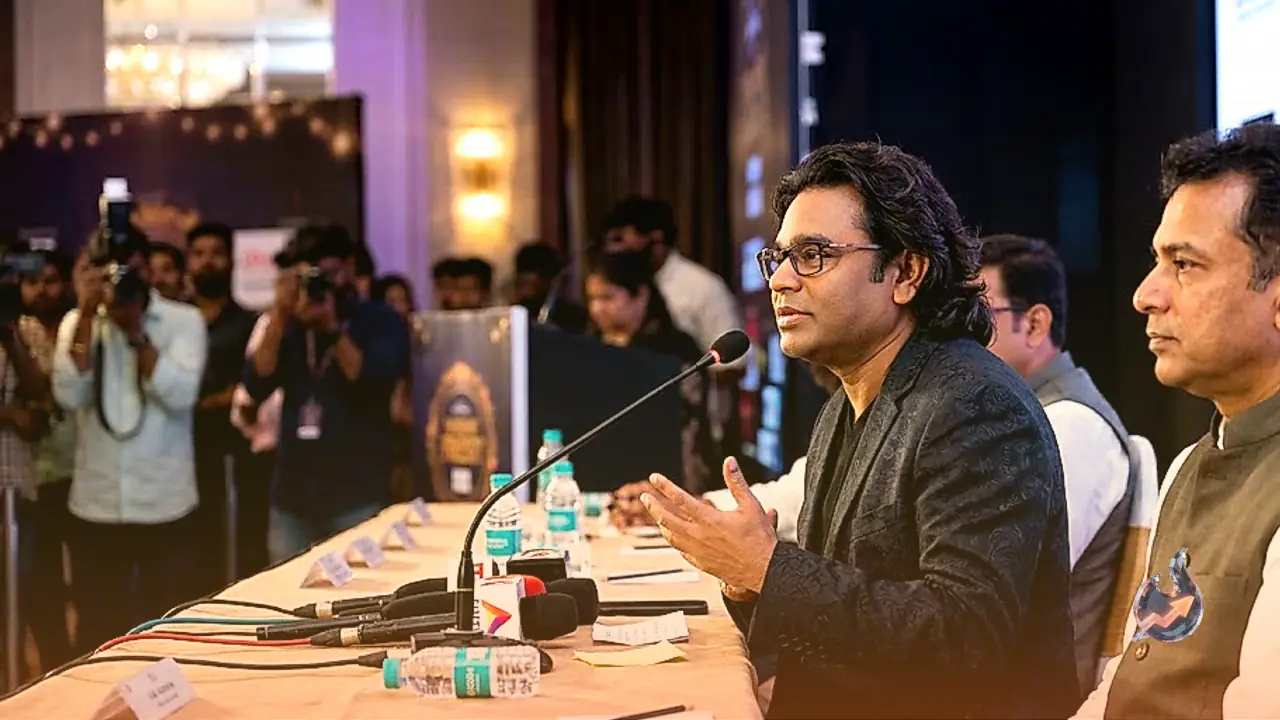
The minister made these remarks while addressing the mid-year workshop organized by the Obstetrics and Gynaecological Society of South India. Presenting the latest demographic data, he revealed that Tamil Nadu's Total Fertility Rate has slipped below the 1.4 mark. Demographers generally consider a fertility rate of approximately 2.1 to be the replacement level necessary to maintain a stable population over the long term. This means the state is currently registering significantly fewer births than required to sustain its population equilibrium.
Exploring Incentives for Larger Families
Weighing the potential long-term fallout of this declining birth rate, Arunraj pointed to the neighboring state of Andhra Pradesh as a potential reference point. He noted that reports have emerged regarding government initiatives in that state designed to incentivize couples to have a third child. Consequently, similar policy measures could potentially be evaluated for implementation within Tamil Nadu in the years ahead.
However, the minister clarified that the state government has not formally announced any such program at this stage. His remarks merely signal that the administration is looking beyond conventional policies and exploring diverse alternatives to tackle the mounting challenges posed by a shrinking birth rate.
A Rapidly Aging Population and Workforce Concerns
The demographic hurdle facing Tamil Nadu extends beyond low birth numbers alone, as the state populace is also aging at a swift pace. According to the health minister, approximately 16 percent of the state residents are currently over the age of 60.
This combination of low fertility and an expanding elderly demographic could directly strain the future workforce. In the coming years, the working-age population is projected to shrink, while demands for geriatric healthcare and comprehensive social security systems will inevitably rise. As a result, the government views this structural shift not merely as a routine demographic fluctuation, but as a major public health challenge.
High Institutional Deliveries Yet Declining Government Hospital Share
An interesting dichotomy defines the current state of healthcare delivery in Tamil Nadu. Approximately 99 percent of all childbirths across the state now take place within medical facilities, highlighting robust institutional delivery infrastructure. Yet, paradoxically, the share of deliveries handled specifically by government-run hospitals has experienced a steady downward trend.
During the 2017-18 fiscal year, state government hospitals accounted for roughly 65.8 percent of all deliveries. That figure has since declined to approximately 51 percent. The health minister announced that the government will commission a detailed study to uncover the underlying causes of this shift. Understanding why expectant mothers increasingly bypass government facilities—despite the presence of advanced emergency obstetric care and dedicated newborn care centers—remains a critical priority for the administration.
The Influence of Private Healthcare and Welfare Expansion
According to the minister, the shrinking share of government hospital deliveries may be attributed to the expanding footprint of private healthcare providers. The integration of free maternity services offered by private medical colleges, alongside the expansion of the Muthulakshmi Reddy Maternity Benefit Scheme to private institutions, has diminished traditional reliance on public hospitals.
To alleviate the financial burden of private healthcare costs on impoverished and middle-class households, the state government recently rolled out the Thai Maman Thangam scheme.
Medical Education Seat Expansion and Regulatory Crackdowns
Shifting focus to medical education, the health minister criticized the policies of the previous administration. He alleged that granting deemed university status to three private medical colleges compromised the principles of social justice and undermined the 7.5 percent reservation quota dedicated to students from government schools.
He emphasized that the current government successfully secured 150 additional medical seats across three state-run medical colleges this year by fulfilling all mandated criteria set by the National Medical Commission. Furthermore, he noted that the official schedule and merit list for medical counseling will be released on August 10.
Addressing student grievances regarding private medical colleges charging tuition fees beyond authorized periods, the government has adopted a strict stance. Arunraj announced the formation of a dedicated committee to investigate these complaints thoroughly.
He made it clear that institutions found violating established regulations will face strict legal action. The administration ultimate objective is to enhance transparency within medical education and shield students from unwarranted financial strain.
Clarifying Aadhaar Rules for Expectant Mothers
Addressing reports of pregnant women facing long queues and administrative hurdles for OPD registration at government facilities, the health minister provided crucial clarity. He stated that producing an Aadhaar card is not a mandatory prerequisite for receiving medical treatment, and no government hospital possesses the legal authority to deny care to a patient solely on the grounds of lacking an Aadhaar card.
He also highlighted that patients can conveniently generate their OPD registration receipts from home using their smartphones, a measure designed to ease congestion at hospital registration counters across the state.