


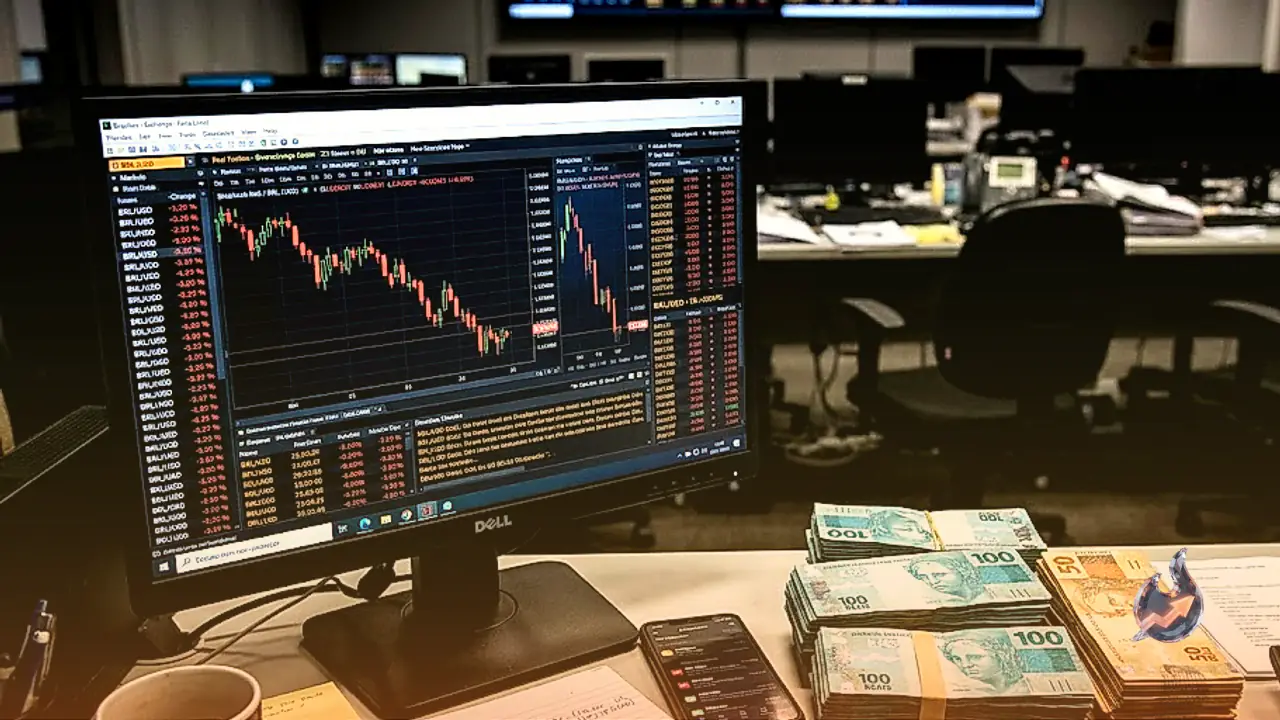


















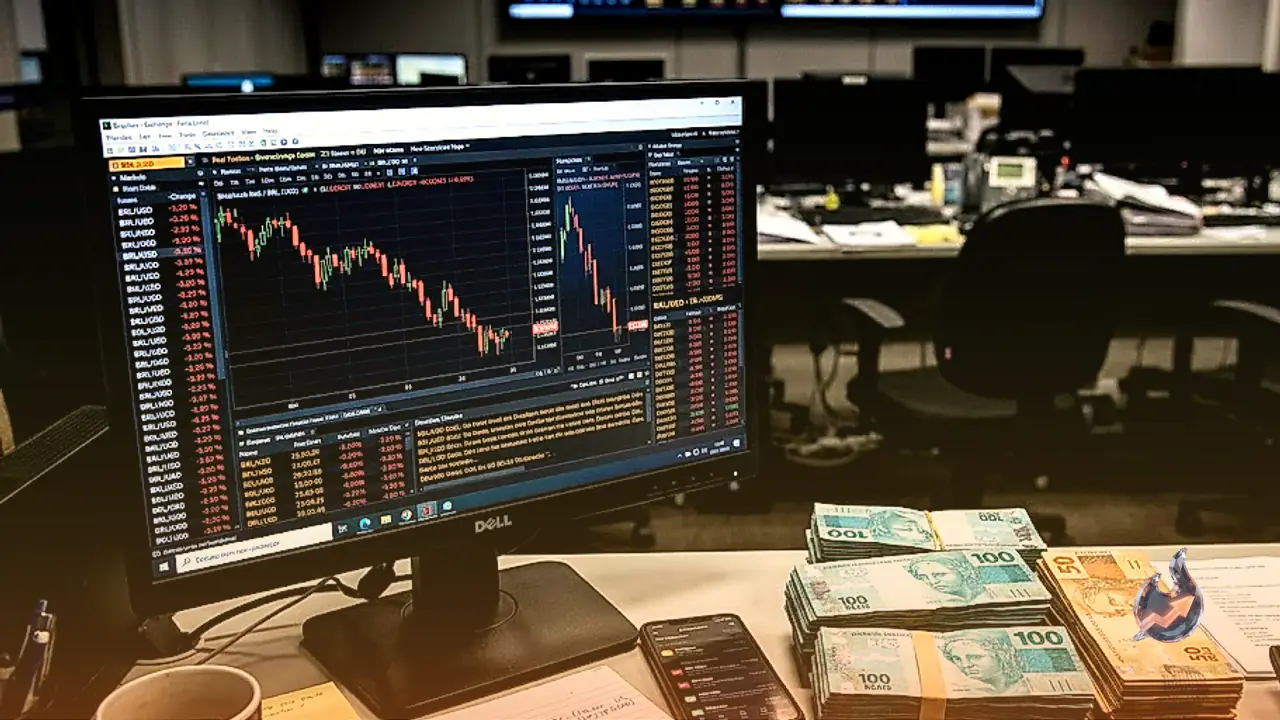

Following an unexpected presidential runoff result where Lula secured a fourth term with a 51.8% to 48.2% victory over Bolsonaro, the Brazilian Real (BRL) is bracing for severe downward pressure. The election outcome is triggering an unwind of the Mexican Peso (MXN) rotation trade that had been in place over the previous two weeks. At the same time, monetary policy trajectories in Brazil point toward a shallower easing cycle by the Banco Central do Brasil (BCB), with projections indicating the Selic rate will conclude 2027 at 12.25% and remain elevated above prevailing market expectations through 2028.
Technical Hurdle and Projected Slide for the Brazilian Real
The unwinding of accumulated long positions threatens to precipitate a punishing slump in the Brazilian currency over the coming sessions. Statistical metrics indicate that a two standard deviation (2SD) drop would pull BRL down to 5.25 against the greenback, whereas a three standard deviation (3SD) sell-off would force the currency beneath resistance at 5.31 toward the 5.33 mark. Should selling momentum extend beyond that threshold, exchange rates could move closer to the 5.40 vicinity.
For USD/BRL, downward momentum has plateaued after establishing a higher low at 4.94, contrasted with the May bottom of 4.88. During the previous month, the pair attempted to push past its 200-day moving average (200-DMA) but encountered formidable overhead resistance near 5.20/5.24, cementing this band as a major hurdle. Clearing this zone could trigger a more extensive rebound, opening the door toward subsequent targets at 5.31 and 5.39. Resistance markers remain fixed at 5.20, 5.24, and 5.31.
Global Forex Movement Across the Asian Session
In parallel currency developments, AUD/USD sustained footing above 0.7000 throughout Monday's Asian trading session, hovering near a one-month high reached earlier in the day amid renewed selling across the US Dollar. A continuing decline in US government bond yields alongside a slight pullback in crude oil prices placed a ceiling on the greenback's recovery from a three-week trough. Furthermore, expanding market wagers on a November rate increase from the Reserve Bank of Australia (RBA) provided tailwinds to the Australian Dollar, though gains remained checked in anticipation of the crucial two-day Federal Open Market Committee (FOMC) gathering starting Tuesday.
Concurrently, USD/JPY drew fresh selling interest during Monday's Asian hours, interrupting a brief rebound from Friday's low, which marked its weakest level since September 18. Softening US yields persistently weighed on the US Dollar, while the Japanese Yen gained traction from an increasingly hawkish stance maintained by the Bank of Japan (BoJ). Downside movement on USD/JPY appeared contained, however, as participants held back aggressive positioning ahead of upcoming central bank decisions from both the Federal Reserve and the BoJ later in the week.
Precious Metals Consolidate While Cardano Slumps
Across commodity desks, Gold (XAU/USD) entered a consolidation phase with modest gains on Monday following a sharp retreat last week that drove prices down to $3,975, the weakest valuation recorded since August. A retracement in crude oil values extended modest support to bullion as market participants evaluated diplomatic initiatives aimed at calming hostilities across the Middle East.
In digital assets, Cardano continued its descent, falling below $0.202. The cryptocurrency has experienced three straight weeks of drops exceeding 20% since early October. Sustained selling interest persists as declining metrics in derivatives contracts, bearish signals across on-chain activity, and an increasingly fragile technical pattern highlight the risk of continued downside. Position data within derivatives markets indicates an ongoing bearish tilt for the token.
Bond Market Dynamics, Equity Pressures, and Political Catalysts
Fixed income markets saw US Treasuries extend gains for a second consecutive week, pushing benchmark 10-year and 30-year yields to 5% and 5.33%, respectively. This movement further flattened the yield curve even as Brent crude oil surged approximately 7% to approach March highs near US$119.50, while technology equities suffered a second straight week of contraction. Broader equities continue to encounter headcurrents against the backdrop of imminent earnings announcements and policy meetings.
The US Dollar now approaches a pivotal crossroads ahead of the November 3 midterm elections. While pricing reflects expectations for an additional rate hike by the Federal Reserve in December, the legislative battle over congressional control has the potential to reshape future fiscal policy and indirectly alter the course of US monetary strategy into 2027.