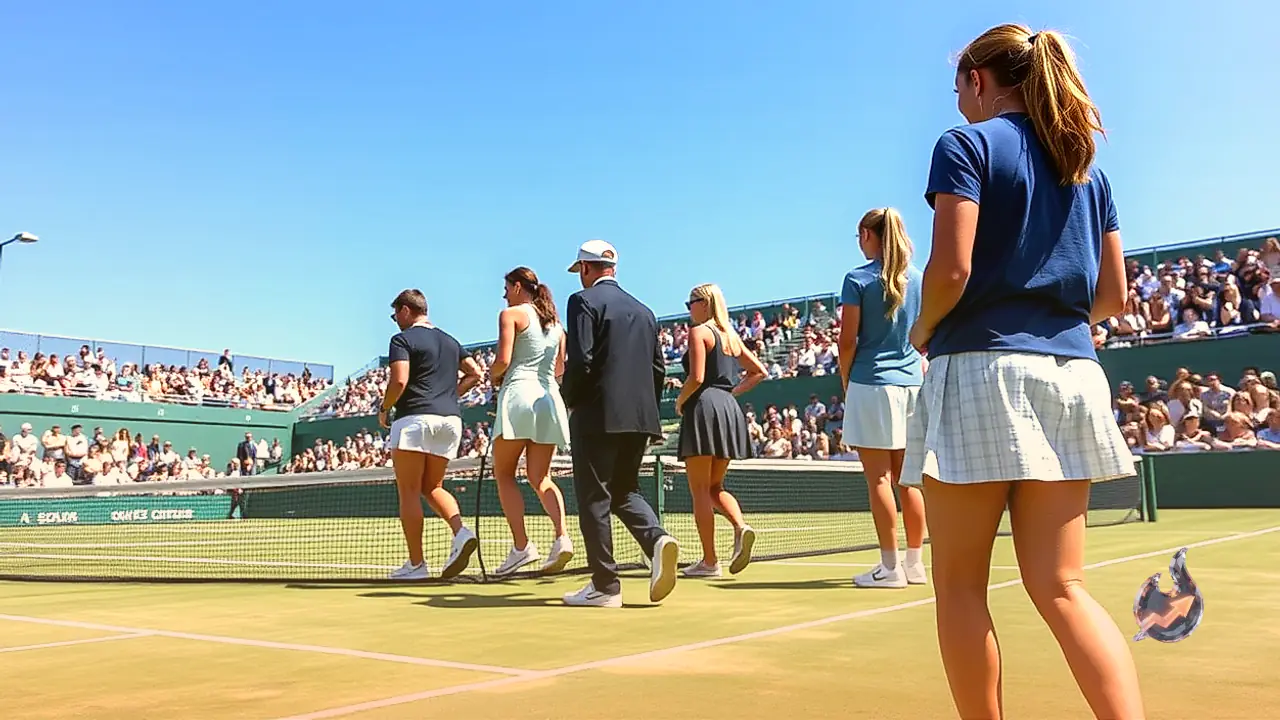

















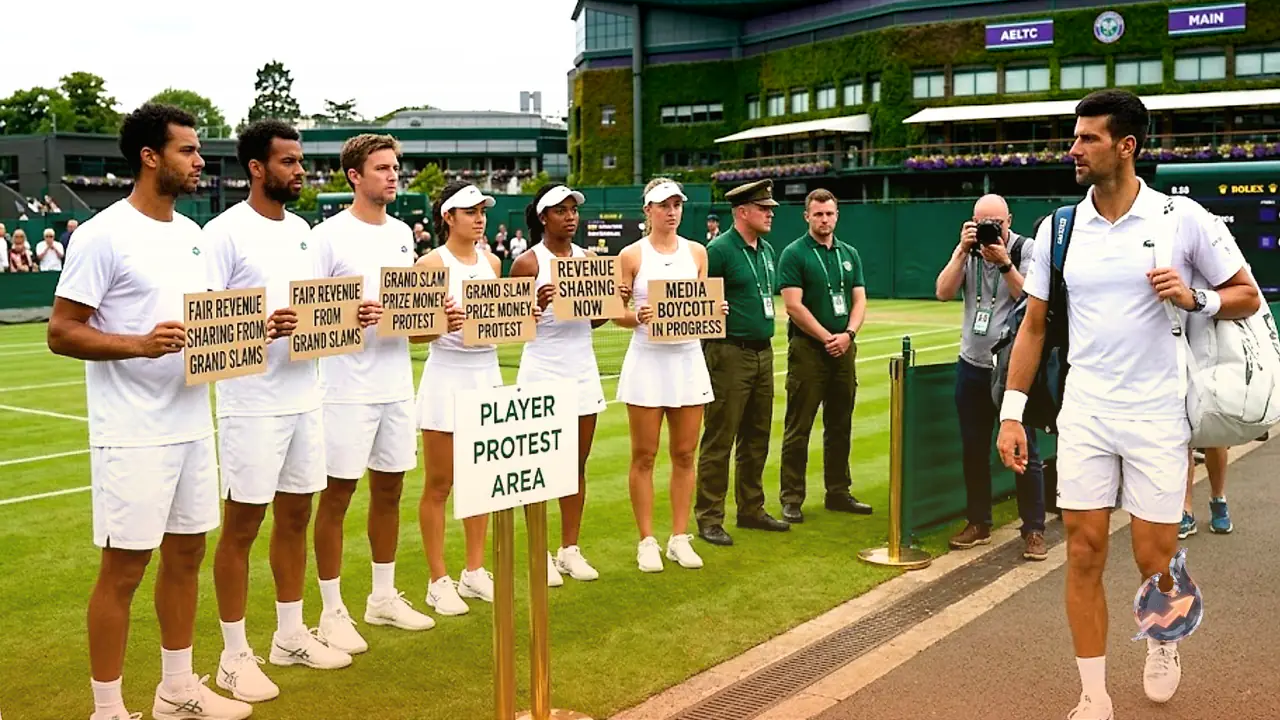

A silent storm is brewing on the lawns of the All England Club as the world's finest tennis players find themselves divided over how to challenge the financial structures of Grand Slam tournaments. At the heart of the debate is a coordinated protest targeting the traditional media obligations that have long been a staple of major tournaments. What began as a unified front at the French Open last month has now arrived at Wimbledon, but the movement is showing visible signs of friction. While some top stars continue to restrict their press appearances to highlight their demands for a fairer distribution of tournament revenues, others have chosen to step back, raising questions about whether the players can maintain a cohesive stance in their pursuit of financial reform.
The Fight for the Lower-Ranked Competitors
Four-time major champion Aryna Sabalenka has emerged as one of the most prominent voices in this protest, articulating a message centered on collective welfare rather than personal gain. Speaking during her media availability, Sabalenka expressed a strong desire that players would not be forced into a prolonged boycott of their Grand Slam media duties in the future. She emphasized that the current push for higher prize money and better benefits is not designed to enrich those already at the top of the sport. Instead, the focus is squarely on supporting the broader player base, particularly those who struggle to meet the basic financial demands of a professional career, such as hiring a full-time coach.
For players situated lower in the world rankings, the economics of professional tennis can be exceptionally harsh. Travel expenses, coaching fees, and physical therapy costs often consume the entirety of their tournament earnings, leaving little room for financial security. Sabalenka pointed out that the life of a lower-ranked competitor is far from easy, and the protest is an effort to secure their future. By demanding that major tournaments allocate a larger portion of their substantial revenues to player compensation and welfare benefits, including robust pension schemes and maternity leave, the protesting group hopes to create a more sustainable ecosystem for everyone on the tour.
Understanding the 15-Percent Symbolism
The mechanics of the current protest are highly calculated. During the pre-tournament press conferences on Saturday, participating players strictly timed their interactions with journalists, limiting their availability to a mere 15 minutes. This specific timeframe is not arbitrary, it represents a direct protest against the estimated 15 percent of overall revenue that Grand Slam tournaments currently allocate toward player prize money. Representatives acting on behalf of the players have confirmed that this strategy was implemented after detailed and extensive consultations with competitors across both the men's and women's professional tours.
The players' coalition has laid out clear financial milestones they wish to see implemented by the major tournaments. Currently, they are urging each of the four Grand Slams to commit to an immediate 16 percent share of their total revenue for player prize money. Looking further ahead, the group is demanding that this allocation steadily increase, reaching 22 percent by the year 2030. This incremental rise is viewed by the players as a fair reflection of the massive commercial growth that these tournaments have enjoyed over the past decade, a growth that players argue has not been proportionally shared with the athletes who draw the crowds.
Varying Approaches to the Media Boycott
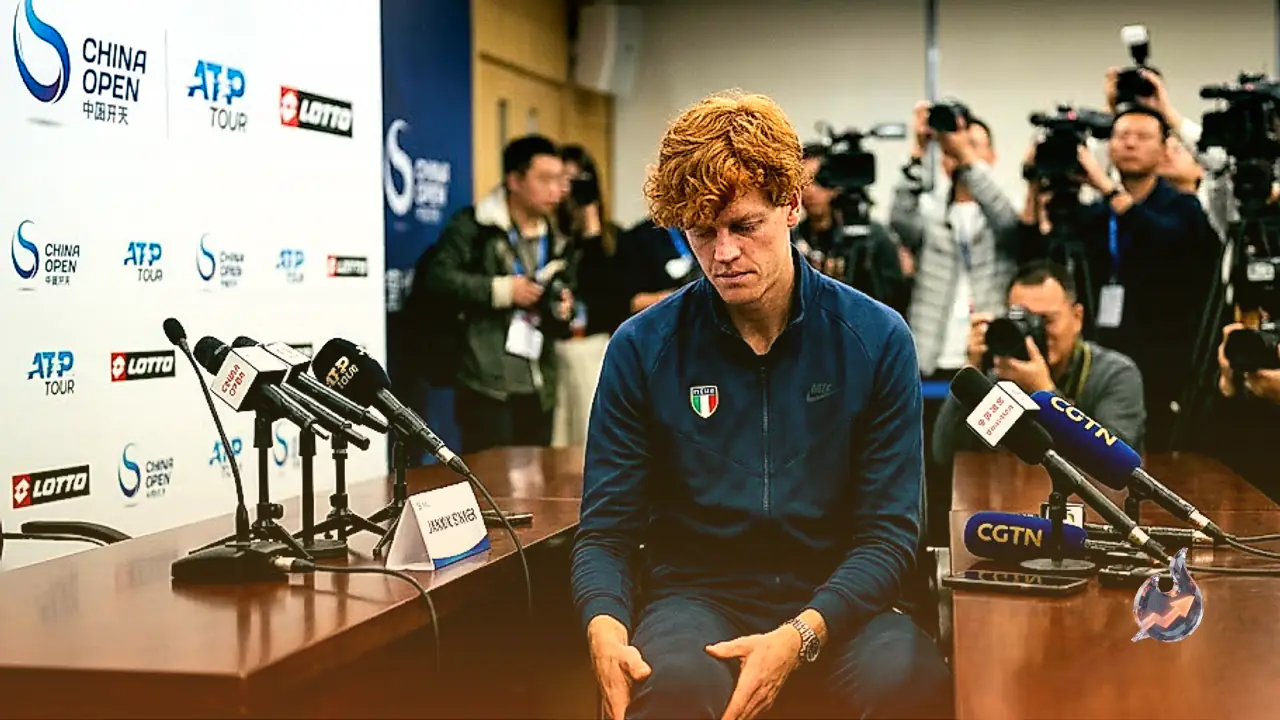
The protest has manifested in different ways among the elite players. Jannik Sinner, the defending men's singles champion, took a highly controlled approach to his media session. Sinner chose to shut down any questions regarding the ongoing protest, stating firmly that his priority was to discuss only tennis. After a brief section of questions in English, he quickly transitioned to speaking in Italian, effectively curtailing the broader discussion. Other defending champions, such as Iga Swiatek, alongside former world number one Daniil Medvedev, also restricted their media footprints, limiting their commitments to just one primary news conference and a couple of brief broadcast interviews.
Medvedev, however, did offer some insight into the collective mindset of the players. He suggested that the initial actions taken at the French Open in Paris last month might have played a role in pushing Wimbledon to reconsider its financial distributions. Medvedev noted that while the players are not professional accountants, they are closely analyzing the financial data presented to them. He pointed out that the percentage of revenue directed back to the players is lower now than it was ten years ago, meaning that relative to the tournaments' earnings, the players are receiving less. Medvedev characterized the push as a peaceful discussion aimed at achieving fairness, rather than an angry rebellion.
A Crack in the Unified Front
Despite the strong messaging from some quarters, Saturday's media day also revealed significant fractures in the movement. Several high-profile competitors chose not to adhere to the strict 15-minute limit, signaling a willingness to break rank. Most notably, seven-time Wimbledon champion Novak Djokovic did not participate in the protest. Djokovic conducted a comprehensive 15-minute press conference and subsequently spent nearly an hour speaking with 18 different television broadcasters, demonstrating a stark contrast to the restricted appearances of his peers.
Other players explicitly stated their decision to withdraw from the protest due to the positive steps taken by Wimbledon's organizers. Australian sixth seed Alex de Minaur, who had been actively involved in the French Open protests, decided that he would not participate in the media restrictions at the All England Club. De Minaur acknowledged that while the collective efforts in Paris did not achieve the exact financial figures the players wanted, he felt that Wimbledon had made a major step in the right direction. For him, the decision to hold normal press conferences was a way to publicly acknowledge and respect the tournament's improved offer.
Similarly, Alexander Zverev of Germany, who recently secured his first major title of the year in Paris and previously represented the players in negotiations last year, chose to distance himself from the current media strike. Zverev stated that while he remains supportive of the broader players' movement, he realized that targeting the media was counterproductive. He argued that journalists do not possess the power to change tournament financial policies, and it is unfair to penalize them for decisions made by administrators. Consequently, Zverev opted to conduct a full half-hour session, though he maintained his hope for systemic financial changes within the sport.
Wimbledon's Defense and Financial Outlook
The administration of the All England Club has expressed disappointment over the players' decision to protest. Sally Bolton, the chief executive of the club, voiced her surprise and disappointment regarding the coordinated action. The tournament organizers firmly believe that their financial contributions to the players are more than fair. In addition to the direct prize money payouts, the club highlights the massive capital investments made in recent years to enhance and modernize the player facilities at the historic venue, arguing that player welfare is addressed through multiple avenues beyond just the prize fund.
Nevertheless, the financial stakes at this year's Wimbledon remain higher than ever before. The singles champions in both the men's and women's draws are set to take home a record £3.6 million each, marking a significant increase from the £3 million awarded last year. Furthermore, the tournament has made efforts to support those who exit early, with first-round losers scheduled to receive £80,000. While these figures represent substantial increases, the protesting players argue that the absolute numbers mask a declining share of the overall revenue pie, setting the stage for a prolonged debate over the financial future of professional tennis.