






















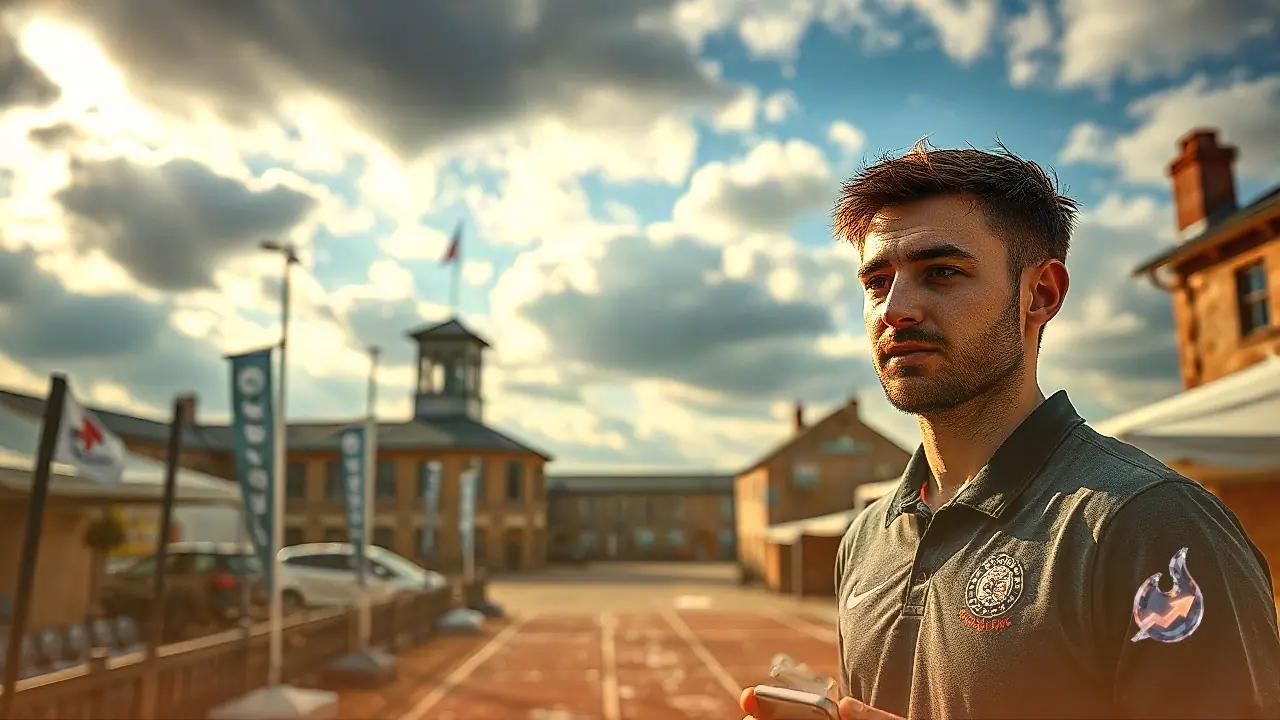

Former world number four Jack Draper has chosen to bring his current competitive tennis campaign to an early close as he concentrates on overcoming a persistent bone bruise in his serving arm. The 24-year-old British player intends to rejoin the professional tour at the start of next year, having contested merely nine events since Wimbledon last year due to continuous physical setbacks.
Pain, Setbacks, and an Emotionally Taxing Tour Run
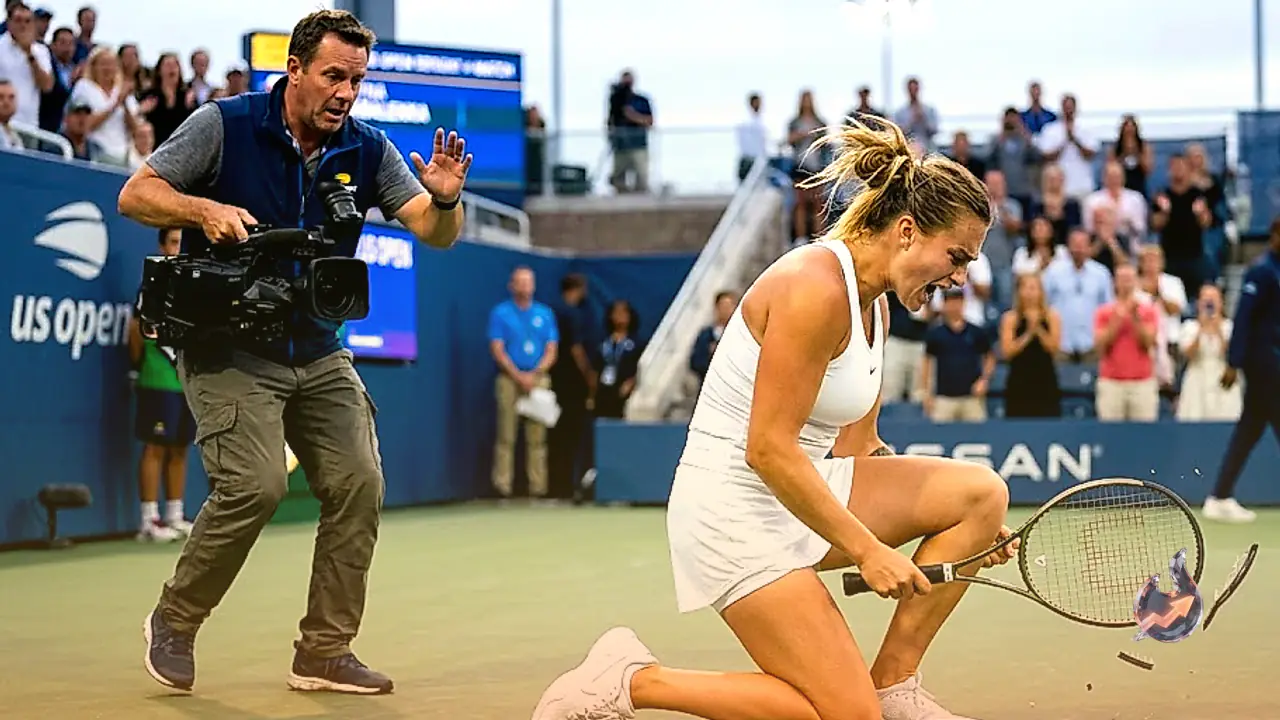
Draper has faced an arduous stretch on the court over recent months, culminating in his withdrawal from the US Open, where he had reached the semi-finals in 2024. Prior to the Grand Slam in New York, he suffered opening-round eliminations at back-to-back tournaments in Montreal and Cincinnati. The physical discomfort became overwhelming in Canada, where he was visibly moved to tears during his first-round contest against France's Terence Atmane.
Reflecting on his dedication to the sport and the rationale behind halting his year, Draper stated,
"Tennis is my purpose and passion and so when I step back on court I want to make sure that there's nothing holding me back from where I want to go."He also noted that handling constant transitions, pain, and adversity had fostered meaningful personal maturity while simultaneously leaving him with notable levels of exhaustion.
The Steep Decline to Ranking 155 and Qualifying Obstacles
The current disruption marks a stark contrast to Draper's breakthrough run in June of last year, when he reached a career-high world ranking of four. During that peak, he captured his maiden Masters 1000 crown at Indian Wells and followed it with a runner-up performance at the Madrid Masters. Draper recalled that period as a moment when his years of preparation and commitment were fully aligning, only for an intricate injury to derail his momentum and trigger months of struggle to recapture his top form.
Because of his extended tournament absences, Draper has dropped to 155 in the ATP rankings. Under tour regulations, players who miss action for fewer than six continuous months do not qualify for a protected ranking. Because Draper will fall short of that six-month absence threshold upon stepping back onto the court in January, he will not carry protected status. As a consequence, securing entry into future Grand Slams and primary ATP Tour draws will require wildcards from tournament organizers or successful progression through preliminary qualifying rounds. Nonetheless, Draper has indicated that navigating the qualifying grind remains secondary to the fundamental goal of competing without acute physical limitations.
Equipment Modifications, Technical Shifts, and Physical Recovery
In his quest to prevent recurrent damage to his serving arm, Draper and his performance team are investigating multiple underlying elements of his routine. Having spent recent weeks holidaying with companions to secure a necessary psychological break from tennis, he is now slated to resume training incrementally over the coming weeks.
Significant technical and equipment alterations are already underway. While Draper traditionally favored polyester strings, he has begun experimenting with natural gut strings. Although this shift feels contrary to his natural playing instincts, the softer composition is aimed at softening the shock transferred to his arm during striking. Furthermore, he has adopted a lighter racquet framework and is refining specific mechanics within his service delivery. His support unit is also scrutinizing his dietary regimen to determine whether nutritional adjustments could reduce inflammation and support systemic recovery.
Structuring the Coaching Setup and Addressing Calendar Demands
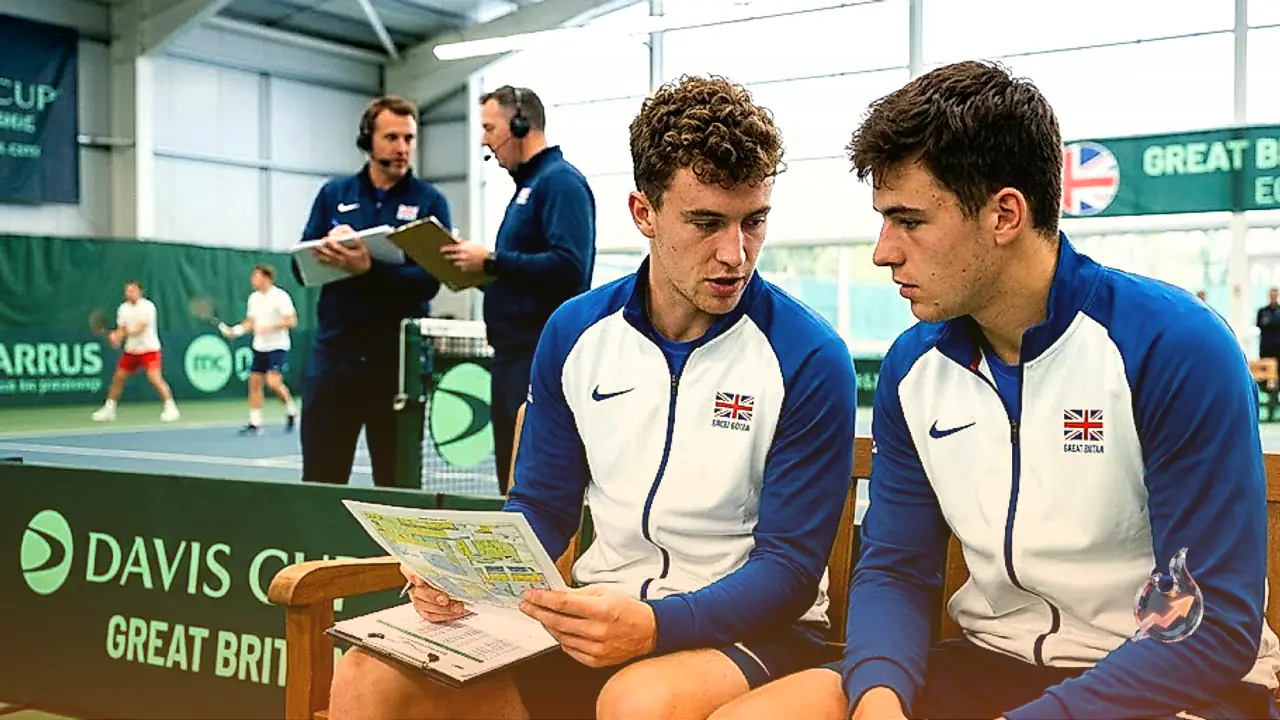
Draper's coaching framework will also see operational adjustments heading into the new season. Andy Murray remains an active member of his coaching setup, but will commit to traveling for only a restricted schedule of weeks on the professional circuit. Therefore, Draper will need to recruit a permanent traveling coach to operate in tandem with Murray once tournament play resumes. Throughout the past summer, he drew support from Lawn Tennis Association (LTA) coaches James Trotman, who worked alongside him during his rise into the world's top five, and Alex Lisiecki.
When Draper steps back onto the match court in January, tournament scheduling will demand rigorous deliberation. Medical evaluations suggest that the bone bruising in his arm is unlikely to have resolved entirely by early next year. Additionally, Draper's situation mirrors broader apprehension voiced by premier competitors across the sport regarding the relentless physical burden enforced by the modern tennis schedule. Consequently, managing event density and protecting his physical longevity will form the cornerstone of his comeback campaign.