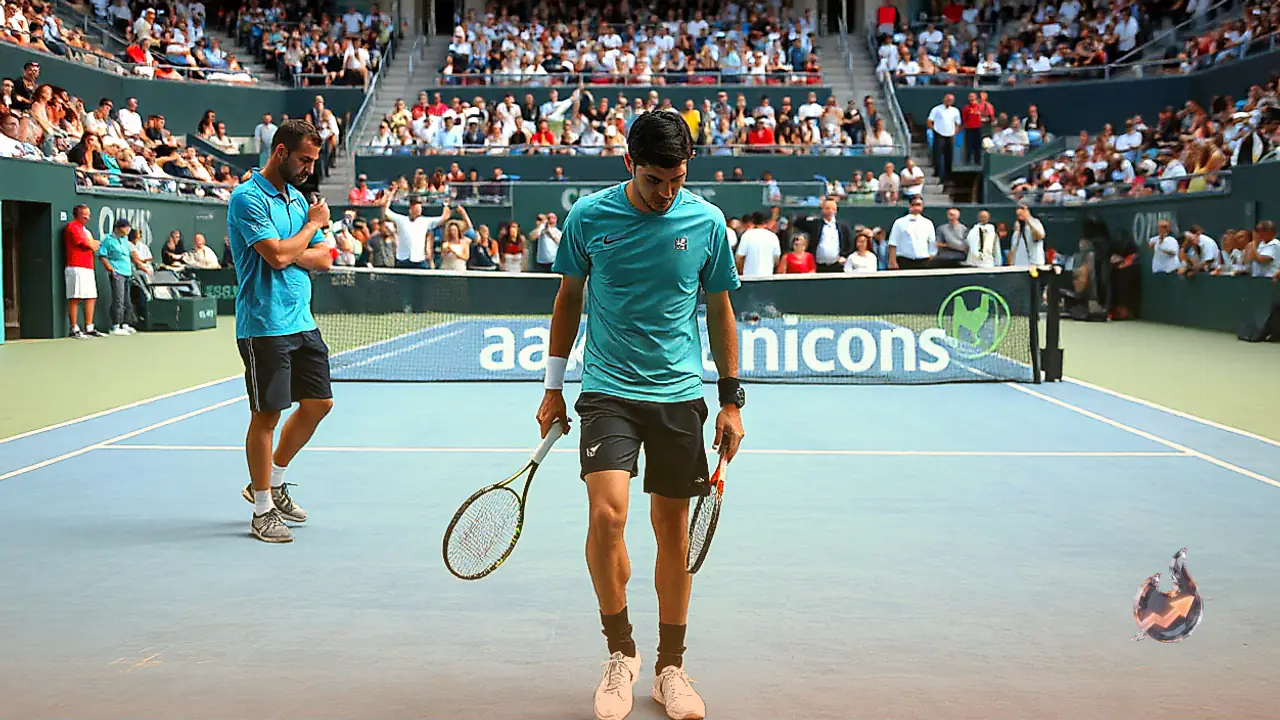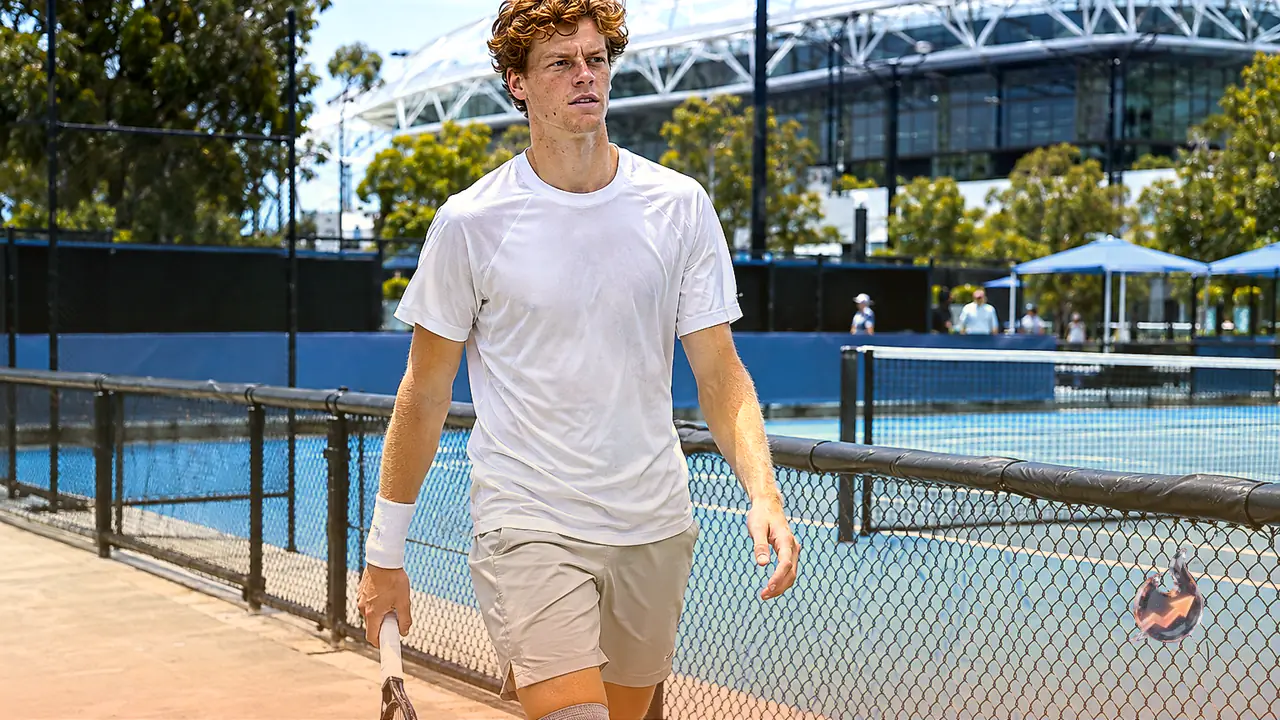

Jannik Sinner has been forced to withdraw from the upcoming Australian Open in January after undergoing a surgical procedure on his knee. The 25-year-old Italian star, who triumphed at Melbourne Park in both 2024 and 2025, has remained out of competitive action since lifting the Wimbledon trophy on July 12.
Tennis Australia Confirms Absence
Tennis Australia chief executive Andrew Abdo addressed the development by confirming that officials have maintained regular contact with the player's management team. He stated that the recent operation rules the Italian competitor out of the Melbourne major in January. Andrew Abdo added that Jannik Sinner enjoys competing at the venue and eagerly anticipates returning for the 2028 tournament, while offering best wishes for a swift rehabilitation process and a prompt return to the court.
Earlier Success and Season Trajectory
During the opening months of the season, the Italian maintained remarkable dominance on the tour by winning 44 out of his singles matches while suffering only three defeats. However, a surprising second-round exit at the French Open interrupted that momentum, allowing Alexander Zverev to capture his maiden Grand Slam victory. The player subsequently rebounded strongly on grass by overcoming Novak Djokovic in the semi-finals before staging a comeback from a set down against Alexander Zverev in the Wimbledon final. Alexander Zverev later claimed the US Open title and finished the year holding the number one ranking.
Recovery Timeline and Future Goals
The announcement of the medical procedure on Tuesday immediately ended any speculation regarding a potential appearance in Melbourne. The rehabilitation timeline requires months rather than weeks of careful recovery, and rigorous preparation in Melbourne temperatures exceeding 30C cannot be rushed. Despite facing a seven-month absence by March, his exceptional results from the first half of the year ensure he will likely retain a position inside the world's top three. His primary focus will now shift toward achieving peak physical condition for the trio of Grand Slam events scheduled between May and September. While elite athletic surgeries carry inherent uncertainties regarding permanent fixes, the player remains eager to regain full health knowing that competitive form typically follows physical well-being.