























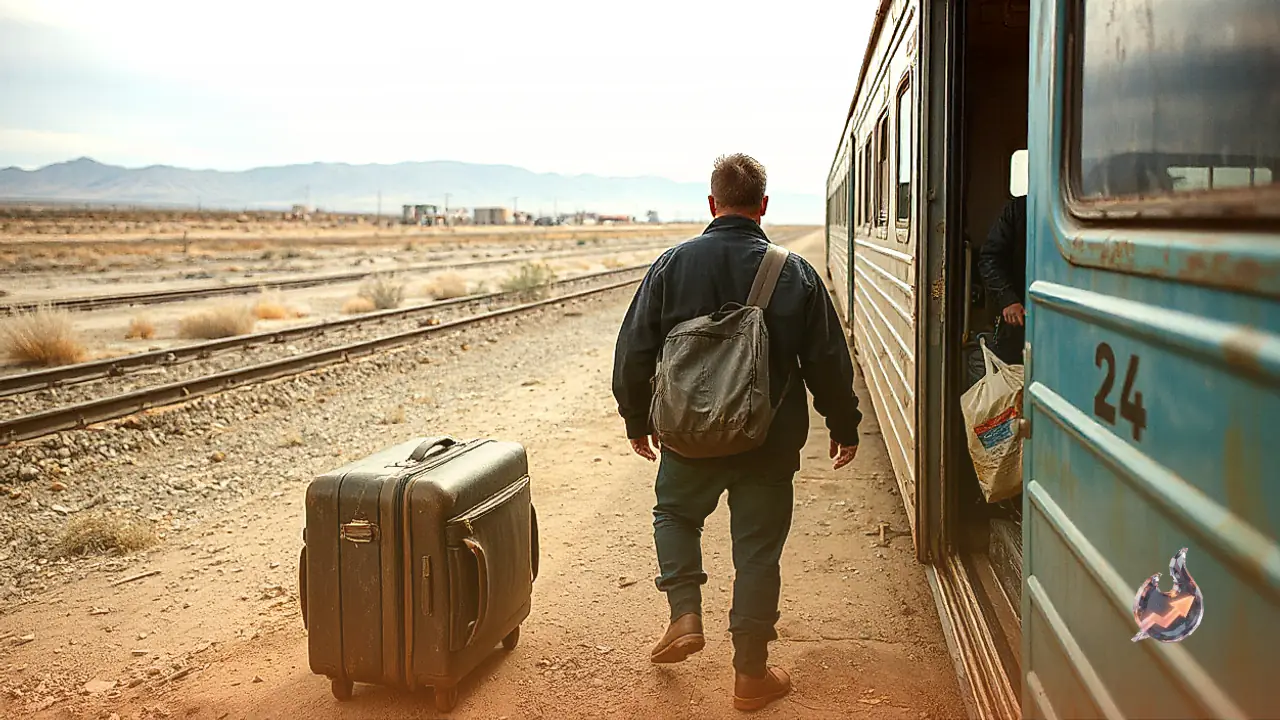

Trolley bags and hard-shell suitcases sustain significant wear and dirt during transit on buses, trains, and taxis. Dust, road grime, grease, and floor stains quickly dull the vibrant exterior of your luggage over long journeys. As the shine fades with repeated trips, travelers often assume their bags are beyond repair and consider buying expensive replacements. However, with a brief time investment and basic household supplies, old luggage can be easily restored to look like new. Following structured cleaning steps tailored to specific bag components ensures every surface remains clean and durable.
Emptying Pockets and Deep Cleaning the Interior
Before applying water or cleaning solutions, fully clear out all contents from the suitcase. Unzip every compartment, including secondary chains and hidden mesh pockets, to check for misplaced tickets, travel receipts, keys, or small items. Once empty, invert the trolley bag and shake it gently over a waste container to dislodge loose debris and sand from the bottom seams. For a thorough deep clean, use a vacuum cleaner with a narrow nozzle attachment along the inner lining and corners. The suction effectively removes embedded dust particles that manual shaking misses.
Removing Surface Dirt and Preparing Safe Cleaning Solutions
To clear dry dust and mud from the exterior, gently sweep the shell using a soft-bristled brush or a dry microfiber cloth. Avoid using stiff brushes or abrasive scouring pads, as they can permanently scratch the outer plastic or fray fabric weaves. After wiping away dry dirt, prepare a solution by mixing a mild liquid detergent into a bucket of lukewarm water. Dip a clean microfiber cloth into the soapy mix and wring out all excess water so it remains damp rather than soaking wet. Carefully wipe the outer panels, taking care to prevent moisture from seeping through seams into the inner lining.
Treating Tough Stains With Baking Soda Paste
Stubborn stains caused by oil, mud, or scuffs rarely wash out with plain soapy water alone. For these persistent spots, baking soda provides an effective, non-scratching remedy. Mix baking soda with a small amount of water to create a thick, spreadable paste. Apply this paste directly onto stained areas and allow it to sit undisturbed for 5 to 10 minutes. Gently scrub the spot in circular motions using a soft toothbrush until the mark lifts. Finally, wipe away all residual paste using a damp cloth and let the surface air dry.
Detailing Overlooked Zippers, Handles, and Wheels
While most people wash the main body of a suitcase, the zippers, handles, and wheels are frequently neglected. Dust trapped in zipper tracks causes them to jam; clean the teeth using a dry, soft toothbrush to restore smooth operation. Dirt, hair, and fine fibers often wrap tightly around wheel axles. Use a pair of tweezers to extract tangled threads and debris from inside the wheel housing. Wash the wheels, retractable handles, and rubber grips with a soapy cloth, ensuring wheels are completely dry before rolling the bag again.
Adapting Cleaning Techniques for Fabric vs Hard Shell Luggage
Different luggage materials require distinct maintenance approaches to prevent structural or cosmetic damage
- Fabric Trolley Bags: Clean soft-sided fabric luggage using warm water mixed with mild detergent and a soft brush. Gentle pressure prevents surface piling and preserves water-resistant coatings.
- Polycarbonate and Hard Plastic Shells: Wipe hard cases with a solution of mild dishwashing liquid and lukewarm water using a soft cloth, which preserves outer sheen without scratching.
Proper Drying and Odor Elimination Methods
Once washing is finished, leave all pockets unzipped and position the luggage in a well-ventilated, shaded area to dry completely. Direct exposure to intense sunlight must be avoided, as harsh ultraviolet rays can cause fabric colors to fade and hard shell plastics to degrade. If stale or musty odors linger inside the bag from long storage, sprinkle a light layer of dry baking soda across the interior lining and let it absorb odors for a few hours. Vacuum out the powder completely afterward, and ensure the bag is entirely dry before packing contents or storing it away.