



















Monsoon travel brings the charm of lush greenery and cool breezes, making it an incredibly tempting time for getaways to mountains, waterfalls, and natural landscapes. While this season is visually stunning, it can also present significant challenges. Sudden downpours, slippery road conditions, unexpected traffic congestion, waterlogging, and rapidly changing weather patterns can easily disrupt your vacation plans. Setting off without proper preparation often leads to avoidable complications and frustrations.
Why Monsoon Travel Requires Extra Preparation
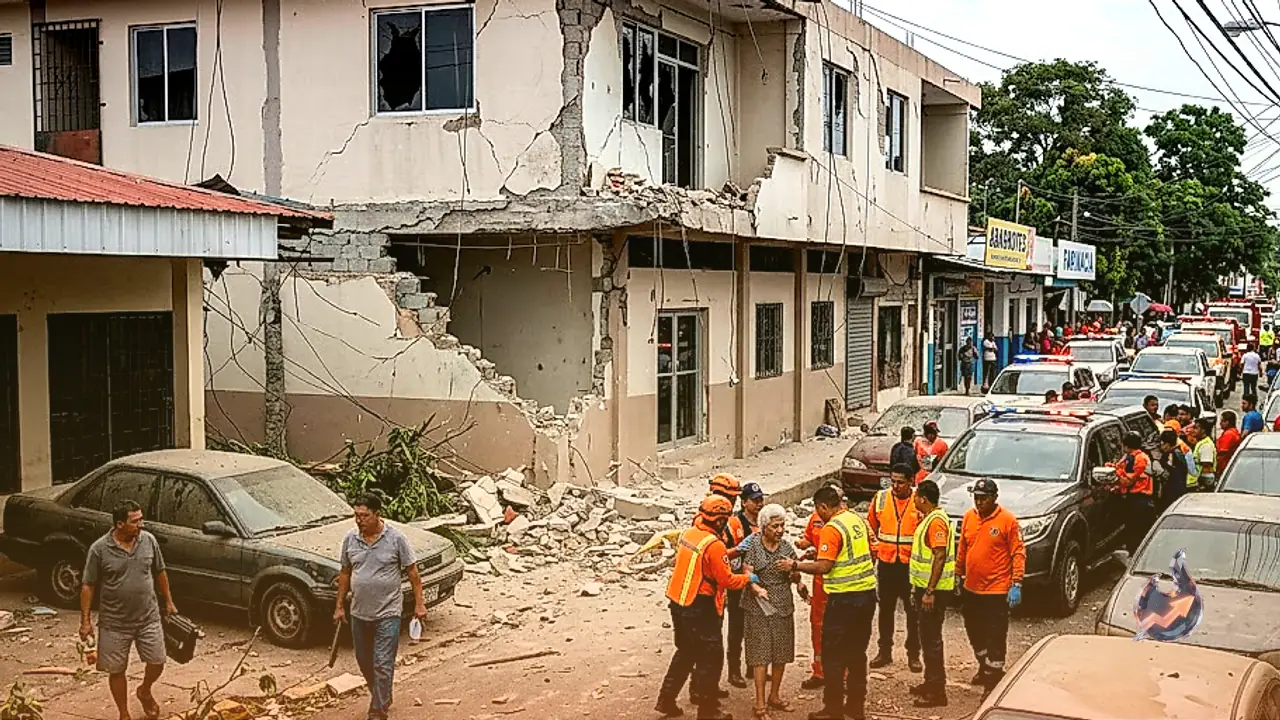
Predicting the weather during the rainy season is notoriously difficult. A clear morning can quickly turn into a heavy rainstorm. In hilly or coastal regions, extreme weather can lead to sudden landslides and flooding. Consequently, preparing thoroughly before you depart is crucial. Travelers who monitor weather forecasts and pack essential supplies usually experience much smoother trips. Simply booking tickets is not enough; you must also adapt your mindset and gear to the unpredictable nature of the monsoon.
Selecting the Right Clothing and Footwear
For monsoon travel, it is best to opt for lightweight clothing that dries quickly. Staying in wet clothes for extended periods is not only uncomfortable but can also increase the risk of catching a cold. Packing an extra set of clothes is always a wise decision. Additionally, slippery surfaces are a major concern during rain. Wear footwear with a strong grip that can withstand water exposure. Avoid flip-flops or simple sandals, as they significantly increase the risk of slipping and falling.
Stay Updated on Weather Forecasts
Always check the weather forecast for your destination before starting your journey. If you are heading toward mountainous areas or riverside locations, pay close attention to local weather advisories. Nowadays, various mobile apps and weather platforms provide real-time updates. Keeping an eye on these sources allows you to make informed decisions about changing your route or adjusting your travel timing, ensuring your safety.
Protecting Electronics and Important Documents
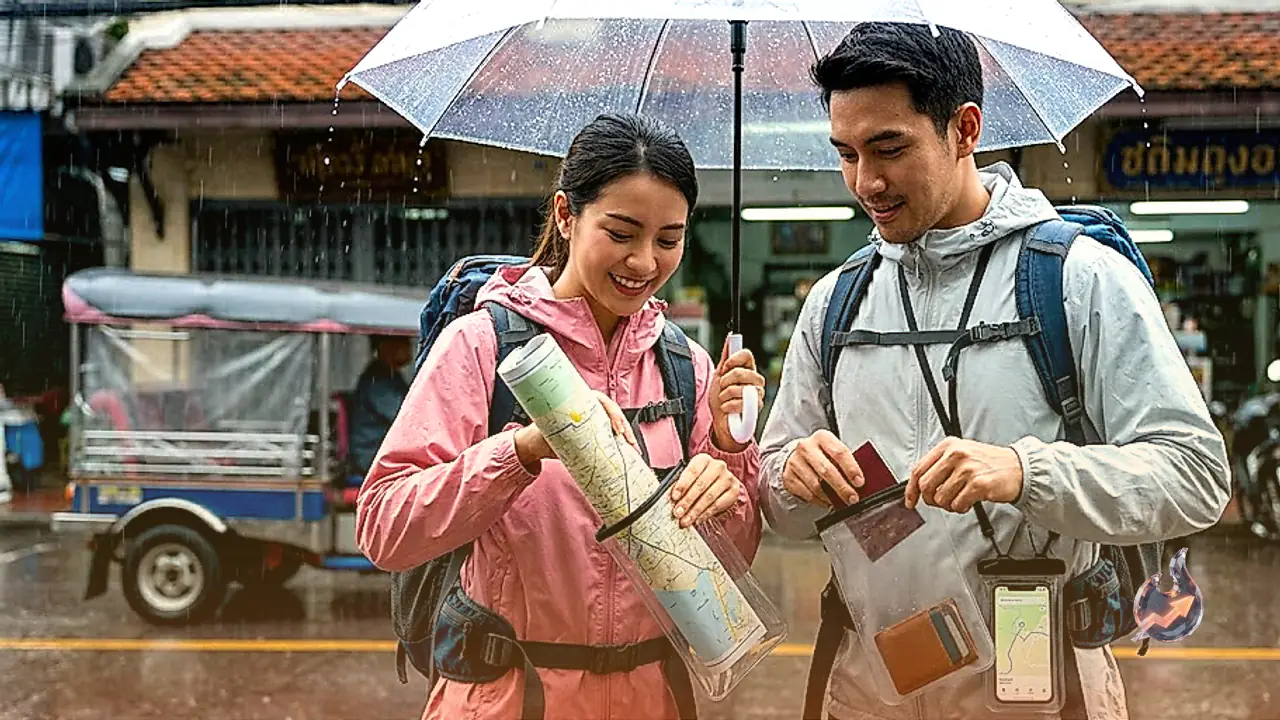
Electronic devices like mobile phones, cameras, and power banks are highly susceptible to water damage during the monsoon. Storing them in waterproof pouches or airtight zip-lock bags is the safest practice. Furthermore, keep hard copies of your identification, hotel bookings, tickets, and other essential documents in a waterproof folder. Many experienced travelers also keep small packets of silica gel in their bags to help manage moisture levels and protect their belongings.
Planning Your Itinerary and Insurance
Delays in flights, trains, and road transport are common occurrences during the monsoon. Therefore, do not create a rigid or overly tight travel schedule. A delay at one point can cascade and affect your entire itinerary. If you are planning a long-distance trip, consider purchasing travel insurance that specifically covers delays or cancellations caused by adverse weather conditions.
Be Careful with Food and Drink
Eating uncovered or stale food sold by street vendors during the rainy season is a major risk for infections. Prioritize fresh and hot meals throughout your journey. Keep dry fruits, nuts, protein bars, and biscuits in your bag as convenient and safe alternatives. Also, ensure you carry an adequate supply of water. These small items will help maintain your energy levels during long trips and provide you with safe, reliable options when needed. Taking these small steps can make all the difference in enjoying the beauty of the monsoon without falling into unnecessary trouble.