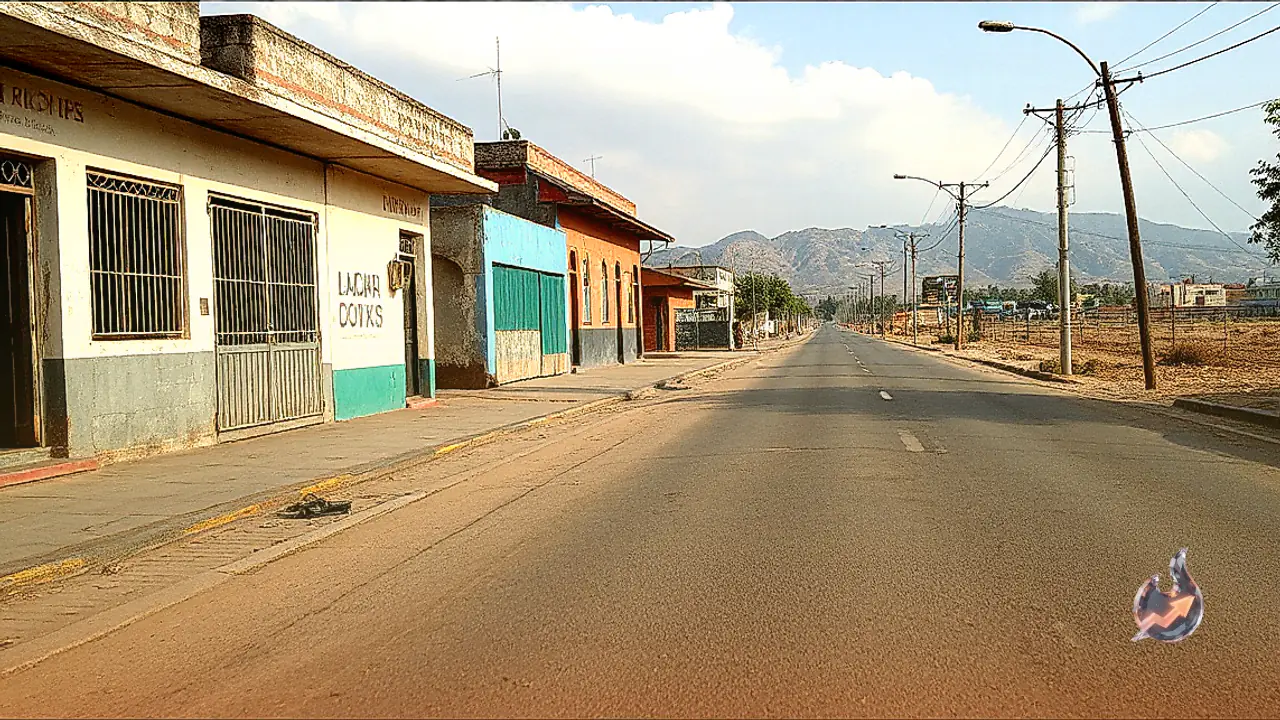



















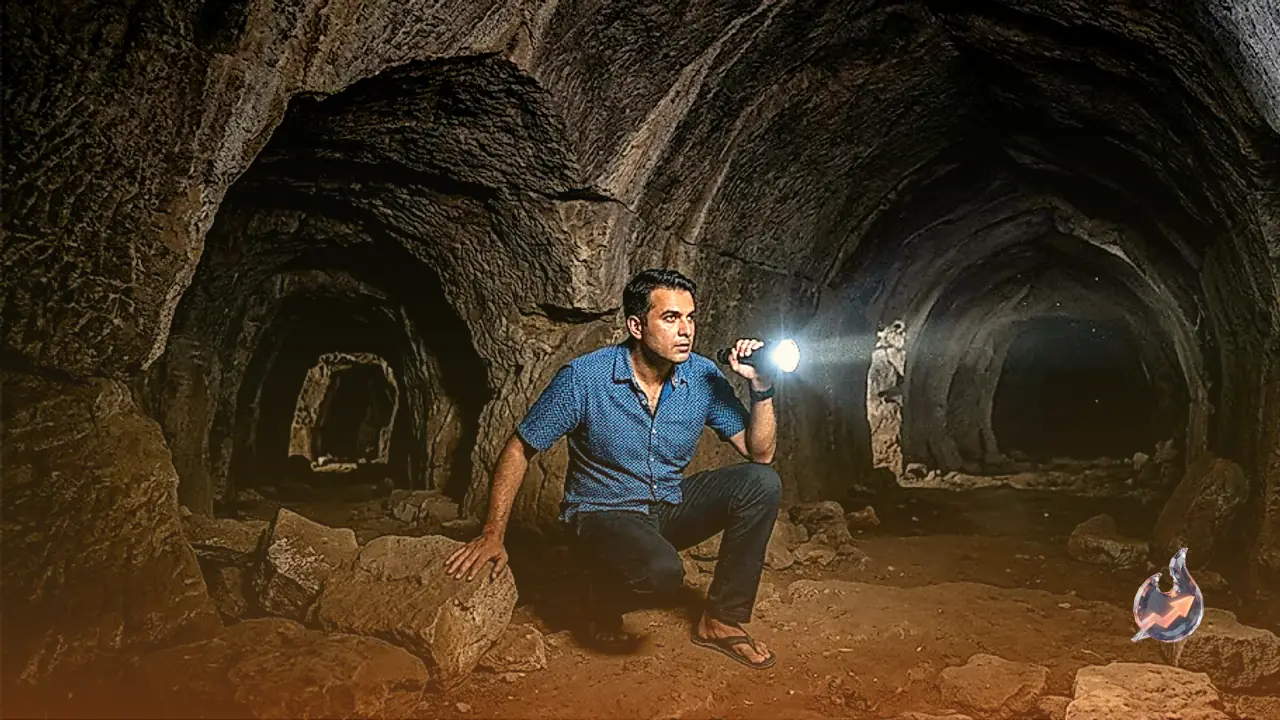

Tucked inside Shri Krishna Vatika in Munger, Bihar, a nearly 250 year old cave linked to Nawab Mir Kasim continues to pull in curious visitors with its mix of mystery and history.
An unsolved riddle: where does the tunnel really end?
What makes this cave so intriguing is that only one of its ends has ever been located, right there in Munger. Nobody has been able to confirm where the other end of this tunnel actually opens up. Over the years there has been plenty of speculation about the passage's hidden exit, but no solid evidence has ever settled the question, and that lingering mystery is part of what keeps drawing people to the spot.
Why Mir Kasim built a secret escape route in 1760
According to historians, this secret tunnel like cave was built in 1760 on the orders of Nawab Mir Kasim. British forces posed a constant threat at the time, so Mir Kasim needed a concealed way to move around safely. The tunnel gave him a route he could use without being spotted whenever the situation demanded a quick and quiet escape.
Bengal's capital shifted from Murshidabad to Munger
Mir Kasim did not stop at building the tunnel. He also moved Bengal's capital from Murshidabad to Munger and, between 1760 and 1764, turned the city into a heavily fortified stronghold. The massive gates and fort structures that still stand in Munger today are reminders of just how strategically important the city was during that period.
History, heritage and nature inside Shri Krishna Vatika
To protect this historic cave, the administration built Shri Krishna Vatika around it, giving visitors a single spot where they can take in history, heritage and greenery together. The same complex also houses the tomb of Prince Bahar, Mir Kasim's son, and Rajkumari Gul, his daughter. Local belief holds that both died while trying to escape the British, and they were laid to rest here afterward.
A heritage site still waiting for its due recognition
Several states across the country have turned similar historical sites into major tourist draws, and Mir Kasim's cave has every bit of that same potential to become one of Bihar's leading heritage destinations. Entry to the site is free, yet a lack of promotion and proper upkeep means it still sees relatively few visitors. If the site were properly preserved and beautified, it could carve out a fresh identity not just for Munger but for Bihar's tourism map as a whole.