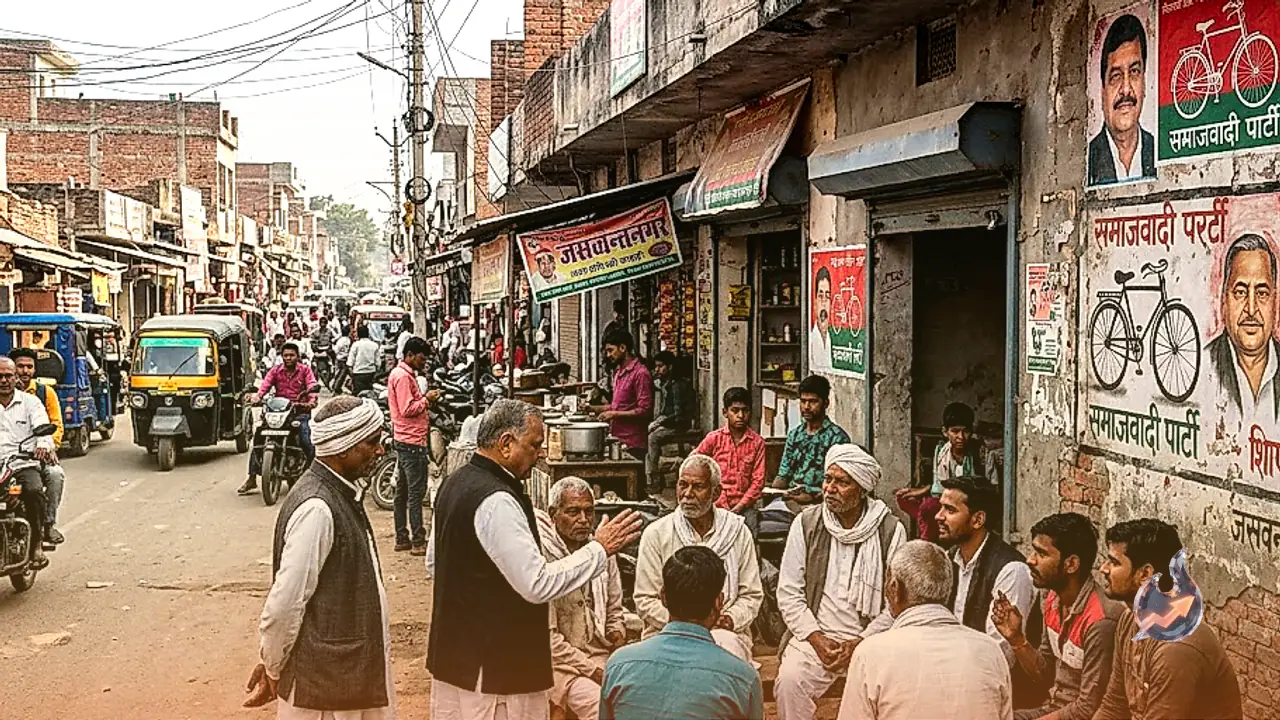























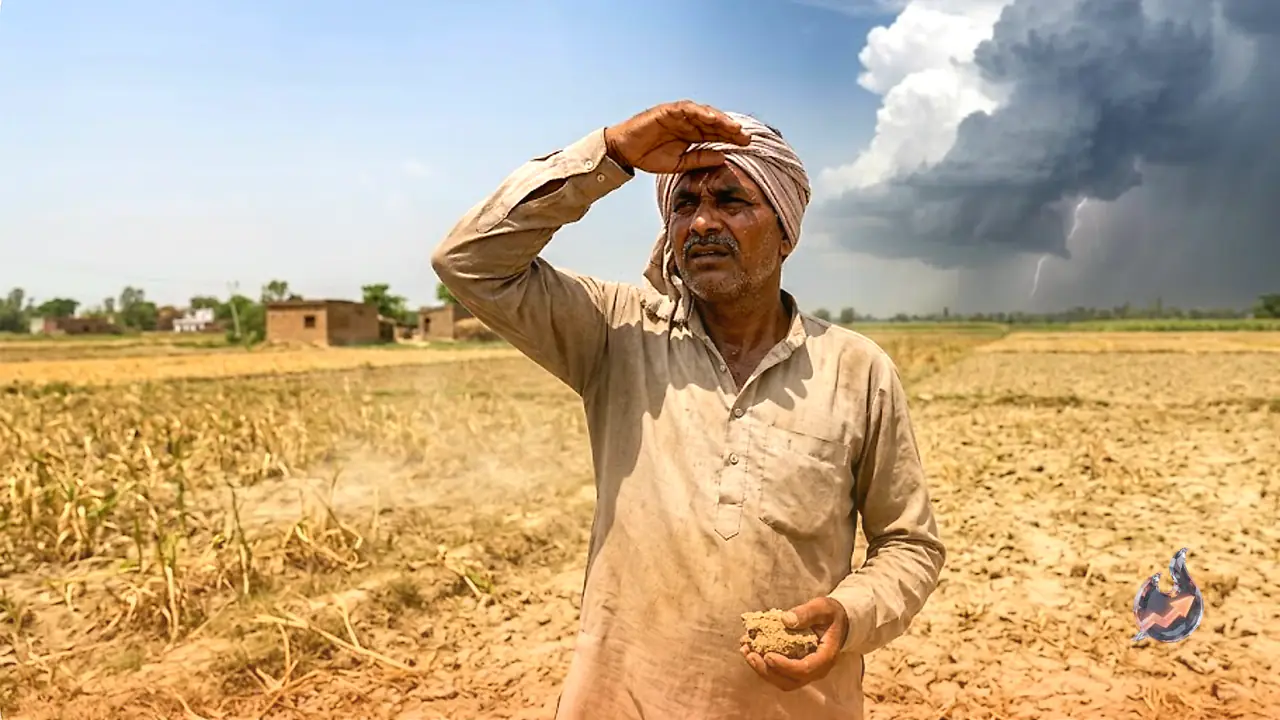

The state of Uttar Pradesh is currently witnessing a stark dichotomy in weather patterns. Persistent heatwaves and extreme humidity have made daily life difficult for residents, yet a shift is on the horizon. The India Meteorological Department (IMD) has issued alerts for heavy rainfall, strong gusty winds, and lightning across several regions, offering a potential reprieve from the ongoing sweltering conditions. While this shift promises relief from the heat, authorities have advised citizens to remain cautious due to the potential risks associated with severe weather events.
Yellow Alert for 15 Districts
The IMD has issued a yellow alert for Sonbhadra, Chandauli, Mirzapur, Varanasi, Azamgarh, Ballia, Mau, Prayagraj, Jaunpur, Ayodhya, Amethi, Raebareli, Fatehpur, Banda, and Siddharthnagar. Residents in these 15 districts should brace for storms with wind speeds reaching 50 to 60 kilometers per hour. Such high-velocity winds are significant enough to damage trees, temporary tin sheds, and other fragile structures, necessitating extra caution from local populations.
Continuing Heatwave Conditions
Conversely, areas such as Saharanpur, Bijnor, Muzaffarnagar, Meerut, Bareilly, Kanpur, Kheri, and Hardoi remain under the grip of intense heat. Saharanpur has experienced scorching sunshine since early morning, while Moradabad is reporting a current temperature of 35 degrees Celsius. In Gonda, the weather remains erratic with clouds moving in and out, though the relief from humidity is minimal as temperatures continue to climb. Those traveling outdoors are advised to carry umbrellas and sufficient water to prevent heat-related illnesses.
Sluggish Monsoon Progress
On a broader scale, the monsoon's arrival has been notably slow. Kerala has recorded 33 percent less rainfall than average for the season, with Wayanad district being the hardest hit at 64 percent below normal. According to meteorological experts, a more active monsoon phase is necessary to alleviate both the rising temperatures and the brewing water crisis across the country.
Impact on Agriculture
Agricultural data as of June 23, 2026, highlights the severity of the situation. Out of the targeted 110.00 lakh hectares for kharif crops, only 6.63 lakh hectares, or 5.99 percent, have been sown so far. Given the forecast for below-normal rainfall, scientists are urging farmers to adopt specific crop management strategies. For those dependent on rain-fed agriculture, the focus has shifted away from paddy toward more resilient 'Shree Anna' crops, including maize, sorghum, pearl millet, finger millet, barnyard millet, and kodo, alongside pulses like black gram, green gram, and sesame.