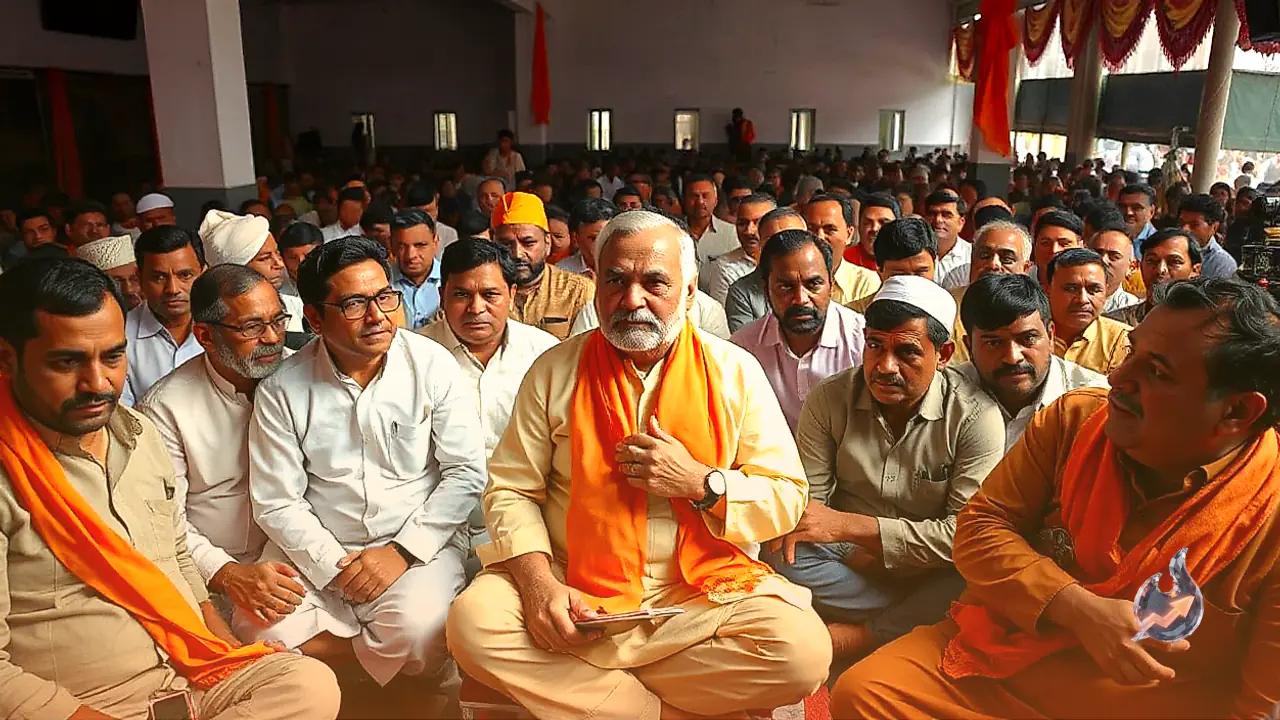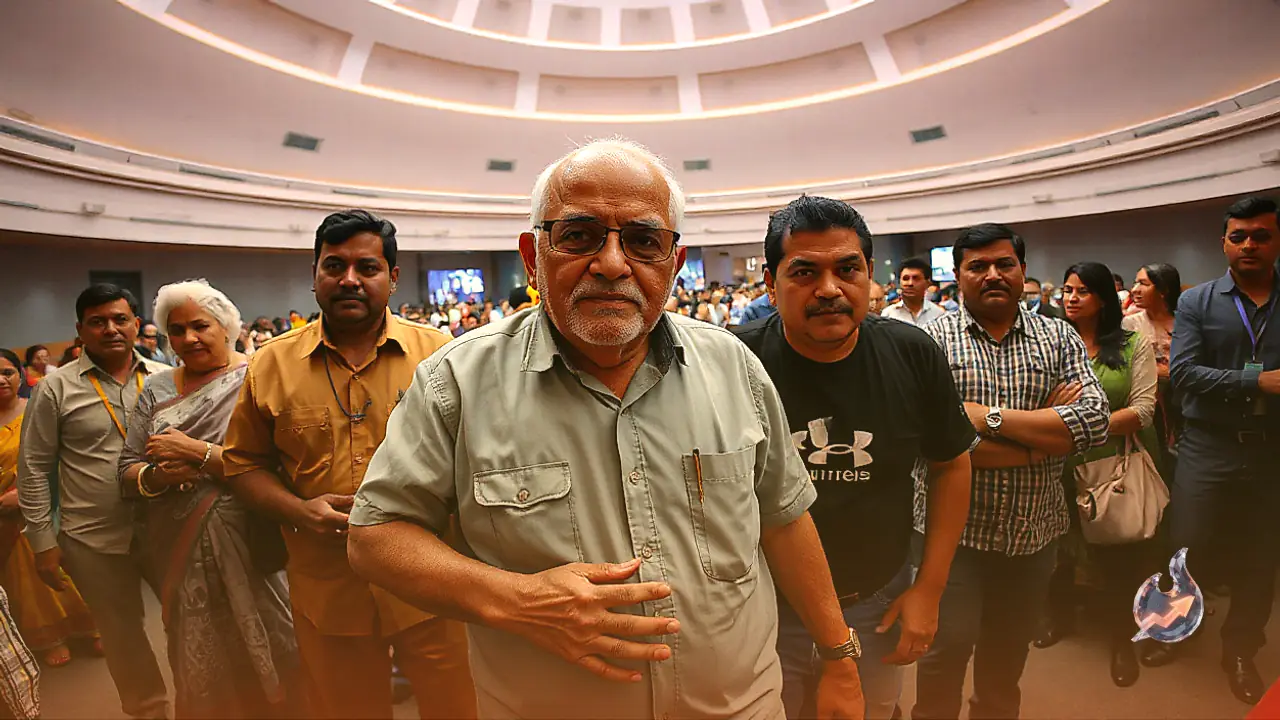




















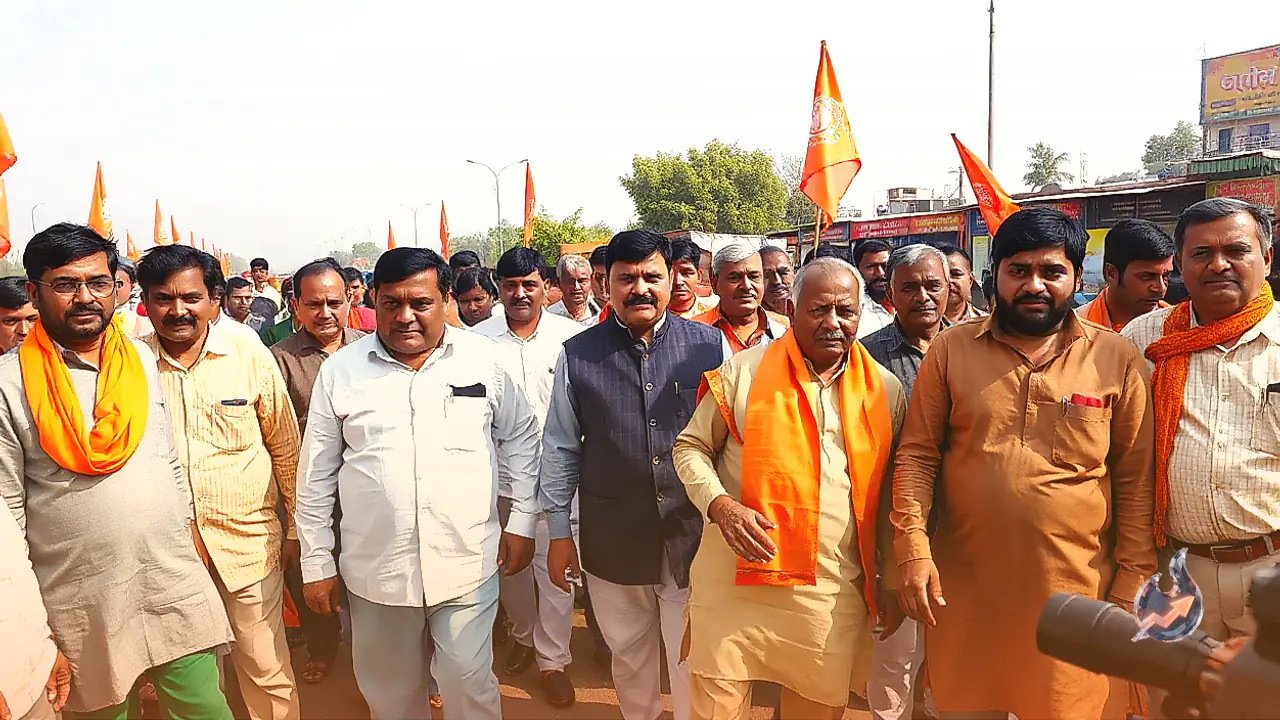

Preparations for the 2027 Uttar Pradesh Assembly elections have begun in earnest as the ruling Bharatiya Janata Party (BJP) launched a comprehensive voter enrolment drive across the state. During a high-level organizational meeting held in Lucknow, Chief Minister Yogi Adityanath instructed party leaders and grassroots workers to dedicate the next one month exclusively to ensuring that every eligible citizen is registered on the voter list. The initiative centers around the upcoming Special Summary Revision (SSR) drive, with a targeted effort to bridge gaps in electoral rolls across all 403 assembly constituencies in Uttar Pradesh.
Special Summary Revision Commences November 17 Across Uttar Pradesh
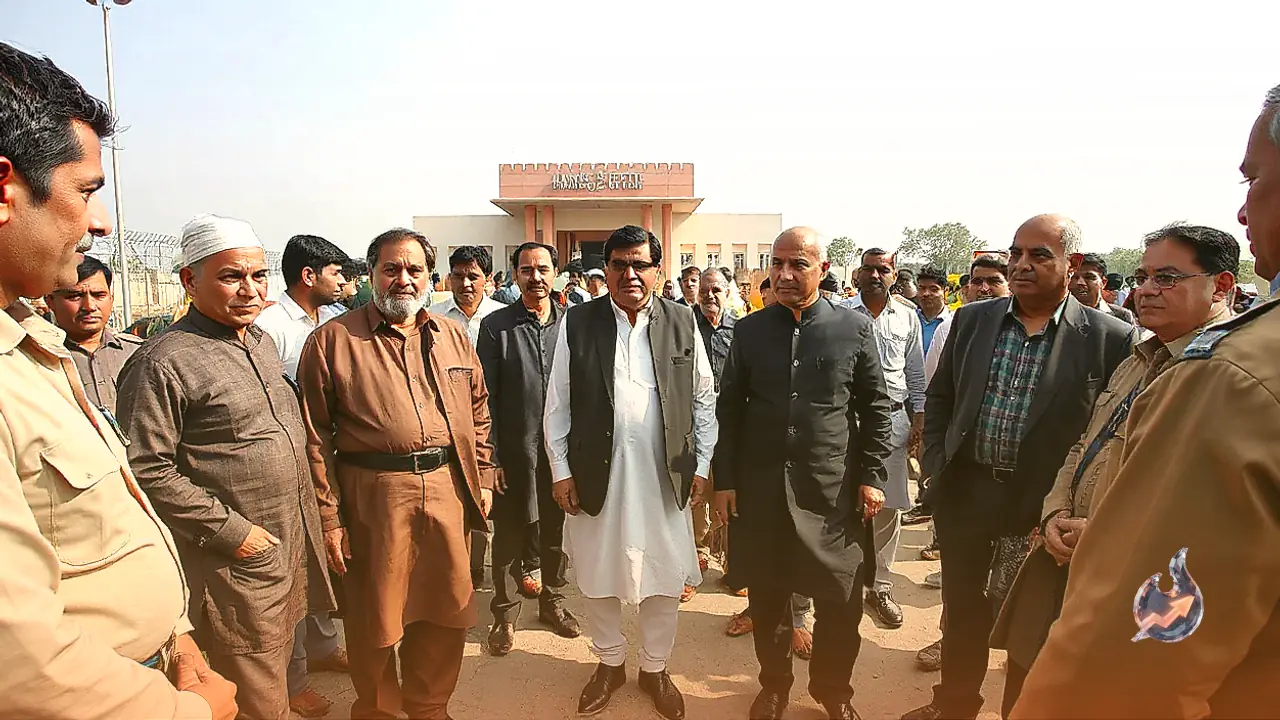
Following the completion of the SIR phase, the official Special Summary Revision (SSR) of voter lists in Uttar Pradesh is scheduled to begin on November 17. In anticipation of this timeline, the BJP has activated its booth-level machinery to carry out an exhaustive review of local voter registers. The strategy session in Lucknow brought together Chief Minister Yogi Adityanath, Deputy Chief Ministers Keshav Prasad Maurya and Brajesh Pathak, State President Pankaj Chaudhary, and District Presidents from every district. District leaders were assigned specific operational duties to identify omitted voters and facilitate their prompt re-registration, with party leaders emphasizing that this SSR drive represents the final major window for roll corrections before the assembly polls.
CM Yogi Cites 1.27 Crore Omitted Hindu Voters and Issues Strict Mandate
Addressing party cadres during the meeting, Chief Minister Yogi Adityanath presented a critical figure, claiming that the names of approximately 1 crore 27 lakh Hindu voters had been deleted from the electoral rolls across Uttar Pradesh over time. He urged workers to work tirelessly over the next month to identify these individuals and ensure their names are restored to the voters list. CM Yogi Adityanath warned workers that neglecting this registration window would leave no room for rectification later, stressing that women workers and youth wing members must lead the outreach efforts in every neighborhood.
Digital Tracking via Kamal Sathi App and Campus Registration Camps
To streamline the voter registration process, the party is leveraging technology through the Kamal Sathi App. Party workers have been instructed to use the application to log voter contacts, assist with application submissions, and monitor progress in real time. Additionally, booth and assembly-level electoral data will be downloaded to create a digital tracking mechanism that measures registration figures across different electoral pockets. Special registration camps will also be established across universities, colleges, and educational institutes to target young voters and first-time electors.
Mobilising Grassroots Workers and Local Networks in Rural Pockets
In rural areas, the party has planned a broad-based outreach model by engaging local grassroots functionaries. BJP cadres will coordinate with Panchayat Sahayaks, Anganwadi workers, Asha Bahus, and personnel from the National Rural Livelihood Mission. Furthermore, Self-Help Groups (SHGs) and BC Sakhis will be involved to identify individuals whose names are present on village panchayat voter lists but missing from the official Assembly electoral rolls.
Six Key Priority Categories Identified for Voter Registration
The BJP's strategy focuses on six specific demographics during the Special Summary Revision campaign
- First-time Youth Voters: Individuals turning 18 by January 1, 2027, who become eligible to vote.
- Women Voters: Women missing from electoral lists due to relocation after marriage or administrative gaps.
- Welfare Scheme Beneficiaries: Recipients of state and central government welfare initiatives.
- Panchayat List Electors: Citizens listed on local Panchayat voter rolls but absent from Assembly rolls.
- Ration Card Holders: Families availing government ration benefits who lack voter registration.
- Migrant Workers: Laborers and professionals who temporarily relocated to other cities or states for employment.
Electoral Calculations, 60:40 Formula, and 2027 Victory Ambitions
At the conclusion of the meeting, senior BJP leadership expressed firm confidence in securing a consecutive third term victory in the 2027 Uttar Pradesh Assembly elections. Deputy Chief Ministers Brajesh Pathak and Keshav Prasad Maurya outlined the party's field strategy, with Keshav Prasad Maurya reiterating the 60:40 political formula. Under this calculation, the BJP aims to consolidate a 60 percent voter base while expecting the opposition to divide the remaining 40 percent. The party believes combining Mandal and Kamandal issues with welfare beneficiaries, women, and youth will create an insurmountable advantage.
Akhilesh Yadav Alleges Conspiracy; BJP Responds on Governance Record
Chief Minister Yogi Adityanath's claim regarding 1.27 crore deleted Hindu voters triggered immediate political friction in the state. Samajwadi Party Chief Akhilesh Yadav strongly criticized the statement, describing it as part of a larger political conspiracy. Akhilesh Yadav questioned how a Chief Minister occupying a constitutional post obtained such specific voter data and queried the Election Commission's role in supplying such figures. In response, BJP leaders rejected the opposition's charges. UP Minister Jaiveer Singh and other senior party figures accused the Samajwadi Party of raising unsubstantiated questions against the Election Commission to mask electoral anxieties, countering by highlighting issues of lawlessness and governance challenges associated with past Samajwadi Party administrations.